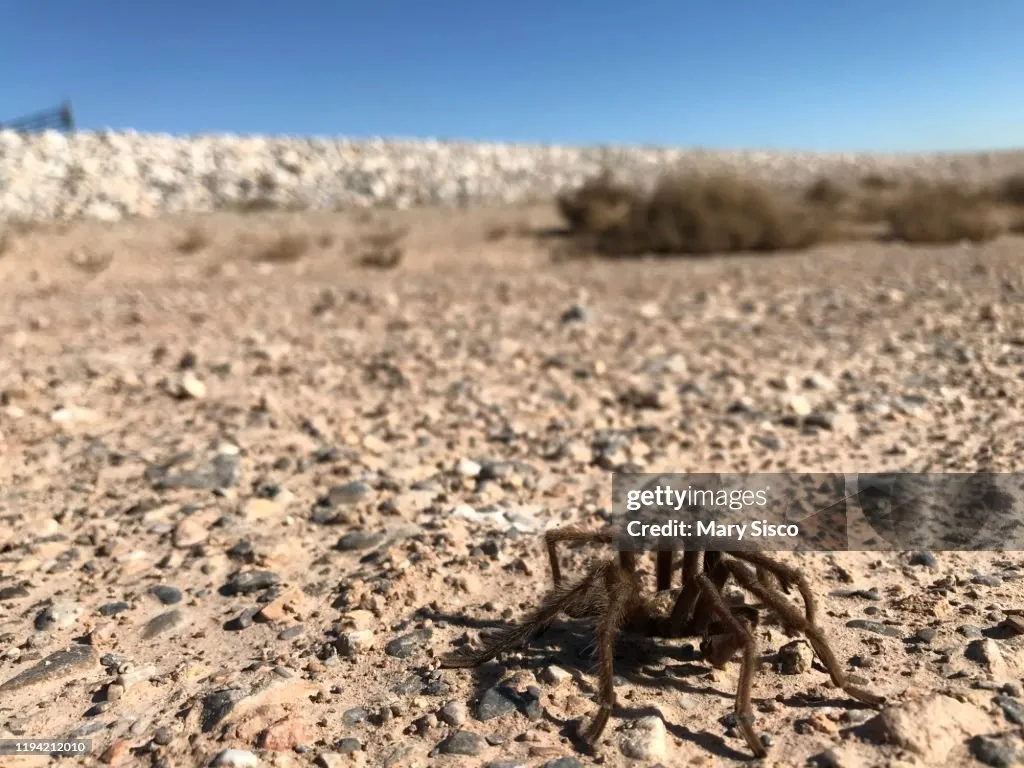
Baby Desert Tarantula Care Top 5 Tips
Caring for a baby desert tarantula can be a rewarding experience, offering a fascinating glimpse into the world of arachnids. These creatures, despite their intimidating appearance, are relatively low-maintenance pets. However, proper care is crucial for their health and well-being. This guide provides the top 5 essential tips for ensuring your baby desert tarantula thrives in a captive environment. From enclosure setup to feeding and handling, these tips cover the most important aspects of baby desert tarantula care, helping you provide a safe and comfortable habitat for your new pet. Understanding these fundamental principles is the first step toward becoming a successful tarantula keeper and enjoying the unique companionship of these intriguing creatures. Ensuring your baby desert tarantula’s well-being means providing the right environment, food, and handling practices.
Choosing the Right Enclosure
The enclosure is the foundation of your baby desert tarantula’s habitat, providing security, shelter, and a space to thrive. The size and type of enclosure you choose are critical factors in creating a comfortable and healthy environment. A well-designed enclosure not only meets the tarantula’s physical needs but also allows you to observe its behavior and monitor its health. Selecting the right enclosure is one of the most important first steps in caring for your baby desert tarantula, directly impacting its well-being and longevity. A poor enclosure can lead to stress, injury, and even death. Therefore, careful consideration must be given to these factors before bringing your baby desert tarantula home.
Enclosure Size and Type

For a baby desert tarantula, a smaller enclosure is generally preferable to prevent the spider from feeling overwhelmed and stressed. A clear plastic container or a small glass terrarium with a secure lid is ideal. The enclosure should be approximately 5 to 10 times the spider’s leg span in width and length. Ensure the enclosure provides enough height for substrate and space for the tarantula to move around and potentially burrow. The type of enclosure should promote adequate ventilation to prevent the buildup of excess humidity. Avoid enclosures with large openings that the tarantula could potentially escape through. Proper enclosure size allows the baby desert tarantula to feel secure and move naturally, contributing to its overall well-being. An appropriately sized enclosure is paramount in providing a comfortable and enriching environment for your baby desert tarantula.
Substrate Selection
The substrate is the flooring of the tarantula’s habitat, providing a surface for burrowing, maintaining humidity, and mimicking the tarantula’s natural environment. For baby desert tarantulas, a substrate that holds moisture and allows for burrowing is essential. A mixture of peat moss, vermiculite, and a small amount of sand is an excellent choice. The substrate should be deep enough to allow the tarantula to burrow, typically 2-4 inches deep. Avoid substrates like cedar or pine shavings, as these can be toxic to tarantulas. The substrate should be kept slightly damp, not wet, to maintain appropriate humidity levels. Regularly check the substrate for mold or excessive moisture, which can harm your baby desert tarantula. Choosing the right substrate supports the tarantula’s natural behaviors, promoting a healthier and more comfortable environment. The substrate will help it thrive.
Maintaining Temperature and Humidity
Temperature and humidity are vital for the health and well-being of your baby desert tarantula, as these environmental factors directly influence their metabolism, molting, and overall health. Monitoring and maintaining the correct temperature and humidity levels within the enclosure is crucial for ensuring your tarantula thrives. A poorly maintained environment can lead to dehydration, molting problems, and even death. Regular monitoring and adjustments are essential, particularly in different seasons, to provide a consistently suitable habitat. Creating the right temperature and humidity levels helps create a thriving environment for your tarantula, allowing it to flourish and live a long, healthy life. This requires diligent care and attention to detail.
Optimal Temperature Range

Baby desert tarantulas thrive in a temperature range between 75-85°F (24-29°C). Maintaining a consistent temperature within this range is critical for their metabolism and activity levels. Use a thermometer inside the enclosure to monitor the temperature regularly. Avoid placing the enclosure in direct sunlight or near heat sources that could cause temperature fluctuations. If the temperature in your home is consistently below the ideal range, consider using a low-wattage heat source, such as a heat mat or a ceramic heat emitter, placed on the side of the enclosure to gently raise the temperature. Never place a heat source directly inside the enclosure as it could pose a burn risk to the tarantula. A stable temperature is key to your baby desert tarantula’s well-being and optimal growth and development.
Humidity Levels for Baby Desert Tarantulas
Baby desert tarantulas require a humidity level of 60-70%. This level ensures proper hydration and aids in molting. You can monitor the humidity using a hygrometer placed inside the enclosure. To maintain the appropriate humidity, lightly mist the substrate with dechlorinated water every few days. Avoid over-misting, as this can lead to excessive humidity and mold growth, which is detrimental to the tarantula’s health. Ensure the enclosure has adequate ventilation to prevent excessive moisture buildup. Monitor the humidity levels closely to ensure your baby desert tarantula remains healthy and thrives. This requires diligence, paying close attention to your spider’s environment.
Feeding Your Baby Desert Tarantula
Proper feeding is essential for the growth and health of your baby desert tarantula. Providing the right food items and feeding frequency will ensure it receives the necessary nutrients to thrive. Baby desert tarantulas have specific dietary needs, and understanding their requirements is crucial for their well-being. The type of food, its size, and the feeding schedule will contribute to its development and overall health. Careful attention to their diet ensures they grow properly and remain healthy, enjoying a long and enriching life. These small creatures need proper sustenance for their active lifestyle and growth.
Appropriate Food Items

Baby desert tarantulas primarily eat insects. Crickets, mealworms, and small roaches are excellent choices. The size of the insects should be appropriate for the tarantula’s size; the prey should generally be no larger than the tarantula’s abdomen. Always provide live insects, as this stimulates the tarantula’s natural hunting behavior. Avoid feeding your tarantula insects that have been exposed to pesticides or chemicals. Before feeding, gut-load the insects by feeding them nutritious food items like vegetables or commercial insect food. This enhances the nutritional value for your tarantula. Offering a variety of insects can ensure a balanced diet and prevent nutritional deficiencies. Proper food selection is key.
Feeding Frequency
The feeding frequency for a baby desert tarantula varies based on its growth rate. Generally, feed your baby desert tarantula 2-3 times per week. Observe your tarantula’s abdomen; if it appears plump, it is well-fed. Reduce the feeding frequency if the abdomen is overly large. If the tarantula is refusing food, it might be in pre-molt, and you should stop feeding it until it molts. Remove any uneaten food within 24 hours to prevent the build-up of mold or mites. Adjust the feeding schedule based on the tarantula’s individual needs and growth patterns, as younger tarantulas may require more frequent feedings. Regular monitoring is essential to maintaining optimal health.
Providing Fresh Water
Providing fresh, clean water is crucial for the survival and health of your baby desert tarantula. Tarantulas, like all living creatures, require water to stay hydrated and maintain their bodily functions. Access to fresh water also helps them during molting. A consistent source of clean water helps the tarantula stay hydrated, supporting their overall health and well-being. The availability of water plays a significant role in their survival.
Water Dish Options

A shallow water dish is essential to provide a safe and accessible water source for your baby desert tarantula. A bottle cap or a small, shallow dish is ideal. Ensure the water dish is not too deep, as baby tarantulas can drown. Place small pebbles or aquarium gravel in the dish to provide a grip for the tarantula and prevent accidental drowning. Use dechlorinated or spring water, as tap water can contain chemicals that are harmful to tarantulas. The water dish should be stable and easy to access for the tarantula. A suitable water dish is important for the safety of your baby desert tarantula, preventing accidental drowning while providing essential hydration.
Watering Frequency
Change the water in the water dish every 1-2 days to prevent the growth of bacteria and keep the water fresh and clean. Regularly check the water dish for any debris or substrate that may have fallen in. In addition to the water dish, you can lightly mist the enclosure once or twice a week to maintain humidity levels, but avoid direct spraying of the tarantula. Providing a consistent supply of fresh water is essential for the health and hydration of your baby desert tarantula. Ensuring access to clean water is a fundamental aspect of proper care.
Handling Your Baby Desert Tarantula
Handling a baby desert tarantula is not generally recommended due to the potential risks to both the tarantula and the handler. While tarantulas are not typically aggressive, they can bite if they feel threatened or startled. The risks associated with handling are significant. It is best to minimize handling to avoid stressing the tarantula and potentially causing harm. Understanding the potential risks is important, as handling can cause harm to the spider.
The Risks of Handling

Baby desert tarantulas have delicate bodies, and a fall from even a short distance can be fatal. The tarantula’s fangs can deliver a painful bite, and although their venom is generally not life-threatening to humans, it can cause localized pain, swelling, and itching. Tarantulas can also release urticating hairs as a defense mechanism, which can cause skin and eye irritation. Furthermore, handling can stress the tarantula, potentially affecting its appetite, molting cycle, and overall health. Reducing stress will help them live a longer, healthier life. Understanding these risks is essential for safe tarantula care.
Safe Handling Practices
If handling is unavoidable, do so with extreme caution. Handle your tarantula over a soft surface, like a bed or a couch, to minimize the risk of injury if it falls. Use a soft brush to gently encourage the tarantula to move onto your hand. Always supervise children closely when they are near the tarantula’s enclosure. If the tarantula appears stressed or agitated, do not attempt to handle it. Avoid handling during the molting process, as the tarantula will be especially vulnerable. Prioritizing caution is essential for minimizing the risk of harm to both the handler and the tarantula. If handling is necessary, take extreme precautions.