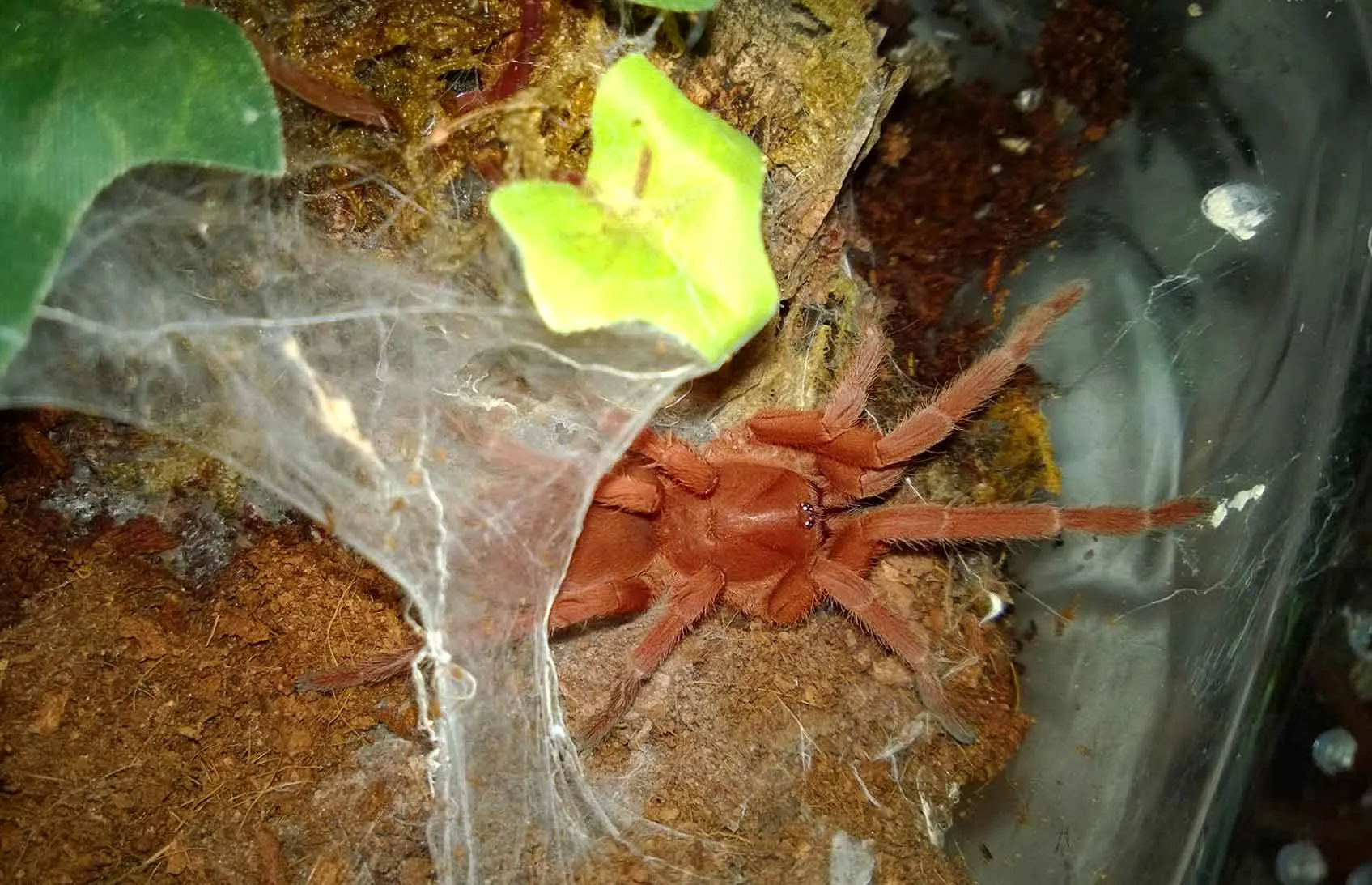
Understanding the Bahamian Tarantula
The Bahamian tarantula (Cyrtopholis anacapae) is a captivating species for any arachnid enthusiast. Native to the Bahamas, these spiders are known for their relatively docile temperament and striking appearance. This comprehensive guide provides all the information you need to successfully care for a Bahamian tarantula, ensuring it thrives in a captive environment. From habitat setup to feeding and health, we’ll cover every aspect of their care. Owning a tarantula can be a rewarding experience, providing a unique glimpse into the fascinating world of invertebrates. This guide will help you understand the specifics of the Bahamian tarantula, setting you up for a successful and enjoyable journey.
Physical Characteristics and Appearance
Bahamian tarantulas are medium-sized spiders, typically exhibiting a brown coloration, with variations in shade depending on their age and the environmental conditions. Their bodies are covered in fine hairs, which contribute to their overall appearance. They have eight eyes arranged in a specific pattern that allows them to perceive their surroundings. Their chelicerae, the mouthparts, are strong and used for capturing and consuming prey. These spiders are generally not brightly colored, blending in with their natural habitat, providing them with camouflage from predators and prey alike. Careful observation reveals subtle details, such as the patterns on their carapace (the top part of their cephalothorax) and the arrangement of hairs on their legs.
Size and Lifespan

The size of a Bahamian tarantula varies depending on its sex and age. Females tend to be larger than males, with a leg span that can reach up to 5-6 inches. Males are typically smaller, and their lifespan is significantly shorter. The lifespan of a female Bahamian tarantula can be quite remarkable, often living for 10-15 years or even longer in optimal conditions. Males, on the other hand, typically live for only a few years after reaching maturity. Understanding the size and lifespan of your tarantula is crucial for providing proper care, including enclosure size and recognizing the signs of aging or approaching the end of their life cycle.
Bahamian Tarantula Habitat Setup
Creating a suitable habitat is the foundation for a healthy and thriving Bahamian tarantula. Replicating their natural environment as closely as possible is key to their well-being. This involves choosing the right enclosure, providing appropriate substrate, and maintaining optimal temperature and humidity levels. Incorrect setup can lead to stress, health problems, and a shortened lifespan. The following sections provide detailed instructions to help you create the ideal home for your pet.
Enclosure Size and Type
The size of the enclosure should correspond to the size of your Bahamian tarantula. A juvenile can start in a smaller container, such as a 5-gallon terrarium, while adults will need a larger space, such as a 10-gallon or even a 20-gallon long terrarium. The enclosure should be escape-proof, with a secure lid and adequate ventilation to prevent excessive humidity buildup, which can cause mold. Glass or acrylic enclosures are suitable, but make sure the ventilation is appropriate. The enclosure should have enough floor space for the tarantula to move around comfortably and to establish its burrow or hide. Consider the future size of your tarantula when selecting an enclosure, and be prepared to upgrade as it grows.
Substrate and Decor

The substrate is the bottom layer of the enclosure and plays a vital role in maintaining humidity and providing a natural environment for your Bahamian tarantula. A suitable substrate for this species includes a mixture of coconut fiber, peat moss, and a bit of vermiculite. These materials retain moisture well, helping to maintain the required humidity levels. The substrate should be deep enough to allow the tarantula to burrow if it chooses, typically 4-6 inches deep. Decorate the enclosure with items that mimic the tarantula’s natural habitat. This can include a hide (such as a piece of cork bark or a half-log), artificial or live plants (ensure these are non-toxic), and a shallow water dish. These additions provide enrichment and make the tarantula feel more secure.
Temperature and Humidity
Maintaining the correct temperature and humidity is critical for the health of your Bahamian tarantula. The ideal temperature range for these spiders is between 75-85°F (24-29°C). Use a heat source such as a heat mat placed on the side of the enclosure (never underneath, as this can cause the substrate to dry out and potentially harm the tarantula) to maintain the desired temperature. Monitor the temperature using a thermometer. The humidity level should be maintained between 60-70%. To achieve this, mist the enclosure lightly with water once or twice a week, or more often if the humidity drops. The substrate should be slightly moist, but not saturated. Use a hygrometer to monitor the humidity levels. Proper temperature and humidity are essential for the tarantula’s molting process and overall well-being.
Feeding Your Bahamian Tarantula
Proper feeding is essential for the health and growth of your Bahamian tarantula. Providing the right type of food and feeding it appropriately will ensure your spider gets the necessary nutrients. Understanding their dietary needs and feeding habits is crucial for keeping your pet happy and healthy. Let’s delve into the specifics of providing a nutritious diet.
Diet and Feeding Schedule

Bahamian tarantulas are primarily insectivores. Their diet should consist mainly of appropriately sized insects, such as crickets, roaches, mealworms, and occasionally, waxworms as a treat. The size of the insects should be proportional to the size of the tarantula; the prey should be no larger than the tarantula’s body. Feed juvenile tarantulas 2-3 times per week, while adults can be fed every 1-2 weeks. Remove any uneaten prey within 24 hours to prevent them from stressing the tarantula. It’s also essential to dust the insects with a calcium and vitamin D3 supplement to ensure your tarantula gets the necessary nutrients for proper growth and molting. Avoid feeding wild-caught insects, as they may carry parasites or pesticides.
Water and Hydration
Providing fresh water is crucial for the tarantula’s hydration. Always have a shallow water dish available in the enclosure. Use a dish that is small enough to prevent the tarantula from falling in and drowning. Fill the dish with clean, dechlorinated water. The water should be changed regularly to prevent bacterial growth. In addition to a water dish, misting the enclosure can also help maintain humidity, as mentioned earlier. Ensure the substrate is slightly moist but not soggy, as excessive moisture can lead to health issues.
Bahamian Tarantula Health and Care
Taking care of your Bahamian tarantula’s health involves observing its behavior, recognizing potential health issues, and knowing how to handle your pet safely. Regular observation and preventative measures are key to ensuring a long and healthy life for your tarantula. Educating yourself about common issues and handling practices is essential.
Common Health Issues

While Bahamian tarantulas are generally hardy, they can still be susceptible to certain health issues. Dehydration can occur if the humidity is too low or if fresh water is not available. Mites can sometimes infest tarantulas; these are small, parasitic arachnids that can cause irritation and stress. Ensure proper hygiene in the enclosure to prevent mite infestations. If you notice any signs of illness, such as lethargy, loss of appetite, or unusual behaviors, consult with a veterinarian specializing in exotic animals. Also, a tarantula may refuse to eat if it is about to molt. This is a normal process, but it’s important to ensure the environment is optimal during molting.
Handling and Safety
Handling a Bahamian tarantula should be done with caution. While they are generally docile, they can still bite if they feel threatened. It is best to avoid handling them unless absolutely necessary, such as for enclosure maintenance. If you do need to handle your tarantula, do so gently and slowly. Always wash your hands thoroughly before and after handling your spider. If a tarantula bites, the bite is usually not medically significant, but it can be painful. The venom is not considered dangerous to humans, but allergic reactions are possible. Never drop or squeeze your tarantula, as this can cause serious injury. Observe your tarantula’s behavior; if it appears stressed or defensive, it is best to leave it alone.
Breeding Bahamian Tarantulas
Breeding Bahamian tarantulas can be a rewarding but also challenging endeavor. It requires careful preparation, understanding the tarantulas’ behaviors, and providing the appropriate environment. Breeding tarantulas can be a great way to learn more about these fascinating creatures. Success requires patience, knowledge, and attention to detail.
Identifying Sex and Mating Process

Sexing a Bahamian tarantula can be done by examining the underside of the tarantula. Adult males possess tibial hooks (small hooks on their front legs) and pedipalps that are modified for mating. Females lack these characteristics, and their spermatheca (sperm storage organs) may be visible during the molting process. The mating process involves the male depositing sperm into the female’s spermatheca. This is often a delicate and potentially dangerous time for the male, as females may sometimes see him as a meal. The male needs to be quick and careful in his approach.
Egg Sac Management and Spiderling Care
After mating, the female will typically produce an egg sac containing her eggs. The egg sac should be carefully monitored, and the environment should be kept at the correct temperature and humidity. The female will usually guard the egg sac. After the eggs hatch, the spiderlings, which look like miniature versions of the adults, will emerge. Spiderlings require a specialized environment, and they should be separated and housed individually. Feed the spiderlings small insects, such as fruit flies. Proper care during the early stages is crucial for the spiderlings’ survival. Maintaining proper humidity, temperature, and providing a safe enclosure is important for the spiderlings. This stage requires significant care and attention to ensure the spiderlings thrive.
Conclusion
Caring for a Bahamian tarantula can be an enriching experience, providing a unique insight into the world of arachnids. By following the guidelines in this care guide, you can provide a healthy and thriving environment for your pet. Remember to always prioritize the well-being of your tarantula, and continuously learn about their needs and behaviors. Proper research, a suitable habitat, and consistent care are essential to ensuring your Bahamian tarantula lives a long, healthy, and fulfilling life. Enjoy the rewarding experience of owning one of these amazing creatures!