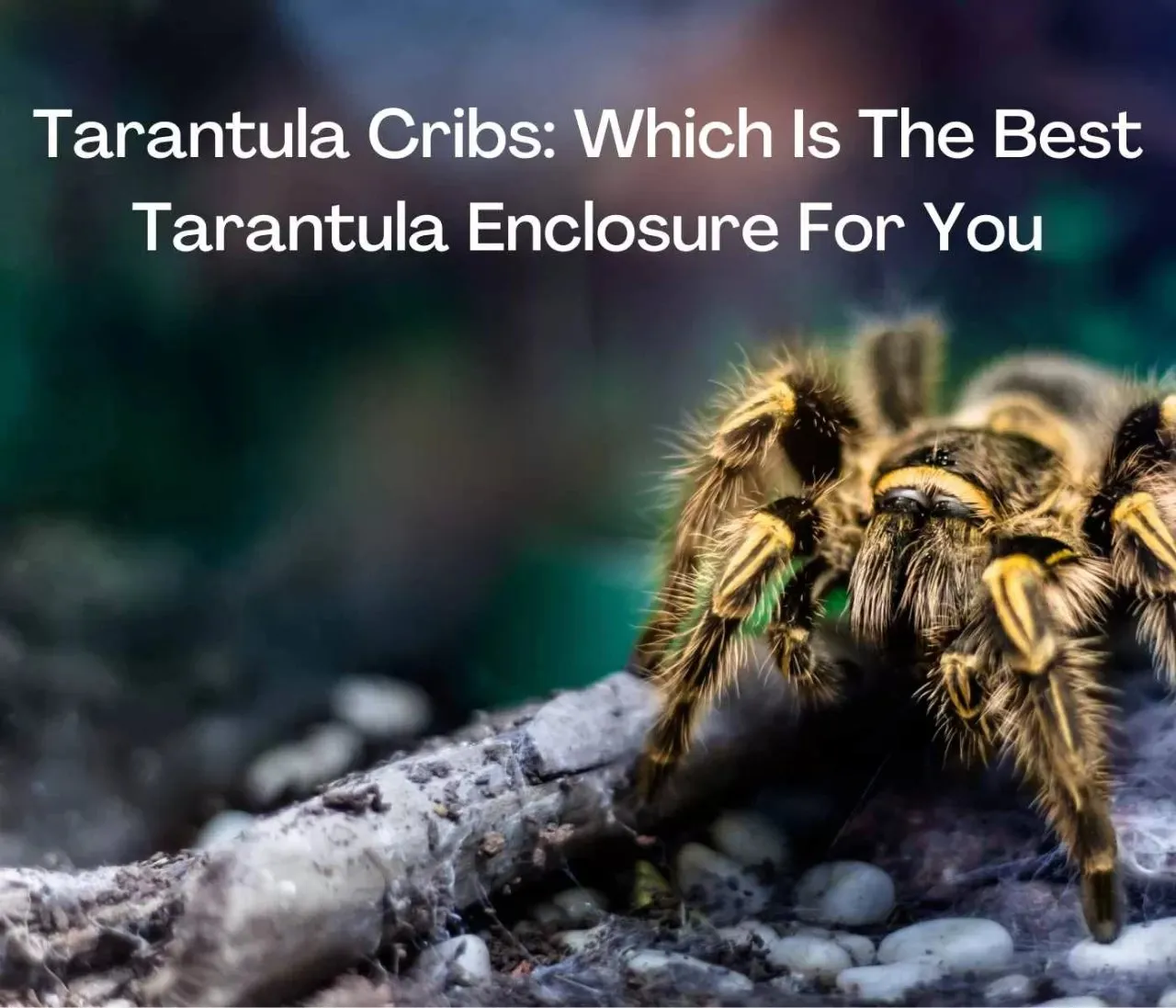
What is the Best Tarantula Enclosure?
Choosing the best tarantula enclosure is a crucial decision for any tarantula keeper. The right enclosure provides a safe, comfortable, and stimulating environment for your eight-legged friend, directly impacting its health and well-being. It’s not just about aesthetics; the enclosure’s size, ventilation, substrate, and overall design contribute significantly to the tarantula’s ability to thrive. This guide aims to provide a comprehensive overview of what to consider when selecting the perfect home for your tarantula, ensuring it lives a long, healthy, and happy life. Remember, a well-chosen enclosure mimics the tarantula’s natural habitat, allowing it to exhibit its natural behaviors, such as burrowing, climbing, and hunting. Failure to provide a suitable enclosure can lead to stress, health issues, and even premature death. So, let’s delve into the essential factors that determine the best tarantula enclosure.
Factors to Consider for Tarantula Enclosures
Several key factors come into play when determining the best tarantula enclosure. These elements work in tandem to create an optimal environment for your pet. Understanding each aspect is vital for making an informed decision that benefits both the tarantula and the keeper. From the enclosure’s physical properties to the specific needs of the tarantula species, every detail matters. Careful consideration of these factors ensures the enclosure provides adequate space, proper ventilation, appropriate humidity and temperature levels, and safe materials. Neglecting these considerations can result in a poorly designed habitat that compromises the tarantula’s health and happiness. By paying close attention to these crucial factors, you can provide your tarantula with a thriving and enriching home.
Size and Dimensions
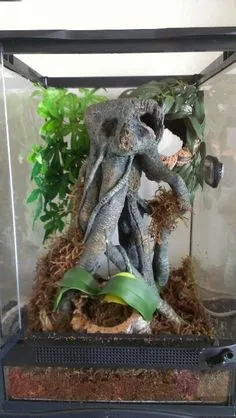
The size and dimensions of the enclosure are paramount. The general rule is to provide an enclosure that is at least twice as wide as the tarantula’s leg span and three times as long. This gives the tarantula enough space to move around, hunt, and feel secure. For terrestrial species, horizontal space is more critical, allowing them to roam and burrow. Arboreal species, on the other hand, require more vertical space for climbing and web-building. Overly large enclosures can make it difficult for the tarantula to find food and may lead to stress, while enclosures that are too small can restrict movement and limit their ability to exhibit natural behaviors. Always consider the adult size of the tarantula species when selecting an enclosure, as they can grow considerably over time.
Ventilation Needs
Proper ventilation is crucial to prevent mold growth, maintain air quality, and regulate humidity levels. The enclosure should have adequate ventilation, typically achieved through cross-ventilation. This means having ventilation holes or mesh on opposite sides of the enclosure. The amount of ventilation needed depends on the species and its humidity requirements. Some species thrive in more humid environments, while others prefer drier conditions. Insufficient ventilation can lead to a build-up of moisture, encouraging the growth of mold and bacteria, which can be harmful to the tarantula. Excessive ventilation, however, can dry out the enclosure too quickly, making it difficult to maintain the necessary humidity levels. Therefore, it’s essential to strike a balance, ensuring good airflow without compromising the tarantula’s specific environmental needs.
Substrate Requirements
The substrate is the bedding material that lines the bottom of the enclosure. It serves several purposes, including absorbing moisture, providing a place for the tarantula to burrow or hide, and helping to maintain humidity levels. The best substrate choices vary depending on the species and its natural habitat. Common options include peat moss, coconut fiber, vermiculite, and a mix of these materials. The substrate should be deep enough to allow for burrowing, especially for terrestrial species. It should also be free from pesticides and other harmful chemicals. The depth of the substrate will depend on the species’ burrowing habits; some tarantulas dig elaborate burrows, while others prefer to have a shallow hide. Regularly inspect the substrate for mold or excessive moisture and replace it as needed to maintain a healthy environment.
Humidity and Temperature

Humidity and temperature are critical for the tarantula’s health and well-being. Most species thrive in specific humidity and temperature ranges. These levels depend on the species’ natural habitat. Monitor these levels using a hygrometer and thermometer. Humidity can be maintained by misting the enclosure with water, providing a water dish, and choosing a substrate that retains moisture. Temperature can be regulated using a heat lamp or a heat mat, but always ensure that the heat source doesn’t overheat the enclosure. Avoid placing the enclosure in direct sunlight, which can rapidly raise the temperature to dangerous levels. Fluctuations in temperature and humidity can stress the tarantula, leading to health problems. Maintaining consistent and appropriate levels is essential for keeping your tarantula healthy and active.
Enclosure Materials
The material of the enclosure is another significant consideration. The enclosure should be durable, easy to clean, and provide a safe environment for the tarantula. The choice of material often depends on personal preference and the tarantula species’ needs. Each material has its pros and cons, so carefully consider your options before making a decision. Selecting the right material ensures the enclosure is both functional and visually appealing while prioritizing the tarantula’s safety.
Glass Enclosures
Glass enclosures are a popular choice due to their visibility and aesthetic appeal. They provide a clear view of the tarantula, allowing you to observe its behavior. Glass is also easy to clean and maintain, making it a practical option. However, glass enclosures can be heavy and may not provide the best insulation, potentially leading to temperature fluctuations. Ensure the glass is thick enough to withstand accidental bumps or drops. The downside is that glass enclosures don’t insulate as well as other materials, potentially leading to temperature and humidity variations. Furthermore, glass can break, posing a risk to the tarantula if the enclosure cracks or shatters.
Acrylic Enclosures

Acrylic enclosures offer excellent visibility, are lightweight, and provide better insulation than glass. Acrylic is also less prone to shattering than glass, making it a safer option. Acrylic enclosures are often preferred for their durability and ability to maintain a stable temperature. They are generally more expensive than glass enclosures. Acrylic is also more prone to scratching. While acrylic enclosures are more expensive, their durability, better insulation, and increased safety often make them a worthwhile investment for tarantula keepers.
Plastic Enclosures
Plastic enclosures are often the most affordable option and are lightweight and easy to clean. They come in various sizes and designs, making them a versatile choice. However, the visibility may be less than with glass or acrylic, and the plastic can be prone to scratching. The ventilation in plastic enclosures can vary, so it’s essential to choose one with adequate airflow. They are also less aesthetically pleasing than glass or acrylic enclosures, but they are a practical option for many keepers, especially those on a budget. Plastic enclosures are generally a cost-effective solution for housing tarantulas and are a popular choice for beginner keepers.
Top Recommended Tarantula Enclosures
Selecting the ideal tarantula enclosure involves a deep dive into what specific products will work best for the species. There are various enclosures available in the market, catering to different needs and budgets. Here’s a look at some of the top recommended tarantula enclosures, keeping in mind factors such as size, ventilation, and material. Remember to always prioritize the safety and well-being of your tarantula when making your selection.
Enclosure for Beginners

For beginner tarantula keepers, simplicity and ease of use are key. A good starter enclosure will prioritize safety, ventilation, and accessibility. Look for enclosures made of clear plastic or acrylic, allowing for easy observation of the tarantula. Features to consider include secure lids, pre-drilled ventilation holes, and a design that’s easy to clean and maintain. These enclosures offer beginners a straightforward and effective way to house their tarantulas, ensuring a comfortable and secure environment. Selecting an enclosure that’s easy to manage reduces the likelihood of making mistakes, thus helping new keepers create a thriving environment for their pet. The best enclosures for beginners strike a balance between functionality, safety, and convenience, enabling new keepers to focus on caring for their tarantulas.
Enclosure for Arboreal Tarantulas
Arboreal tarantulas, which are tree-dwelling, require tall enclosures that accommodate their climbing nature. These enclosures should be taller than they are wide, providing ample vertical space for web-building and climbing. Look for enclosures with secure lids and well-placed ventilation to facilitate airflow. A good arboreal enclosure will feature plenty of vertical elements like branches, cork bark, or artificial plants. These will allow your tarantula to move around and feel secure. The design should also facilitate easy access for feeding and maintenance, ensuring a healthy and comfortable environment for arboreal species. They are designed to mirror the tarantula’s natural habitat, promoting both physical and psychological well-being.
Enclosure for Terrestrial Tarantulas
Terrestrial tarantulas, or ground-dwelling species, need enclosures that prioritize floor space for burrowing and exploration. These enclosures should be wider than they are tall, allowing for sufficient horizontal space. The depth of the enclosure will need to be sufficient to accommodate the substrate layer, allowing the tarantula to dig burrows. Features to look for include a secure lid, adequate ventilation, and easy access for maintenance. The design should allow for the substrate to be at least as deep as the tarantula’s leg span. These enclosures are designed to offer ample space for terrestrial species to thrive, mimicking their natural habitat and promoting a sense of security. Proper enclosure design is crucial for the health and happiness of these ground-dwelling spiders.
Decorating the Best Tarantula Enclosure

Decorating the tarantula enclosure is more than just an aesthetic choice; it’s crucial for providing enrichment and promoting the tarantula’s well-being. Appropriate decor offers hiding places, helps regulate humidity, and allows the tarantula to exhibit its natural behaviors. The specific decor will depend on the species and its needs, but several general elements are typically recommended.
Hiding Places
Hiding places are essential for reducing stress and providing security. Tarantulas are prey animals and naturally seek shelter. Suitable hiding places can include cork bark, half logs, artificial caves, or even sturdy plastic hides. The hiding place should be the right size for the tarantula to feel secure inside. Position the hide in a location where the tarantula can easily access it, but it should be stable enough to avoid accidentally crushing the spider. Providing a secure hiding spot allows the tarantula to feel safe and reduces stress, thereby contributing to its overall health and longevity. The hide becomes a crucial part of its environment and should be considered a necessity when setting up the enclosure.
Water Dishes
A shallow water dish is a must-have for all tarantula enclosures. It provides a constant source of fresh water, essential for hydration. The dish should be shallow enough to prevent the tarantula from drowning, especially for smaller species. It’s also important to consider the stability of the water dish; it should not be easily tipped over. Clean the water dish regularly to prevent the growth of algae or bacteria. Providing clean water ensures your tarantula stays hydrated, supports its health, and allows it to thrive. You might consider using a sponge or some pebbles in the water dish to provide a grip for the tarantula.
Plants and Decorations

Adding plants and other decorations can enhance the tarantula’s environment and provide enrichment. Live plants can help maintain humidity and offer additional hiding places. Artificial plants are a good alternative and are easier to maintain. Avoid using sharp or jagged decorations that could harm the tarantula. Ensure all decorations are non-toxic and won’t leach chemicals into the enclosure. Decorating the enclosure with natural elements can mimic the tarantula’s natural habitat, providing a more stimulating and enriching environment. Plants and other decorations not only add to the aesthetics but also support the overall well-being of the tarantula by giving it places to hide and explore.
Maintaining Your Tarantula Enclosure
Regular maintenance is essential for keeping your tarantula healthy and its enclosure in optimal condition. This includes cleaning the enclosure, monitoring the environment, and addressing any potential problems. Consistent maintenance practices create a healthy and hygienic living space, which in turn leads to a happy and thriving tarantula. Taking care of the enclosure is a continuous process that contributes to the overall well-being of your pet.
Cleaning and Maintenance
Regular cleaning is crucial for preventing the build-up of waste, mold, and bacteria. Spot clean the enclosure regularly, removing any uneaten food, molted exoskeletons, or other debris. Depending on the substrate type, you may need to perform a full substrate change every few months or more frequently. Clean the enclosure walls and decorations with a mild, non-toxic cleaner. Make sure to rinse everything thoroughly to remove any residue. Cleaning the enclosure ensures that it remains a healthy and safe environment for your tarantula. Establishing a regular cleaning schedule helps you stay on top of maintenance, which is essential for your tarantula’s health.
Troubleshooting Common Issues

Even with the best care, you may encounter some common issues with your tarantula and its enclosure. Monitoring the tarantula and its environment is important for identifying and addressing problems promptly. Some common issues include: mold growth, difficulty molting, mites, and changes in appetite. Inspect the enclosure regularly for signs of mold or other problems. If you notice any issues, adjust the environment or seek advice from a veterinarian or experienced tarantula keeper. Early intervention can prevent minor issues from escalating and ensure the tarantula remains healthy. Understanding how to troubleshoot common problems is a key component of responsible tarantula ownership.
Conclusion
Choosing the best tarantula enclosure is a critical decision that impacts the health and well-being of your pet. By considering factors like size, ventilation, substrate, and materials, you can create a suitable environment that allows your tarantula to thrive. Remember to prioritize your tarantula’s specific needs and the environment that most closely mimics its natural habitat. Regular maintenance, including cleaning and monitoring the environment, is also essential. By following this guide, you can create an enclosure that provides a safe, comfortable, and enriching home for your tarantula. Providing the best possible enclosure will not only make your tarantula happy but also enhance your enjoyment of owning this fascinating creature.