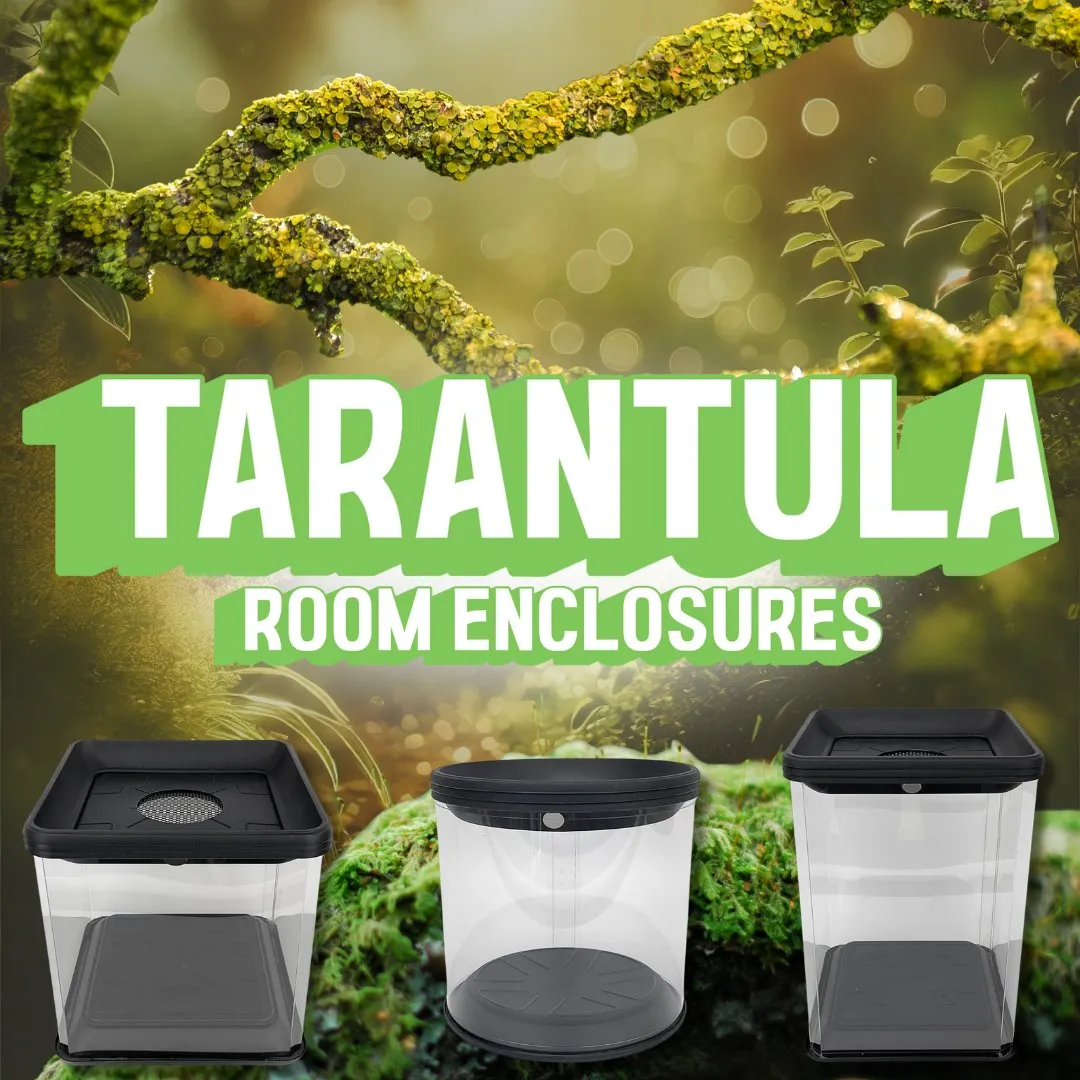
Understanding Tarantula Enclosure Needs
Choosing the best tarantula enclosure is crucial for the health and well-being of your pet. Unlike dogs or cats, tarantulas have very specific environmental needs that must be met to thrive. Providing the right enclosure isn’t just about aesthetics; it directly impacts the tarantula’s ability to eat, molt, and generally feel safe and secure. This guide will walk you through everything you need to know to select the perfect habitat for your eight-legged friend, ensuring they live a long, happy life. Understanding these requirements is the first step in becoming a responsible tarantula owner. Different species of tarantulas have different needs; some are terrestrial, some are arboreal, and some are fossorial, and these factors will influence the ideal enclosure type.
Why Enclosure is Important for Tarantulas
A well-designed tarantula enclosure replicates the tarantula’s natural environment, providing the necessary elements for survival and a good quality of life. It helps regulate temperature and humidity, crucial for their molting process and overall health. Proper ventilation is also essential to prevent mold growth and ensure fresh air circulation. Furthermore, the enclosure offers a secure and stress-free environment. Tarantulas are sensitive creatures, and a suitable habitat minimizes stress, promoting natural behaviors such as hunting and burrowing. A proper enclosure also makes it easier for you to observe your pet without disturbing it and to provide adequate care, including feeding and cleaning. A poor enclosure can lead to a range of health issues, from difficulty molting to reduced appetite and even death.
Factors to Consider for Tarantula Enclosures
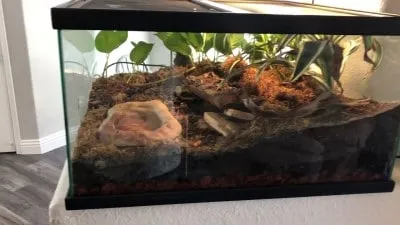
Several factors must be considered when choosing the best tarantula enclosure. These considerations extend beyond simply housing your pet; they encompass creating an environment where the tarantula can thrive. These include space requirements, ventilation, and the right substrate to mimic their natural habitat and promote their well-being. Ignoring these essential elements could lead to significant health issues for your tarantula, so understanding and implementing them is paramount. By carefully considering these factors, you ensure that you are providing your tarantula with a safe, comfortable, and enriching home, which will lead to better health and lifespan.
Size and Space
The size of the enclosure should correspond with the tarantula’s size and species. A general rule is to provide an enclosure that is at least two to three times the tarantula’s leg span in width, and the height should be appropriate for its type. Terrestrial species don’t need a tall enclosure, while arboreal species require height for climbing. Overly large enclosures for small tarantulas can make them feel insecure and make it difficult for them to find food, while too-small enclosures restrict movement and can cause stress. Consider the ultimate size of the tarantula when selecting the enclosure to avoid having to upgrade frequently. Provide sufficient space for the tarantula to move, hunt, and burrow or climb, as appropriate for its species. Adequate space is crucial for the tarantula’s comfort and ability to exhibit natural behaviors.
Ventilation Requirements
Ventilation is vital for maintaining air quality and preventing the buildup of harmful mold and bacteria. Proper ventilation is achieved through strategically placed holes or mesh in the enclosure. Cross-ventilation, where air enters and exits from opposite sides of the enclosure, is ideal. Excessive humidity without proper ventilation can lead to the proliferation of mold and mites, which are detrimental to the tarantula’s health. Ensure that the ventilation is sufficient but not so strong that it dries out the enclosure excessively. The enclosure should provide adequate airflow to maintain a healthy environment without compromising the necessary humidity levels, which vary according to the tarantula species. Regularly inspect the enclosure for signs of mold and adjust ventilation accordingly.
Substrate Selection for Tarantulas

The substrate is the flooring material inside the enclosure and is crucial for creating a suitable environment. The substrate should mimic the tarantula’s natural habitat and allow for burrowing or climbing, depending on the species. Common substrate choices include coconut fiber (coco coir), peat moss, and vermiculite. Coco coir is a popular choice due to its excellent moisture-retention properties, which help maintain humidity. Peat moss is another option but can be acidic, so it’s best to mix it with other substrates. Vermiculite is a mineral that helps retain moisture and provides good aeration. Avoid using materials that can be toxic or harmful to tarantulas, such as cedar shavings. The substrate should be deep enough for burrowing species and changed regularly to maintain cleanliness and hygiene.
Best Tarantula Enclosures Top 7 Picks
Choosing the best enclosure depends on the specific needs of your tarantula species, your budget, and personal preference. Here are several options, each with its pros and cons to help you make an informed decision.
Enclosure 1 The Acrylic Tank
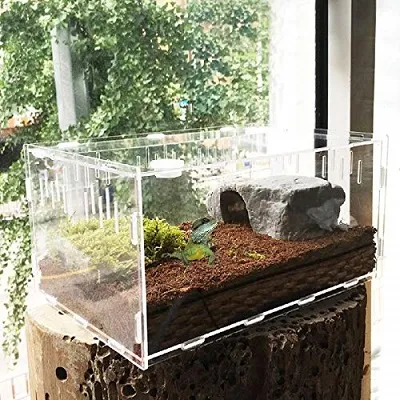
Acrylic tanks are popular for their clarity, lightweight nature, and durability. They offer a clear view of your tarantula and are often more resistant to damage than glass terrariums. They are available in various sizes and are usually easy to clean. The transparency of acrylic allows for better observation of your tarantula. Consider the thickness of the acrylic; thicker acrylic is more resistant to warping or cracking. Look for tanks with secure lids to prevent escapes, as tarantulas are skilled escape artists. Acrylic tanks are a good choice for beginner tarantula keepers because they offer a good balance of visibility, durability, and ease of use.
Pros and Cons of Acrylic Tanks

Pros: Clear visibility, lightweight, durable, easy to clean. Cons: Can scratch, may not be as well-ventilated as some other options, and can be more expensive than glass alternatives.
Enclosure 2 Glass Terrariums
Glass terrariums are a classic choice, offering excellent visibility and a wide range of sizes and styles. They are typically more affordable than acrylic tanks and provide good ventilation options, with screen tops common. Glass terrariums are generally easy to clean. Look for terrariums with secure lids and good ventilation, such as screen tops. Glass can be a bit heavier and more fragile than acrylic, so handle it with care. Ensure there are no gaps where your tarantula could escape. Glass terrariums provide a traditional and reliable option for housing your tarantula.
Pros and Cons of Glass Terrariums
Pros: Excellent visibility, affordable, readily available. Cons: Heavier, can be fragile, requires careful handling, and the screen tops can be less secure.
Enclosure 3 Plastic Containers
Plastic containers, such as clear storage boxes, are a budget-friendly option for tarantula enclosures. They are lightweight, easy to find, and come in various sizes. Plastic containers are simple to modify, allowing you to drill ventilation holes and create secure lids. However, they may not offer the same aesthetic appeal as glass or acrylic. Look for containers made of food-grade plastic to ensure they are safe for your tarantula. Ensure the plastic is clear enough to provide good visibility, and make sure the lid is secure to prevent escapes. Plastic containers can be an excellent option for small tarantulas or as temporary housing.
Pros and Cons of Plastic Containers
Pros: Affordable, lightweight, easy to modify, readily available. Cons: Less aesthetically pleasing, may scratch easily, ventilation needs to be added.
Enclosure 4 Specialized Tarantula Enclosures
Specialized tarantula enclosures are designed specifically for tarantula keeping and often incorporate features tailored to their needs. These enclosures often include pre-drilled ventilation, secure locking mechanisms, and appropriate substrate depths. They are often made of acrylic or a durable plastic material, offering excellent visibility and ease of use. These enclosures are often more expensive than standard options but provide a convenient and often aesthetically pleasing solution. These enclosures are often the best choice for beginners.
Pros and Cons of Specialized Enclosures

Pros: Designed specifically for tarantulas, often include ideal features, secure and easy to use. Cons: Can be expensive, limited in size and style options.
Enclosure 5 DIY Enclosures
DIY enclosures allow you to customize the enclosure to your specifications, using materials like wood, acrylic, or modified storage containers. Building your enclosure can save money and provide a unique habitat for your tarantula. Be sure to seal all gaps and edges to prevent escapes and ensure the materials are safe for the tarantula. The possibilities are endless, from adding specific decor elements to adapting the enclosure to suit your home aesthetic. DIY enclosures are ideal for experienced hobbyists who want to create a truly custom environment.
Pros and Cons of DIY Enclosures
Pros: Customizable, potentially more affordable, can be tailored to species needs. Cons: Requires some DIY skills, can be time-consuming, materials must be carefully selected for safety.
Enclosure 6 Mesh Cages

Mesh cages are generally not recommended for tarantulas due to the risk of the tarantula’s claws getting caught, which can cause injury and stress. However, some keepers use mesh cages with modifications. If you opt for a mesh cage, ensure that the mesh is fine enough to prevent the tarantula from escaping, and the cage should be lined with a safe material to prevent snagging. Mesh cages also do not retain humidity as well as solid-walled enclosures, so they’re usually not the best choice for tarantulas.
Pros and Cons of Mesh Cages
Pros: Can provide excellent ventilation (if the enclosure is well-made). Cons: Risk of injury, poor humidity retention, and less secure than solid-walled options.
Enclosure 7 Upcycled Enclosures
Upcycling is an eco-friendly approach that involves repurposing existing items, such as plastic containers or modified cabinets, into tarantula enclosures. This can be a cost-effective and sustainable way to house your tarantula. Ensure that the materials are safe and non-toxic. Secure the lid and add ventilation. Upcycling allows for creative designs while reducing waste. Before repurposing, thoroughly clean and disinfect the item. This is a fantastic way to give a second life to an item while creating a unique home for your pet.
Pros and Cons of Upcycled Enclosures
Pros: Environmentally friendly, budget-friendly, and offers unique designs. Cons: Requires creativity and some DIY skills, and the safety of materials must be verified.
Maintaining Your Tarantula Enclosure
Proper maintenance is essential for the health and well-being of your tarantula. Regular cleaning and monitoring of the environment are critical aspects of tarantula care. By consistently performing these maintenance tasks, you can ensure a healthy and stimulating environment for your pet, minimizing stress and promoting longevity. Maintaining your tarantula’s enclosure is not just about cleanliness; it’s a commitment to the health and happiness of your pet.
Temperature and Humidity Control
Temperature and humidity levels should be monitored regularly. Most tarantula species thrive in temperatures between 70°F and 80°F (21°C and 27°C). Use a thermometer to monitor the temperature. Humidity levels vary based on the species; tropical species require higher humidity, while arid species need lower humidity. Use a hygrometer to measure humidity. Adjust the temperature and humidity by using a heat source, misting the enclosure, or adjusting the ventilation. Regular monitoring and adjustment are critical to prevent dehydration or respiratory problems.
Cleaning and Maintenance
Regular cleaning is essential to maintain a healthy environment. Remove uneaten food, dead prey items, and any waste as soon as possible to prevent the growth of mold and bacteria. Spot clean the enclosure regularly, and completely replace the substrate every few months, depending on the species and the amount of waste. Clean the enclosure’s sides and lid with a mild soap and water solution. Ensure all cleaning products are non-toxic and rinse thoroughly before returning your tarantula to its enclosure. Maintaining a clean enclosure promotes the tarantula’s health and overall well-being.
Conclusion
Choosing the best tarantula enclosure involves careful consideration of various factors. The ideal enclosure provides a safe, comfortable, and enriching environment for your tarantula. The best enclosure is one that meets the specific needs of the tarantula species while being practical for the owner to maintain. By following the guidelines and recommendations outlined, you can create a habitat that helps your tarantula thrive, leading to a rewarding experience for both you and your eight-legged friend. Remember that each tarantula is an individual, and what works for one may not be suitable for another. Observe your tarantula’s behavior and adjust the enclosure accordingly to ensure its well-being. Enjoy your fascinating pet.