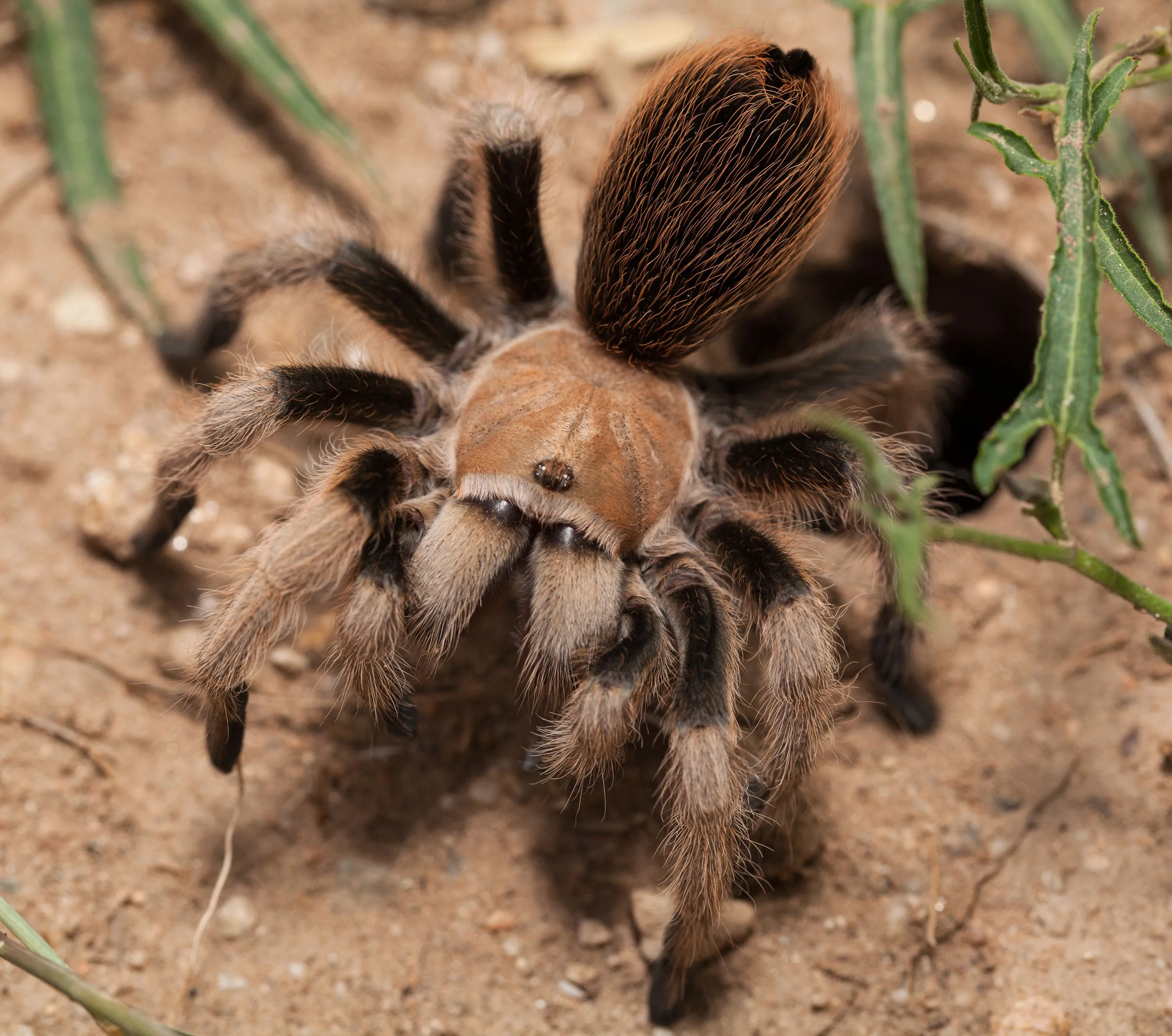
What Makes the Best Tarantula Pet?
Choosing the best tarantula pet involves considering various factors. Tarantulas are fascinating creatures, but not all species are created equal when it comes to suitability as pets. The ideal tarantula for you will depend on your experience level, your tolerance for different temperaments, and the amount of care you’re willing to provide. This guide explores the key aspects to consider when selecting a tarantula, providing you with the knowledge to make an informed decision and enjoy the rewarding experience of tarantula ownership. Considerations include temperament, size, lifespan, habitat requirements, and cost. By carefully evaluating these elements, you can find the perfect tarantula companion that suits your lifestyle and preferences.
Temperament and Handling
Temperament is a crucial aspect of tarantula selection. Some species are known for being docile and relatively easy to handle, while others are more defensive and prone to biting or flicking urticating hairs. Handling a tarantula should always be done with caution and a clear understanding of the risks involved. It’s important to research the temperament of a species before acquiring it, as this will significantly impact your ability to interact with your pet. Beginners should generally opt for less defensive species to minimize the risk of being bitten or encountering other defense mechanisms. Patience and respect are paramount when interacting with any tarantula. Never force interaction, and always be mindful of the tarantula’s body language.
Docile Species

Several tarantula species are known for their docile nature, making them excellent choices for beginners or those new to tarantula ownership. These species are generally less likely to bite and are often more tolerant of handling, although handling is still not always recommended. Examples of docile tarantulas include the Chilean Rose Hair (Grammostola rosea) and the Pinktoe Tarantula (Avicularia avicularia). These species are typically calmer and less prone to defensive behaviors. Their relatively calm temperaments make them more approachable for handling, although it’s essential to remember that each tarantula has its unique personality, and even docile species can exhibit defensive behaviors under stress. Observe your tarantula, and always prioritize its well-being and comfort.
Defensive Species
Some tarantula species are known for their defensive behaviors, which can include biting, flicking urticating hairs (tiny, irritating hairs), and striking. These species are generally best suited for experienced keepers who are comfortable with the potential risks. Defensive species require a more cautious approach to handling and may not be suitable for those who want to frequently interact with their tarantulas. Examples of defensive tarantulas include many of the Old World species, such as the King Baboon Tarantula (Citharischius crawshayi). Keeping defensive species requires a higher level of knowledge and a thorough understanding of tarantula behavior. Always research a species before acquiring it, and be prepared to take extra precautions to ensure your safety and the safety of your pet.
Size and Lifespan
The size and lifespan of a tarantula are important factors to consider when selecting a pet. Tarantulas vary greatly in size, with some species remaining relatively small, while others can grow to impressive dimensions. The lifespan of a tarantula also varies, with some species living for only a few years, while others can live for over 20 years. Consider the space you have available, the amount of time you can dedicate to care, and your long-term commitment. Larger tarantulas require larger enclosures and more food, while longer-lived species require a more significant commitment. Research the adult size and lifespan of any tarantula species you are considering, and be prepared for the long-term responsibility of pet ownership.
Small vs. Large Tarantulas

Small tarantulas may be easier to manage in terms of space and feeding requirements, making them a suitable choice for beginners with limited space. These species often require smaller enclosures and consume less food, which can reduce the cost of ownership. In contrast, larger tarantulas are impressive to observe and often have a more striking appearance. However, they require more space, larger enclosures, and a greater food supply. The decision between a small and a large tarantula depends on your personal preferences and available resources. Weigh the pros and cons of each size category before making your decision, considering both the initial and ongoing costs.
Longevity of Different Species
Tarantula lifespans vary significantly. Some species, especially males, may only live for a few years, while females of certain species can live for over 20 years. This is a crucial factor to consider, as it represents a significant commitment. If you are looking for a long-term pet, opt for a species known for its longevity, usually a female. However, be aware that a longer lifespan also means more years of care and expenses. Research the average lifespan of the species you are considering and ensure you are prepared for the duration of its life. The responsibility of caring for a long-lived pet is considerable, but the rewards can be immense.
Habitat and Care
Providing the correct habitat is critical to the health and well-being of your tarantula. The ideal enclosure should mimic the tarantula’s natural environment and provide the necessary conditions for survival. This includes factors such as temperature, humidity, substrate, and decoration. Research the specific requirements of your chosen species. Incorrect habitat conditions can lead to health problems, stress, and a shortened lifespan. Proper habitat setup requires careful planning and regular maintenance to ensure your tarantula’s comfort and health. Understanding the nuances of tarantula care is key to their successful keeping. Remember, providing a suitable environment is one of the most important things you can do for your tarantula.
Enclosure Setup

The enclosure should be appropriately sized for the adult tarantula. A secure lid is essential to prevent escapes, and adequate ventilation is necessary to maintain air quality. The enclosure should be made of a suitable material, such as glass or plastic, and should be easy to clean. The size of the enclosure should allow the tarantula to move freely and provide sufficient space for burrowing or climbing, depending on the species. Consider the substrate, the hiding places, and the overall aesthetics of the enclosure. Proper enclosure setup is the foundation of a healthy and happy tarantula.
Substrate and Decoration
The substrate should be appropriate for the species. Some tarantulas prefer burrowing, while others prefer to live on the surface. Common substrates include coconut fiber, peat moss, and vermiculite. Decorations should provide hiding places and visual interest. Cork bark, artificial plants, and rocks can create a natural-looking environment that also provides security for the tarantula. Always avoid sharp or abrasive materials. The decoration should also provide a sense of security, which will reduce stress and enhance the tarantula’s well-being. The best substrate choices support humidity levels and create a natural environment. The substrate should be deep enough to allow for burrowing if the species is a burrowing species.
Feeding and Diet
Feeding is an essential aspect of tarantula care. Tarantulas are carnivorous and primarily feed on insects. The type and size of food depend on the tarantula’s size and age. It is important to offer a varied diet to ensure that the tarantula receives all the necessary nutrients. Overfeeding should be avoided, as it can lead to health problems. The frequency of feeding depends on the tarantula’s age, metabolism, and the species. Fresh water should always be available. Providing the right food and managing the feeding frequency is vital to the health of your tarantula.
Best Food Choices

The most common food sources for tarantulas include crickets, mealworms, roaches, and other insects. It is important to ensure that the insects are healthy and free from pesticides. The size of the prey should be appropriate for the tarantula. Never feed a tarantula insects that are larger than the tarantula’s abdomen. The prey should be gut-loaded, meaning that they are fed nutritious food before being offered to the tarantula, to ensure the tarantula receives adequate nutrients. Variety is key, and a varied diet ensures your tarantula gets all the essential nutrients.
Feeding Frequency
The feeding frequency depends on the age and metabolism of the tarantula. Spiderlings typically need to be fed more frequently than adults. Young tarantulas may need to be fed several times a week, while adults can be fed once or twice a week. Observe your tarantula’s feeding behavior and adjust the frequency accordingly. If the tarantula refuses food, it may be preparing to molt. Always remove uneaten food to prevent the growth of mold or mites. Monitor the tarantula’s body condition, and adjust the feeding frequency to maintain a healthy weight.
Health and Common Issues
Tarantulas can be susceptible to several health issues. Being able to recognize the signs of illness is important. Common issues include mites, fungal infections, and problems with molting. Preventative measures and early intervention can help to minimize health problems and keep your tarantula healthy. Regular observation and a thorough understanding of tarantula behavior are crucial for maintaining a healthy pet. If you notice any signs of illness or unusual behavior, consult a veterinarian specializing in exotic animals. Proper care and attention will ensure the well-being of your tarantula.
Common Health Problems

Common health problems include mites, which can infest the tarantula’s body and cause irritation. Fungal infections can occur in humid environments with poor ventilation. Problems with molting, such as a failed molt, can also occur. Identifying these issues early on is crucial. Watch for unusual behavior, such as lethargy, loss of appetite, or changes in appearance. These may be indicators of a health issue. Seek professional help if you are unsure of the cause of a problem. Early detection and proper treatment can greatly improve your tarantula’s chances of recovery.
Preventative Measures
Prevention is key. Maintain the correct habitat conditions, including appropriate temperature, humidity, and ventilation. Regularly clean the enclosure and remove any uneaten food or waste. Quarantine any new tarantulas before introducing them to your collection. Provide a balanced diet and avoid overfeeding. Observe your tarantula daily for any signs of illness. By taking these preventative measures, you can significantly reduce the risk of health problems. Regular observation and prompt action are the best ways to keep your tarantula healthy and happy. Proactive care is always more effective than reactive treatment.
Cost and Availability
The cost and availability of tarantulas can vary significantly. The initial cost of purchasing a tarantula can range from a few dollars to several hundred dollars, depending on the species, age, and origin. Ongoing expenses include food, substrate, and enclosure maintenance. Some species are more readily available than others, and the price can reflect the rarity of the species. Before acquiring a tarantula, research the costs involved and ensure you can afford to provide proper care. Understanding the financial commitment is important for long-term ownership. Consider not only the initial purchase but also the ongoing costs to ensure you can adequately care for your pet.
Initial Costs

Initial costs include the price of the tarantula, the enclosure, substrate, decorations, and any necessary equipment, such as a heat lamp or a hygrometer. The cost of the tarantula itself can vary widely, with rare or unusual species commanding higher prices. The enclosure is a significant investment, so choose one that is appropriate for the species and size of your tarantula. The substrate, decorations, and any other accessories will also contribute to the initial cost. Budgeting beforehand is essential, so that you can ensure that you can create the right setup for your new pet. Consider all upfront expenses, including the purchase of the tarantula, enclosure, and other necessary supplies.
Ongoing Expenses
Ongoing expenses include the cost of food, substrate, and any necessary supplements or veterinary care. The cost of food can vary depending on the size and number of your tarantulas. The substrate will need to be replaced periodically, and this is a recurring expense. Veterinary care can be expensive, so it is important to budget for potential medical costs. Plan for ongoing expenses to make sure you can properly provide for your pet. Regularly assess your tarantula’s needs and budget accordingly. The long-term financial commitment associated with tarantula ownership should be carefully considered.
Final Thoughts on Choosing Your Best Tarantula Pet
Choosing the best tarantula pet is a significant decision that requires careful consideration of various factors, from temperament and size to habitat requirements and cost. By thoroughly researching different species and understanding their specific needs, you can choose a tarantula that is a good fit for your lifestyle and experience level. Responsible tarantula ownership means providing a safe, comfortable environment, and providing proper care. Remember to prioritize the well-being of your pet and to enjoy the unique experience of sharing your life with these fascinating creatures. A well-cared-for tarantula can be a rewarding and fascinating pet for many years to come.