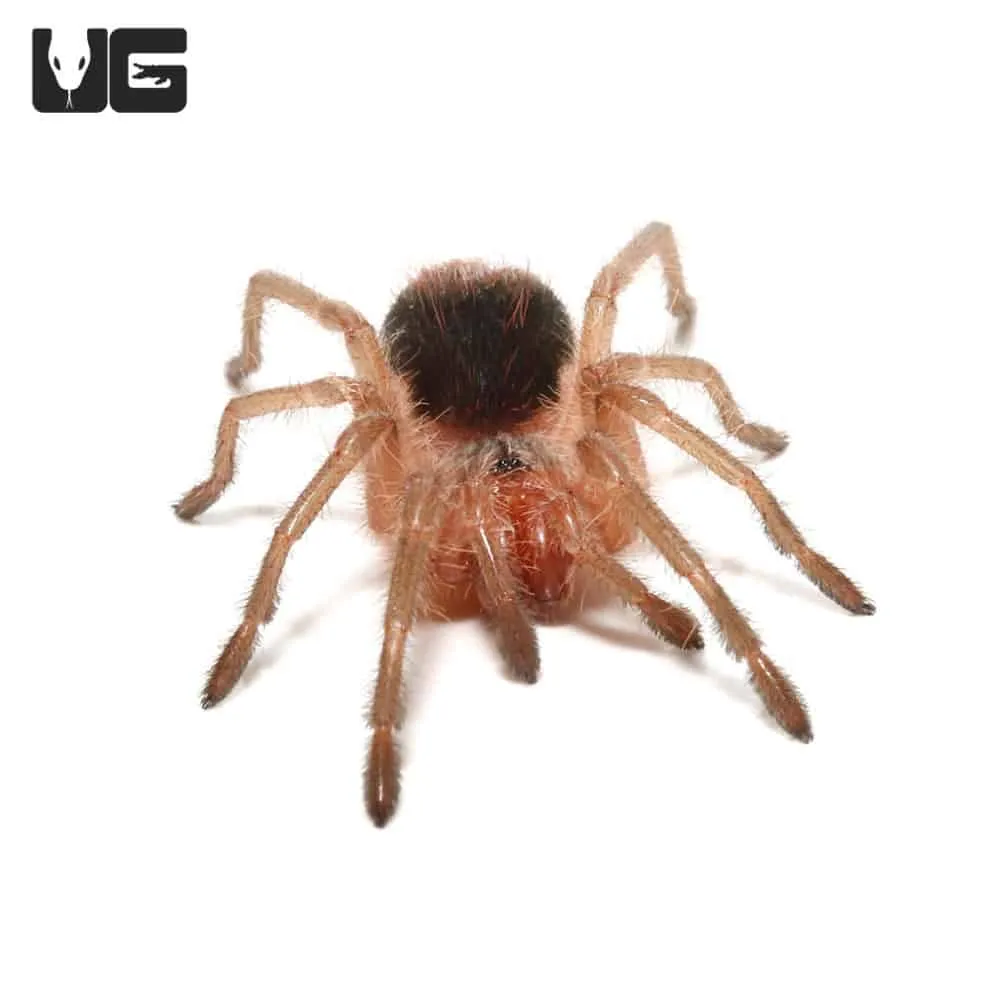
Birdeater Tarantula Top 5 Facts
The Birdeater Tarantula, a truly awe-inspiring creature, holds a unique place in the world of arachnids. Known for its impressive size and captivating presence, this spider has fascinated both enthusiasts and the general public alike. Beyond its imposing stature, the Birdeater Tarantula possesses a range of fascinating characteristics. This article will delve into five compelling facts about this remarkable species, offering insights into its physical attributes, habitat, diet, lifespan, and the precautions one must take when encountering or caring for one. From its remarkable size to its captivating feeding habits, prepare to be amazed by the world of the Birdeater Tarantula. Discover the secrets of this fascinating creature and gain a deeper appreciation for its place in the natural world. Get ready to explore the amazing Birdeater Tarantula.
Size and Appearance
The Birdeater Tarantula is one of the largest spider species in the world, often captivating observers with its sheer size. Their appearance is equally striking, displaying a range of colors and features that set them apart. The combination of size and appearance makes them a highly sought-after species among arachnid enthusiasts. Their impressive size is a primary reason for their allure. This species is the giant among spiders, and this trait alone is enough to generate wonder and captivate anyone who encounters it. The physical characteristics include a broad body covered in fine hairs, a feature that adds to their imposing presence and makes them instantly recognizable.
Giant Tarantula Dimensions

Birdeater Tarantulas can reach impressive sizes. The leg span of some adult females can extend up to 12 inches or more, making them one of the largest spiders in the world. Their bodies alone can measure up to 4 inches in length. The size can vary depending on the specific species and individual characteristics, but generally, they are all of impressive size, setting them apart from many other tarantula species. Male Birdeater Tarantulas are typically smaller than females. These spiders have a robust build and a formidable presence.
Color Variations
The appearance of Birdeater Tarantulas varies across different species. Their coloration can include shades of brown, gray, and black, often with reddish or bronze highlights. Some species may exhibit patterns or markings on their legs and bodies, adding to their unique look. The vibrant colors are not just aesthetic; they can also play a role in camouflage, helping the tarantulas blend in with their environment and successfully hunt their prey. The hairs on the tarantula’s body can also appear iridescent under certain lighting conditions. This color variation, coupled with their size, makes them visually striking and incredibly interesting to observe. The diversity in coloration also helps differentiate various species and adds to their visual appeal.
Habitat and Natural Range
Birdeater Tarantulas are native to specific regions and habitats. Understanding where they thrive and the conditions they prefer is crucial for those interested in their care and conservation. Their natural habitat is essential for their survival and behavior. Their distribution provides insight into their adaptability and ecological role. Preserving their habitat is also crucial for their long-term survival and the preservation of biodiversity.
Where Birdeater Tarantulas Live

These tarantulas primarily inhabit the rainforests of South America. They are found in countries such as Brazil, Guyana, and Suriname. They are terrestrial spiders, meaning they live on the ground. They often create burrows or use natural shelters like fallen logs or under rocks. The presence of these habitats is vital to their survival. The rainforests of South America provide the ideal environment for their needs. Within these environments, they create and occupy burrows and use the terrain to their advantage.
Optimal Environmental Conditions
Birdeater Tarantulas thrive in warm, humid environments. They prefer temperatures between 75°F and 85°F (24°C and 29°C) and humidity levels of 75-85%. These conditions mirror their native rainforest habitat. Providing the right temperature and humidity is crucial for their health. The correct environment supports their molting process, ensures proper hydration, and promotes their overall well-being. They also require a substrate that helps maintain humidity and allows them to burrow. Providing these conditions will contribute to their health and happiness.
Diet and Feeding Habits
Understanding the diet of Birdeater Tarantulas is essential for those who care for them, as their feeding habits are closely tied to their growth, health, and overall well-being. What they eat and how frequently they eat are important aspects of their care. Proper feeding supports their life cycle and their ability to thrive in captivity. The correct diet and feeding schedule will ensure your tarantula lives a long, healthy life. Their diet also provides insight into their role in their natural ecosystem.
Favorite Food

Contrary to their name, Birdeater Tarantulas primarily consume insects and other invertebrates in the wild. Their diet typically consists of a variety of insects, such as crickets, beetles, and cockroaches. They are opportunistic feeders and will eat whatever prey they can capture. They also have been known to eat small birds, lizards, and rodents when available. This varied diet supports their growth and health. Offering a variety of food items ensures that they get a full range of nutrients and essential components. They also have strong hunting instincts, and providing a variety of prey allows them to exhibit natural behaviors and maintain a good quality of life.
Feeding Frequency
The frequency of feeding Birdeater Tarantulas depends on their age and size. Spiderlings and juveniles need to be fed more often, typically two to three times a week. Adult tarantulas can be fed less frequently, about once a week or every other week. The feeding schedule should be adjusted based on the tarantula’s appetite and overall condition. Overfeeding should be avoided to prevent health issues. Providing fresh water at all times is also essential for their health. Monitoring their feeding habits and adjusting the schedule accordingly will ensure that the tarantula receives proper nutrition and support its overall well-being.
Lifespan and Breeding
The lifespan and breeding habits of Birdeater Tarantulas offer insights into their life cycle and the challenges and rewards of breeding them. Understanding these aspects is essential for anyone considering keeping or breeding these spiders. The lifespan influences the length of time you can enjoy their company. Breeding them provides insights into their conservation and care.
Tarantula Lifespan

The lifespan of a Birdeater Tarantula varies between males and females. Females typically live much longer than males. Females can live for 15 to 25 years, while males typically live for only 5 to 10 years. Their longevity makes them a rewarding pet for those committed to their care. Factors such as diet, environment, and overall health can also affect their lifespan. Proper care ensures they live a full and healthy life. Knowing the lifespan can help people prepare for their long-term care. This information is vital for anyone considering acquiring a Birdeater Tarantula, allowing them to plan accordingly and provide the best possible environment for their pet.
Breeding Process
Breeding Birdeater Tarantulas requires careful planning and understanding of their mating behavior. The process begins with introducing a mature male to a receptive female. This should be done under close supervision to prevent the female from eating the male. If the mating is successful, the female will lay eggs, which she will protect. The eggs are kept in a silken egg sac, which the female diligently guards until the spiderlings hatch. The process is complex and can take several months from mating to the emergence of spiderlings. Successful breeding requires patience and a thorough understanding of the needs of both the male and female tarantulas. Breeding these spiders can be a rewarding experience, contributing to their conservation and providing insight into their reproductive behavior.
Handling and Safety Precautions
Handling Birdeater Tarantulas requires caution and knowledge. Their size and potential defenses, such as urticating hairs and venomous bites, necessitate careful handling techniques. Understanding their defensive behaviors and taking appropriate precautions is essential to ensure the safety of both the handler and the spider. Handling them should be done with respect for their nature and a commitment to their well-being. Prioritizing safety will prevent any potential injury and safeguard both the tarantula and the handler.
Safe Handling Techniques

Birdeater Tarantulas should be handled as little as possible. When handling is necessary, it should be done slowly and gently. Avoid sudden movements or actions that could startle the spider. A soft, wide container can be used to gently coax the tarantula onto a surface. Always keep the tarantula close to the ground to minimize the risk of injury if it falls. Washing your hands before and after handling is also recommended. This practice helps prevent the transfer of oils or substances that could be harmful. Handling them requires a calm, deliberate approach and a deep respect for the spider’s nature. Careful handling supports the well-being of both the tarantula and the handler.
Recognizing Signs of Stress
Understanding the signs of stress in Birdeater Tarantulas is crucial for responsible ownership. A stressed tarantula may exhibit defensive behaviors, such as rearing up, flicking hairs, or attempting to bite. These behaviors are warning signs that the tarantula feels threatened and should be left alone. Other signs of stress may include a lack of appetite or hiding behavior. Recognizing these signs allows you to provide the tarantula with a more secure and less stressful environment. The well-being of the tarantula depends on your ability to understand and respond to its needs. If you notice any signs of stress, it is best to leave the tarantula undisturbed and ensure its enclosure meets its environmental requirements.