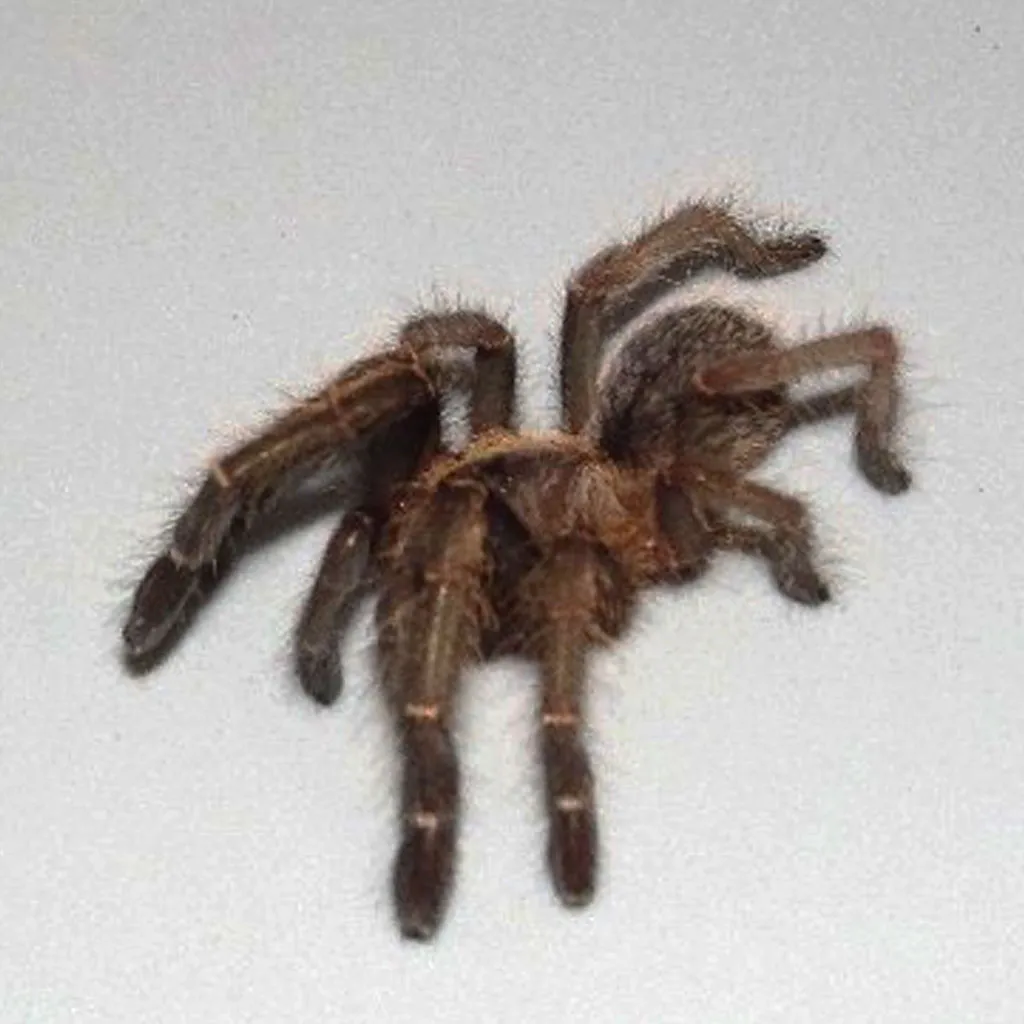
Black and Gold Tarantula Overview
The Black and Gold Tarantula, scientifically known as Cyriocosmus elegans, is a captivating species for tarantula enthusiasts. These spiders are admired for their striking black coloration contrasted with vibrant gold markings on their carapace and legs. Originating from South America, specifically countries like Brazil and Venezuela, these arachnids are relatively small, making them manageable pets for those new to the hobby. Their docile nature and unique appearance contribute to their popularity as captive pets, though proper care is essential for their well-being. This comprehensive care guide will provide you with all the information you need to successfully keep a Black and Gold Tarantula.
Appearance and Identification
Identifying a Black and Gold Tarantula is straightforward due to its distinctive coloration. The body is primarily black, with a velvety texture, and the legs and carapace (the top part of the cephalothorax) display bright gold or yellow markings. The abdomen is typically black, with some individuals exhibiting a subtle pattern of lighter hues. Adult females usually reach a leg span of about 2-3 inches, while males are slightly smaller. Their size and striking coloration make them easily distinguishable from other tarantula species. It’s important to note that the intensity of the gold markings can vary between individuals, but the overall contrast is always present.
Habitat and Housing

Creating a suitable habitat is crucial for the well-being of your Black and Gold Tarantula. These tarantulas are fossorial, meaning they are burrowers, so their enclosure should accommodate their natural behavior. A secure and appropriately sized enclosure, along with proper substrate, temperature, and humidity, will ensure your tarantula thrives in captivity. The enclosure size should be appropriate for the tarantula’s size, with enough space for burrowing and exploring.
Enclosure Setup
For juvenile tarantulas, a deli cup or small, clear plastic container with ventilation holes is suitable. As the tarantula grows, a terrarium or plastic enclosure measuring approximately 10 gallons (e.g., 12x12x12 inches) is a good choice. Ensure the enclosure has a secure, escape-proof lid. The enclosure should be well-ventilated to prevent the build-up of excessive humidity. A front-opening enclosure is ideal for easy access for feeding and maintenance. Avoid glass enclosures for young spiderlings, as they can be harder to maintain humidity in.
Substrate and Decor
A deep substrate layer is essential to allow your Black and Gold Tarantula to burrow. A mix of peat moss, coco fiber, and a small amount of vermiculite or sphagnum moss works well. The substrate should be at least 4-6 inches deep to allow for burrowing. Provide a hide, such as a piece of cork bark or a hollow log, to offer a safe retreat. Artificial plants can be added for aesthetic purposes, but avoid sharp decorations. Ensure the enclosure is free from any potential hazards that could harm the tarantula.
Temperature and Humidity

Maintain a temperature range of 75-80°F (24-27°C). Supplemental heating, such as a heat mat on the side of the enclosure (not underneath, to avoid overheating), may be needed if the ambient room temperature is too low. The Black and Gold Tarantula thrives in humidity levels of 60-70%. Mist the enclosure lightly once or twice a week, or as needed, to maintain the appropriate humidity. Adequate ventilation is also important to prevent mold growth. Use a hygrometer to monitor humidity levels.
Feeding Your Black and Gold Tarantula
Proper feeding is crucial for the health and longevity of your Black and Gold Tarantula. They are voracious eaters and require a diet that meets their nutritional needs. Providing the correct food items and feeding frequency ensures they remain healthy and active. Overfeeding can be as detrimental as underfeeding, so balance is key.
What to Feed
The primary diet of a Black and Gold Tarantula consists of insects. Good choices include crickets, mealworms, roaches (such as Dubia roaches), and other readily available feeder insects. Variety is key, as it provides a broader range of nutrients. Ensure that feeder insects are gut-loaded (fed a nutritious diet) before offering them to your tarantula. Avoid feeding wild-caught insects, as they may carry parasites or pesticides.
Feeding Frequency

Juvenile tarantulas should be fed 2-3 times per week, while adult tarantulas can be fed once or twice a week. The frequency depends on the size and metabolism of the tarantula. Remove any uneaten food within 24 hours to prevent mold growth and potential hazards. Observe your tarantula’s abdomen – if it is plump, it is well-fed. Adjust feeding accordingly. Always provide a water source.
Watering and Hydration
Provide a shallow water dish with fresh, clean water at all times. Use a bottle cap or a small, shallow dish to prevent the tarantula from drowning. Regularly check and refill the water dish to ensure it is always available. Mist the enclosure lightly once or twice a week to maintain humidity, especially during molting periods. A moist substrate helps the tarantula stay hydrated.
Handling and Interaction
Black and Gold Tarantulas are generally docile, but handling them should be approached with caution. While they are not known for being aggressive, they can still bite if they feel threatened. Understanding the potential risks and practicing safe handling techniques is essential. It is always best to observe the tarantula and understand its behavior before considering any interaction.
Handling Considerations

Handling is generally discouraged unless absolutely necessary (e.g., for enclosure maintenance or health checks). If you must handle your tarantula, do so near a soft surface, such as a bed or a low table, to minimize the risk of injury if it falls. Use a soft brush to gently coax the tarantula onto your hand. Never grab or squeeze the tarantula, as this could injure it. Always wash your hands before and after handling your tarantula.
Toxicity and Safety
The Black and Gold Tarantula’s bite is not considered medically significant to humans, though it can cause localized pain, redness, and itching. However, the tarantula’s urticating hairs (tiny, barbed hairs on its abdomen) can cause skin irritation if they come into contact with skin. Avoid touching the abdomen. If exposed to the hairs, wash the affected area thoroughly with soap and water. Keep the enclosure away from children and pets. Never let a tarantula roam freely.
Health and Common Issues
Like all pets, Black and Gold Tarantulas are susceptible to health issues. Maintaining proper care, including a clean and appropriate environment, proper diet, and appropriate humidity and temperature levels, can help prevent many common issues. Regular observation is essential to detect any signs of illness or stress early on.
Shedding and Molting

Tarantulas shed their exoskeleton as they grow. This process, known as molting, is crucial for their growth and health. During molting, the tarantula will typically stop eating and may spend a lot of time hiding. Provide extra humidity during the molting process. Do not disturb your tarantula while it is molting. Once the molt is complete, the tarantula’s new exoskeleton will be soft. Wait a few days before feeding it again to allow the new exoskeleton to harden completely.
Common Diseases and Prevention
Common issues include fungal infections and mite infestations. Overly humid conditions and poor ventilation can lead to fungal infections. Ensure proper ventilation and avoid over-misting the enclosure. Mites can be introduced through new substrate or feeder insects. Quarantine new additions and inspect them carefully. Regular cleaning of the enclosure can help prevent the build-up of waste and reduce the risk of disease. If you notice any signs of illness, such as lethargy, loss of appetite, or unusual behavior, consult a veterinarian experienced in exotic animals or a tarantula expert.
Breeding Black and Gold Tarantulas
Breeding Black and Gold Tarantulas is a rewarding but challenging endeavor. It requires a good understanding of tarantula behavior, proper care, and a commitment to providing the right environment for successful mating and egg sac production. Breeding should only be attempted by experienced keepers. Proper planning and research are essential before attempting to breed these spiders.
Sexing the Tarantula

Sexing Black and Gold Tarantulas can be done by examining the molt. After a molt, the presence of spermathecae (sperm storage organs) is a telltale sign of a female. Male tarantulas have modified pedipalps (the small appendages near their mouth), which appear swollen and are used for mating. Examining the underside of the tarantula with a strong light can sometimes reveal the presence of a spermatheca.
Mating Process
The mating process involves carefully introducing a male and a receptive female. This should be done in a controlled environment, preferably the female’s enclosure. Monitor the interaction closely. The male will typically drum on the substrate to signal his intentions. If the female is receptive, the mating process will occur. After mating, remove the male to prevent him from being eaten by the female. The female will then produce an egg sac, which she will guard until the spiderlings hatch. Raising spiderlings requires specialized knowledge and care.
Conclusion
The Black and Gold Tarantula is a beautiful and fascinating pet that can bring enjoyment to any spider enthusiast. By following this care guide, you can provide your tarantula with a healthy and enriching life. Remember that consistent care, attention to detail, and observation are key to success. Enjoy the unique beauty and fascinating behavior of your Black and Gold Tarantula.