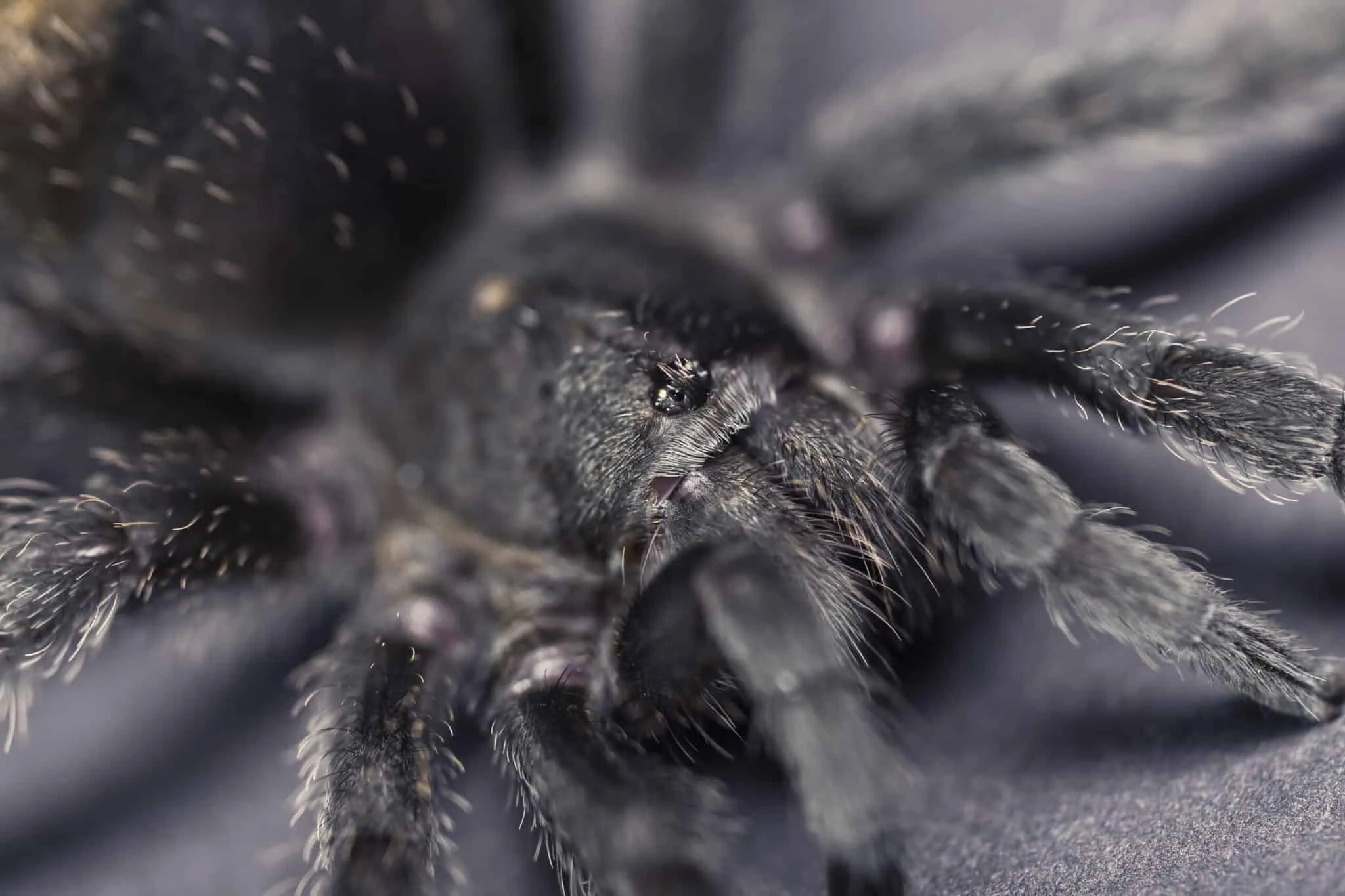
The Brazilian Black Tarantula spiderling, with its striking ebony coloration, makes a fascinating pet for arachnid enthusiasts. However, the successful rearing of these tiny creatures requires diligent care and attention to detail. This guide provides five essential tips to help you provide the best possible environment for your Black Tarantula spiderling, ensuring its health and longevity. From enclosure setup to feeding and environmental control, these tips are designed to give your spiderling the best start in life and enhance your enjoyment of this unique pet. Remember, consistent care is key to raising a healthy and thriving tarantula.
Choosing the Right Enclosure for Your Black Tarantula Spiderling
The first and arguably most critical step in caring for your Black Tarantula spiderling is selecting the appropriate enclosure. The right habitat provides a safe and secure environment, allowing your spiderling to thrive. It needs to be appropriately sized, well-ventilated, and designed to maintain the necessary temperature and humidity levels. Choosing the wrong enclosure can lead to stress, health issues, and even escape, so this decision should be given careful consideration. It is also essential to consider the growth of the spiderling, as the enclosure will need to be upgraded as it matures.
Size Matters for Spiderling Enclosures
For spiderlings, a smaller enclosure is generally better than a larger one. A container that’s too big can make it difficult for the spiderling to find food, which can be stressful. A good rule of thumb is to choose an enclosure that is roughly three times the spiderling’s leg span in width and length. This provides enough space for movement, exploration, and the creation of a burrow or hiding place without overwhelming the spiderling. As your tarantula grows, you will need to upgrade to larger enclosures to accommodate its size and needs.
Ventilation is Key

Adequate ventilation is crucial for preventing mold and mildew growth, which can be detrimental to your spiderling’s health. The enclosure should have cross-ventilation, meaning that air can flow in one side and out the other. This can be achieved through a combination of vents on the sides, top, or front of the enclosure. Avoid enclosures that trap moisture, as this can lead to respiratory problems and other health issues. Ensure the ventilation is secure enough to prevent escapes while still providing ample airflow. Regular inspection of the enclosure for condensation and mold is also recommended.
Substrate Selection for Black Tarantula Spiderlings
The substrate, or bedding, in your Black Tarantula spiderling’s enclosure serves several vital purposes. It provides a comfortable surface for walking and burrowing, helps to maintain humidity levels, and offers a sense of security for your spiderling. The ideal substrate should be able to retain moisture without becoming waterlogged, allowing for proper humidity control. It should also be non-toxic and free from pesticides or other harmful chemicals. The choice of substrate can significantly impact the overall well-being of your tarantula, so it is crucial to select the right one.
Ideal Substrate Types for Spiderlings
For Brazilian Black Tarantula spiderlings, a mix of substrate is generally recommended to achieve the best results. A good base often includes a blend of peat moss, coco fiber, and a small amount of vermiculite. Peat moss is excellent for moisture retention, while coco fiber offers good texture for burrowing. Vermiculite can help regulate humidity levels. Avoid substrates that contain wood chips or bark, as these can be harmful if ingested and may not hold humidity well. The substrate should be deep enough for the spiderling to burrow, typically 2-4 inches depending on the size of the enclosure.
Maintaining Substrate Humidity

Humidity is critical for the health and molting process of your Black Tarantula spiderling. To maintain the correct humidity levels, lightly mist the substrate with dechlorinated water every few days, or as needed, to keep it slightly damp. The frequency will depend on the ventilation of the enclosure and the ambient humidity of your home. Avoid over-misting, which can lead to mold growth. A hygrometer can be used to monitor the humidity levels, aiming for 70-80% humidity. Also, provide a water dish for the spiderling, and replenish when needed, to help maintain the right level of humidity.
Feeding Your Black Tarantula Spiderling: What & How Often
Proper feeding is essential for the growth and health of your Black Tarantula spiderling. The right diet and feeding schedule will ensure it receives the necessary nutrients for development. Spiderlings have specific dietary needs, so understanding what to feed and how often is crucial. Overfeeding can lead to stress and health problems, while underfeeding can stunt growth. This section covers the best food items and feeding frequencies to keep your spiderling thriving. Be mindful of the size of the prey item in relation to your spiderling, to ensure it can be consumed safely.
Appropriate Food Items for Spiderlings
Spiderlings primarily feed on live insects. The best food choices include small crickets, flightless fruit flies, and pinhead mealworms. Always ensure the insects are gut-loaded before feeding them to your spiderling. Gut-loading involves feeding the insects nutritious food, such as vegetables and insect food, before offering them to your tarantula. This ensures your spiderling receives the essential vitamins and minerals. Avoid feeding your spiderling wild-caught insects, as they may carry parasites or pesticides that can harm your pet. Always remove any uneaten prey items after 24 hours to prevent stressing your tarantula.
Feeding Frequency Based on Spiderling Size

The feeding frequency depends on the spiderling’s size and growth rate. Newly hatched spiderlings can be fed every other day, while older spiderlings may only need to be fed once or twice a week. Monitor your spiderling’s abdomen. A well-fed spiderling will have a plump abdomen. If the abdomen appears too small, increase the feeding frequency. If it’s very large, reduce the feedings. Always provide a water source after feeding, and make sure to remove any uneaten prey. Adjust the feeding schedule as your spiderling molts and grows, gradually decreasing the frequency as it matures.
Providing Water for Your Black Tarantula Spiderling
Access to fresh, clean water is crucial for the survival of your Black Tarantula spiderling. Water is essential for hydration, molting, and overall health. Spiderlings can easily become dehydrated in a dry environment, which can lead to serious health complications. Providing water might seem straightforward, but there are specific methods to make sure your spiderling can drink without risking its safety. This section addresses the best ways to provide water and keep your spiderling hydrated.
Water Dish Options
The water dish should be shallow enough to prevent drowning, especially for smaller spiderlings. Small bottle caps or shallow dishes specifically designed for reptiles and invertebrates work well. Always use dechlorinated water. You can purchase water conditioners at most pet stores. Replace the water frequently to keep it clean and prevent the growth of bacteria or algae. Consider using a small sponge or pebbles in the water dish to provide a safe drinking area for smaller spiderlings, reducing the risk of accidental drowning. Keep the water dish away from direct heat sources to prevent evaporation.
Preventing Drowning

Drowning is a significant risk for spiderlings. To minimize the risk, choose shallow water dishes and provide a safe way for the spiderling to drink. You can add small pebbles or a sponge to the water dish, which will allow the spiderling to drink without the risk of falling in. Regularly check the water dish to ensure it’s clean and that no substrate has fallen in, as this can also make it difficult for the spiderling to drink safely. Make sure the water dish is easily accessible but not too close to heat sources that could cause the water to evaporate quickly.
Maintaining the Ideal Temperature & Humidity
Brazilian Black Tarantula spiderlings thrive within a specific range of temperature and humidity. Maintaining these conditions is critical for their overall health, molting process, and general well-being. The ideal environment mimics the spiderling’s natural habitat. This section provides insights into how to monitor and create the right conditions for your pet, ensuring its comfort and survival. Regular checks and adjustments will help ensure your spiderling’s needs are consistently met.
Monitoring Temperature and Humidity
Use a reliable thermometer and hygrometer to monitor the temperature and humidity levels in the enclosure. These instruments should be placed within the enclosure itself to get an accurate reading of the environment. The ideal temperature range for Black Tarantula spiderlings is typically between 75-85°F (24-29°C), although it can vary slightly. Humidity should be maintained between 70-80%. Digital thermometers and hygrometers are recommended for their accuracy. Record the readings regularly to detect any fluctuations and make necessary adjustments to the environment.
Creating the Right Environment

To create the right environment, you may need to use a heat source and adjust ventilation. A small heat mat placed on the side or back of the enclosure can help maintain the desired temperature. Ensure the heat source doesn’t directly contact the enclosure. Regulate humidity by misting the substrate and ensuring good ventilation to prevent mold. Proper ventilation is essential, but make sure it doesn’t dry out the environment too quickly. Regularly check and adjust the heat and humidity to keep them within the ideal range for your Black Tarantula spiderling. Providing a consistent environment will contribute to a healthy and happy spiderling.
Caring for a Brazilian Black Tarantula spiderling can be a rewarding experience. By following these five essential care tips, you can provide your spiderling with a safe, healthy, and stimulating environment. Remember to always research and learn about your pet’s specific needs. Regularly observe your spiderling, monitor its environment, and make adjustments as needed. With consistent care, you can ensure your Black Tarantula spiderling thrives for years to come.