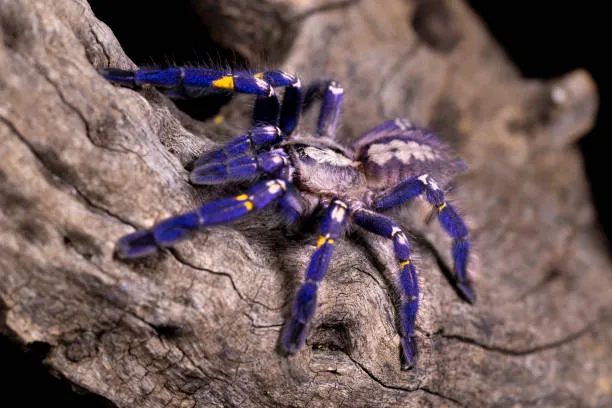
What is a Blue Tarantula
The Blue Tarantula, scientifically known as Cyriopagopus sp. ‘Blue’, is a highly sought-after species in the tarantula hobby. These stunning arachnids are prized for their vibrant blue coloration, which makes them stand out among other tarantula species. Originating from Southeast Asia, they are known for their striking appearance and intriguing behaviors. Despite their beauty, owning a Blue Tarantula requires understanding their specific needs and careful attention to their care. Their unique characteristics and the care required make them a fascinating subject for both beginner and expert arachnid enthusiasts. This guide will delve into the top seven facts about these captivating creatures, providing valuable insights into their world.
Appearance and Characteristics
The most distinctive feature of the Blue Tarantula is its striking blue coloration, which can range from a pale, iridescent hue to a deep, saturated blue. This coloration is not a pigment but a result of the structure of the hairs on the tarantula’s body, which diffract light to create the blue appearance. These tarantulas have a robust build, with relatively long legs compared to their body size. They typically have a carapace, legs, and abdomen covered in fine hairs. Their overall appearance is a combination of beauty and functionality, perfectly adapted for their environment and lifestyle. The males and females can have slightly different colorations, and this also can vary depending on the maturity of the tarantula.
Color Variations

The intensity of the blue coloration can vary among individual Blue Tarantulas. Some specimens exhibit a lighter, more silvery-blue appearance, while others display a more intense, almost electric-blue color. These variations can be influenced by factors such as genetics, age, and the tarantula’s overall health and well-being. It’s not uncommon to observe differences in color even within the same clutch of spiderlings. The best color develops as they mature, and well-cared-for tarantulas typically display the most vibrant hues. The blue coloration is a key aspect of their appeal, making them a favorite among tarantula enthusiasts around the world.
Habitat and Distribution
Blue Tarantulas are native to Southeast Asia. Their natural habitat provides essential insights into their care requirements in captivity. Understanding their habitat is key to replicating the ideal conditions for their survival and well-being. These spiders have very specific needs, and keeping them healthy involves attention to detail. They thrive in environments that mimic their natural surroundings, providing the best possible living conditions. This knowledge helps ensure a long and healthy life for these unique tarantulas. Without proper care, their health can suffer, but replicating their natural habitat in captivity is achievable.
Natural Habitat
In the wild, Blue Tarantulas are typically found in humid, tropical environments. They inhabit burrows in the ground, often near trees and other foliage, where they can find shelter from the elements. The specific microhabitats they occupy vary depending on their location, but generally, they prefer areas with high humidity and a consistent temperature. The forest floors and surrounding areas offer them an ideal environment, providing them with a place to hunt, hide, and thrive. These habitats also offer protection from predators and a steady supply of prey, crucial to their survival.
Geographical Distribution

Blue Tarantulas are primarily found in the tropical regions of Southeast Asia, specifically in countries like Thailand and Myanmar. Their geographical distribution is limited to specific areas within these regions, where the climate and environmental conditions are most suitable for their survival. These regions are known for their lush rainforests and high humidity, creating a perfect environment for the tarantulas. It is essential for conservation efforts that the spiders are carefully researched and their habitat is thoroughly protected. This ensures they are preserved for generations.
Behavior and Temperament
Blue Tarantulas are known for being defensive and fast, making them challenging to handle. Their temperament is a crucial factor in how they are kept, and a good understanding of this behavior is essential for any owner. They can display a range of behaviors, including fleeing, threat postures, and sometimes, biting if they feel threatened. Observation and caution are vital when interacting with these spiders. While not typically aggressive, they will defend themselves if they feel threatened. Providing them with a safe and secure environment is key to minimizing stress and maintaining their well-being. Learning their behaviors can help minimize risks and improve the experience.
Defensive Mechanisms
Like many tarantulas, Blue Tarantulas have defensive mechanisms to protect themselves from predators. They may flick urticating hairs from their abdomen, which can cause skin irritation. They also have the ability to bite, although bites are not typically life-threatening. They can also display a threat posture, raising their front legs and fangs to appear larger and more intimidating. Being aware of their defensive mechanisms and acting accordingly is crucial to avoid any incidents. Respecting their space and understanding their behaviors will reduce the chances of any adverse interactions. These actions are their natural defense against perceived threats.
Hunting and Feeding Habits

Blue Tarantulas are opportunistic hunters, primarily feeding on insects. They will ambush their prey, using their venom to subdue it. In captivity, they can be fed a variety of insects, such as crickets, roaches, and mealworms. The frequency of feeding depends on the size and age of the tarantula. Younger tarantulas require more frequent feedings compared to adults. Providing a diverse diet ensures they get the necessary nutrients. Proper feeding practices are crucial for maintaining their health and promoting growth. Also, they usually stop eating when about to molt, which is a normal process.
Life Cycle and Breeding
The life cycle of a Blue Tarantula involves several stages, from egg to adult. They undergo a series of molts as they grow, shedding their exoskeleton to reveal a larger one. Breeding Blue Tarantulas can be challenging, but it can be rewarding. Understanding the life cycle and the molting process is essential for successful care and breeding. The molting process is a critical part of their growth, while breeding involves careful planning and attention to detail. The Blue Tarantula has a relatively long lifespan, typically spanning several years, and with proper care, they can thrive.
Moulting Process
Molting is a natural process where Blue Tarantulas shed their exoskeletons to grow. This process can be stressful for the tarantula, and they are vulnerable during this time. It is important to maintain appropriate humidity levels and avoid disturbing them during molting. The molting process can take several hours or even days. Providing a safe environment during this time is critical. After molting, the tarantula’s new exoskeleton will be soft, and they need time to harden before they resume normal activities. Careful observation and minimal interference during molting are essential.
Breeding Behavior

Breeding Blue Tarantulas requires careful preparation and understanding of their behavior. The female must be receptive and the male must be introduced in a safe manner. The breeding process can involve several steps, including courtship, mating, and egg sac production. The eggs are encased in an egg sac, which the female guards until the spiderlings hatch. Raising spiderlings to maturity requires specialized care and attention. Providing proper humidity, temperature, and food is important. Success depends on careful planning and creating a favorable environment for both the adult spiders and their offspring.
Care and Keeping of Blue Tarantulas
Caring for a Blue Tarantula requires attention to detail, including providing an appropriate enclosure, maintaining proper temperature and humidity levels, and providing a suitable diet. They are not the easiest tarantulas to care for, requiring some experience. Owners should also be aware of potential health issues and preventative measures. A successful tarantula keeper knows how to observe their spider’s behavior and quickly address any issues. The most important aspect of caring for a Blue Tarantula is providing a safe and comfortable environment. This promotes good health and enhances the overall enjoyment of ownership. Careful attention to the spider’s needs is key.
Enclosure Requirements
The enclosure should be appropriately sized to prevent falls. They can be housed in a secure glass or plastic terrarium. Ventilation is crucial, but it should not be excessive to maintain humidity. Substrate should be several inches deep to allow the tarantula to burrow. The enclosure should also include a hide, such as a piece of cork bark, to provide a secure retreat. The enclosure must be escape-proof and easily accessible for feeding and maintenance. Correct enclosure requirements will ensure their security. They should be able to move freely while being safe. A well-designed enclosure mimics their natural habitat.
Substrate and Decorations

The substrate should be a mix of materials to help maintain humidity. Coconut fiber, peat moss, and sphagnum moss are good choices. Decorations can include pieces of cork bark, artificial plants, and rocks. These items provide hiding places and enrichment for the tarantula. The substrate should be kept slightly moist but not waterlogged. Regular cleaning of the enclosure is essential to maintain cleanliness. Changing the substrate regularly prevents the buildup of waste. Proper substrate and decorations are crucial. They can add to the well-being of the tarantula.
Temperature and Humidity
Blue Tarantulas thrive in temperatures between 75-85°F (24-29°C). Humidity levels should be kept between 70-80%. Regular misting and a water dish will help maintain these conditions. Using a thermometer and hygrometer to monitor temperature and humidity is crucial. Proper temperature and humidity levels are vital for their overall health and well-being. Low humidity can cause molting issues, while excessively high humidity can lead to mold. Maintaining the correct levels is important. This will allow them to thrive in a captive environment.
Feeding and Diet
Provide a varied diet of insects, such as crickets, roaches, and mealworms. The frequency of feeding should be adjusted based on the tarantula’s age and size. Young spiderlings require more frequent feedings, while adults can be fed less often. Offer appropriately sized prey to prevent any issues. Remove any uneaten prey to avoid stress and the buildup of waste. Supplementing their diet with occasional calcium-dusted insects can be beneficial. Observe their eating habits. Proper feeding practices help in their growth.
Watering and Hydration

Always provide a shallow water dish with fresh water. Keep the water clean. They drink from the water dish, and it also helps maintain humidity. Water should be replaced regularly to prevent bacterial growth. Young spiderlings may need a smaller dish. Regular hydration is crucial. This is essential for maintaining the tarantula’s health. Ensure that water is accessible at all times.
Health and Common Issues
Blue Tarantulas, like all tarantulas, can be susceptible to certain health issues. Understanding these common issues and how to prevent them is crucial for responsible ownership. Providing a clean and stress-free environment is one of the best ways to maintain their health. Regular observation and awareness of their normal behaviors will help detect potential problems early on. Proper care minimizes the risk of common health issues. Taking quick action helps to ensure they stay healthy.
Common Diseases and Ailments
Common issues include mites, fungal infections, and parasitic infestations. Mites can be introduced through contaminated substrate or prey. Fungal infections can occur due to poor ventilation or excessive humidity. Parasites are less common but can still pose a threat. Recognizing the signs of illness is important. Quarantine any new tarantulas. These can help to prevent issues.
Preventative Care
Preventive care includes maintaining a clean and healthy environment, providing a balanced diet, and quarantining new tarantulas. Regular cleaning of the enclosure is essential to prevent the buildup of waste and the growth of harmful organisms. Always source food from reputable suppliers. Observe the tarantula for any signs of illness, such as lethargy, loss of appetite, or unusual behavior. Prompt treatment will ensure the best outcome. By following preventative measures, the risk of illnesses will be lowered.
Conservation Status
The conservation status of the Blue Tarantula is an important consideration for any enthusiast. Understanding the threats they face in the wild is vital for responsible ownership and conservation efforts. This helps ensure the survival of the species. The Blue Tarantula is a species of concern due to its popularity in the pet trade and habitat loss. Awareness is vital for the future.
Threats to Blue Tarantula Populations
The primary threats to Blue Tarantula populations include habitat loss and the pet trade. Deforestation and destruction of their natural habitats reduce the available living space. Over-collection for the pet trade also poses a significant threat. Illegal and unsustainable collection practices harm their numbers. Conservation efforts are essential to mitigate these threats and protect their future. Understanding the threats helps in conservation.
Conservation Efforts
Conservation efforts include habitat preservation, sustainable pet trade practices, and public education. Supporting organizations that work to protect their habitats is crucial. Purchasing Blue Tarantulas from reputable breeders who practice ethical and sustainable breeding is also important. Educating others about the importance of conservation and responsible pet ownership can help. Conservation efforts also include supporting initiatives that protect their natural habitats. A collective effort will ensure their survival.