Understanding the Blue Tarantula
The Blue Tarantula, scientifically known as Chromatopelma cyaneopubescens, is a striking and popular pet spider, beloved for its vibrant blue coloration and relatively docile temperament. Native to the dry, scrubby regions of Venezuela and Trinidad, this arboreal tarantula offers a unique and rewarding experience for enthusiasts. Before acquiring a blue tarantula, it’s crucial to understand its specific needs and behaviors to ensure its well-being and longevity. These tarantulas are known for their beautiful coloration and are considered to be a good option for beginner tarantula keepers due to their generally calm demeanor. Learning about their natural habitat and needs sets the stage for providing appropriate care and a thriving environment for your pet.
What is a Blue Tarantula?
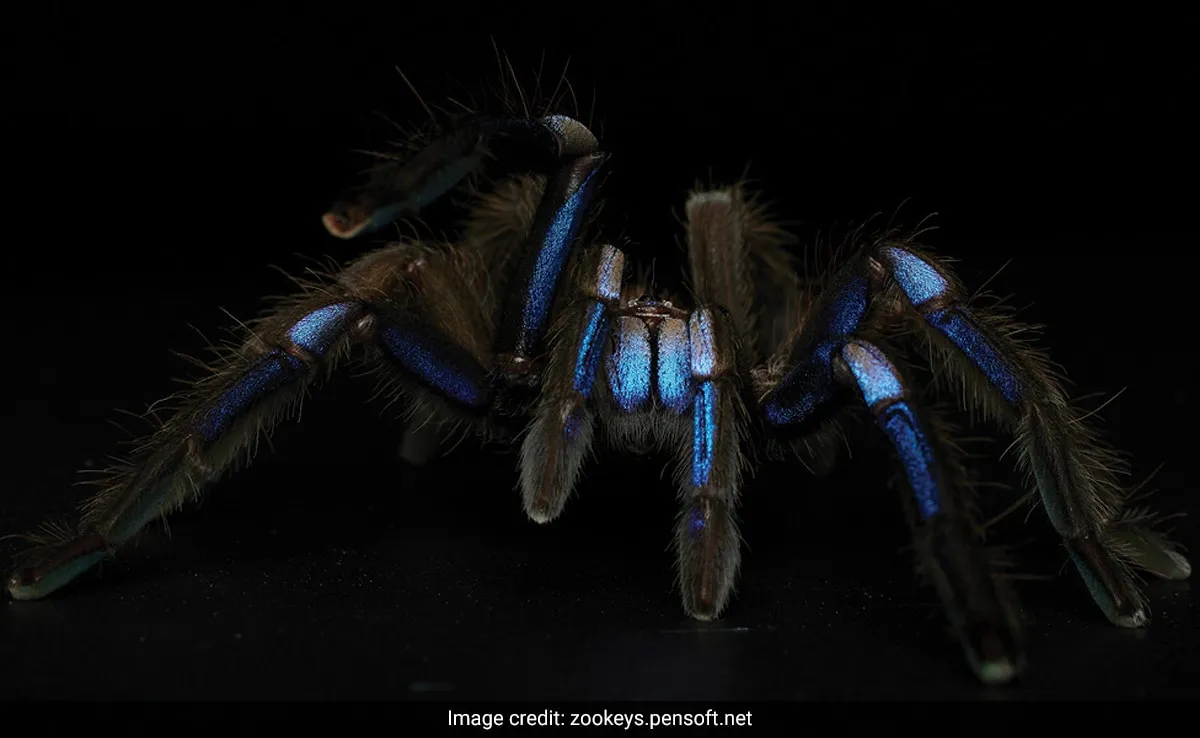
The Blue Tarantula, as the name suggests, is characterized by its stunning blue coloration, particularly on its legs and carapace. Their bodies are typically covered in a mixture of blue, orange, and red hairs, with the specific shades varying from spider to spider. These tarantulas are relatively large, with adult females reaching up to 6 inches in leg span. Males are typically smaller. They are known for their arboreal lifestyle, preferring to climb and explore, making them a visually interesting species to observe. This species is sought after by hobbyists due to the unique combination of vibrant colors and its manageable nature, making it a great choice for those looking to get into tarantula keeping.
Where do Blue Tarantulas Come From?

Blue Tarantulas originate from a specific geographical range, including the dry, scrubby regions of Venezuela and the island of Trinidad. In their natural habitat, they live in burrows or sheltered areas in trees and undergrowth. Understanding their natural habitat is important to replicate those conditions in captivity. The areas they live in are warm and dry, so replicating this is key to keeping your blue tarantula happy and healthy. Knowing their origin helps in understanding their need for specific humidity and temperature levels, substrate preferences, and other environmental conditions required for them to thrive.
Setting Up the Perfect Blue Tarantula Enclosure
Creating the perfect enclosure for your Blue Tarantula is paramount to its health and happiness. It should mimic its natural habitat, allowing it to thrive. Consider these factors carefully to provide the best possible environment for your pet. A well-designed enclosure not only offers a comfortable living space but also allows for easy observation and maintenance. Proper setup will ensure your tarantula can live a long and fulfilling life. The following are crucial aspects to take into consideration while constructing the ideal enclosure.
Enclosure Size and Type
As an arboreal species, Blue Tarantulas need a vertically-oriented enclosure. A good starting point is a terrarium that’s about 12x12x18 inches for juveniles, increasing as the tarantula grows. Ensure the enclosure is well-ventilated, with cross-ventilation to prevent stagnant air and the buildup of humidity. Clear, secure lids are essential to prevent escape. Glass or acrylic enclosures work well, allowing for easy viewing. The size should be appropriate for the tarantula’s size to provide enough space for movement and burrowing if needed. The enclosure’s design should make it easy to provide and maintain proper temperature and humidity, as well as offer a safe and stimulating environment.
Substrate Selection

The substrate is the foundation of the enclosure. A mix of substrate types helps the tarantula maintain proper moisture levels and also allows the tarantula to dig and explore. A suitable substrate for Blue Tarantulas should retain some moisture while allowing for good drainage. A mixture of coconut fiber, peat moss, and a small amount of vermiculite is often recommended. The substrate should be deep enough for the tarantula to burrow if it chooses, usually around 4-6 inches. Adding a few pieces of cork bark or other decorations can provide hiding places and climbing structures, which are important for the tarantula’s well-being. Avoid substrates that mold easily or are overly dusty, as these can pose health risks.
Temperature and Humidity Control
Blue Tarantulas thrive in warm and moderately humid environments. Maintain a temperature range between 75-85°F (24-29°C). Use a heat mat or a small ceramic heat emitter, placed on one side of the enclosure to create a thermal gradient. Always monitor the temperature with a thermometer. Humidity should be maintained at around 60-70%. This can be achieved by lightly misting the enclosure once or twice a week, especially during drier periods. Ensure proper ventilation to prevent mold growth. Using a hygrometer to measure humidity is highly recommended. Consistent monitoring of these environmental factors is essential for the tarantula’s health and comfort, and allows for early intervention if necessary.
Essential Care Tips for Blue Tarantulas
Providing the right care for your Blue Tarantula ensures a healthy and long life. Simple yet consistent care practices, including the following tips, are crucial for their well-being. It’s important to observe your tarantula regularly and become familiar with its behaviors, which will help you identify any potential issues. The more you learn about their behaviors and needs, the better equipped you will be to provide them with a good life. These tips will help you successfully keep and care for your Blue Tarantula.
Feeding Your Blue Tarantula

Blue Tarantulas are carnivores. Feed them a varied diet of appropriately sized insects, such as crickets, mealworms, and roaches. The size of the food should be no larger than the tarantula’s body. Feed juvenile tarantulas 2-3 times a week and adults once a week, adjusting the frequency based on their appetite and molt cycle. Remove uneaten food within 24 hours to prevent mold and mites. Providing a variety of insects is important to ensure the tarantula receives all necessary nutrients. Keep a close eye on the tarantula’s abdomen size – it should be relatively plump but not excessively so. Ensure that the insects are gut-loaded before being fed to your tarantula, to enhance their nutritional value.
Watering and Hydration
Clean, fresh water is essential. Provide a shallow water dish with a sponge or cotton ball to prevent drowning, especially for smaller tarantulas. Refill the water dish regularly, and clean it at least once a week. Lightly mist the enclosure once or twice a week, depending on the humidity levels. This will help maintain the required humidity levels and allow the tarantula to drink water droplets. Monitoring the water source and humidity levels ensures your tarantula stays properly hydrated, thus supporting their health and development. Make sure to provide a water source at all times, even if it’s just a small water dish.
Handling and Interaction
While Blue Tarantulas are generally docile, handling should be kept to a minimum, as it can stress the spider. If you must handle your tarantula, do so gently and slowly. Never force it to move. Always handle it over a soft surface, such as a bed or carpet, to minimize the risk of injury if it falls. Observe your tarantula’s behavior and body language; if it appears defensive, it is best to leave it alone. Be aware that tarantulas can drop from a height and may injure themselves. Washing your hands before and after interacting with your tarantula is also important. Handling should be a rare event, as it can be stressful and even potentially dangerous for the tarantula.
Maintaining a Clean Enclosure

Maintaining a clean enclosure is crucial for the health of your Blue Tarantula. Regularly remove uneaten food, molted exoskeletons, and any other debris. Spot-clean the enclosure weekly, removing any waste or soiled substrate. Replace the substrate every few months, or as needed, based on its condition. The frequency of cleaning depends on the size of the enclosure, the tarantula’s size, and feeding habits. Thorough cleaning helps prevent the buildup of bacteria, mites, and other potential health hazards, and is essential for the well-being of your pet. Proper hygiene minimizes the risks of diseases and parasites.
Common Health Issues
Like all pets, Blue Tarantulas can experience health issues. Recognizing these issues and taking preventative measures can ensure a healthy life. Being vigilant and knowing what to look for can make a big difference. Common issues include problems related to the molt cycle, parasites, and environmental factors. Early detection and intervention are vital for the tarantula’s health and well-being. Paying attention to these common health issues will help you identify potential problems.
Recognizing and Preventing Illness
Watch out for signs of illness like loss of appetite, lethargy, unusual behaviors, or changes in appearance. Difficulty molting, or a stuck molt, is a common problem. Ensure proper humidity and a suitable environment. Mites can infest the enclosure. Prevent this by maintaining a clean environment and quarantining new additions. Ensure that the tarantula is eating and drinking well. Always quarantine new tarantulas or feeders before introducing them to the enclosure. Prevention is key; a healthy, well-maintained environment is the best defense against illness. Understanding the signs of illness can help in early intervention.
When to Seek Veterinary Care

While tarantulas don’t need routine vet visits, knowing when to seek professional help is crucial. If your Blue Tarantula displays any severe symptoms, such as persistent loss of appetite, paralysis, or any unusual discharge or injuries, it is important to contact a vet. Most veterinarians are not specialized in tarantulas, so you may need to find an exotic animal specialist. Provide your veterinarian with as much detail as possible about your tarantula’s care and environment, including its enclosure setup, diet, and any recent changes. Early veterinary intervention can be crucial for treating serious illnesses or injuries, and may be necessary for the tarantula’s survival.
Breeding and Reproduction
Breeding Blue Tarantulas can be a rewarding experience for experienced keepers. However, it is essential to understand the process and the responsibilities involved. Success requires a thorough understanding of the spider’s life cycle and its specific needs. Breeding requires careful planning and attention to detail, so it’s not recommended for beginners. Before attempting to breed your Blue Tarantulas, learn about the process and make sure you’re prepared to handle both the adult tarantulas and any offspring.
Sexing Your Blue Tarantula
Determining the sex of your Blue Tarantula is essential for breeding. The most common way to sex a tarantula is by examining its molt. After the tarantula molts, the shed exoskeleton can reveal its sex. Examine the underside of the molt. Females will have a spermatheca (a small pouch) and males will not, or they will have hooks on their front legs. Ventral sexing is also possible for some experienced keepers, but it requires a calm tarantula and a close examination of the abdomen. Due to the risks involved, it is recommended that beginners do not attempt this.
The Breeding Process

Successful breeding requires careful planning. Introduce the female to the male in the male’s enclosure, and be prepared to separate them immediately if the female shows signs of aggression. If successful, the female will lay an egg sac. Provide a stable environment for the egg sac and monitor its development. The egg sac should be kept at the correct temperature and humidity levels. After the eggs hatch, the spiderlings will need their own enclosures and will require specialized care. Breeding Blue Tarantulas is a complex process and requires significant knowledge, space, and time, so it is only recommended for experienced keepers.
Conclusion
Caring for a Blue Tarantula can be an enjoyable and educational experience. By following these care tips, you can ensure that your pet has a long and healthy life. Remember that proper research and dedication are essential for successful tarantula keeping. Always be prepared to learn and adapt to the specific needs of your pet. The more you understand about the species, the better equipped you will be to enjoy the rewarding experience of owning a Blue Tarantula. Careful attention and consistent care will make your experience with this amazing species a success.