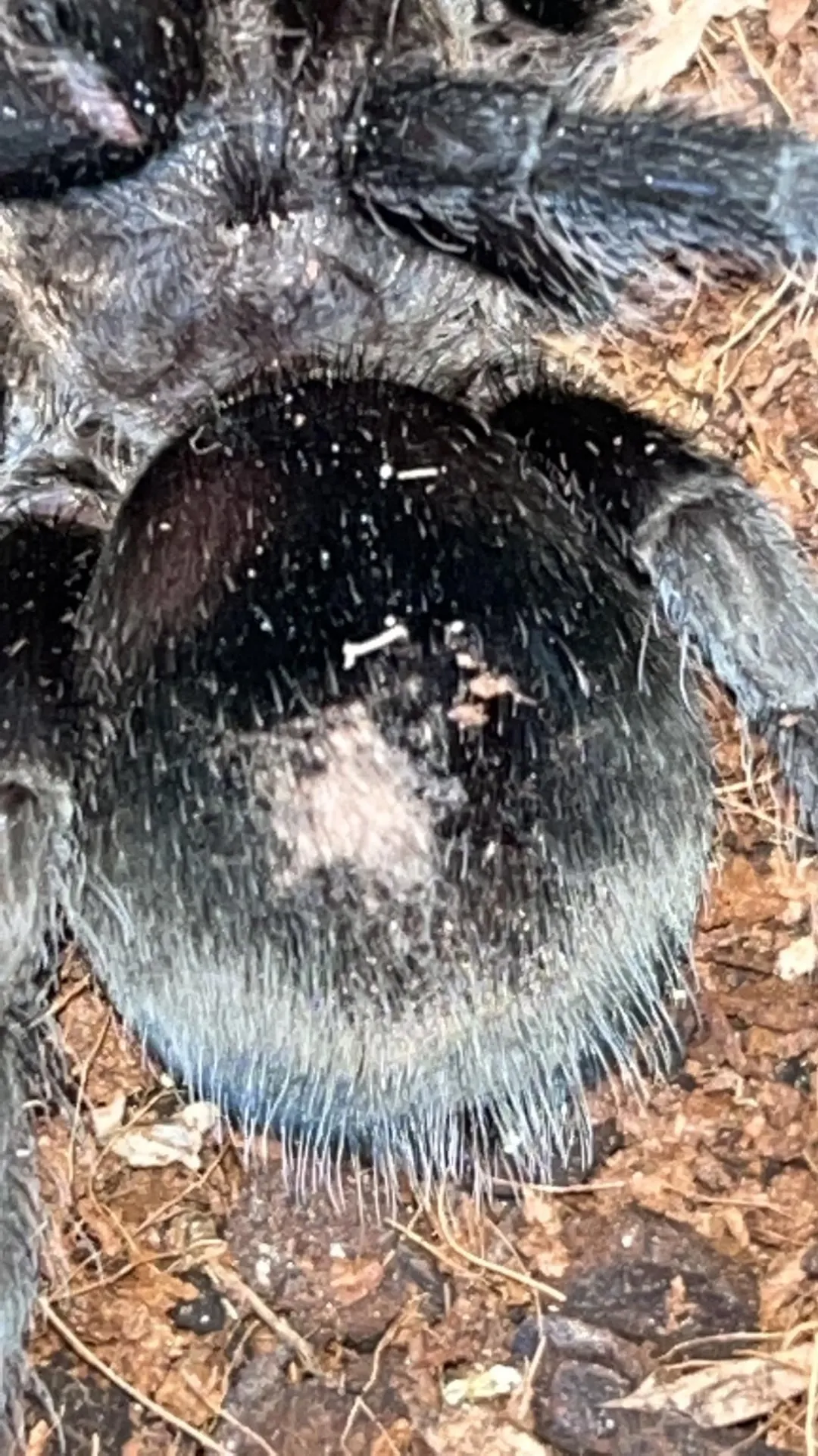
The Brazilian Black Tarantula (Grammostola pulchra) is a captivating arachnid, sought after by both novice and experienced tarantula keepers. Their docile nature and striking appearance make them a popular choice, but successful keeping requires a thorough understanding of their needs. This comprehensive care guide reveals the secrets to providing a thriving and happy life for your Brazilian Black Tarantula, covering everything from initial selection to advanced breeding techniques. By following these guidelines, you’ll unlock the secrets to a thriving tarantula.
Choosing Your Brazilian Black Tarantula
The journey to responsible tarantula ownership begins with selecting a healthy specimen. Careful observation at the point of purchase is crucial to ensuring your tarantula thrives in its new environment. Do not rush this step, and spend time looking for a spider that meets the criteria below. A healthy tarantula is a happy tarantula, and a healthy pet will mean less stress for you.
Selecting a Healthy Tarantula
When choosing your Brazilian Black Tarantula, look for an active spider with a full abdomen. Avoid individuals that appear sluggish or have a shriveled abdomen, as this could indicate dehydration or a lack of feeding. The tarantula should exhibit a natural defensive posture if gently prodded, not appearing lethargic or unresponsive. Furthermore, examine the tarantula for any signs of parasites or physical injuries. Be sure to also assess the environment that they are being kept in and evaluate how it is being maintained.
Identifying Key Characteristics

Key characteristics of a healthy tarantula include a shiny carapace (the top shell of the cephalothorax) and well-defined pedipalps and legs. Check for any missing limbs, although minor limb loss is common and generally not a cause for concern if the tarantula is otherwise healthy. The fangs should be intact and in good condition. Watch for any unusual behaviors such as excessive twitching or the inability to right itself when turned over. These symptoms can indicate underlying health issues. Select a spider that exhibits the typical qualities of the species, which are robust and easy to care for.
Quarantine and Acclimation
Upon bringing your new tarantula home, it’s essential to quarantine it for a short period. This isolation period helps prevent the spread of potential illnesses to other pets. Place the tarantula in its enclosure and observe its behavior for any signs of illness or stress. Allow it to acclimate to its new environment for a few days before handling or attempting to feed. This period allows the tarantula to adjust to its surroundings and reduce stress, promoting a smooth transition into your care. Provide a water source and maintain the appropriate humidity and temperature levels during this time.
Setting Up the Perfect Brazilian Black Tarantula Enclosure
Creating a suitable habitat is essential for the well-being of your Brazilian Black Tarantula. The enclosure should mimic its natural environment, providing adequate space, appropriate substrate, hiding places, and regulated temperature and humidity. A well-designed enclosure not only ensures the tarantula’s physical health but also contributes to its psychological well-being, allowing it to express natural behaviors and feel safe.
Choosing the Right Size Terrarium

The size of the terrarium is crucial. It should be large enough for the tarantula to move around comfortably, but not so large that it becomes difficult for the tarantula to find its prey. A good rule of thumb is to provide an enclosure that is at least three times the tarantula’s leg span in width and length. For a juvenile Brazilian Black Tarantula, a 10-gallon tank is usually sufficient. As the tarantula grows, you will need to upgrade to a larger enclosure, potentially a 20-gallon long or even larger for adult specimens. Always prioritize floor space over height, as these tarantulas are primarily terrestrial.
Substrate Selection and Depth
The substrate serves as the flooring of the enclosure, and it plays a vital role in maintaining humidity and providing a natural environment for your tarantula to burrow if it chooses. Suitable substrates include a mix of peat moss, coconut fiber (eco earth), and a small amount of vermiculite or sphagnum moss. This combination offers excellent moisture retention and allows for burrowing. The depth of the substrate should be at least 4-6 inches for juveniles and 6-8 inches or more for adults, allowing ample space for burrowing and providing a safe environment. Avoid using substrates like sand or gravel, which can be difficult to maintain and may pose a hazard to your tarantula.
Providing Hiding Places and Decor
Brazilian Black Tarantulas are known to be docile but still appreciate having a safe place to retreat. Providing a hide is essential for their psychological well-being. This can be as simple as a piece of cork bark, a hollow log, or a commercially available tarantula hide. Place the hide in a corner of the enclosure, allowing the tarantula to feel secure. You can also add other decorations such as artificial plants, rocks, or driftwood to create a more naturalistic environment. However, ensure that any decorations are securely placed to prevent them from falling and potentially injuring the tarantula. The key is to create a visually stimulating environment that provides security.
Maintaining Optimal Humidity and Temperature

Maintaining the correct humidity and temperature levels is crucial for the health of your Brazilian Black Tarantula. The ideal temperature range is between 75-85°F (24-29°C). Use a thermometer to monitor the temperature within the enclosure. For humidity, aim for 65-75%. This can be achieved by misting the enclosure with dechlorinated water every few days. The frequency of misting will depend on the ventilation in your enclosure and the humidity levels in your home. Use a hygrometer to monitor humidity levels and adjust misting accordingly. Proper ventilation is also important to prevent mold growth and ensure air circulation.
Feeding Your Brazilian Black Tarantula
Proper feeding is essential for the health and growth of your Brazilian Black Tarantula. Providing the right type of prey, at the correct frequency and portion size, will ensure your tarantula remains healthy and thrives. An underfed tarantula will fail to thrive, whereas an overfed tarantula can lead to health problems. It is all about finding the right balance.
Appropriate Prey Items
The Brazilian Black Tarantula is an opportunistic feeder, but its diet should primarily consist of insects. Suitable prey items include crickets, mealworms, dubia roaches, and other commercially available feeder insects. The size of the prey should be appropriate for the size of the tarantula. A good rule of thumb is to offer prey that is no larger than the tarantula’s body size. Avoid feeding wild-caught insects, as they may carry parasites or pesticides. Ensure that the prey insects are well-fed and gut-loaded with nutritious food before offering them to your tarantula, increasing the nutritional value for your pet.
Feeding Frequency and Portion Size

The feeding frequency depends on the tarantula’s age and size. Spiderlings (juvenile tarantulas) can be fed every other day. As they mature, the feeding frequency can be reduced to once or twice a week for adults. Observe your tarantula’s behavior to gauge its appetite. A tarantula that is always hungry will actively search for food. Remove any uneaten prey within 24 hours to prevent stress and potential injury to the tarantula. Adjust the portion size based on the tarantula’s size. Feed juveniles a few appropriately sized crickets or roaches. Adults can be fed larger prey items.
Water and Hydration
Providing fresh water is essential. A shallow water dish should be available at all times. The dish should be small enough to prevent the tarantula from drowning, but large enough to provide easy access to water. Use a sponge or small pebbles in the water dish to provide a better grip for the tarantula. Regularly refresh the water to prevent contamination and ensure that your tarantula stays hydrated. In addition to the water dish, misting the enclosure can also provide a source of hydration and help maintain humidity levels.
Handling and Interaction
While Brazilian Black Tarantulas are known for their docile nature, handling them is generally not recommended unless necessary. They are sensitive creatures, and unnecessary handling can cause stress and potentially lead to bites. It is important to remember that they are still wild animals, and their behavior can be unpredictable. That being said, with proper understanding and precautions, handling is possible.
Understanding Tarantula Behavior

Tarantulas communicate through body language. Observe your tarantula’s behavior to understand its mood. A tarantula that is defensive will raise its front legs, exposing its fangs. It may also flick hairs from its abdomen (urticating hairs) as a defense mechanism. If your tarantula exhibits these behaviors, it’s best to leave it alone. A relaxed tarantula will typically be calm and exhibit normal behaviors such as walking around the enclosure or sitting quietly. Understanding these behaviors can help you make informed decisions about interacting with your pet, minimizing stress and potential harm to both you and the tarantula. Learn the signs of stress and avoid causing them.
Safe Handling Techniques
If handling is unavoidable (e.g., during enclosure maintenance), do so with extreme caution. Gently coax the tarantula onto a wide, soft surface, such as your open hand, without sudden movements. Avoid placing your hand directly in front of the tarantula’s fangs. Always handle the tarantula close to the ground, so if it falls, the fall will be short. Never handle a tarantula if you are tired or distracted. Have a plan in place, and be aware of your surroundings. Be aware of your tarantula’s temperament, and always respect its space. Remember, tarantulas can be unpredictable, so it is essential to prioritize safety.
Common Health Issues and Prevention
Like all pets, Brazilian Black Tarantulas can be susceptible to certain health issues. Understanding these potential problems and implementing preventative measures is critical for maintaining your tarantula’s health and well-being. Early detection and treatment can make all the difference in a positive outcome, so vigilance is essential.
Recognizing Signs of Illness

Recognizing the signs of illness is essential for prompt treatment. Watch for loss of appetite, lethargy, unusual postures, or changes in behavior. A tarantula that is consistently refusing food, or displaying an uncharacteristic lack of movement should be monitored carefully. Look for signs of parasites, such as mites. Check for unusual discoloration, such as a darker abdomen or a lack of color in general. Physical injuries, such as a damaged leg or the inability to molt properly, should also be addressed. Any unusual behavior or physical changes warrant closer inspection and possible veterinary consultation.
Preventative Measures and Veterinary Care
Preventative measures include maintaining a clean and appropriate environment, providing a balanced diet, and avoiding unnecessary handling. Regular cleaning of the enclosure and removing any uneaten prey can help prevent the spread of disease. Ensure that the water source is clean and that the substrate is properly maintained. If you suspect your tarantula is ill, consult a veterinarian experienced in exotic animals or arachnids. Early veterinary care is important for proper diagnosis and treatment. Be prepared to provide information about your tarantula’s care and environment. Always quarantine any new tarantulas and closely monitor them for any signs of illness.
Breeding Brazilian Black Tarantulas
Breeding Brazilian Black Tarantulas can be a rewarding experience for experienced keepers. It is a complex process and requires significant knowledge and careful planning. It is important to be prepared to care for the offspring. This includes knowledge of the breeding process, environmental needs, and the resources required. Before considering breeding, ensure you have adequate experience keeping tarantulas and a thorough understanding of their requirements.
Determining Sex
Determining the sex of your tarantulas is a prerequisite for breeding. The most accurate method involves examining the exuviae (molted skin) of the tarantula. Female tarantulas have a spermatheca, a structure on the underside of the abdomen, which is visible on the exuviae. Males do not possess this structure. This is not possible until the tarantula is mature. Alternatively, if you are experienced, you may be able to determine sex by examining the tarantula directly, but this is not recommended for beginners. Careful observation and experience are key to this process.
Mating and Egg Sac Management
Mating Brazilian Black Tarantulas involves introducing a mature male to a mature female’s enclosure. The male will typically drum his pedipalps (the appendages near the mouth) to signal his intentions. If the female is receptive, she will allow him to mate. After mating, the male may be at risk of being eaten by the female and should be removed. The female will eventually produce an egg sac. The egg sac should be carefully removed and incubated under the correct conditions (temperature and humidity) to hatch the eggs. Once the spiderlings hatch, they will need to be separated and provided with their own individual enclosures. This requires a significant commitment and resources.
Caring for a Brazilian Black Tarantula can be an incredibly rewarding experience. By following this guide, you’ll have a solid foundation for providing a thriving life for your fascinating pet. Remember that patience, observation, and a commitment to learning are key to successful tarantula keeping. With proper care, your Brazilian Black Tarantula will be a source of fascination and enjoyment for years to come.