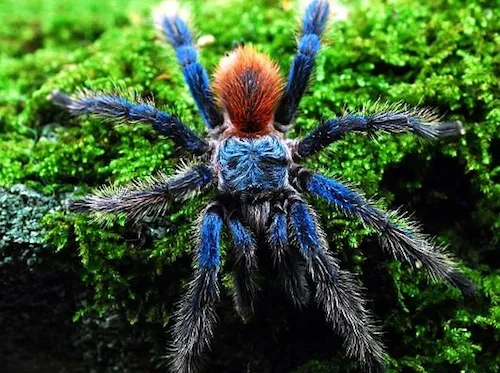
What is a Brazilian Blue Tarantula?
The Brazilian Blue Tarantula, scientifically known as Pterinopelma sazimai, is a captivating and sought-after species within the tarantula community. Originating from the Cerrado region of Brazil, these arachnids are admired for their striking blue coloration, a feature that distinguishes them from many other tarantula species. Their popularity stems not only from their aesthetic appeal but also from their relatively docile temperament, making them a popular choice for both novice and experienced tarantula keepers. This New World tarantula is a terrestrial species, primarily inhabiting ground-level environments within its native habitat. Its vibrant color, combined with its manageable size, makes it a fascinating subject for observation and care, contributing to its appeal among enthusiasts who appreciate the unique beauty and characteristics of the Brazilian Blue Tarantula. Furthermore, the species’ specific habitat and conservation status add an element of responsibility to its ownership, encouraging keepers to understand and support the preservation of its natural environment.
Appearance and Characteristics
The Brazilian Blue Tarantula is renowned for its mesmerizing blue coloration, which is most prominent in juveniles and can fade slightly with age. The intensity of the blue can vary depending on factors such as the tarantula’s age, health, and the lighting conditions. These tarantulas are medium-sized, with adult females typically reaching a leg span of about 5 to 6 inches. The coloration is often most vibrant on the legs, carapace, and abdomen, creating a stunning visual contrast. Their bodies are covered in fine hairs, which contribute to their overall appearance. The combination of their size, coloration, and overall appearance makes the Brazilian Blue Tarantula a highly attractive species for tarantula enthusiasts. The hairs also serve a sensory function, allowing them to detect vibrations and environmental changes within their enclosure, further highlighting the intricate design of these amazing creatures.
Identifying Features

Identifying the Brazilian Blue Tarantula involves recognizing several key features. The most distinctive characteristic is, of course, the blue coloration, which is typically most vivid in younger specimens. The carapace, legs, and sometimes the abdomen display this striking blue hue. Additionally, the overall size and body structure are important indicators; they are a medium-sized tarantula. The presence of urticating hairs (small, barbed hairs used for defense) on the abdomen is another characteristic, although this is common among New World tarantulas. The specific patterning and overall appearance of the Brazilian Blue are other indicators. However, the primary identifier remains the unique blue coloration, which sets them apart from many other tarantula species. Observing these traits in combination ensures correct identification, allowing enthusiasts to appreciate the unique beauty of this species.
Habitat and Distribution
Brazilian Blue Tarantulas are native to the Cerrado region of Brazil, a vast tropical savanna ecosystem. Their distribution is specific to this area, which provides the necessary environmental conditions for their survival. Within the Cerrado, they inhabit terrestrial environments, typically constructing burrows or utilizing natural shelters on the ground. The climate in this region is characterized by distinct wet and dry seasons, which significantly impacts the tarantulas’ behavior and activities. The specific habitat preferences of the Brazilian Blue reflect its adaptation to the Cerrado’s unique environment, which includes specific soil composition and vegetation. Understanding their habitat is crucial for providing appropriate care in captivity and supporting conservation efforts aimed at protecting their natural environment. This intricate knowledge highlights the importance of environmental factors in the survival and well-being of this species.
Native Environment
The native environment of the Brazilian Blue Tarantula is the Cerrado region of Brazil, a biome characterized by a diverse landscape of grasslands, savannas, and woodlands. The Cerrado’s climate is marked by distinct wet and dry seasons, which significantly influence the tarantula’s activities and behaviors. The soil in this region is generally sandy and well-drained, providing suitable conditions for burrowing, a common behavior among these tarantulas. The vegetation of the Cerrado includes a variety of grasses, shrubs, and scattered trees, which provide essential cover and shelter from predators and the sun. The humidity levels and temperatures fluctuate throughout the year, affecting the tarantulas’ activity levels and their need for hydration. The natural environment is crucial for their health and wellbeing. Understanding their native environment is essential for replicating the conditions in captivity. This ensures that these unique creatures thrive in their homes.
Lifespan and Growth

The Brazilian Blue Tarantula exhibits a typical lifespan for a tarantula of its size. Females can live for approximately 10 to 12 years, while males have a shorter lifespan, generally living for about 3 to 5 years. This difference in lifespan is common among many tarantula species. The growth rate of the Brazilian Blue Tarantula is influenced by various factors, including temperature, humidity, and feeding frequency. They undergo several molting stages throughout their lives, shedding their exoskeleton to grow. This process is essential for their development and allows them to increase in size. The rate of growth varies depending on the stage of life, with younger tarantulas molting more frequently than adults. Understanding the lifespan and growth patterns is vital for providing proper care. This includes appropriate housing, feeding, and environmental conditions, ensuring their well-being and longevity in captivity.
Average Lifespan
The average lifespan of a Brazilian Blue Tarantula varies between the sexes. Female tarantulas typically live for 10 to 12 years, while males have a considerably shorter lifespan, often ranging from 3 to 5 years. This difference is primarily due to the biological roles and reproductive processes of each sex. Females have a longer lifespan because they invest more in their growth and reproduction. Males, on the other hand, die shortly after reaching maturity. Factors such as diet, environmental conditions, and overall health can also influence a tarantula’s lifespan. Providing optimal care, including a proper diet, suitable housing, and a stable environment, can help to maximize their longevity. Understanding these varying lifespans is essential for responsible tarantula ownership, enabling keepers to prepare for the different stages of a tarantula’s life cycle.
Molting Process
The molting process is a fundamental part of the Brazilian Blue Tarantula’s life cycle, as it allows them to grow and replace their exoskeleton. During molting, the tarantula sheds its old exoskeleton, revealing a new, larger one underneath. This process is critical for their development because the exoskeleton does not grow with the tarantula. Before molting, the tarantula typically becomes less active, refusing food and sometimes retreating to a secluded area. The process itself can take several hours or even days, during which the tarantula is very vulnerable. After molting, the tarantula’s new exoskeleton is initially soft and delicate, gradually hardening over time. Keepers should provide a safe and stress-free environment during this period to ensure a successful molt. Molting frequency decreases as the tarantula ages, with younger tarantulas molting more often than adults. This process highlights the importance of appropriate care and maintaining stable environmental conditions for the tarantula’s well-being and growth.
Temperament and Handling

Brazilian Blue Tarantulas are generally considered to have a relatively docile temperament, which makes them a popular choice for tarantula keepers. While they are not typically aggressive, it’s essential to handle them with care and respect. Like all tarantulas, they can be skittish and may exhibit defensive behaviors if they feel threatened. They are known to be more prone to running away than biting. Safe handling requires a calm approach and should be limited to necessary situations, such as enclosure maintenance. Always handle them close to the ground or a soft surface to prevent injury in case of a fall. It is crucial to understand that tarantulas can be unpredictable and react differently based on individual personalities and environmental factors. It is recommended that you observe them closely and become familiar with their behavior before handling them, ensuring a positive experience for both the tarantula and the handler.
Defensive Behaviors
Brazilian Blue Tarantulas, while generally docile, may exhibit defensive behaviors when feeling threatened or stressed. These behaviors are their way of protecting themselves from potential danger. The most common defensive behaviors include flicking urticating hairs from their abdomen, raising their front legs in a threat pose, and attempting to flee. The urticating hairs can cause skin irritation. A raised threat pose signifies the tarantula’s readiness to strike or defend itself. Understanding these behaviors is vital for responsible tarantula ownership. Keepers should provide a secure and stress-free environment to minimize the likelihood of defensive actions. Avoid sudden movements and provide appropriate hiding places to help the tarantula feel safe and secure. By observing the tarantula’s body language and understanding its defensive behaviors, keepers can create a positive environment that ensures the safety and well-being of both the tarantula and the handler.
Venom Potency
The venom potency of the Brazilian Blue Tarantula is considered to be relatively mild compared to some other tarantula species. Their venom is not typically life-threatening to humans, but it can cause localized symptoms, such as pain, redness, and swelling at the bite site. The severity of the reaction can vary depending on the individual’s sensitivity and the amount of venom injected. While bites are rare, they can occur if the tarantula feels threatened or provoked. First aid for a bite should include cleaning the wound with soap and water and monitoring for any adverse reactions. Seeking medical attention is generally not necessary unless the symptoms become severe or systemic. However, it’s always prudent to consult a healthcare professional for advice. It is important to emphasize that the primary risk associated with these tarantulas is not their venom but rather the potential for falls and related injuries if mishandled.
Diet and Feeding Habits

The diet of the Brazilian Blue Tarantula mainly consists of insects, with a preference for appropriately sized prey. In their natural habitat, they would consume a variety of insects and other invertebrates. In captivity, a balanced diet is crucial for maintaining their health and well-being. This typically involves feeding them crickets, roaches, mealworms, or other commercially available insects. The size of the prey should be appropriate for the tarantula’s size, avoiding prey that is too large or too small. It is recommended to remove uneaten prey from the enclosure to prevent stress and potential harm to the tarantula. Supplementing their diet with occasional treats, such as a small piece of pre-killed pinky mouse, is generally acceptable, but should be given sparingly. Providing a nutritious and varied diet ensures that these creatures receive all the necessary nutrients for optimal growth and overall health, further highlighting the responsibilities of their care.
Feeding Frequency
The feeding frequency of the Brazilian Blue Tarantula varies depending on the tarantula’s age, size, and overall health. Younger tarantulas, which are in their growth phase, typically require more frequent feeding than adults. As a general guideline, spiderlings (young tarantulas) can be fed two to three times a week, while subadults and adults can be fed once or twice a week. It is crucial to observe the tarantula’s behavior and body condition to determine the appropriate feeding schedule. If the tarantula is consistently refusing food or appears overly full, it might be time to adjust the feeding frequency. Also, factors such as the upcoming molt can impact their appetite, so it’s not unusual for them to refuse food before they molt. Overfeeding can lead to obesity, while underfeeding can stunt growth. Providing fresh water at all times is essential, and this can be done by providing a shallow dish of water in their enclosure.
Suitable Prey
The ideal prey for a Brazilian Blue Tarantula consists of appropriately sized insects that are readily available and nutritious. The most common prey items include crickets, dubia roaches, and mealworms. Crickets are a widely accessible option and provide a good source of protein. Dubia roaches are another excellent choice due to their high nutritional value and ease of care. Mealworms are also suitable, although they have a harder exoskeleton. The size of the prey should be appropriate for the tarantula’s size, ideally no larger than the tarantula’s body. Avoid feeding the tarantula prey that is too large, as it can cause stress and potential injury. It is always advised to remove any uneaten prey after a reasonable period to prevent the prey from causing stress to the tarantula. Providing a variety of prey items ensures a balanced diet and prevents nutritional deficiencies, contributing to the tarantula’s overall health and well-being. Before feeding the tarantula, it’s helpful to gut-load the insects to increase their nutritional value.
Conservation Status

The conservation status of the Brazilian Blue Tarantula is not currently listed as threatened or endangered. However, it’s essential to monitor their population and habitat, as various factors could pose future risks. The Cerrado region, where they are native, is facing threats from deforestation and habitat loss due to agricultural expansion and urbanization. While the Brazilian Blue Tarantula itself may not be directly targeted, the destruction of its natural environment can indirectly impact its survival. Additionally, the collection of tarantulas for the pet trade can, in some instances, have an effect on wild populations, although this is regulated. Responsible tarantula keepers are encouraged to source their specimens from reputable breeders who prioritize ethical practices and sustainable breeding programs. Supporting conservation efforts focused on protecting the Cerrado ecosystem is also crucial for preserving the long-term survival of this unique and captivating species, ensuring that future generations can continue to admire its beauty and learn from its existence.
Threats to Survival
Despite the fact that Brazilian Blue Tarantulas are not currently classified as endangered, several threats could potentially impact their long-term survival. Habitat loss is a significant concern, as deforestation and the conversion of the Cerrado region into agricultural land reduce the available habitat for these tarantulas. Climate change also poses a potential threat, as alterations in temperature and rainfall patterns could affect the tarantulas’ habitat and food sources. While the legal pet trade is regulated, over-collection from the wild, although rare, could also impact their populations. Illegal activities, such as the illegal collection and trade of wild animals, may arise. Understanding these threats is critical for implementing effective conservation strategies. Promoting sustainable land management practices, supporting conservation initiatives, and raising awareness about the importance of the Cerrado ecosystem are essential steps in ensuring the survival of the Brazilian Blue Tarantula and other species that call this unique habitat home. Continuous monitoring of their populations and habitats is essential.
Conservation Efforts
Various conservation efforts are in place to protect the Brazilian Blue Tarantula and its native habitat. These efforts involve governmental organizations, non-profit groups, and individual researchers. One primary focus is on preserving the Cerrado ecosystem. Protecting the habitat involves establishing protected areas, promoting sustainable land management practices, and combating deforestation. Research plays a crucial role, as scientists study the tarantulas’ behavior, ecology, and population dynamics to inform conservation strategies. Public awareness campaigns are essential for educating people about the importance of biodiversity and the threats facing the Brazilian Blue Tarantula. Supporting sustainable pet trade practices is also important, ensuring that specimens are sourced from reputable breeders who prioritize ethical breeding and conservation. By supporting these efforts, we can contribute to the long-term survival of the Brazilian Blue Tarantula and other unique species. These actions collectively ensure that this amazing species continues to thrive in its natural habitat and that future generations can appreciate its beauty.