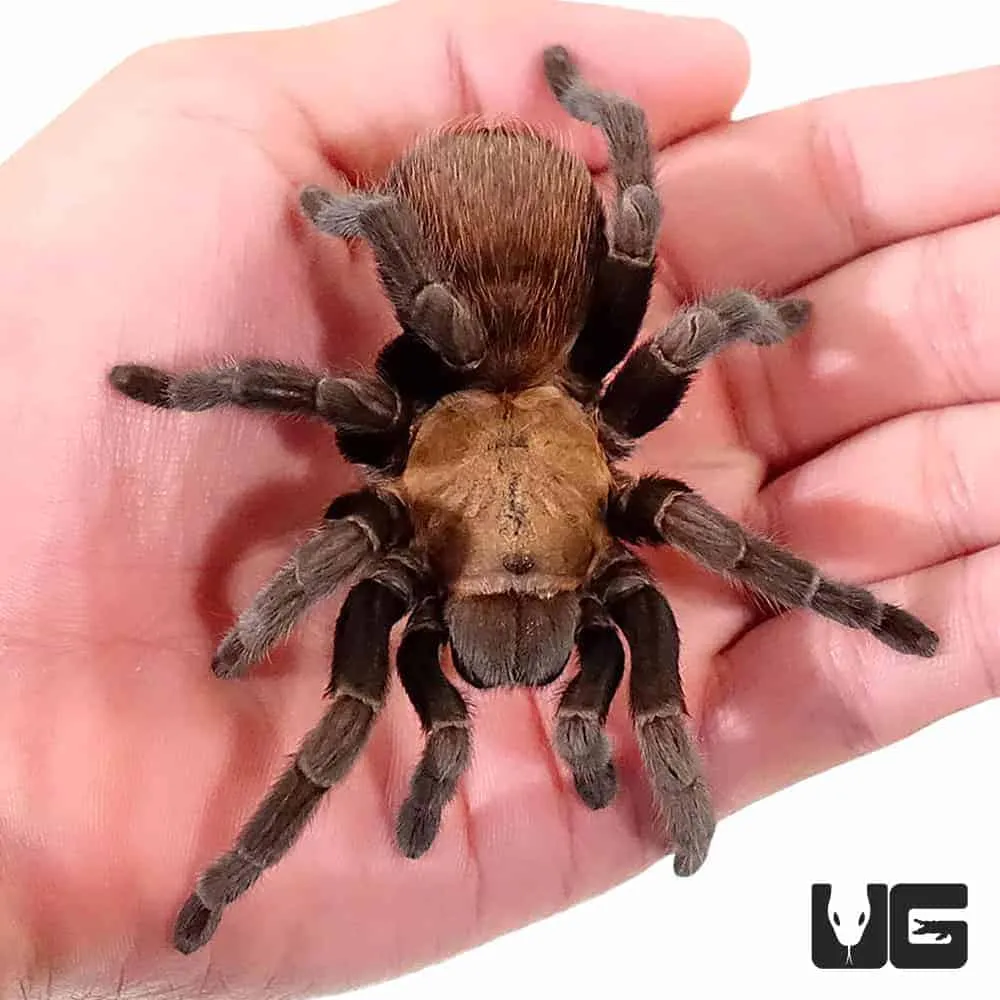
What is a Brown Tarantula
The term ‘brown tarantula’ generally refers to a variety of tarantula species that exhibit brown coloration. These spiders are popular in the exotic pet trade and are fascinating creatures to observe. They belong to the Theraphosidae family, which includes a diverse range of tarantula species found across the globe. They are characterized by their large size, hairy bodies, and relatively docile nature compared to some other arachnids. Their brown coloration provides effective camouflage in their natural habitats, allowing them to ambush prey and avoid predators. Understanding the basic characteristics of brown tarantulas is the first step in appreciating these remarkable arthropods and ensuring their well-being in both the wild and in captivity.
Appearance and Physical Characteristics
Brown tarantulas, like all tarantulas, have distinct physical features. Understanding their anatomy is essential for identification and appreciation. Their bodies are divided into two main parts the cephalothorax (fused head and thorax) and the abdomen. The cephalothorax houses the spider’s eyes, mouthparts, and legs, while the abdomen contains the digestive and reproductive organs. The entire body is covered in a dense layer of hairs, which serve as sensory organs and aid in defense. The size of a brown tarantula varies widely depending on the species, with some reaching impressive sizes, making them some of the largest spiders in the world. They also have fangs, used to inject venom into their prey, and pedipalps, used for sensing and manipulating objects.
Coloration and Size

The coloration of brown tarantulas typically ranges from light tan to dark chocolate brown, allowing them to blend seamlessly with their environment. The specific shade and pattern can vary considerably depending on the species, age, and even the individual spider. Some species exhibit subtle patterns, such as stripes or spots, while others have a more uniform appearance. Size is another key characteristic. Adult brown tarantulas can have leg spans ranging from a few inches to over 10 inches, depending on the species. Females are generally larger and more robust than males. Their impressive size and striking coloration make them a captivating sight for both arachnid enthusiasts and casual observers.
Identifying Features
Identifying brown tarantulas involves observing specific features beyond just their color. The arrangement of their eyes, the presence and pattern of hairs on their legs and body, and the shape of their pedipalps can all provide clues to their species. Examining the spinnerets, the organs used to produce silk, can also be helpful. Some species have distinct markings on their legs or carapace (the top of the cephalothorax). Comparing these features to species-specific guides or consulting with experienced arachnologists is the most reliable way to accurately identify a brown tarantula. Careful observation and attention to detail are key to appreciating the diversity and uniqueness of each species.
Habitat and Distribution
Brown tarantulas are found in various habitats across the world, from tropical rainforests to arid deserts. Their distribution is influenced by factors such as climate, prey availability, and suitable shelter. These spiders are typically terrestrial, meaning they live on the ground, but some species are arboreal, preferring to live in trees. Understanding their habitat is crucial for their conservation and for providing appropriate care in captivity. Protecting their natural habitats and ensuring responsible pet ownership are essential for the long-term survival of these fascinating creatures. Their ability to thrive in diverse environments highlights their adaptability and resilience.
Geographic Range

The geographic range of brown tarantulas varies greatly depending on the species. Some species are endemic to specific regions, while others have a broader distribution across continents. They are commonly found in North and South America, Africa, Asia, and Australia. Factors such as climate and food sources influence the range. Studying their distribution patterns helps scientists understand their evolutionary history and the ecological factors that influence their survival. The conservation efforts should be aimed at protecting their habitats in various regions to ensure they continue to thrive.
Preferred Environments
Brown tarantulas prefer specific environments that provide shelter, food, and protection from predators. They often create burrows in the ground, use existing crevices, or inhabit leaf litter. The microclimate within these habitats is crucial, as they need to maintain a certain level of humidity and temperature. They also require access to a food source, such as insects or small animals. The specific preferences vary from species to species. In captivity, these needs are replicated to ensure their health and well-being, providing suitable substrates, temperature gradients, and a balanced diet, mimicking their natural environment. Proper habitat management is essential for their survival and overall quality of life.
Diet and Feeding Habits
Brown tarantulas are primarily carnivores, and their diet consists of various insects, invertebrates, and occasionally small vertebrates. Their feeding habits are opportunistic, meaning they will eat whatever prey they can capture. They use their fangs to inject venom, which paralyzes their prey, and then they use enzymes to liquefy the tissues before consuming them. Understanding their dietary needs is essential for their care in captivity. Providing a varied diet and appropriate feeding frequency ensures they receive the necessary nutrients for growth and development. They are fascinating predators, playing a significant role in their ecosystems by controlling insect populations.
What Do Brown Tarantulas Eat

The diet of brown tarantulas typically includes insects such as crickets, mealworms, cockroaches, and other invertebrates. Larger species may consume small vertebrates like mice, lizards, or small birds. The type of prey they eat depends on their size, habitat, and the availability of food sources. In captivity, a varied diet of commercially available insects and occasional treats is recommended. Always ensure the prey is free from pesticides or other harmful substances. Providing a balanced diet supports their health, growth, and overall well-being. Careful attention to their dietary needs will help them live long and healthy lives.
Feeding Frequency
The feeding frequency of brown tarantulas depends on their age, size, and species. Young tarantulas typically need to be fed more frequently, sometimes every few days, while adults can be fed less often, perhaps once or twice a week. Overfeeding should be avoided to prevent health problems. Observe the tarantula’s abdomen; a full abdomen indicates it is well-fed. Adjust the feeding schedule based on their needs and activity levels. Always remove uneaten prey to prevent stress or injury to the tarantula. Providing the right amount of food at the right time is crucial for their health and growth.
Behavior and Temperament
The behavior and temperament of brown tarantulas can vary, with some species being more docile and others more defensive. They are generally solitary creatures, only coming together to mate. They spend most of their time in their burrows or hiding spots, waiting for prey. Understanding their behavior is essential for safe handling and providing a suitable environment. Proper handling techniques and a calm approach are crucial when interacting with them. Being aware of their defensive mechanisms, such as flicking hairs or biting, is essential for avoiding injury. Respecting their space and providing a stress-free environment contributes to their well-being.
General Behavior

The general behavior of brown tarantulas includes activities like burrowing, hunting, and molting. They are primarily nocturnal, becoming active at night to hunt for prey. They spend a significant amount of time in their burrows, which provide shelter from predators and the elements. During the molting process, they shed their exoskeleton, which is a vulnerable time for them. Providing a safe and secure environment during molting is crucial. Observing their behavior can provide valuable insights into their health and well-being. Changes in their behavior, such as a loss of appetite or lethargy, may indicate a problem and require veterinary attention.
Defensive Mechanisms
Brown tarantulas have several defensive mechanisms to protect themselves from predators. These include biting, flicking urticating hairs, and, in some species, stridulation (rubbing body parts together to produce a hissing sound). Their bites are typically not life-threatening to humans, but they can be painful. The urticating hairs, which are tiny barbed hairs, can cause skin irritation and itching. Handling them with care and avoiding unnecessary contact can minimize the risk of these defenses being triggered. Providing a stress-free environment reduces the likelihood of them resorting to defensive behaviors. Always prioritize safety when interacting with these spiders.
Lifespan and Reproduction
The lifespan and reproduction of brown tarantulas are fascinating aspects of their biology. The lifespan of these spiders varies depending on the species and sex. Females typically live much longer than males. The reproduction process involves a complex courtship ritual and the laying of eggs. Understanding their lifespan and reproductive behavior is crucial for conservation and for responsible pet ownership. Providing suitable conditions for breeding and ensuring their long-term survival are important considerations for enthusiasts and conservationists. The entire life cycle is a testament to their resilience and their place in the ecosystem.
Typical Lifespan

The typical lifespan of brown tarantulas varies significantly. Females of some species can live for over 20 years, while males typically live for only a few years, often dying shortly after mating. The lifespan is influenced by factors such as species, diet, and environmental conditions. Providing appropriate care and a stress-free environment can help maximize their lifespan in captivity. Regular health check-ups and a proper diet contribute to their longevity. Appreciating their lifespan helps foster a sense of responsibility for their care and preservation. It is a long-term commitment that requires dedication.
Reproduction Process
The reproduction process in brown tarantulas involves a complex courtship ritual, where the male displays to the female, often with specific leg movements and vibrations. If the female accepts the male, they mate. The male then usually leaves or may be eaten by the female. The female lays eggs in a silk egg sac, which she protects until the spiderlings hatch. The spiderlings go through several molts before reaching adulthood. Understanding the reproductive process is crucial for responsible breeding practices. Providing appropriate conditions for mating and raising the young is essential for their survival. The reproduction cycle ensures the continuation of their species.