Why Buy an Indian Ornamental Tarantula
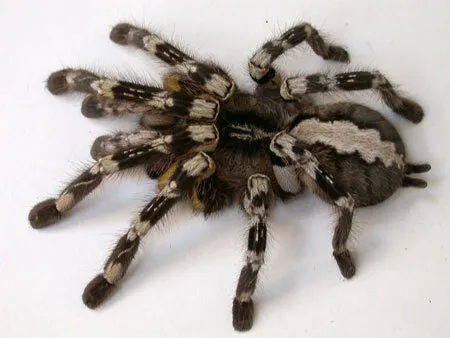
The Indian Ornamental Tarantula (Poecilotheria regalis), with its striking patterns and impressive size, has become a popular choice for tarantula enthusiasts in the UK. Owning one offers a unique opportunity to observe the fascinating behaviors of a captivating species. These spiders are known for their beauty and can make a rewarding pet for experienced keepers who are prepared to meet their specific needs. They are an excellent conversation starter and provide a chance to delve into the world of arachnids. Their relatively long lifespans mean they can be companions for many years. However, it’s important to remember that these are exotic pets, and careful research and preparation are essential before bringing one home.
Understanding the Indian Ornamental Tarantula
Before you buy an Indian Ornamental Tarantula in the UK, it is vital to understand their background. This species originates from the forests of India, specifically the Western Ghats. They are arboreal spiders, meaning they live in trees, and their natural habitat influences their needs in captivity. Their behaviors, such as web-spinning and nocturnal activity, are tied to their environment. Recognizing these natural instincts is critical to providing the appropriate care and environment. They are also venomous, which is something that responsible keepers need to consider. Studying the behavior and biology of these spiders can greatly improve their welfare in your care.
Appearance and Characteristics

The Indian Ornamental Tarantula is renowned for its stunning appearance. They possess a distinctive pattern of black and white or yellow markings on a dark background. Their legs are long and slender, and they can have a leg span of up to 8-10 inches. The overall look is quite striking and is one of the main reasons why they are desired as pets. Their size contributes to their appeal; they are impressive to observe. The coloration, while visually appealing, also serves a purpose in nature, helping them camouflage within their habitat. Knowing about their natural camouflage helps you to understand the design of their enclosure.
Temperament and Handling
Indian Ornamental Tarantulas are generally considered defensive, and handling should be avoided. They are fast and can be prone to bite if they feel threatened. While some experienced keepers may choose to handle them, it is not recommended for beginners. It is best to admire them from a distance, observing their behavior within their enclosure. Their defensive nature means that understanding their warning signs is very important to keep yourself safe. These signs include posturing, raising their front legs, and fleeing. When choosing to buy an Indian Ornamental Tarantula in the UK, you should consider your experience and your willingness to adopt a hands-off approach to pet ownership.
Setting Up Your Indian Ornamental Tarantula’s Habitat
Creating the correct habitat is crucial for the health and wellbeing of your Indian Ornamental Tarantula. Their arboreal nature means they require a vertically oriented enclosure. The habitat should replicate their natural environment with the right temperatures, humidity, and shelter options. Providing an appropriate habitat goes a long way towards decreasing the stress of your tarantula. A proper enclosure is also essential for the safety of the keeper. Incorrect setups can lead to escape, injuries, and unsuccessful molting.
Choosing the Right Enclosure

The enclosure should be at least three times the leg span of your tarantula in width and height. A secure lid is essential to prevent escapes. Ventilation is critical, but the enclosure must also retain some humidity. Glass or acrylic enclosures are common choices, and it’s a matter of preference. The enclosure should be easy to clean and provide a clear view of your pet. Make sure there are no gaps or openings that the tarantula could exploit to get out. Choose an enclosure appropriate for the size of your tarantula to avoid stress.
Substrate and Decor
The substrate should be several inches deep to allow for burrowing. A mixture of coco fiber and peat moss works well to hold humidity. Add a piece of cork bark or a similar structure for the tarantula to use as a hide. Live or artificial plants can also enhance the enclosure. The decor should be non-toxic and secure. Regularly check and maintain the substrate. A well-decorated enclosure will provide enrichment and reduce stress for the tarantula.
Temperature and Humidity
Maintain a temperature between 75-85°F (24-29°C) using a heat mat or a low-wattage bulb. Humidity should be kept at 60-70%. Mist the enclosure regularly to maintain this level. A hygrometer will help monitor humidity levels. Avoid direct sunlight and drafts. The ideal climate can mimic the natural habitat of the tarantula. Stable temperature and humidity levels are important for molting and overall health. Make sure the enclosure is away from sources of extreme temperatures.
Feeding Your Indian Ornamental Tarantula

Proper feeding is important for your tarantula’s health and growth. They are ambush predators, and their feeding habits are very interesting to observe. The size of the prey should be appropriate for the size of the tarantula. A varied diet and feeding schedule is key to providing the required nutrition. Understanding the dietary requirements of your spider is important for its longevity and well-being.
What to Feed Your Tarantula
Common food items include crickets, mealworms, and roaches. You can also feed them with pre-killed insects. Ensure that the feeder insects are gut-loaded with nutritious foods before feeding them to your tarantula. Avoid feeding wild-caught insects, as they might carry parasites or pesticides. Make sure that the prey is smaller than the tarantula to prevent it from being injured.
Feeding Schedule
Juvenile tarantulas can be fed 2-3 times a week. Adult tarantulas should be fed once a week or every other week. Adjust the feeding schedule depending on the tarantula’s appetite and condition. Overfeeding can lead to health problems. Remove any uneaten food within 24 hours to prevent the growth of mold and mites. Clean and remove any uneaten prey.
Where to Buy Indian Ornamental Tarantulas in the UK

When looking to buy an Indian Ornamental Tarantula in the UK, research is crucial. The UK has many sources, including specialist breeders and pet shops, as well as online marketplaces. Ensuring you purchase from a reliable source can give you a healthy spider. Buying from a reputable source gives you the best chance of acquiring a healthy specimen and receiving proper advice on its care. Buying from the right place also helps ensure the trade is ethical and supports conservation efforts.
Reputable Breeders and Shops
Specialist reptile shops and breeders often provide the best options. Look for shops with good reviews and knowledgeable staff. Breeders may offer more specific care advice and have a deeper understanding of the species. Check the seller’s reputation by looking at reviews and online forums. Make sure the seller complies with relevant animal welfare legislation in the UK. Ask questions about the tarantula’s origins and health history.
Online vs. Local Purchase
Online purchases offer convenience and a wider selection. However, it’s very important to research the seller thoroughly and read reviews. Ensure that the seller has experience shipping live animals. Check for guarantees on the tarantula’s health. Local purchases allow you to see the tarantula in person before you buy. You can inspect its health and discuss care with the seller. Support local businesses and ask for assistance.
Caring for Your Indian Ornamental Tarantula

Provide consistent care to ensure the health and longevity of your tarantula. Consistent and diligent care is essential for the wellbeing of these creatures. Always prioritize the needs of the spider and continuously learn more about their needs as you go. Providing the right environment, along with suitable feeding and care practices, will help it thrive. Be patient, as tarantulas can live for many years.
Health and Common Issues
Regularly check your tarantula for signs of illness. Look out for lethargy, loss of appetite, or unusual behavior. Parasites and mites can be a problem; quarantine new tarantulas. Proper humidity and ventilation will help prevent some health issues. Consult a veterinarian if you notice any signs of illness. Preventative measures such as a clean enclosure and proper diet help to promote good health.
Shedding and Molting
Tarantulas shed their exoskeletons as they grow. Molting is a natural process. Reduce stress by avoiding disturbances. During molting, the tarantula might refuse food and stay in a specific position. Provide adequate humidity to assist with the molting process. Avoid handling the tarantula during and after molting until its exoskeleton hardens. Molting frequency decreases as they get older. Do not disturb the spider while molting to prevent injury.
Do’s and Don’ts of Handling Your Tarantula

Do not handle your Indian Ornamental Tarantula unless you are a very experienced keeper and have the proper knowledge. Avoid handling to prevent stress and potential bites. Always supervise children. Do not handle the tarantula if it shows signs of aggression. Always wash your hands before and after handling anything in the enclosure. Use a soft brush to move the spider if necessary. Ensure that the enclosure is escape-proof at all times. Prioritize the safety of yourself and the tarantula at all times.
Conclusion
Owning an Indian Ornamental Tarantula can be a rewarding experience for experienced keepers in the UK. Thorough research, proper setup, and responsible care are necessary to ensure the well-being of these beautiful creatures. Always prioritize their needs and be prepared to provide a suitable habitat. By following the guidelines in this guide, you can create a thriving environment for your Indian Ornamental Tarantula and enjoy observing its fascinating behaviors. Remember that responsible pet ownership is essential for the health of the animal, and the enjoyment of keeping this amazing species.