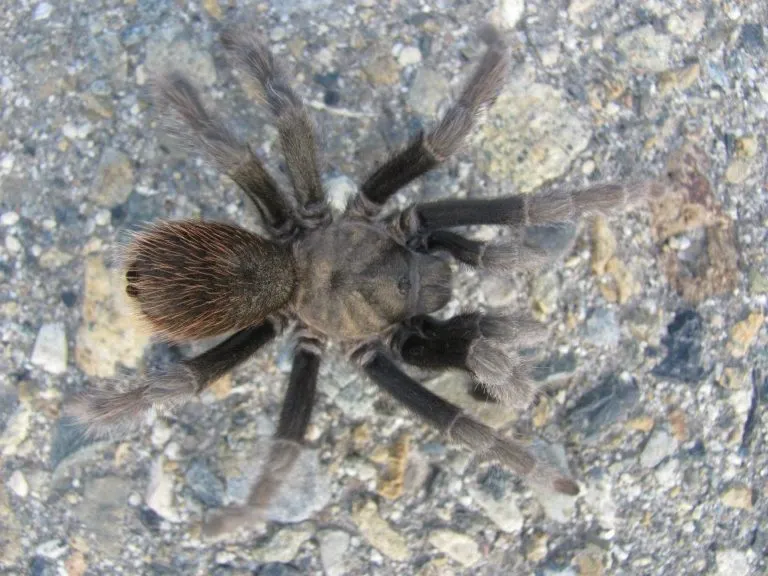
What is a California Tarantula
California tarantulas are impressive arachnids that roam the diverse landscapes of the Golden State. Belonging to the Theraphosidae family, these large, hairy spiders are a common sight in many regions of California. They are not typically aggressive towards humans, but they possess formidable fangs and can deliver a painful bite if provoked. These spiders play a vital role in their ecosystems, acting as both predators and prey, helping to maintain balance in the local environment. Understanding these fascinating creatures is the first step in appreciating their importance and learning how to coexist peacefully with them. This guide will help you identify and learn more about California tarantulas.
Appearance and Physical Characteristics
California tarantulas are easily recognizable due to their large size and hairy appearance. Their bodies are divided into two main parts: the cephalothorax (fused head and thorax) and the abdomen. The cephalothorax houses the spider’s eyes, mouthparts, and legs, while the abdomen contains the internal organs. These spiders have eight legs, each covered in sensory hairs that help them navigate their surroundings. They also possess two chelicerae, or fangs, which they use to inject venom into their prey. Their appearance is a significant aspect of how we identify them and understand their place in the natural world.
Size and Coloration

The size of California tarantulas varies depending on the species and sex. Females are generally larger than males, with some reaching a leg span of up to six inches or more. The coloration of these spiders can range from shades of brown to black, with some exhibiting reddish or tan hues on their legs and bodies. These colors often provide camouflage, helping them blend in with their surroundings. The leg span is an important measurement in identifying these creatures, providing a clear indicator of their size and maturity. The variation in coloration is an interesting aspect to consider, as it can aid in differentiating between different species.
Distinguishing Features
Key features that help distinguish California tarantulas include their hairy bodies, large size, and prominent fangs. The presence of urticating hairs on the abdomen is another distinguishing characteristic; these hairs can be flicked off as a defense mechanism, causing irritation to potential predators. The arrangement of the eyes, the shape of the carapace, and the presence or absence of certain markings can also help in identification. Observing these features closely will help you differentiate between California tarantulas and other similar species or spiders. The intricate details of their anatomy showcase the complexity of their adaptations.
Habitat and Distribution
California tarantulas are found throughout much of California, from the coastal regions to the foothills and deserts. Their distribution is influenced by factors such as climate, vegetation, and the availability of prey. These spiders are most active during the late summer and fall months, especially during their mating season. Understanding where they live helps us to know where we are most likely to encounter them, and the environmental factors that affect their survival and distribution. Knowing their habitat allows us to appreciate their integration with the environment.
Where to Find California Tarantulas

California tarantulas are often found in burrows or under rocks, logs, and other debris during the day. They typically emerge at dusk and during the night to hunt for food or to search for mates. In suburban areas, they might be seen in gardens, parks, or near structures. Observing the types of places where they choose to build their home helps us develop a better appreciation for their habits. Looking for these spiders during their active periods will significantly increase your chances of observing them in their natural environment. Understanding the behavior of the tarantulas can help you when looking for them.
Preferred Habitats
These spiders prefer habitats that provide shelter and access to prey. They often favor areas with loose soil for digging burrows, as well as vegetation that provides cover. The availability of insects and other small invertebrates is also crucial for their survival. Specific locations include grasslands, chaparral, and open woodlands. Understanding the preferred habitats of these creatures will help you better identify and understand their behaviors in their environments. Their habitat choices say a lot about what these creatures prefer and need to survive.
Behavior and Lifestyle
California tarantulas are primarily nocturnal hunters, spending the day in their burrows or under shelter. They are generally solitary creatures, except during mating season. Their behavior is largely dictated by their need to find food and reproduce. Their activities are greatly influenced by the time of year, with mating season being a period of heightened activity. By observing their daily and seasonal behaviors, we can better understand their lifestyles and the challenges they face in their environment. The unique behaviors of California tarantulas offer valuable insights into their survival strategies and their role in the ecosystem.
Diet and Feeding Habits

California tarantulas are carnivores, feeding primarily on insects, such as crickets, beetles, and grasshoppers. They also prey on other invertebrates and sometimes small vertebrates like lizards and mice. Tarantulas typically ambush their prey, using their fangs to inject venom that paralyzes and begins to digest the victim. They then use their mouthparts to suck out the liquefied tissues. Their feeding habits are essential for their survival and have a significant impact on their ecosystem. They are a critical part of the food web in their habitats.
Mating and Reproduction
The mating season for California tarantulas usually occurs in late summer and fall. During this time, males leave their burrows to search for females. They locate females by following pheromone trails. After mating, the female lays her eggs in a silk egg sac, which she protects until the spiderlings hatch. These young spiders will then disperse to establish their own burrows. The mating and reproductive processes are crucial for the survival of the species and are fascinating aspects of their life cycle. These mating and reproductive processes are essential to the continuance of the species.
How to Identify California Tarantula [Guide]
Identifying California tarantulas involves paying close attention to their physical characteristics, habitat, and behavior. The guide that has been provided above can help in distinguishing them from other species. It is important to observe these creatures from a safe distance, taking detailed notes about their appearance and actions. Accurate identification is crucial for wildlife observation, conservation efforts, and appreciating the diversity of life. Understanding the identification process will help you appreciate the distinctions of the tarantula.
Key Identification Features

As mentioned earlier, look for their large size, hairy bodies, and the presence of urticating hairs. Observe their coloration, the arrangement of their eyes, and any unique markings. Noting the habitat in which they are found can also aid in identification. Accurate observation of these features can greatly increase the likelihood of correctly identifying California tarantulas. These key features are your most reliable guides when trying to identify the spider.
Comparing with Similar Species
Other spiders in California may resemble tarantulas. When identifying, it is useful to compare them with other arachnids in the same region. Use field guides or online resources to identify the differences. Pay close attention to size, coloration, leg length, and the presence of any unique features. This comparative approach will help you distinguish them from other species. Detailed comparisons will increase your confidence level when identifying the spider.
Safety Precautions and Handling
While California tarantulas are not typically aggressive, it is important to exercise caution around them. Avoid handling them, as they may bite if they feel threatened. Observe them from a distance and never try to provoke or corner them. Learning about tarantula safety will help to safeguard yourself. It’s all about understanding the tarantula’s behaviors.
Avoiding Bites

The best way to avoid being bitten is to maintain a safe distance and not attempt to handle tarantulas. Be mindful of where you place your hands and feet when hiking or exploring areas where tarantulas are likely to be found. If you encounter a tarantula, remain calm and slowly back away. Always respect their space. These precautions will minimize the risk of a bite. Observe them respectfully, and you can enjoy the tarantulas.
First Aid for Tarantula Bites
If bitten by a California tarantula, wash the area thoroughly with soap and water. Apply a cold compress to reduce swelling and pain. Monitor for any signs of an allergic reaction, such as difficulty breathing or swelling of the face or throat, and seek medical attention immediately if these symptoms occur. While tarantula bites are not usually life-threatening, prompt treatment can help manage any discomfort. Basic first aid will help to reduce the symptoms.
Conservation Status
California tarantulas are not currently listed as endangered or threatened, but habitat loss and human activities can pose threats to their populations. Supporting conservation efforts and promoting responsible land management practices are essential for ensuring their survival. Public awareness and education play a crucial role in protecting these fascinating creatures. By understanding their conservation status, we can help ensure that future generations can enjoy these amazing creatures.
Threats to California Tarantulas

The primary threats to California tarantulas include habitat destruction due to urban development, agriculture, and wildfires. The use of pesticides can also affect their prey base, impacting their survival. Climate change may also alter their habitats and affect their distribution. Understanding these threats is the first step in implementing solutions. The threats should be understood to protect the species.
Conservation Efforts
Conservation efforts involve protecting their habitats, educating the public about tarantulas, and promoting responsible land management practices. Supporting organizations that focus on wildlife conservation can also make a significant difference. Avoiding the use of pesticides and minimizing habitat disturbance are also important steps. Collective efforts will ensure the species can thrive for future generations. We all need to do our part.