
Do Tarantulas Have Feelings?
The question of whether a tarantula can ’love’ its owner is a fascinating one, prompting many pet owners to seek a deeper understanding of their eight-legged companions. While the term ’love’ might be a stretch when applied to invertebrates, it’s essential to explore the capabilities of these creatures. Tarantulas, like all animals, have complex behaviors, and their interactions with their environment and caregivers can be observed and interpreted. This exploration delves into the science behind tarantula behavior, separating facts from fiction to offer a comprehensive look at these intriguing pets.
Understanding the Tarantula Brain
Unlike mammals and birds, tarantulas possess a simpler nervous system. They lack the complex emotional centers found in warm-blooded animals. Their brains, or rather, their ganglia (collections of nerve cells), are primarily focused on survival mechanisms such as detecting prey, avoiding predators, and basic responses to environmental stimuli. Therefore, while tarantulas can’t experience love in the human sense, they are capable of complex behaviors driven by instinct and environmental factors.
The Nervous System and Behavior
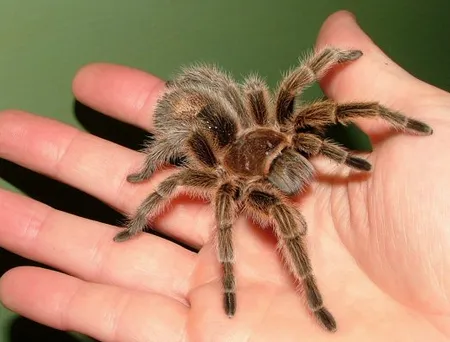
The tarantula’s nervous system allows it to perceive the world through sensory organs, including hairs sensitive to vibrations, chemical receptors, and simple eyes that detect light and movement. These senses are crucial for hunting, navigating their environment, and reacting to threats. Their behaviors are largely dictated by these sensory inputs and instinctive responses. For example, a tarantula might perceive your presence as a potential threat (large and moving) or a source of food (if you offer a tasty treat), but not necessarily as a sign of affection.
What is ‘Love’ in the Animal World?
Defining ’love’ in the animal kingdom is challenging because it is often associated with complex emotional and cognitive processes like empathy, attachment, and social bonding, which are more readily observed in mammals and birds. Animals, especially social species, display behaviors that indicate care, bonding, and even grief. The nature of these emotions, however, varies significantly across species. Some animals form strong social bonds, show cooperative behaviors, and exhibit protective instincts towards their young. Such behaviors may resemble the human concept of love, but the underlying mechanisms and cognitive processes differ.
Defining Love Beyond Human Concepts
To understand animal behavior, we must move beyond anthropomorphism (attributing human emotions to animals). Instead, we should focus on observable behaviors and the environmental factors that shape them. Rather than asking if an animal loves, we can explore if it exhibits behaviors indicative of attachment, care, or dependence on its environment and interaction with caregivers. Considering behaviors within the context of the animal’s environment and the evolutionary pressures it faces is important to avoid projecting human emotions onto other species.
Tarantula Behavior Patterns

Tarantula behavior patterns are primarily instinctive, driven by their needs for survival, feeding, and reproduction. Observing these patterns offers insights into their interactions with their environment and, potentially, their keepers. Understanding these patterns is key to providing appropriate care and ensuring their well-being. They can be surprisingly adaptable, adjusting to captivity and the routines set by their owners. The more you understand the individual tarantula, the better you can appreciate their unique personality and behaviors.
Web-Building and Habitat Preferences
Many tarantula species construct webs, either for shelter or as traps for prey. The design and complexity of the web vary depending on the species and the environment. In captivity, the web-building behavior can be a good indicator of a tarantula’s well-being; a healthy tarantula often builds a robust web within its enclosure, reflecting its comfort and safety. The habitat requirements include appropriate substrate (e.g., coconut fiber or peat moss), hiding places, and a stable environment with proper temperature and humidity.
Feeding Habits and Interaction with Owners
Tarantulas are carnivores and primarily feed on insects. Their feeding behavior is a good indicator of their overall health. A tarantula that eats regularly and with gusto is generally healthy and thriving. Interactions with owners are mostly limited to feeding, providing water, and occasional handling. While they may not display ‘affection’ in the human sense, they can become accustomed to their owner’s presence, sometimes exhibiting less defensive behavior over time. This does not equate to love, but rather an understanding that their owner is not a threat.
The 5 Signs Your Tarantula ‘Loves’ You

Although tarantulas don’t ’love’ in the human sense, certain behaviors can be interpreted as positive responses to their environment, including their keepers. Recognizing and understanding these behaviors is essential for providing appropriate care and ensuring the tarantula’s well-being. When we interpret their behaviors, remember to avoid anthropomorphizing, and instead, focus on the observable behaviors in relation to their needs.
Sign 1 Approach and Movement
A tarantula that approaches you or moves towards you when you open the enclosure may not be ’loving’ you, but it’s often a sign of curiosity or a lack of fear. This behavior is more common in tarantulas that have become accustomed to their keeper’s presence. It can indicate they do not see you as a threat and may associate your presence with feeding time or a generally positive experience. Note: Sudden movements or changes can trigger defensive behavior regardless.
Sign 2 Feeding Behavior
A healthy tarantula should have a good appetite. If your tarantula readily accepts food from you, it’s a positive sign of well-being. Some tarantulas may even take food from your hand, which suggests a level of comfort with your presence, though not necessarily affection. This behavior is more about trust and associating you with sustenance. A tarantula that refuses to eat can signal stress or illness, and it is essential to investigate the reason for the refusal promptly.
Sign 3 Molting and Safety

Molting is a vulnerable time for tarantulas, as they shed their exoskeletons to grow. A tarantula that molts without any significant issues suggests a healthy and stress-free existence. If your tarantula regularly molts and shows no signs of stress during the process, such as refusing food or hiding constantly, this is an indication of their overall well-being. Providing a safe environment during molting, without disturbance, is critical for a successful outcome. The tarantula’s ability to feel safe enough to molt is a good sign.
Sign 4 Reaction to Your Presence
A tarantula that appears calm and relaxed when you are near may not be ’loving’ you, but is not feeling threatened. The ability to remain calm near their owner is positive. If a tarantula remains calm around you (as opposed to immediately retreating or displaying defensive behaviors), it indicates that the tarantula has acclimated to your presence and does not perceive you as a threat. This behavior is the result of your consistent care and the tarantula’s adaptation to its environment.
Sign 5 Overall Health and Activity
A healthy and active tarantula is a good indicator of their overall well-being. This includes regular eating, molting, and interacting with the environment. If your tarantula maintains a healthy weight, molts without issues, and explores its enclosure, then it is thriving. This also includes building webs and engaging in typical tarantula activities. These behaviors are signs of a well-cared-for tarantula, though they do not necessarily mean the tarantula ’loves’ you.
Debunking Tarantula Myths

Many myths surround tarantulas, including their aggression, danger, and lack of intelligence. In reality, these creatures are generally docile and prefer to avoid conflict. Understanding and dispelling these misconceptions is key to responsible pet ownership. It helps to develop realistic expectations and provide the best care possible. The more knowledge you gain about these creatures, the more you will appreciate their unique behaviors.
Tarantulas and Affection Misconceptions
One of the most common misconceptions is that tarantulas can ’love’ their owners in the same way as dogs or cats. While they can form an attachment to their environments and develop a tolerance for human interaction, they do not possess the complex emotional capabilities necessary for love as we understand it. Their behaviors are primarily driven by instinct and basic survival needs. Therefore, it is important to approach their care from a scientific standpoint.
Tarantulas and Human Companionship
While tarantulas may not ’love’ their owners, they can still be rewarding pets. They offer the opportunity to observe fascinating behaviors, learn about arachnids, and develop a sense of responsibility for another living creature. Owners can find satisfaction in providing a healthy environment, observing natural behaviors, and enjoying the unique beauty of these creatures. The bond that forms between a tarantula and its owner is different from that of a mammal, but just as valuable.
Caring for Your Tarantula
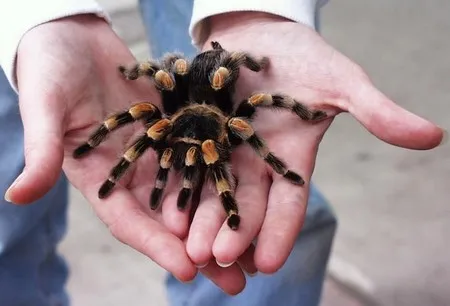
Caring for a tarantula involves understanding its specific needs and providing the right environment for it to thrive. This includes providing proper housing, nutrition, and handling techniques. Proper care ensures the health and longevity of your pet. Researching the specific species of tarantula you own is crucial, as their needs vary.
Creating a Suitable Habitat
A suitable habitat is essential for your tarantula’s well-being. The enclosure should be the appropriate size for the species, with secure ventilation and a secure lid. The substrate should be appropriate for the species (e.g., coconut fiber, peat moss, or a mixture). The habitat needs to include hiding places, such as cork bark or artificial hides, and a shallow water dish. Maintaining the correct temperature and humidity levels for the tarantula’s species is also essential. Regular cleaning and maintenance are crucial to prevent the build-up of waste and ensure the overall health of the tarantula.
Providing Proper Nutrition
Tarantulas are carnivores and require a diet of live insects, such as crickets, mealworms, and roaches. The size and type of prey should be appropriate for the tarantula’s size. Overfeeding can lead to health problems. Provide fresh, clean water in a shallow dish. Avoid feeding wild-caught insects, as they may carry parasites or pesticides. Removing any uneaten prey is important to prevent stress on the tarantula. Regular monitoring of your tarantula’s eating habits is necessary.
Handling and Interaction Guidelines
Handling a tarantula should be done with caution and respect. Not all tarantulas enjoy being handled. Some species are more docile than others. Always handle tarantulas close to the ground or a soft surface to minimize the risk of injury if they fall. Avoid sudden movements and be aware of their defensive behaviors, like flicking urticating hairs or raising their front legs. Wash your hands after handling, and never force a tarantula to interact with you.