What is a Chilean Dwarf Flame Tarantula
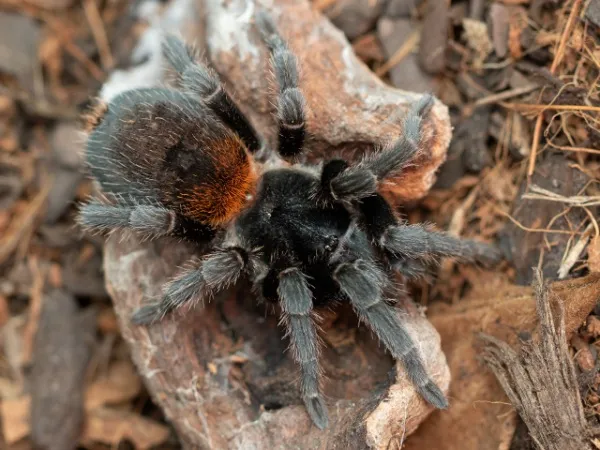
The Chilean Dwarf Flame Tarantula, scientifically known as Euathlus truculentus, is a captivating species that has become increasingly popular in the exotic pet trade. These arachnids are prized for their striking appearance and relatively docile nature, making them a favorite among both novice and experienced tarantula keepers. Native to Chile, they are relatively small, which contributes to their ‘dwarf’ designation. Their flame-like markings on their abdomen and legs create a visually appealing contrast, adding to their allure. These tarantulas are relatively easy to care for when their specific needs are met, making them a rewarding pet for those willing to learn about their care requirements.
Appearance and Characteristics
Size and Coloration

One of the most appealing aspects of the Chilean Dwarf Flame Tarantula is its vibrant coloration. Adults typically reach a leg span of around 3 to 4 inches, making them a manageable size for pet owners. The base color of the carapace and legs is often a dark brown or black, providing a striking contrast to the flame-like markings on the abdomen. These markings are typically shades of red, orange, and yellow, resembling flames, which give this species its distinctive name. The intensity of the colors can vary slightly between individuals, but the overall effect is visually stunning.
Unique Markings
The unique markings of the Chilean Dwarf Flame Tarantula are a key characteristic that sets it apart from other tarantula species. The pattern on the abdomen often includes a series of bold, flame-like streaks or spots, creating a mesmerizing display. The intensity and specific arrangement of these markings can differ, adding to the individuality of each tarantula. These flame-like patterns not only enhance their beauty but also serve as a form of camouflage within their natural habitat. The contrast between the dark base color and the bright markings makes them easily recognizable and highly sought after in the pet trade. Observing these patterns provides endless fascination for tarantula enthusiasts.
Habitat and Natural Environment
Geographic Distribution

The Chilean Dwarf Flame Tarantula is native to Chile, where it inhabits a variety of habitats. They are primarily found in the central regions of the country, where the climate is generally mild and dry. These tarantulas thrive in environments that offer shelter from extreme temperatures and predators. They can be found in areas with sparse vegetation, such as grasslands and scrublands. Understanding their natural habitat is crucial for providing the right environment in captivity. Their geographic distribution highlights the importance of maintaining specific temperature and humidity levels to ensure their well-being.
Ideal Environmental Conditions
In their natural habitat, Chilean Dwarf Flame Tarantulas experience a range of temperatures and humidity levels. When kept in captivity, it’s essential to replicate these conditions as closely as possible. A temperature range of 70 to 80°F (21 to 27°C) is ideal for these tarantulas. The humidity should be kept relatively low, around 60 to 70%. This can be achieved by providing a shallow water dish for drinking and occasionally misting the enclosure. Proper ventilation is also necessary to prevent the buildup of moisture, which can lead to health issues. Monitoring and adjusting the environmental conditions regularly is key to maintaining the health and happiness of your Chilean Dwarf Flame Tarantula.
Behavior and Temperament
General Behavior

Chilean Dwarf Flame Tarantulas are generally known for their docile nature, making them a popular choice for beginner tarantula keepers. They are typically not aggressive and prefer to retreat when threatened. However, like all tarantulas, they can exhibit defensive behaviors if they feel cornered or provoked. They are primarily nocturnal creatures, meaning they are most active during the night. During the day, they often hide in their burrows or under shelter, conserving energy. Observing their behavior can be fascinating, allowing keepers to better understand their needs and preferences. Regular interaction and careful observation can help build a bond with your tarantula, though it’s crucial to remember that these are not creatures that enjoy being handled frequently.
Defensive Mechanisms
Despite their generally docile temperament, Chilean Dwarf Flame Tarantulas possess several defensive mechanisms. When threatened, they may flick urticating hairs from their abdomen, which can cause irritation to the skin and eyes. This is their primary defense against predators. They can also raise their front legs and display their fangs as a warning. Although they are not highly venomous, a bite from a tarantula can be painful. Understanding these defensive mechanisms is essential for handling them safely and avoiding unnecessary stress. Keeping a safe distance and respecting their space is the best way to ensure a positive experience for both the tarantula and the keeper.
Feeding and Diet
Prey Preferences

In their natural habitat, Chilean Dwarf Flame Tarantulas are opportunistic predators, feeding on a variety of insects and small invertebrates. In captivity, they typically thrive on a diet of appropriately sized insects. Crickets, mealworms, and roaches are common choices. It’s important to ensure the prey is no larger than the tarantula’s body, as this can make it difficult for them to consume. Variety in their diet is also beneficial to ensure they receive a range of nutrients. Many keepers also supplement with pre-killed insects to reduce the risk of injury to the tarantula during feeding. Providing a diverse diet helps keep the tarantula healthy and encourages natural hunting behaviors.
Feeding Frequency
The feeding frequency for Chilean Dwarf Flame Tarantulas depends on their age and size. Spiderlings and juveniles require more frequent feedings, typically every 3 to 5 days. Adults can be fed less often, usually once a week or every other week. It’s important to monitor the tarantula’s abdomen; if it appears swollen, it may indicate they are well-fed and do not need to be fed as often. Always remove any uneaten prey within 24 hours to prevent stress and potential harm to the tarantula. Adjusting the feeding schedule based on the tarantula’s appetite and activity levels helps to maintain a healthy weight and overall well-being.
Lifespan and Reproduction
Average Lifespan

The lifespan of a Chilean Dwarf Flame Tarantula varies depending on the sex. Females typically live significantly longer than males. Female Chilean Dwarf Flame Tarantulas can live for 8 to 12 years, sometimes even longer in optimal conditions. Males, on the other hand, have a much shorter lifespan, often living only 2 to 3 years after reaching maturity. This difference in lifespan is a common trait among many tarantula species. Understanding the lifespan helps owners to plan their care and expectations, knowing that females are a long-term commitment.
Mating and Egg Sacs
Mating Chilean Dwarf Flame Tarantulas is a complex process. Successfully breeding these tarantulas in captivity requires careful planning and expertise. The male tarantula will typically initiate courtship, which involves a display of drumming or leg vibrations. If the female is receptive, mating will occur. After mating, the female will produce an egg sac, which she will guard and protect. The egg sac can contain a large number of eggs, which will eventually hatch into spiderlings. Raising spiderlings requires significant effort, including providing proper housing, temperature, and food. This is a rewarding, but challenging process for experienced keepers, which leads to conservation efforts of this amazing species.
Care and Maintenance
Housing Requirements

Providing the right housing is crucial for the well-being of your Chilean Dwarf Flame Tarantula. They require a terrestrial setup, meaning they live on the ground. The enclosure should be appropriately sized, allowing for enough space for movement and exploration. A good rule of thumb is to provide an enclosure that is at least twice the tarantula’s leg span in width and length. The height of the enclosure does not need to be excessive. A secure lid is essential to prevent escape. The enclosure should be made of clear material, such as glass or acrylic, to allow for easy viewing and observation. The correct housing ensures the tarantula feels safe and secure, which promotes good health and behavior.
Substrate and Decor
Choosing the right substrate and décor is vital for creating a suitable environment. The substrate should be able to retain some moisture while also providing a comfortable surface for the tarantula to burrow. A mix of peat moss, vermiculite, and a small amount of soil is a good option. The substrate should be deep enough to allow the tarantula to create a burrow, which is an important aspect of its natural behavior. Adding some décor, such as cork bark or artificial plants, provides hiding places and visual enrichment. Make sure the décor is secure and does not pose any risk of injury to the tarantula. These additions help simulate their natural habitat, which reduces stress and promotes healthy behavior.
Humidity and Temperature
Maintaining the correct humidity and temperature levels is essential for the health of your Chilean Dwarf Flame Tarantula. As mentioned previously, a temperature range of 70 to 80°F (21 to 27°C) is ideal. You can use a heat mat or a low-wattage heat lamp to maintain the appropriate temperature, ensuring it is placed outside the enclosure to prevent burns. Humidity should be kept around 60 to 70%. Regular misting of the enclosure with dechlorinated water is often sufficient to maintain the humidity levels. A hygrometer is recommended to monitor humidity. Make sure the enclosure has adequate ventilation to prevent mold and mildew growth. These environmental factors are critical for the tarantula’s ability to molt successfully.
Handling and Safety
Safe Handling Practices
While Chilean Dwarf Flame Tarantulas are known to be relatively docile, handling them should be approached with caution. It is generally recommended to handle these tarantulas as little as possible to minimize stress. If handling is necessary, do so gently and carefully. Never handle a tarantula if it appears stressed or agitated. Avoid sudden movements and keep your hands close to the ground in case the tarantula falls. Always wash your hands before and after handling. Remember that even a docile tarantula can bite if provoked. Respecting their space and understanding their behavior is key to safe handling. If in doubt, it is always best to observe them from a distance.
Potential Hazards
There are potential hazards associated with keeping Chilean Dwarf Flame Tarantulas. Their urticating hairs can cause skin irritation, and their bites can be painful. Ensure the enclosure is secure to prevent escape. Keep the enclosure out of reach of children and pets. When handling the tarantula, be aware of its defensive mechanisms, such as flicking hairs or biting. Always take precautions to protect yourself from potential allergens. If you experience any allergic reactions, seek medical attention immediately. Be mindful of the humidity and ventilation levels, which prevent the growth of mold. By understanding the potential hazards, you can create a safe environment for both yourself and your tarantula.
Conclusion
The Chilean Dwarf Flame Tarantula is a captivating and rewarding pet for those who are prepared to meet its specific needs. With their striking appearance, relatively docile temperament, and manageable size, they have become a favorite among tarantula enthusiasts. By providing the correct environment, understanding their behavior, and handling them with care, owners can enjoy these fascinating creatures. Remember that responsible pet ownership involves thorough research, dedication to their care, and a deep respect for these amazing arachnids. By following these guidelines, you can ensure the well-being of your Chilean Dwarf Flame Tarantula and enjoy the unique experience of keeping this incredible species.