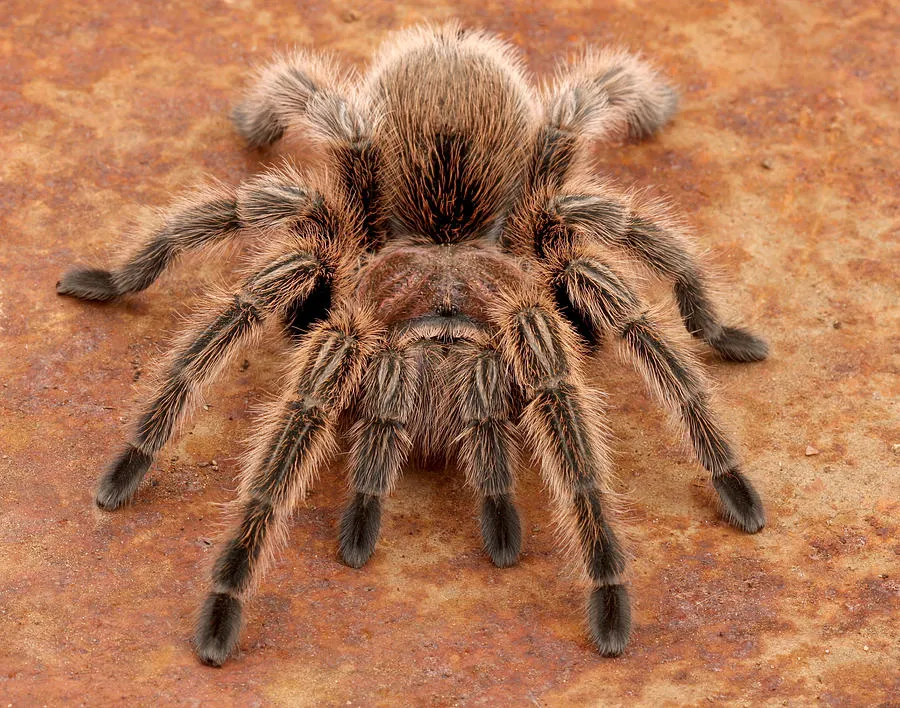
Chilean Rose Tarantula Top 5 Care Tips
The Chilean Rose Hair Tarantula, a popular pet among arachnid enthusiasts, is known for its docile nature and relatively easy care requirements. Bringing one of these fascinating creatures into your home can be a rewarding experience. However, like any pet, these spiders require specific care to thrive. This comprehensive guide will provide you with the top five essential tips for ensuring your Chilean Rose Tarantula lives a long, healthy, and fulfilling life. From setting up the perfect habitat to understanding their dietary needs and health concerns, this guide covers all the fundamental aspects of tarantula care. With the right knowledge and dedication, you can create an environment where your Chilean Rose Tarantula feels safe, comfortable, and happy.
Creating the Ideal Habitat
The habitat is the cornerstone of your tarantula’s well-being. Providing a suitable environment is crucial for its physical and psychological health. A well-designed habitat replicates the tarantula’s natural environment, offering a sense of security and promoting natural behaviors. Incorrect setup can lead to stress, poor health, and even a shortened lifespan. Therefore, careful consideration must be given to the enclosure type, substrate, temperature, and humidity levels. The goal is to create a space that allows your tarantula to feel secure, enabling it to eat, drink, and molt without undue stress. Remember, the better the habitat, the more likely your tarantula will thrive and display its fascinating characteristics.
Choosing the Right Enclosure

The enclosure should be appropriately sized, allowing ample space for movement and exploration without being overly large, which can make it harder for the tarantula to find food. A good rule of thumb is to provide an enclosure that is at least three times the tarantula’s leg span in width. The enclosure must have a secure lid to prevent escapes, with ventilation holes to ensure proper airflow. Acrylic or glass enclosures are popular choices, offering clear visibility. Ensure the enclosure is escape-proof and that the lid is secure, as tarantulas are surprisingly adept at finding ways out. Consider the adult size of your tarantula when selecting the enclosure, as they will need more space as they grow. A well-chosen enclosure will provide a safe and comfortable home for your pet.
Substrate Selection
The substrate is the bedding material at the bottom of the enclosure, and it plays a vital role in maintaining humidity and providing a place for the tarantula to burrow. A good substrate should hold moisture, allow for burrowing, and be non-toxic. Popular choices include coconut fiber (coir), peat moss, and a mixture of these with a small amount of potting soil. Avoid substrates like wood shavings, which can dry out quickly and may contain harmful chemicals. The substrate should be deep enough for burrowing, typically 2-4 inches, depending on the size of your tarantula. Regularly check the substrate for cleanliness and replace it as needed to prevent mold and maintain a healthy environment. A good substrate contributes significantly to the tarantula’s well-being.
Temperature and Humidity
Chilean Rose Hair Tarantulas thrive in a temperature range of 70-80°F (21-27°C). Maintaining a consistent temperature is essential for their metabolism and overall health. You can use a heat mat or a low-wattage heat lamp to achieve this, but make sure to monitor the temperature carefully to avoid overheating. Humidity levels should be kept between 60-70%. This can be achieved by lightly misting the enclosure with water once or twice a week, or by providing a water dish. Monitor humidity with a hygrometer to ensure the environment remains suitable. Proper temperature and humidity ensure the tarantula can molt successfully and remain active and healthy. Providing the correct environment is fundamental to their survival.
Feeding Your Chilean Rose Tarantula

Feeding your Chilean Rose Hair Tarantula the right diet is crucial for its health and growth. These tarantulas are opportunistic feeders, meaning they will eat whatever comes their way. However, a balanced diet is necessary to provide them with the nutrients they need. It is important to choose the right type of food and the right amount. Overfeeding or feeding the wrong items can lead to health problems. Understanding the feeding habits of your tarantula will ensure a long and healthy life. By providing the correct diet, you are giving your tarantula the best chance at thriving in your care. Remember that proper nutrition is key to a healthy and happy tarantula.
Appropriate Diet
The primary food source for Chilean Rose Hair Tarantulas should be insects. Crickets, mealworms, and roaches are excellent options. Ensure that the insects you feed your tarantula are gut-loaded, meaning they have been fed nutritious food themselves, before being offered to the spider. This will provide your tarantula with a more balanced diet. Avoid feeding wild-caught insects, as they may carry parasites or pesticides. The insects should be smaller than the tarantula’s body size, especially when they are younger. Occasionally, you can offer a small pinky mouse to an adult tarantula, but this should be a rare treat rather than a regular part of their diet. Provide a varied diet to provide all the nutrients needed.
Feeding Frequency
Feeding frequency depends on the tarantula’s age and size. Spiderlings (young tarantulas) should be fed 2-3 times per week. As they grow, the feeding frequency can be reduced to once or twice a week for adults. Always remove any uneaten food within 24 hours to prevent mold and mites from developing in the enclosure. Observe your tarantula’s behavior; a tarantula that refuses food may be about to molt. Do not feed a tarantula that is in premolt. Adjust the feeding schedule based on the tarantula’s appetite and overall condition, and remember that overfeeding can be just as harmful as underfeeding. Regular monitoring will help you provide the right amount of food to your tarantula.
Watering and Hydration

Water is essential for the health and well-being of your Chilean Rose Hair Tarantula. Proper hydration is crucial, and providing a constant source of fresh water is a must. Like all living creatures, tarantulas need water to survive and stay healthy. Dehydration can lead to serious health problems, including difficulty molting and even death. The tarantula’s water supply must always be clean and accessible. This is not just about providing water; it’s about ensuring the tarantula can access it without issue. The methods used to provide water can impact the tarantula’s ability to stay hydrated and healthy. Regularly monitor the water source, and replace it with fresh water to keep it clean and safe for your tarantula.
Providing Fresh Water
The easiest way to provide water is to use a shallow water dish. The dish should be small enough that the tarantula can easily access it but shallow enough that it won’t drown. Make sure the water dish is kept clean, and replace the water regularly, at least once a week, to prevent bacteria and algae growth. You can also provide water by lightly misting the enclosure, which allows the tarantula to drink water droplets from the sides of the enclosure. Always use dechlorinated water. A steady supply of clean water is vital for maintaining your tarantula’s health and ensuring it stays well-hydrated. It is a fundamental aspect of tarantula care.
Maintaining Humidity Levels
Maintaining the correct humidity level is essential for the tarantula’s health, especially when molting. The humidity level should be kept between 60-70%. You can achieve this by misting the enclosure lightly with water, especially after the tarantula has molted. The frequency of misting depends on the humidity levels in your home. You can monitor the humidity level using a hygrometer. Avoid over-misting, as this can lead to mold growth in the enclosure. Providing adequate humidity will help your tarantula molt successfully, and maintain overall health and vitality. Regular monitoring will help you to maintain the perfect environment for your pet.
Handling and Safety Precautions

While Chilean Rose Hair Tarantulas are known for their docile nature, it’s essential to handle them with caution. Tarantulas are fragile creatures, and improper handling can lead to injury for both the tarantula and the handler. Handling should be kept to a minimum, as it can cause stress to the tarantula. Understanding their behavior and potential risks is paramount to ensure their well-being. Handling a tarantula involves assessing its mood, being aware of its posture, and knowing how to handle it with care. Safety is key to preventing unnecessary injury or stress. By taking the necessary precautions, you can interact with your tarantula safely and respectfully.
Safe Handling Practices
If you choose to handle your tarantula, always do so over a soft surface, such as a bed or a carpet, in case it falls. Never handle the tarantula if it appears agitated or defensive. Tarantulas have urticating hairs on their abdomen, which they can flick off as a defense mechanism, causing irritation to the skin and eyes. Avoid touching the tarantula’s fangs, as they can deliver a painful bite. Wash your hands thoroughly after handling your tarantula. Be mindful of the tarantula’s movements and posture, and handle it gently. Proper handling techniques minimize the risk of injury and ensure the well-being of the tarantula.
Understanding Tarantula Behavior
Observing your tarantula’s behavior is crucial for understanding its needs and recognizing any signs of stress or illness. Look for signs of readiness to molt, such as a darkened abdomen or loss of appetite. A tarantula that curls up tightly into a ball might be stressed or defensive. If your tarantula is constantly hiding, it may be feeling insecure or uncomfortable. Familiarize yourself with typical tarantula behavior to differentiate between normal actions and signs of distress. Watch for signs of illness, such as lethargy or a lack of coordination. Understanding their behavior will help you provide the best possible care, ensuring a healthy and stress-free life for your tarantula. Regular observation will help in detecting any potential issues.
Health and Common Issues

Like any pet, Chilean Rose Hair Tarantulas can be susceptible to certain health problems. Being aware of the common issues and knowing how to identify them early can help you ensure your tarantula’s health and well-being. Some of the most common issues include mites, parasites, and problems related to molting. Keeping a close eye on your tarantula and recognizing any abnormal behavior or physical changes can allow you to address problems promptly. Early intervention is often the key to successful treatment. By staying informed and attentive, you can give your tarantula the best chance at a long and healthy life. Proper care and regular monitoring are crucial for detecting and addressing any health concerns quickly and efficiently.
Identifying Potential Problems
Regularly inspect your tarantula for signs of illness or injury. Look for mites, which appear as small, moving dots on the tarantula’s body. Check for any abnormalities in the tarantula’s appearance, such as discoloration, swelling, or lesions. Ensure that the tarantula is eating and drinking normally. Problems with molting can be a sign of underlying health issues. A tarantula that is struggling to molt may require assistance or a change in its environment. Quarantine any new tarantulas to prevent the spread of parasites or diseases. Early detection of these issues is vital for effective treatment and the long-term health of your tarantula. A keen eye and attention to detail are essential.
Seeking Veterinary Advice
If you notice any signs of illness or injury, it’s important to consult a veterinarian experienced in exotic animal care. Not all vets are equipped to treat tarantulas, so finding one with experience is crucial. Describe the symptoms you’ve observed and provide as much detail as possible. Your vet can help you determine the cause of the problem and recommend appropriate treatment. They may suggest testing to diagnose specific issues. Don’t hesitate to seek professional help if you are concerned about your tarantula’s health. Professional advice will assist you to properly and effectively care for your pet. Prompt medical attention can make all the difference in ensuring your tarantula’s recovery and long-term health.
In conclusion, caring for a Chilean Rose Hair Tarantula is a rewarding experience that requires dedication, knowledge, and a commitment to providing the best possible environment. By following these top 5 care tips, you can ensure that your tarantula thrives and lives a long, healthy life. Remember, the key to successful tarantula care is understanding their needs, providing a suitable habitat, feeding them a proper diet, ensuring adequate hydration, and practicing safe handling. With these guidelines, you can enjoy the fascinating world of tarantulas and create a bond with these amazing creatures. Enjoy the experience, and always prioritize your tarantula’s well-being.