Cinnamon Tarantula Top 5 Fascinating Facts
The Cinnamon Tarantula, a captivating creature that has stolen the hearts of many arachnid enthusiasts. These spiders, known for their beautiful coloration and relatively docile temperament, offer a fascinating glimpse into the world of exotic pets. This article will delve into the top 5 most captivating facts about the Cinnamon Tarantula, exploring its unique characteristics, behavior, and the secrets that make it a truly remarkable species. Get ready to uncover the hidden wonders of this incredible spider.
Appearance and Physical Traits
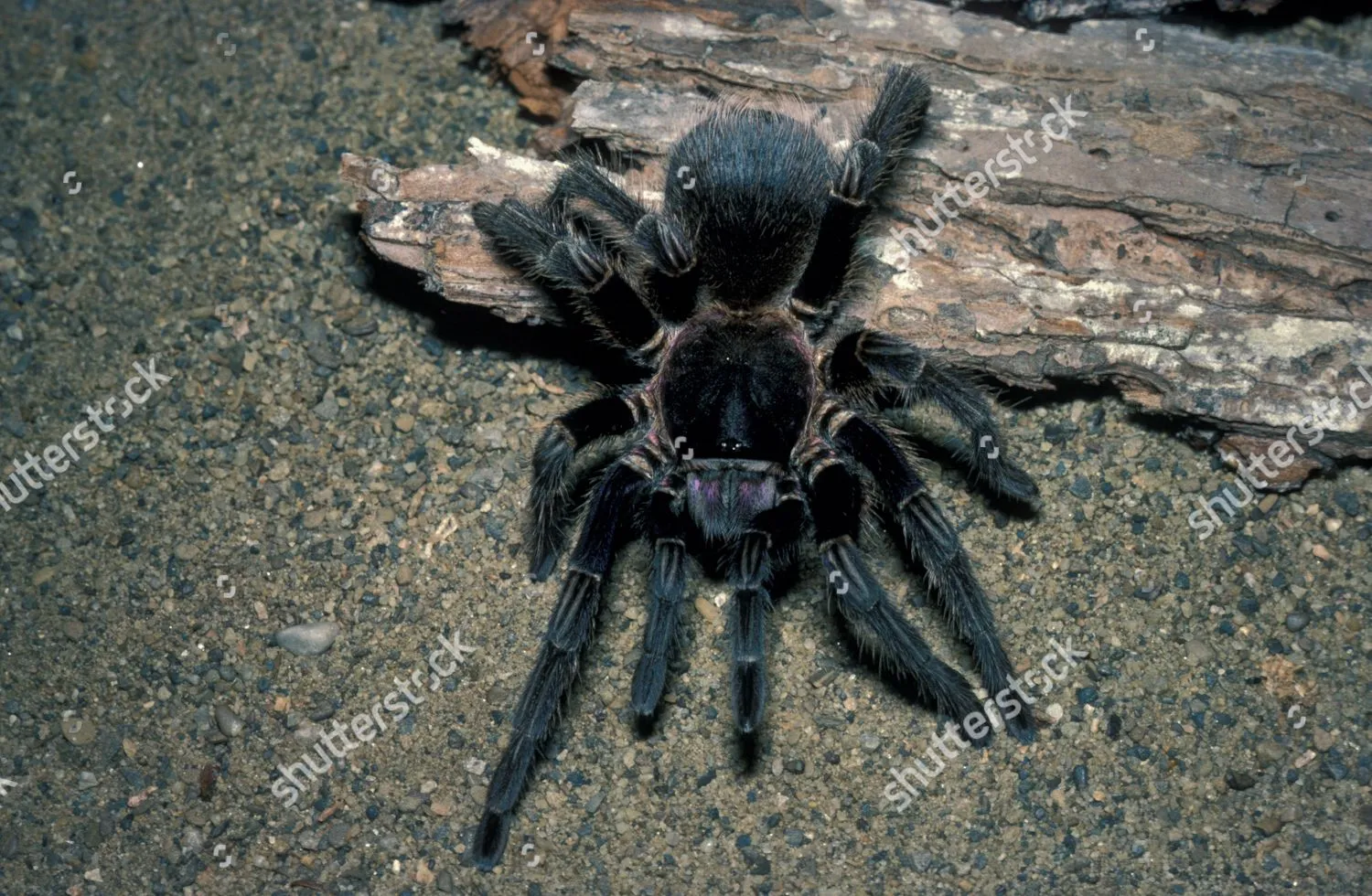
One of the most striking aspects of the Cinnamon Tarantula is, undoubtedly, its appearance. Their bodies are covered in a rich, velvety coat of hairs, creating a texture that is both visually appealing and surprisingly soft to the touch. The overall coloration typically ranges from a warm, reddish-brown to a darker, chocolate hue, perfectly mirroring the color of cinnamon. This coloration serves as excellent camouflage within their natural environment, allowing them to blend seamlessly with the forest floor or burrow walls. These tarantulas possess powerful chelicerae, which they use for grasping and injecting venom, and eight long, segmented legs covered in sensory hairs. They are a sight to behold, a testament to the intricate beauty found in the natural world.
Color Variations and Patterns

While the dominant color of the Cinnamon Tarantula is a shade of reddish-brown or cinnamon, subtle variations can be observed depending on the individual spider and its stage of life. Some may exhibit a slightly lighter or darker tone, while others may display hints of other colors, such as grey or black, on their legs or carapace. The patterns on the abdomen can also vary, with some having intricate markings or subtle stripes. These variations add to the unique charm of each Cinnamon Tarantula, making them individual works of art. These spiders showcase how diverse and unique nature can be, making them so popular among enthusiasts.
Size and Lifespan
The size of the Cinnamon Tarantula varies, but on average, they reach a leg span of around 5 to 6 inches. This places them in the medium-sized category among tarantulas. The females tend to be larger than the males, and their lifespans are significantly longer. Female Cinnamon Tarantulas can live for up to 15 years or more, providing many years of companionship for dedicated owners. Males, however, have a much shorter lifespan, typically living for only a few years after reaching maturity. This difference in longevity is a common characteristic among tarantula species. (Image: Cinnamon Tarantula Size Comparison)
Behavior and Temperament
Cinnamon Tarantulas are generally known for their relatively docile temperament, making them a popular choice for beginner tarantula keepers. They are not typically aggressive and tend to prefer fleeing from perceived threats rather than attacking. This makes them easier to handle (with proper precautions and experience) than some other tarantula species. However, it is essential to remember that each spider has its own personality, and individual behavior can vary. It is important to approach these spiders with respect and caution, understanding their potential defensive behaviors.
Defensive Mechanisms

While Cinnamon Tarantulas are not inherently aggressive, they possess several defensive mechanisms to protect themselves from perceived threats. One common defense is to flick urticating hairs from their abdomen. These hairs, which cause intense itching and irritation upon contact, are a deterrent against predators. They may also adopt a defensive posture, rearing up on their hind legs and displaying their fangs as a warning. In some instances, they might bite if they feel cornered or threatened. Understanding these defensive behaviors is crucial for responsible tarantula ownership.
Hunting and Feeding Habits
Cinnamon Tarantulas are ambush predators, relying on their patience and agility to capture their prey. In the wild, their diet consists primarily of insects, such as crickets, beetles, and other invertebrates. They use their chelicerae to inject venom, which paralyzes their prey, and then they use digestive enzymes to break down the food before consuming it. In captivity, their diet is typically supplemented with commercially available insects, ensuring they receive the necessary nutrients for healthy growth. Proper feeding practices are essential for ensuring the well-being of your pet tarantula. (Image: Cinnamon Tarantula Feeding)
Habitat and Natural Environment
Cinnamon Tarantulas are native to the tropical and subtropical regions of South America. They typically inhabit areas with a warm climate and high humidity, where they can thrive. These spiders often create burrows or take shelter under rocks, logs, or other natural structures. They are well-adapted to their environment, utilizing their camouflage and defensive mechanisms to survive in the wild. Their natural habitats provide essential resources, such as food and shelter. Understanding their natural habitat is key to providing optimal care.
Geographic Distribution

The geographic distribution of Cinnamon Tarantulas is primarily concentrated in the rainforests and grasslands of South America, including countries such as Brazil, Peru, and Colombia. They are well-suited to these environments, where they can find the necessary resources for survival. (Image: Cinnamon Tarantula Geographic Location) They play an important role in their ecosystems, helping to control insect populations and serving as a food source for other animals. Their widespread distribution highlights their adaptability and resilience.
Preferred Living Conditions
In captivity, Cinnamon Tarantulas thrive in a habitat that mimics their natural environment. This includes a terrarium with a substrate of coco coir, peat moss, or a mixture of both. The enclosure should be well-ventilated and maintain a temperature between 75-85°F (24-29°C) with a humidity level of 60-70%. Providing hiding places, such as cork bark or artificial plants, allows the tarantula to feel secure and provides enrichment. Regular maintenance, including spot cleaning and occasional substrate replacement, is essential for maintaining a healthy environment for the spider. (Image: Cinnamon Tarantula Habitat)
Conservation Status
The conservation status of the Cinnamon Tarantula, like many other tarantula species, is currently considered to be of least concern. However, habitat loss and the pet trade can pose threats to their populations. It’s important to support responsible breeding practices and conservation efforts to ensure the long-term survival of these fascinating creatures.
Threats and Challenges

The primary threats to Cinnamon Tarantulas in the wild include habitat destruction due to deforestation, agricultural expansion, and urbanization. The pet trade, if not regulated, can also pose a risk to wild populations if individuals are collected unsustainably. Other challenges include climate change and the potential for introduced species to impact their natural habitats. Awareness and conservation efforts are essential for mitigating these threats.
Importance in the Ecosystem
Cinnamon Tarantulas play a significant role in their ecosystems. As predators, they help control insect populations, which is vital for maintaining the balance of the food chain. They also serve as a food source for larger animals, such as birds and reptiles. Their presence contributes to biodiversity and helps maintain the health of their environment. (Image: Cinnamon Tarantula Ecosystem)
In conclusion, the Cinnamon Tarantula is a remarkable creature, captivating in appearance and fascinating in behavior. From its warm, cinnamon-colored exterior to its relatively docile nature, this tarantula offers a unique insight into the world of arachnids. This exploration has highlighted only a few of the many intriguing facts about this species. Its role in the ecosystem, combined with its overall appeal, make it a species deserving of our respect and appreciation. If you have an interest in these magnificent spiders, this article should give you all the basic info you need to get started.