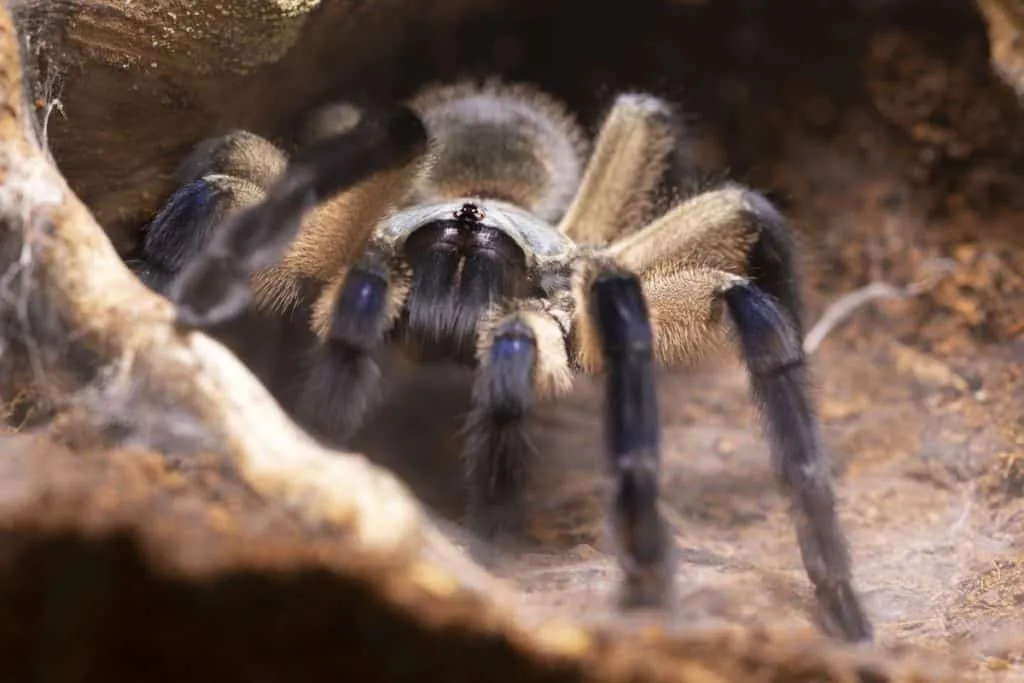
What is the Average Cost of a Tarantula Spider?
The allure of owning a tarantula spider often sparks curiosity about the financial commitment involved. The tarantula spider cost is not a fixed number, but rather a range influenced by several key factors. On average, you can expect to spend anywhere from $20 to several hundred dollars. This initial investment is just the beginning, as you must also factor in ongoing expenses such as housing, food, and veterinary care. Understanding these costs is crucial for anyone considering welcoming one of these fascinating creatures into their home. The cost of a tarantula is not a one-time expense, it’s a commitment that spans the spider’s lifespan, which can range from several years to over two decades, depending on the species.
Species of Tarantula
The species of tarantula is a primary determinant of its cost. Some species are more common and readily available, making them less expensive. For instance, the Chilean Rose Hair tarantula, known for its docile temperament and ease of care, is often one of the most affordable options. Conversely, rarer species, such as certain Old World tarantulas or those with unique color variations, can command significantly higher prices due to their limited availability and desirability among enthusiasts. The price can vary widely. Considering the species is the first step in budgeting for your new pet, as this initial choice will heavily influence the initial tarantula spider cost.
Size and Age of the Tarantula
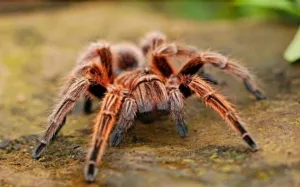
The size and age of the tarantula significantly impact its price. Juvenile tarantulas, or spiderlings, are typically less expensive than adult specimens. This is primarily because they are smaller, less developed, and require less care. As the tarantula grows and matures, its value may increase, especially if it is a female, which can live longer and potentially breed. The size is a factor because larger tarantulas may be more established and easier to handle, appealing to experienced keepers. While purchasing a smaller spiderling can be a cost-effective option, it requires patience and a deeper understanding of their specific care needs. Remember, the tarantula spider cost can increase with age and size, but the initial investment in a smaller specimen can be more budget-friendly.
Origin and Rarity of the Tarantula
The origin and rarity of a tarantula play a crucial role in its cost. Tarantulas from specific regions or those with unique genetic traits are often more valuable. Species that are difficult to breed in captivity or those with specific habitat requirements can also be more expensive. The rarity factor is a significant driver of price, with collectors and enthusiasts often willing to pay a premium for unique or hard-to-find specimens. Consider the geographic origin of the tarantula, as species from certain regions might be more expensive due to import costs, demand, and ethical considerations. The more exclusive the species, the higher the tarantula spider cost is likely to be. Always ensure that the tarantula is sourced from a reputable breeder who prioritizes ethical breeding practices and animal welfare.
Tarantula Spider Cost Top 5 Factors
Species
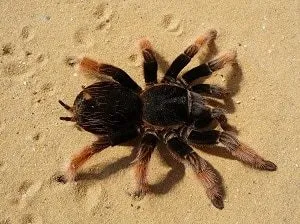
As previously stated, the species is the most significant cost driver. Common species like the Chilean Rose Hair are budget-friendly, while rare and exotic ones can be significantly more expensive. Research the specific species you are interested in to understand its average price range.
Size and Age
Juveniles are less expensive than adults. Adult females, particularly those known for their longevity and breeding potential, can command higher prices. Consider your experience level and long-term goals when choosing the size and age of your tarantula to align with your budget.
Color Morphs
Certain tarantulas exhibit unique color morphs or patterns, which can increase their price. These variations are often the result of selective breeding or genetic mutations. If you are seeking a visually striking tarantula, be prepared to pay a premium.
Origin and Rarity

Tarantulas from specific regions or those that are less common in the pet trade are typically more expensive. Rare species often have specific care requirements, making them a less attractive option for beginner keepers. Research the origin and rarity of the species you are considering to understand its price point and the associated care challenges.
Seller Reputation
Purchasing from a reputable breeder or seller is crucial, as they are more likely to provide healthy specimens and offer accurate information about the tarantula’s care. While reputable sources may charge slightly more, the assurance of quality and support is often worth the investment. Avoid impulse buys and do your research to ensure you are getting a healthy tarantula.
Ongoing Costs of Owning a Tarantula
Housing

The initial tarantula spider cost includes the enclosure. You will need a terrarium or enclosure of appropriate size. The size of the enclosure varies depending on the tarantula species and its size. For terrestrial tarantulas, a ground-level tank is preferable, while arboreal species require taller enclosures. The cost of the enclosure itself can range from $20 to over $100, depending on the material (glass or acrylic), size, and features. Additionally, you will need to factor in the cost of substrate and decor.
Food
Tarantulas are insectivores, meaning they eat insects. The primary food source is typically crickets, mealworms, or roaches. The frequency of feeding varies depending on the tarantula’s age and species. Spiderlings require more frequent feeding than adults. Buying insects in bulk can help manage costs. Expect to spend roughly $10 to $30 per month on food, but this amount will vary depending on your spider’s appetite and food source choices. Ensure you research the ideal diet for your specific tarantula species.
Substrate
Substrate is essential for the tarantula’s habitat, providing a place for burrowing (for terrestrial species) and helping to maintain humidity. Popular substrate choices include coconut fiber, peat moss, and vermiculite. The cost of substrate is relatively low, about $10 to $20, but it needs to be replaced periodically. Consider the specific needs of your tarantula when choosing a substrate, as some species thrive in drier environments than others. Cleanliness is important to ensure the health of your pet.
Veterinary Care

While tarantulas are generally low-maintenance pets, unexpected health issues can arise. Finding a veterinarian specializing in exotic animals, especially invertebrates, is crucial, but can add to the tarantula spider cost. Emergency veterinary care can be expensive. Although regular check-ups are not typically needed, it’s essential to be prepared for potential veterinary costs if your tarantula becomes ill or injured. Research veterinarians in your area beforehand, and consider setting aside a small emergency fund.
Factors Influencing Tarantula Spider Cost
Demand and Supply
Like any market, the demand and supply dynamics significantly influence the tarantula spider cost. When a particular species is in high demand and the supply is limited, the price will be higher. Conversely, when a species is readily available, the price tends to be lower. Keep an eye on market trends to understand the current prices for different species.
Health and Condition

The health and overall condition of the tarantula can impact its price. Tarantulas in good health with no apparent health issues are typically priced higher than those with visible problems. Always inspect the tarantula carefully before purchasing. Look for signs of a healthy appetite, active behavior, and an intact body. A reputable seller should provide health guarantees or allow for a period of observation before the final purchase. If something seems off, it’s better to walk away.
Shipping Costs
If you purchase a tarantula online, shipping costs can add to the overall expense. These costs vary depending on the seller’s location, shipping method, and the time of year. The seller must use safe, temperature-controlled packaging to ensure the tarantula’s survival during transit. Consider the shipping cost when budgeting and compare prices from different sellers, but prioritize the safety and well-being of the tarantula.
Where to Buy a Tarantula and Cost Comparison
Pet Stores
Pet stores are a convenient option for purchasing tarantulas. However, prices might be slightly higher compared to other sources. The advantage of buying from a pet store is the ability to see the tarantula in person and assess its health before purchasing. The staff can also provide immediate advice and assistance. The tarantula spider cost can vary, but pet stores usually offer a selection of common species.
Breeders
Breeders are often the best source for finding healthy tarantulas at reasonable prices. Breeders specialize in specific species and have extensive knowledge about their care and genetics. Buying directly from a breeder allows you to learn about the tarantula’s lineage and health history. This also ensures that you are supporting ethical breeding practices. Because they cut out the middleman, the tarantula spider cost from a breeder is often more competitive than pet stores.
Online Marketplaces
Online marketplaces offer a vast selection of tarantulas from various sellers. These platforms often have a wider range of species and prices than pet stores. However, be cautious when buying online, as the quality and health of the tarantula can vary. Research the seller’s reputation thoroughly before making a purchase. Carefully review the seller’s reviews and ratings and ask for detailed photos and videos of the tarantula. While the tarantula spider cost might appear lower, ensure you factor in shipping costs and any potential risks.
Conclusion
Understanding the tarantula spider cost is crucial before welcoming one of these fascinating creatures into your home. The price varies based on numerous factors, including the species, size, age, origin, and seller’s reputation. Consider not only the initial purchase price but also the ongoing costs of housing, food, substrate, and potential veterinary care. By doing your research, comparing prices from different sources, and prioritizing the health and well-being of the tarantula, you can make an informed decision and enjoy the rewarding experience of owning one of these unique pets. Remember, responsible pet ownership involves a financial commitment, but the joy and fascination of observing a tarantula can be truly priceless.