7 Amazing Facts About the Costa Rican Tarantula
The Costa Rican Tarantula, scientifically known as Aphonopelma seemanni, is a fascinating creature that captures the attention of both arachnid enthusiasts and casual observers. Native to the tropical regions of Central America, particularly Costa Rica and Nicaragua, these spiders possess a unique blend of beauty, adaptability, and intriguing behaviors. From their striking appearance to their relatively docile nature, Costa Rican Tarantulas offer a wealth of interesting facts. This article delves into seven amazing facts about these captivating creatures, providing an in-depth look at their characteristics, habitat, and the unique aspects that make them stand out in the world of spiders.
Appearance and Characteristics
Size and Coloration

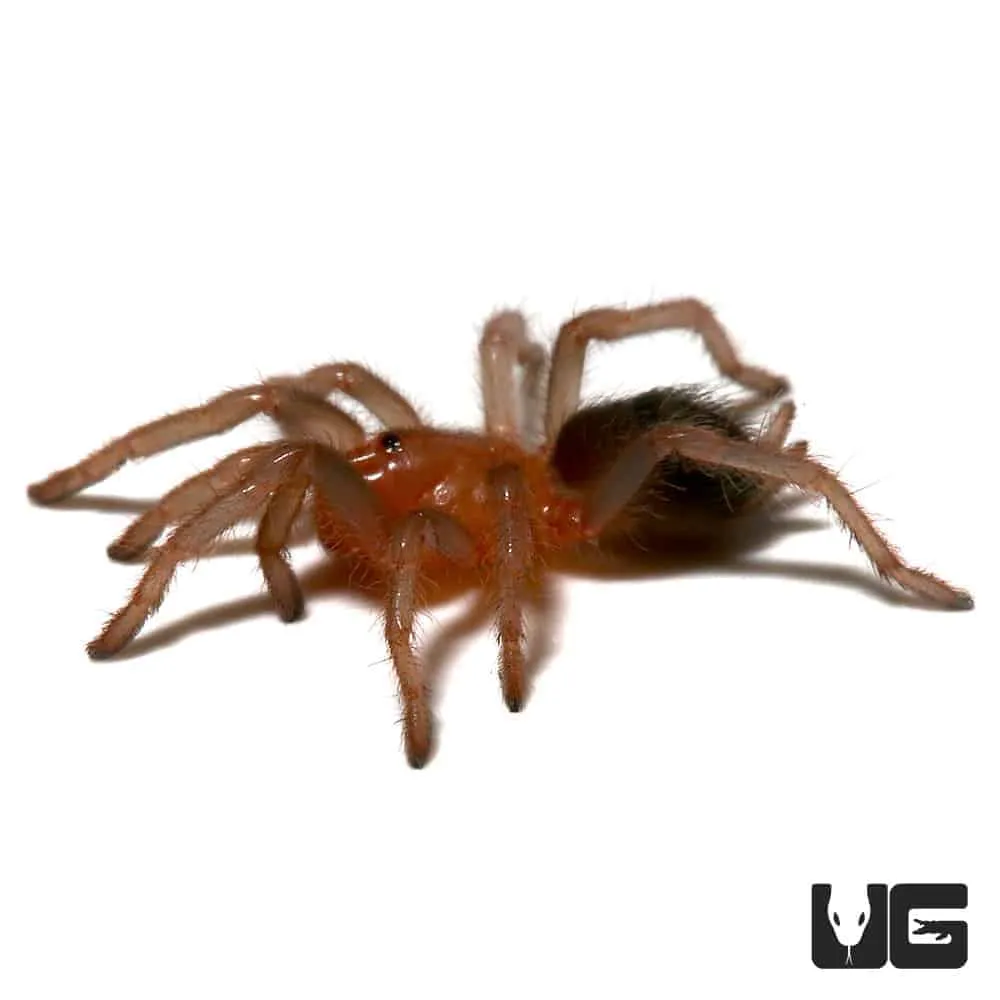
Costa Rican Tarantulas are medium to large spiders, with females typically being larger than males. Adult females can have a leg span of up to 5-6 inches (13-15 cm), while males are slightly smaller. Their coloration is typically a combination of brown and tan, with some variations. The carapace (the top part of the cephalothorax) often exhibits a lighter hue, ranging from tan to light brown. The legs are usually a darker shade, often a rich brown, with the leg joints sometimes displaying lighter bands. This coloration helps them blend in with their natural surroundings, providing effective camouflage from both predators and prey. The overall appearance of these tarantulas is robust, reflecting their terrestrial lifestyle and the need for a sturdy build.
Habitat and Distribution
Natural Environment
These tarantulas are native to the tropical dry forests and grasslands of Costa Rica and Nicaragua. In their natural habitat, they construct burrows in the ground or utilize existing shelters, such as under rocks or logs. The climate in these regions is characterized by warm temperatures and distinct wet and dry seasons. The spiders are well-adapted to these conditions, often becoming more active during the rainy season when prey is abundant. They thrive in environments with moderate humidity and a variety of ground cover, providing them with ample opportunities to hunt and hide. The specific distribution of Costa Rican Tarantulas is influenced by factors like soil type, the availability of suitable shelter, and the presence of prey species.
Diet and Feeding Habits

What Costa Rican Tarantulas Eat
Costa Rican Tarantulas are primarily insectivores, meaning their diet consists mainly of insects. In the wild, they feed on a wide variety of prey, including crickets, grasshoppers, beetles, and other invertebrates. They are ambush predators, waiting patiently in their burrows or concealed locations until prey comes within striking distance. Once an insect is close enough, the tarantula swiftly attacks, injecting venom to immobilize and begin the digestive process. In captivity, they can be fed a similar diet. Captive tarantulas often eat crickets, mealworms, roaches, and other commercially available insects. The size of the prey should be appropriate for the size of the spider, with juveniles eating smaller insects and adults consuming larger ones. Proper feeding is essential for their health and growth.
Venom and Defensive Mechanisms
Is Their Venom Dangerous

The Costa Rican Tarantula possesses venom, which it uses to subdue its prey. However, their venom is generally considered to be of low toxicity to humans. A bite from this tarantula is not typically life-threatening, but it can cause localized pain, redness, and swelling at the bite site. Some individuals may experience more severe reactions, such as muscle cramps or nausea, but these are rare. In addition to their venom, they have other defensive mechanisms, such as urticating hairs. These tiny hairs are located on the abdomen and can be flicked off to irritate potential threats. When agitated, a Costa Rican Tarantula may raise its front legs and expose its fangs as a warning. Despite these defenses, they are generally considered to be docile spiders and are not prone to biting unless provoked.
Lifespan and Reproduction
Reproduction Process
Female Costa Rican Tarantulas have a significantly longer lifespan than males. Females can live for up to 10-20 years, while males typically only live for a few years after reaching maturity. Reproduction in these tarantulas involves a complex mating ritual. The male spider will often construct a sperm web and deposit his sperm onto it before transferring it to the female during mating. After mating, the female produces an egg sac, which can contain hundreds of eggs. She diligently guards the egg sac until the spiderlings hatch. The spiderlings then undergo a series of molts as they grow, eventually becoming adults. The entire process from mating to the maturation of offspring highlights the remarkable life cycle of the Costa Rican Tarantula.
Costa Rican Tarantulas as Pets

Ideal Enclosure
Costa Rican Tarantulas are popular choices for pet owners due to their relatively docile nature and ease of care. They require a suitable enclosure that mimics their natural habitat. A glass terrarium or plastic enclosure is ideal, with dimensions that allow for burrowing and movement. The enclosure should include a substrate such as a mix of coconut fiber, peat moss, and vermiculite, to provide a suitable burrowing medium and help maintain humidity. A hide, such as a piece of cork bark or a hollow log, should be provided for the tarantula to feel secure. A shallow water dish should also be included, ensuring the tarantula always has access to fresh water. Temperature and humidity levels should be monitored to replicate the conditions of their native environment.
Interesting Behaviors
Molting Process

Costa Rican Tarantulas exhibit a range of interesting behaviors. One of the most fascinating is the molting process. As they grow, tarantulas shed their exoskeleton in a process known as molting. This involves the spider retreating into a secure location, lying on its back, and gradually emerging from its old skin. During this process, the tarantula is vulnerable, as its new exoskeleton is soft and delicate. Another interesting behavior is their hunting strategy. They are ambush predators, patiently waiting for prey to come within reach. They also exhibit defensive behaviors when threatened, such as raising their front legs and flicking urticating hairs. These behaviors showcase the complex life and adaptations of these amazing creatures.
The Costa Rican Tarantula offers a unique and rewarding experience for those interested in keeping spiders as pets. Their beauty, docile nature, and fascinating behaviors make them a captivating addition to any collection. By understanding their needs and providing the proper care, you can enjoy the company of these intriguing creatures for many years to come.