The Dreaded Tarantula Hawk Bite
The harsh landscapes of the American Southwest house many remarkable creatures, but few evoke the same level of apprehension as the tarantula hawk. This formidable wasp, renowned for its enormous size and an incredibly painful sting, poses a particular threat to coyotes, especially those in arid environments. While humans are not the primary target, the consequences of a tarantula hawk sting can be severe. The pain is momentary but still incredibly agonizing to coyotes. This article will discuss the unique relationship between the tarantula hawk and the coyote. The main objective is to provide valuable insights into wildlife behavior, survival tactics, and the measures that can be taken to mitigate the risks associated with this interaction. Understanding the dynamic between these two creatures is critical for anyone living in or visiting these areas.
What is a Tarantula Hawk?
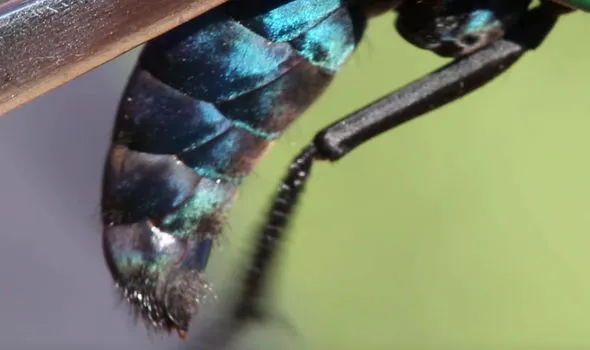
The tarantula hawk, scientifically known as Pepsis grossa, belongs to the Pompilidae family of spider wasps. The tarantula hawk is easily recognizable by its considerable size, which often reaches up to two inches, with the female typically being larger than the male. They are also characterized by their black or bluish-black bodies and vibrant, rust-colored wings. These solitary insects are known for their unique hunting strategies. Their diet predominantly includes nectar and pollen, but they are famous for their parasitic behavior, specifically targeting tarantulas. The female tarantula hawk’s strategy involves paralyzing a tarantula with its sting and dragging it to a burrow. After which, they lay an egg on its abdomen and bury it. The larva will hatch, and feed on the paralyzed spider, eventually killing it. This process highlights the intricate life cycle of the tarantula hawk.
Tarantula Hawk Characteristics

The tarantula hawk possesses several distinct characteristics that set it apart in the insect world. The most apparent feature is its striking appearance: a large size and vivid coloration. Females are generally larger, featuring a powerful sting that they use to subdue prey. The venom itself is incredibly potent, delivering an excruciating sting, though it is not lethal to humans. Their long, spiny legs are adapted for digging and manipulating their prey. They also have a remarkable capacity to navigate and locate spider burrows. These elements highlight the tarantula hawk’s role in the ecosystem and the potential danger it poses to other animals. The tarantula hawk has mastered its environment, expertly using its unique characteristics to survive in the harsh desert climate.
The Coyote’s World
Coyotes, scientifically known as Canis latrans, are incredibly adaptable canids, prevalent throughout North and Central America. They are opportunistic omnivores, their diet varying from small mammals and birds to insects, fruits, and carrion. Coyotes, known for their intelligence and adaptability, have successfully expanded their range and thrived in a variety of habitats. They are typically smaller than wolves and are characterized by bushy tails, pointed ears, and yellow eyes. Coyotes have a role to play in the ecosystem, like controlling rodent populations and scavenging for food. Their social structure can vary, ranging from solitary individuals to packs, and that depends on resources and population density. Understanding the coyote’s behavior, diet, and habitat is crucial for evaluating the risks they face from creatures like the tarantula hawk.
Coyote Habitat and Behavior
Coyotes are very adaptable and can inhabit various environments, including deserts, grasslands, forests, and even urban areas. They have adapted to different climates and habitats, their adaptability is one of their greatest strengths. They typically live in underground burrows, rock crevices, or dense vegetation. Coyotes are most active during dawn and dusk but can be active any time of the day. They are highly social animals, often living in family groups with complex communication methods. Coyotes communicate through vocalizations, scent marking, and body language. Their intelligence and resourcefulness allow them to survive in varied conditions, but they still have natural predators and dangers. They exhibit complex hunting strategies, sometimes working together to catch prey. This behavior highlights the coyote as a resilient and intelligent species that thrives in a variety of environments.
The Clash Coyote vs Tarantula Hawk

The encounter between a coyote and a tarantula hawk is rare but potentially dangerous. Coyotes are not a typical food source of tarantula hawks; however, incidental encounters can result in painful stings. Coyotes are curious and opportunistic, so they may disturb a tarantula hawk’s nest or come into contact with the wasp while foraging. This can lead to the coyote being stung, usually on the face, paws, or other sensitive areas. The coyote’s response to the sting can vary, but it often includes immediate distress and attempts to relieve the pain. The consequences of a sting can range from slight discomfort to more serious reactions, depending on the location of the sting and the individual coyote’s sensitivity. Understanding the context of this interaction is important for reducing the risk of these encounters.
How Tarantula Hawks Attack
Tarantula hawks primarily use their sting for defense and predation. When threatened, the wasp will sting defensively, injecting venom that causes extreme pain. The pain is caused by the complex chemical compounds within the venom. The sting itself is not always lethal, but it can incapacitate victims. The sting is notoriously painful, earning the tarantula hawk the moniker of ’the most painful sting in the world.’ When hunting, the tarantula hawk will seek out tarantulas, paralyzing them with a sting. The wasp then drags the spider to a burrow, where it lays an egg on its abdomen. This parasitic relationship ensures the wasp’s survival. The tarantula hawk’s sting mechanism and venom composition are highly specialized, making it an efficient predator and a formidable opponent for anything that threatens it.
The Bite and its Impact
The impact of a tarantula hawk sting on a coyote is considerable, potentially affecting its behavior and well-being. The sting delivers intense pain, triggering immediate distress. A coyote may exhibit behaviors such as yelping, pawing at the stung area, and attempting to rub the area on the ground. The sting’s location can influence the severity of the reaction. Stings on the muzzle, paws, or near the eyes can be particularly debilitating. Although the venom is not lethal to coyotes, the pain and discomfort can last for several minutes, potentially impairing their ability to hunt, eat, or defend themselves. The sting’s effects can also make the coyote more vulnerable to other dangers, potentially leading to further complications. The pain’s duration can vary depending on individual sensitivity and the amount of venom injected. In extreme cases, a coyote may experience swelling, localized inflammation, and temporary behavioral changes.
Fact One The Severity

The severity of a tarantula hawk sting on a coyote can be influenced by the location and the coyote’s sensitivity. Although rarely fatal, the pain can be extreme. The degree of severity is directly linked to the amount of venom injected and the site of the sting. Stings on the muzzle, paws, or near the eyes can have a greater impact than stings on less sensitive areas. The coyote’s size, overall health, and pain sensitivity also affect the sting’s intensity. It can range from mild discomfort to more severe reactions, including swelling and behavioral changes. Coyotes are not immune to the effects of the sting and must endure a period of extreme pain. The severity of the sting is a key factor in understanding its consequences.
Fact Two The Pain
The pain of a tarantula hawk sting is legendary, often described as one of the most excruciating insect stings in the world. The pain is immediate and intense, accompanied by a burning sensation that may be followed by throbbing. Coyotes display a range of behaviors, including yelping, rubbing the affected area, and trying to alleviate the pain. The pain is caused by neurotoxins injected by the wasp, disrupting the nervous system and causing extreme discomfort. The pain may persist for several minutes, or even hours. The intensity of the pain can be distracting, potentially putting the coyote at risk from other predators or environmental hazards. Though not life-threatening, the pain can greatly impact the coyote’s ability to function normally and may cause considerable distress. The pain is a central factor in understanding the sting’s impact.
Fact Three The Duration
The duration of pain from a tarantula hawk sting can vary, but it usually lasts from several minutes to a few hours. The duration depends on factors like the amount of venom, the sting’s location, and the coyote’s sensitivity. Coyotes may experience prolonged discomfort and distress, which can affect their normal activities. The initial reaction to the sting is often the most intense, with the burning sensation gradually subsiding over time. Swelling and inflammation may persist for several hours after the initial sting. The duration of the pain is a crucial factor in the overall impact on the coyote. While the pain eventually subsides, the experience can leave a lasting impression. The duration of the pain can affect the coyote’s hunting and survival capabilities.
Fact Four The Aftermath

The aftermath of a tarantula hawk sting on a coyote can include several effects. In addition to immediate pain, coyotes may experience localized swelling, redness, and inflammation at the sting site. A coyote may exhibit behavioral changes, such as increased restlessness, avoiding certain areas, or reduced appetite. The coyote’s normal activities, such as hunting and foraging, may be temporarily disrupted. The after-effects are usually not life-threatening, but they can significantly impact the coyote’s short-term well-being and survival. The coyote will likely experience a period of recovery, during which it will attempt to soothe the affected area and recover. Understanding the aftermath is essential for assessing the overall impact of the sting and evaluating the long-term consequences for coyotes. The coyote will likely need some time to recover and will be more vulnerable to threats.
Fact Five Coyote Survival
Coyotes are naturally resilient animals, and have developed several strategies to ensure survival. They are highly adaptable, which allows them to thrive in diverse environments. Their diet is varied and they are effective hunters; however, coyotes also demonstrate other behaviors. When faced with a tarantula hawk sting, a coyote’s survival depends on several factors. The coyote’s ability to cope with the pain and the location of the sting will influence its capacity to survive. A quick recovery can minimize the impact of the sting. Coyotes will often attempt to avoid areas where tarantula hawks are present. Their intelligence and ability to learn from experience can also enhance their chances of survival. Coyotes are naturally resilient, which allows them to endure, but the pain of the tarantula hawk sting presents a clear danger. The coyote’s ability to heal quickly and continue to function is key.
How to Protect Coyotes
Protecting coyotes from tarantula hawk stings involves a multi-faceted approach. The encounters are accidental, it’s difficult to eliminate the risk entirely. Minimizing the chances of interaction between coyotes and tarantula hawks is key. Understanding their behavior and habitat and educating the community are vital. Reducing the likelihood of these encounters is essential for keeping coyotes safe, and requires several steps. Education, habitat management, and caution are important components of this effort. By taking appropriate measures, we can help protect these important animals from the potentially harmful impacts of tarantula hawk stings.
Reducing Coyote Exposure

Reducing the likelihood of coyotes encountering tarantula hawks is essential for their protection. This can be done through several methods, including habitat management and caution. This includes actions such as maintaining a safe distance from tarantula hawk habitats and avoiding disturbing their nests. Removing potential attractants for both coyotes and tarantula hawks, such as food sources or debris, can help. Avoiding areas where tarantula hawks are active, especially during peak season, can reduce the risk of stings. Community awareness can also encourage responsible behavior. By implementing these measures, the likelihood of coyote-tarantula hawk encounters decreases, minimizing the risk of stings.
Educating the Community
Educating the community about the tarantula hawk and the coyote is essential for promoting safe coexistence. Sharing information about their behavior, habitat, and potential risks helps people understand these interactions. Awareness of the impact of tarantula hawk stings on coyotes encourages people to take precautions. Educational initiatives can include workshops, informative materials, and online resources. Local organizations can organize events to share knowledge and promote responsible practices. Encouraging respectful behavior and safety measures where these animals share a habitat is crucial for the well-being of the coyotes and improves the relationship within the community. This enhances public understanding and promotes safe coexistence.