
Understanding the Curly Hair Tarantula
The Curly Hair Tarantula (Tliltocatl albopilosus), a popular choice for both novice and experienced arachnid enthusiasts, is a terrestrial tarantula native to the rainforests of Central America. Their gentle temperament, striking appearance, and relatively simple care requirements make them an excellent option for those looking to delve into the world of tarantula keeping. This comprehensive guide provides everything you need to know about providing optimal care for your Curly Hair Tarantula, ensuring its health and longevity. Understanding their natural environment and needs is the first step toward responsible pet ownership, allowing you to create a thriving habitat and provide the necessary care for your fascinating eight-legged companion. These tarantulas are known for their docile nature and their beautiful, curly hairs that give them their name, offering a captivating experience for any owner who appreciates the unique beauty of nature’s wonders.
Origin and Habitat
Curly Hair Tarantulas originate from the rainforests of Costa Rica and Nicaragua, where they dwell in burrows and under rocks, seeking refuge from predators and the elements. Understanding their natural habitat is crucial for replicating these conditions in captivity. They thrive in a humid environment with a temperature gradient, allowing them to thermoregulate effectively. Recreating this environment is key to their well-being. The substrate they naturally inhabit is a mix of soil, leaf litter, and decaying organic matter, which provides both shelter and a place to burrow. The humidity and temperature fluctuations in their natural habitat should be carefully considered when designing their enclosure. These tarantulas are well-adapted to their environment. Their natural habitat provides valuable insights into their specific care requirements.
Physical Characteristics

The Curly Hair Tarantula gets its name from the distinctive curly hairs that cover its body, especially the legs. These hairs are not only visually appealing but also serve as a defense mechanism, causing irritation if they come into contact with a predator. They typically have a dark brown or black body, with the curly hairs ranging from golden to reddish-brown. They are a medium-sized tarantula, with females reaching a leg span of up to 6 inches, while males are generally smaller. Their coloration is a key characteristic, changing slightly as they mature and molt. Their appearance makes them one of the most visually appealing tarantulas. Their distinctive physical features, including their curly hairs, set them apart from other tarantula species. Understanding these physical attributes allows for better care and appreciation for these amazing creatures.
Creating the Perfect Habitat
Creating a suitable habitat is essential for the health and well-being of your Curly Hair Tarantula. The enclosure should mimic their natural environment, providing adequate space, a suitable substrate, and appropriate temperature and humidity levels. Proper setup not only ensures their physical health but also reduces stress, promoting a longer, healthier life. This involves careful consideration of various factors. The goal is to make your tarantula feel safe and comfortable in its new home, which can be achieved by implementing the following recommendations. A well-designed habitat reduces stress and improves the tarantula’s overall well-being, which directly impacts its lifespan and activity levels. This is one of the most important steps for a successful tarantula ownership experience.
Choosing the Right Enclosure
An appropriately sized enclosure is critical. For a juvenile Curly Hair Tarantula, a 5-10 gallon tank is sufficient, while adults require a 10-20 gallon tank or larger. The enclosure should be escape-proof, with a secure lid, as tarantulas are skilled climbers and can squeeze through surprisingly small gaps. Ventilation is crucial to prevent the buildup of mold and maintain air quality. The enclosure should have adequate ventilation to prevent moisture buildup. The enclosure should also offer adequate space for burrowing. Choose an enclosure made of glass or clear plastic for easy viewing and monitoring. The size of the enclosure directly correlates with the tarantula’s health and activity levels. Therefore, selecting the right enclosure is one of the most important factors.
Substrate Selection

The substrate should be absorbent to maintain humidity and allow for burrowing. A mixture of coco fiber, peat moss, and vermiculite is ideal. The substrate should be deep enough – at least 4-6 inches – to allow the tarantula to burrow, providing a sense of security and promoting natural behaviors. Avoid substrates that can be harmful or toxic. The substrate also helps regulate humidity levels within the enclosure. Adding a layer of sphagnum moss can help retain moisture. Ensure the substrate is kept clean and replace it as needed to prevent the buildup of mold or bacteria. The right substrate plays a crucial role in replicating their natural habitat. This is a vital component for the health and comfort of your pet.
Temperature and Humidity Control
Maintaining the correct temperature and humidity levels is crucial for the health of your Curly Hair Tarantula. The ideal temperature range is between 75-85°F (24-29°C). A heat mat placed on the side of the enclosure (not the bottom) can provide a gentle heat source. Humidity should be kept between 65-75%, which can be achieved by misting the enclosure with dechlorinated water every few days. Use a hygrometer to monitor humidity levels. Regular misting is an easy and effective way to maintain adequate humidity. Proper temperature and humidity are essential for the tarantula’s metabolism and overall well-being. They also help in the molting process. These parameters mimic the natural habitat and thus ensure the best conditions for your tarantula.
Feeding Your Curly Hair Tarantula
Feeding your Curly Hair Tarantula properly is essential for its growth and overall health. Providing the right food and frequency of meals are vital aspects of tarantula care. This ensures they receive the necessary nutrients to thrive in captivity. They need a balanced diet. An improperly fed tarantula is more susceptible to health issues. The type of food, along with how often you feed your tarantula, contributes significantly to its health. These tarantulas have specific dietary needs. Therefore, the owner should be aware of the following considerations when feeding a Curly Hair Tarantula.
What to Feed

The primary diet for Curly Hair Tarantulas consists of insects. Crickets, mealworms, and dubia roaches are all suitable options. It is important to vary the diet to ensure they receive a range of nutrients. Pre-killed insects are recommended to prevent injury to the tarantula. Always ensure the insects are gut-loaded with nutritious food before feeding them to your tarantula. Gut-loading the insects before feeding them to your tarantula ensures they’re getting all of the essential nutrients. Avoid feeding wild-caught insects, as they may carry parasites or pesticides. A balanced diet is the cornerstone of tarantula health. A diverse diet helps ensure that your tarantula receives a wide range of nutrients, promoting healthy growth and development.
Feeding Frequency
Feeding frequency depends on the age of the tarantula. Spiderlings (young tarantulas) should be fed every other day, while juveniles can be fed 2-3 times a week. Adult tarantulas can be fed once a week or every other week, depending on their appetite and size. Overfeeding can lead to health issues. Adjust the feeding schedule based on the tarantula’s size and growth. Always remove uneaten food within 24 hours to prevent mold and mites. Observe your tarantula’s behavior to gauge its appetite and adjust the feeding schedule. Proper feeding frequency is a crucial factor in ensuring your tarantula remains healthy and active. Pay attention to your tarantula’s eating habits. This will help you to determine the most suitable feeding schedule.
Watering and Hydration
Providing fresh water is essential. A shallow water dish should be available at all times. Use a small dish to avoid the risk of the tarantula drowning. Change the water regularly to keep it clean. Some tarantula keepers choose to mist the enclosure to provide additional hydration, especially for spiderlings. Ensure the water is always clean and free from contaminants. Regular access to clean water supports all the vital functions of the tarantula. Hydration is a key factor that affects the overall health of your Curly Hair Tarantula.
Handling and Safety

While Curly Hair Tarantulas are known for their docile nature, handling should be approached with caution and respect. Tarantulas can be fragile and prone to injury if mishandled. Proper handling techniques are important for both the tarantula’s safety and the handler’s well-being. Always be mindful of their environment and behavior. Proper handling ensures the safety of both the tarantula and the handler. By following these guidelines, you can minimize risks and enjoy a safe interaction with your pet. Consider the risks before handling your tarantula.
Safe Handling Practices
Handling should be minimized, and only done when necessary (e.g., cleaning the enclosure). If you choose to handle your tarantula, do so close to the ground or a soft surface, in case it falls. Gently encourage the tarantula to walk onto your hand, avoiding any sudden movements. Never grab or squeeze the tarantula. If you are a beginner, it is recommended to observe the tarantula in its enclosure. Wash your hands thoroughly before and after handling, and avoid using scented soaps or lotions. Observe its behavior. Ensure the safety of both the handler and the tarantula. Handling should be done with care and respect. Avoid handling when the tarantula is about to molt.
Recognizing Stress Signals
Tarantulas display various signs of stress, and it’s important to recognize these to avoid injury. Some stress signals include flicking hairs off their abdomen (a defensive behavior), a defensive posture with fangs bared, or rapid movement. If your tarantula displays these signs, it is best to leave it alone and allow it to retreat to its burrow. Stress can be caused by improper handling, environmental changes, or lack of security. Recognizing stress signals is an important part of responsible tarantula care. It allows you to quickly identify and address potential problems. When a tarantula exhibits stress signals, it means that something is not right, and the owner must take corrective measures. Avoid situations that cause stress. A healthy tarantula is a happy tarantula.
Common Health Issues and Care
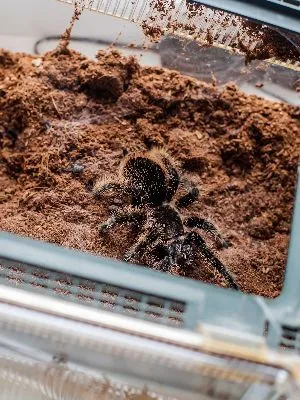
Like all living creatures, Curly Hair Tarantulas can experience health problems. Being aware of common issues and knowing how to address them is essential for their care. Preventative care is the best approach. Regular observation and a well-maintained environment can help prevent many health problems. They are susceptible to various health issues. A proactive approach can help ensure your tarantula lives a long and healthy life. Knowing how to identify and address potential problems is a key aspect of tarantula ownership. Proper health care practices contribute to the overall well-being of the tarantula.
Moulting Process
Moulting is a natural process where the tarantula sheds its exoskeleton to grow. During this time, the tarantula is vulnerable and should be left undisturbed. The frequency of moulting depends on the tarantula’s age, with younger tarantulas moulting more often than adults. Signs of an impending moult include loss of appetite, lethargy, and the tarantula spending more time in its burrow. Provide a humid environment during the moult and avoid disturbing the tarantula. After moulting, the tarantula will be soft and vulnerable. Avoid handling it until its new exoskeleton hardens. The moulting process is a key part of a tarantula’s development. Leave your tarantula alone during molting. Allow it to finish the process on its own.
Parasites and Diseases
Curly Hair Tarantulas are generally hardy, but can be susceptible to parasites and diseases. Mites can infest tarantulas, causing irritation and potential health issues. Inspect the tarantula and its enclosure regularly for any signs of mites. If mites are detected, quarantine the tarantula and clean the enclosure thoroughly. Fungal infections can occur if the environment is too humid or if the substrate is not clean. Provide proper ventilation and maintain a clean environment to prevent fungal infections. Contact a veterinarian if you suspect your tarantula is sick. Contacting an expert can help you to identify and manage any health concerns. Prevention is the best approach to health issues.
Breeding and Reproduction

Breeding Curly Hair Tarantulas can be a rewarding experience, but it requires a good understanding of their reproductive behavior and specific requirements. It’s a process that involves careful planning. It is best undertaken by experienced keepers. Providing the right environment is essential for successful breeding. A successful breeding program requires dedication. Understanding the tarantula’s reproductive behavior is vital for a good outcome. This will improve the likelihood of a successful breeding attempt.
Sexing Your Tarantula
Determining the sex of your tarantula is the first step in the breeding process. This can be done by examining the underside of the tarantula. The presence of spermathecae (in females) or the presence of tibial hooks (in males) is key. The most accurate method for determining sex is by examining the exuvium (shed exoskeleton) after moulting. Use a magnifying glass. Sexing tarantulas can be tricky. It requires a good understanding of the species and the examination techniques. An experienced tarantula keeper can assist with this. Learning how to identify the sex of your tarantula helps to plan breeding activities.
Mating and Egg Sac Management
If you have a male and female, you can attempt to breed them. Introduce the female to the male in her enclosure, under careful supervision. Be prepared to separate the spiders quickly if the female shows aggression. If mating is successful, the female will produce an egg sac. The female will carefully guard the egg sac. It is important to maintain optimal conditions for incubation. After the eggs hatch, the spiderlings should be separated and kept in individual enclosures. Breeding is a complex process. It takes careful planning and a good understanding of tarantula behavior. The breeder should be knowledgeable and patient. Careful monitoring is essential.
Conclusion

Caring for a Curly Hair Tarantula is a rewarding experience. By providing the right environment, food, and care, you can enjoy the company of these amazing creatures for many years. Remember to prioritize their well-being. Always be mindful of their needs and behaviors. This comprehensive guide provides a roadmap for responsible tarantula ownership. With proper care and attention, your Curly Hair Tarantula can thrive. Continue to learn and adapt your care routine to meet their evolving needs. Enjoy your journey as a tarantula keeper.