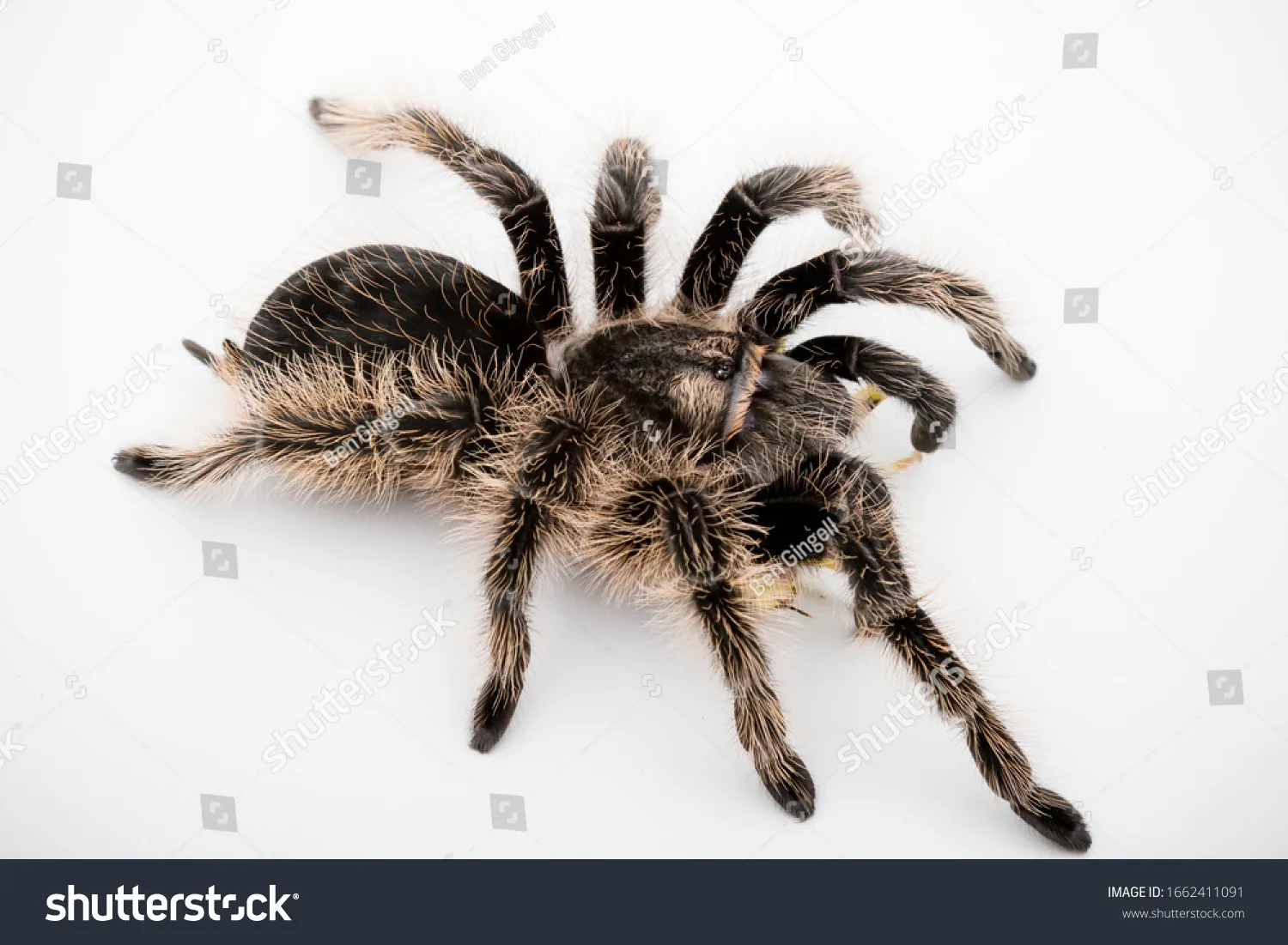
Understanding Curly Hair Tarantulas
The Curly Hair Tarantula ( Tliltocatl albopilosus ) is a popular pet tarantula known for its docile temperament and distinctive appearance. Native to the rainforests of Central America, these spiders are relatively easy to care for, making them a good choice for beginner tarantula keepers. Understanding their nature is the first step towards safe and positive handling experiences. They are known for their relatively slow movements, which, coupled with their mild temperament, contributes to making them one of the most handled tarantulas. However, remember that they are still wild animals, and their behavior can vary. They possess urticating hairs which are for self-defense. These hairs can cause mild to moderate irritation upon contact. Be sure to have a healthy respect for these creatures.
Temperament and Behavior
Curly Hair Tarantulas are generally considered to be calm and not particularly aggressive. When threatened, they often prefer to flee or flick urticating hairs rather than bite. However, this can vary from individual to individual. Some may be more defensive than others. Recognizing signs of stress is crucial. A defensive posture may involve raising their front legs, showing fangs, or rapid movement. If your tarantula displays these behaviors, it’s best to avoid handling it at that moment. They can also be quite skittish, so handling them requires patience and a calm approach. Always be aware of their body language to gauge their comfort level.
Why Proper Handling Matters

Handling your Curly Hair Tarantula incorrectly can lead to stress, injury, or even escape. A fall from even a short distance can be fatal to a tarantula due to their fragile exoskeletons. Stress can also impact their health, leading to a loss of appetite or changes in their molting cycle. Additionally, improper handling might result in your tarantula fleeing, causing a stressful situation for both you and the spider, and the potential loss of your pet. By following safe handling practices, you ensure your tarantula’s well-being and create a more positive experience for both you and your pet. Proper handling can also help you bond with your tarantula.
Preparing for Handling
Before handling your Curly Hair Tarantula, it’s essential to prepare properly. This involves setting up a safe environment and gathering the necessary tools. Taking these precautions minimizes the risk of accidents and creates a comfortable experience for your tarantula. Preparation is key to ensuring that you can handle your tarantula in a safe and responsible way. This will protect both you and your spider and create an opportunity for closer observation and appreciation of your pet.
Creating a Safe Environment
Choose a secure and enclosed area for handling, such as a large, empty room or a surface free from potential hazards like sharp objects or gaps where your tarantula could escape. Ensure the room is well-lit to avoid startling your tarantula and allow for clear observation. Close all windows and doors to prevent escape, and consider placing soft mats or blankets on the floor in case the tarantula falls. This will soften the fall. Keeping the environment free from distractions and potential dangers contributes to a calmer handling experience for both you and your tarantula, reducing the risk of stress or injury.
Gathering the Right Tools

While not strictly necessary, certain tools can make handling easier and safer. A soft-bristled brush can gently encourage your tarantula to move or be used to gently guide it. Long tweezers can be useful for gently relocating your tarantula or for removing any debris. A clear container with a secure lid can be helpful for temporary housing during enclosure cleaning or emergencies. Always handle your tarantula in a way that allows you to keep track of its movements and behavior. Always have a plan, a safe space, and the right tools to ensure a safe and enjoyable experience for both you and your pet.
Top 5 Tips for Handling Curly Hair Tarantulas
Handling a Curly Hair Tarantula requires patience, caution, and a gentle touch. By following these top 5 tips, you can create a safe and positive experience for both you and your pet. These tips will help minimize stress for your tarantula while allowing you to appreciate its unique characteristics. Always remember that your spider’s well-being should always be your top priority. Be sure to always do what’s best for your tarantula.
Tip 1 Slow and Steady Movements
Avoid sudden movements that could startle your tarantula. Approach it slowly and speak in a calm voice. Fast movements can be interpreted as threats, causing your tarantula to become defensive or attempt to flee. Make sure your hands are clean and free of any strong smells, like hand soap. As you approach, observe your tarantula’s behavior. If it seems relaxed, you can gently encourage it to walk onto your hand. Never grab or try to force the spider to move. Slow movements are the most crucial aspect of safe and stress-free handling.
Tip 2 Using a Soft Brush

A soft-bristled brush can be a useful tool for encouraging your tarantula to move or for gently guiding it. Never poke or prod the tarantula. Instead, gently brush it from the rear towards the front, allowing it to walk onto your hand. This technique can be especially helpful if your tarantula is hesitant to come out on its own. The brush can also be used to gently remove any loose substrate or debris from the tarantula’s body during handling. Remember to use a light touch and avoid any sudden or jerky movements to avoid stressing your tarantula. Make sure you’re using a brush designed for pets.
Tip 3 Avoid Over Handling
Limit the amount of time you handle your tarantula. Frequent handling can cause undue stress, potentially impacting its health and well-being. Keep handling sessions short and infrequent, ideally no more than a few minutes at a time, and only when necessary or when you want to observe it closely. Signs of stress include rapid movements, defensive postures, and a refusal to move. If your tarantula displays any of these behaviors, immediately return it to its enclosure. Remember that tarantulas are not social creatures, and they do not require or enjoy being handled.
Tip 4 Handle in a Safe Area
Always handle your Curly Hair Tarantula in a secure environment where it cannot easily escape and where a fall would not result in injury. Choose a well-lit, enclosed area such as a room with closed doors and windows. Clear the space of any potential hazards, such as other pets or items that could fall on the tarantula. A clear, uncluttered space minimizes the risk of accidents and allows you to focus on your tarantula. Keeping it close to the ground will prevent injuries from falls, if there is a fall.
Tip 5 Observe the Tarantula’s Signals

Pay close attention to your tarantula’s body language. If it seems calm and relaxed, it may be receptive to handling. However, if it raises its front legs, shows its fangs, or rapidly moves, it is likely stressed or defensive. In such cases, it is best to leave the tarantula alone. Be aware of its urticating hairs. They can be flicked off in defense and can cause irritation. Learn to recognize the signs of stress and respect your tarantula’s boundaries. Always prioritize its well-being and understand that not every tarantula will enjoy being handled.
Post-Handling Care
After handling your Curly Hair Tarantula, there are a few essential steps to ensure its safety and well-being. These steps include checking for damage and returning the tarantula to its enclosure. Following these steps will help ensure a positive experience for both you and your tarantula. Remember that these animals are fragile and can be hurt easily. Always take the proper steps to maintain the health and well-being of your pet.
Checking for Damage
Carefully inspect your tarantula for any signs of injury after handling. Look for any damage to its exoskeleton, legs, or fangs. If you notice any injuries, consult a veterinarian specializing in exotic animals. Even minor injuries can become infected, so it’s important to address them promptly. Also, wash your hands thoroughly after handling your tarantula to prevent the spread of any potential irritants or pathogens. Observe the tarantula’s behavior in the following days, looking for any changes in appetite or activity levels.
Returning the Tarantula to its Enclosure

Gently return your Curly Hair Tarantula to its enclosure, ensuring it can safely re-enter its habitat. Do not drop or force it back into its home. Provide a smooth transition to minimize any stress. Observe the tarantula for a few minutes after it is back in its enclosure to ensure it is behaving normally. Make sure the enclosure is secure to prevent any escape. After a successful handling session, always be sure to reward your pet with a healthy meal.