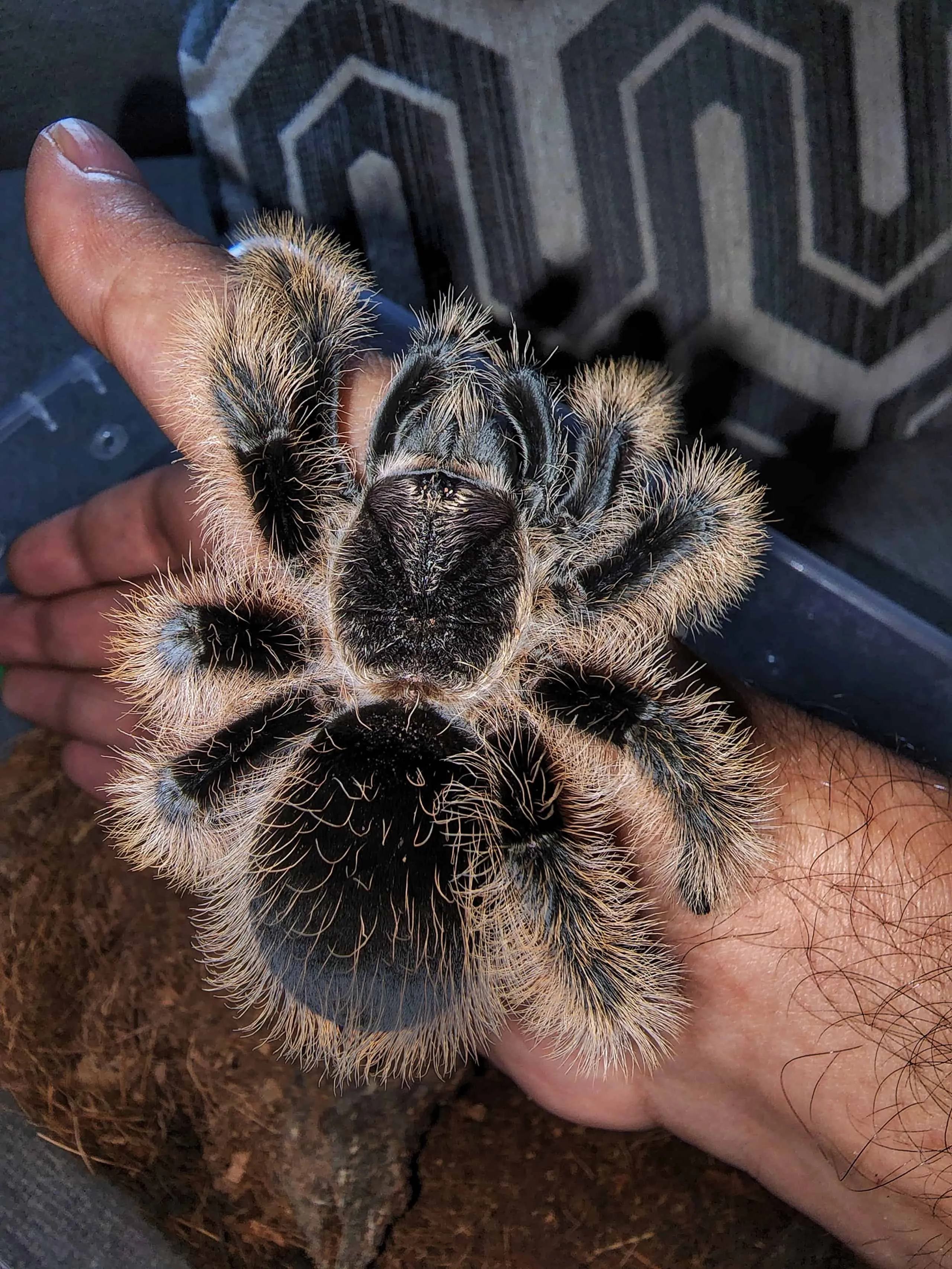
Curly Hair Tarantula Size Overview
The Curly Hair Tarantula (Tliltocatl albopilosus), a popular pet spider, captivates many with its unique appearance and relatively docile nature. One of the most common questions about these fascinating creatures concerns their size. Understanding the size of a Curly Hair Tarantula is essential for prospective owners, as it influences enclosure size, feeding requirements, and overall care. This article delves into the various aspects of their size, from initial spiderling stages to the impressive adult sizes they can reach. We’ll explore the factors impacting their growth, the differences between males and females, and the significance of proper care in achieving optimal size and health. Discover the amazing world of these spiders and learn everything you need to know about their size and growth.
What is a Curly Hair Tarantula?
The Curly Hair Tarantula, also known as the Honduran Curly Hair Tarantula, is a terrestrial species native to the tropical regions of Central America, particularly Costa Rica. These tarantulas are named for their distinctive hairs, which curl, giving them a charming appearance. They are known for their gentle temperament, making them a popular choice for both novice and experienced tarantula keepers. These spiders are a visual treat. Their dark bodies are adorned with golden hairs that give them a curly appearance, especially noticeable when they molt. These spiders are not only beautiful but also known for their relatively slow growth rate, allowing owners ample time to appreciate their development.
Origin and Habitat

Curly Hair Tarantulas are native to the tropical dry forests of Central America, where they thrive in warm, humid environments. In their natural habitat, they create burrows in the soil, under rocks, and around the roots of trees, providing shelter from the elements and a safe space to ambush prey. Understanding their origin and habitat helps in replicating the necessary conditions in captivity. This includes providing a substrate conducive to burrowing, maintaining appropriate temperature and humidity levels, and offering opportunities for the tarantula to engage in natural behaviors. Replicating their natural environment is critical for their overall well-being and growth. The right setup not only keeps them comfortable but also supports their development and longevity.
Factors Influencing Size
Several factors influence the ultimate size of a Curly Hair Tarantula. Genetics play a significant role, with some individual tarantulas naturally growing larger than others. Diet is also critical; a well-balanced diet of appropriately sized insects, such as crickets, roaches, and mealworms, provides the necessary nutrients for growth. Furthermore, the environment greatly affects their size; a properly sized enclosure with adequate temperature and humidity levels ensures optimal growth conditions. Stress can also stunt growth, so providing a safe and stable environment is critical. Finally, molting frequency is also an important aspect; healthy tarantulas molt more frequently, which usually means they are growing well.
Gender Differences in Size
One of the most notable differences between male and female Curly Hair Tarantulas is size. Females generally grow larger and live longer than males. This disparity in size is a common characteristic in tarantula species, where females invest more energy in reproduction and therefore tend to have a more extended lifespan. Male tarantulas often mature faster, leading to a shorter overall lifespan. The larger size of females means they require larger enclosures and more food, particularly as they mature. Understanding these gender differences helps owners provide appropriate care for their tarantula and better anticipate their needs throughout their life cycle.
Male Curly Hair Tarantulas

Male Curly Hair Tarantulas, while smaller than females, are still impressive spiders. They typically reach a leg span of around 4-5 inches. Males often have a slightly less robust appearance compared to females, with longer legs and smaller bodies. They mature faster than females, and their primary goal is to find a mate. After reaching maturity, males are often more active, spending more time exploring their enclosure. The lifespan of a male is usually shorter, often ranging from 1 to 2 years after their final molt. Their smaller size and shorter lifespan mean males need less food, but all other care considerations remain the same as those for females.
Female Curly Hair Tarantulas
Female Curly Hair Tarantulas are considerably larger than their male counterparts. They can reach a leg span of up to 6 inches or more. Females have a stockier build, which allows them to carry eggs. Their lifespan is significantly longer, often living for 10-20 years or even longer under optimal conditions. This longevity makes females a long-term commitment for owners. Their larger size means they require larger enclosures, more frequent feeding, and additional attention to humidity and temperature control. The longer lifespan of females gives owners a more extended period to enjoy their beautiful pets. Female Curly Hair Tarantulas are a rewarding and long-term pet.
Growth Stages
The size of a Curly Hair Tarantula changes dramatically throughout its life, going through several growth stages. These stages include the spiderling, juvenile, and adult phases, each with its unique characteristics and care requirements. Understanding these phases is essential for providing appropriate care, from feeding and enclosure size to the overall well-being of the tarantula. Knowing the growth stages helps owners anticipate changes in their tarantula’s needs and enjoy watching them grow into their adult size. The journey through these stages offers a unique and rewarding experience for any tarantula keeper.
Spiderling Stage

Spiderlings, the baby Curly Hair Tarantulas, are incredibly small, often measuring less than an inch in leg span. During this stage, they are vulnerable and require a specialized environment with high humidity and plenty of hiding places. They should be housed in small, escape-proof enclosures with a shallow water dish and a substrate appropriate for burrowing. Feeding spiderlings involves offering small, flightless fruit flies or pre-killed pinhead crickets. This stage is crucial for laying the groundwork for future growth and health. Careful monitoring of humidity, temperature, and feeding is essential for the spiderling’s survival. Their small size requires owners to be particularly attentive, ensuring they receive the proper care during this delicate phase.
Juvenile Stage
As Curly Hair Tarantulas grow into juveniles, their size increases significantly. They start to develop their characteristic curly hairs. They require a larger enclosure than spiderlings, but one that still offers security. Feeding should be increased to appropriately sized insects, with crickets and roaches becoming staples. During the juvenile stage, the tarantula will molt several times, each time growing larger and more robust. It is important to provide proper ventilation, temperature, and humidity. Regular monitoring of the enclosure is critical, as juveniles need more space and food, setting the stage for the adult phase. This period marks a substantial change in their appearance and behavior as they approach maturity.
Adult Stage
The adult stage is the final phase of growth for a Curly Hair Tarantula. Females reach their maximum size during this stage and typically molt less frequently. Adult females are significantly larger than juveniles and males. They are ready to breed and exhibit mature behaviors. Feeding should be regular, with adult insects offered every week or two. The enclosure must be large enough for the adult tarantula to move comfortably and have enough substrate for burrowing. Careful attention to the environment, especially temperature and humidity, is essential for the adult’s health and longevity. Enjoying the beauty and behavior of a fully grown Curly Hair Tarantula is a rewarding experience for any spider enthusiast.
Average Size of Adult Curly Hair Tarantulas

Adult Curly Hair Tarantulas vary in size, depending on gender and individual genetics. Knowing the average size helps owners prepare for the needs of their pets, from enclosure requirements to the amount of food they need. The size of the spider affects every aspect of their care, making understanding their growth essential. With the proper care, you can ensure that your tarantula can reach its maximum potential.
Leg Span
The leg span is often used to measure a tarantula’s size, representing the distance between the tips of the legs when fully extended. Female Curly Hair Tarantulas typically have a leg span of up to 6 inches or more. Males usually reach a leg span of 4 to 5 inches. Leg span is a critical measurement when selecting an appropriate enclosure. It ensures that the tarantula can move comfortably without feeling cramped. This measurement provides a clear understanding of their size and helps in planning the setup and care of your pet.
Body Length
Body length is another important measure. The body length of an adult female can reach up to 2.5 to 3 inches, while males are typically smaller. The body size indicates the amount of space they need to move and molt. A larger body size requires a more substantial enclosure, with appropriate ventilation and substrate. Understanding both the leg span and body length ensures you are prepared to accommodate your tarantula’s current and future size, guaranteeing its well-being.
Maximum Size Potential

While the average size provides a general guideline, Curly Hair Tarantulas have the potential to grow even larger under optimal conditions. Factors such as genetics, diet, and care play a significant role in determining their maximum size. Providing a balanced diet, a stress-free environment, and appropriate temperature and humidity can help them reach their full potential. It is important to note that while some individuals may exceed average sizes, this is not guaranteed. The goal is to provide a healthy environment that allows the tarantula to thrive.
Importance of Proper Care
Proper care is critical to the health and size of a Curly Hair Tarantula. This includes providing a suitable enclosure, maintaining the correct temperature and humidity, and offering a varied diet. Providing the correct environment reduces stress, allowing them to grow at a healthy rate. Neglecting these aspects can lead to stunted growth, health issues, and a shorter lifespan. Understanding the specific needs of Curly Hair Tarantulas is essential for any owner. Researching their care needs will guarantee your pet lives a long and healthy life. Proper care is not only essential for their size but for their overall well-being.
In conclusion, the size of a Curly Hair Tarantula is a fascinating aspect of their life cycle, influenced by genetics, diet, and care. By understanding the various stages of growth, the differences between genders, and the factors that influence size, owners can provide the best possible environment for their tarantulas. Providing proper care ensures that these magnificent creatures thrive and bring joy to their owners for many years. Embrace the opportunity to learn and grow alongside your Curly Hair Tarantula, appreciating the wonders of this unique species. Always prioritize their well-being by providing the best possible care and environment.