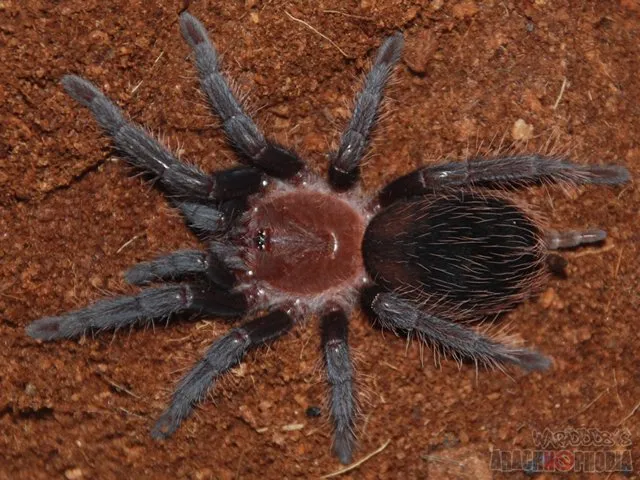
What is a Honduran Curly-Haired Tarantula?
The Honduran curly-haired tarantula (Tliltocatl albopilosus), a captivating species within the tarantula family, has become increasingly popular among arachnid enthusiasts. Known for its striking appearance and relatively docile nature, this tarantula offers a unique and rewarding experience for both novice and experienced keepers. This article unveils five fascinating facts about this remarkable creature, providing valuable insights into its characteristics, care, and overall appeal as a pet. From their natural habitat to their dietary needs and health considerations, we delve into what makes the Honduran curly-haired tarantula a captivating subject of study and a fascinating pet.
Origin and Habitat
Native to the tropical dry forests of Honduras, Nicaragua, and Costa Rica, the Honduran curly-haired tarantula thrives in a warm and humid environment. In its natural habitat, this tarantula species can be found burrowing in the ground or seeking shelter under rocks and logs. The region’s climate, characterized by distinct wet and dry seasons, influences the tarantula’s behavior and activity levels. Understanding the tarantula’s origin helps you understand its needs for the best habitat setup.
Appearance and Characteristics

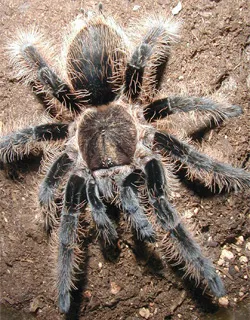
The Honduran curly-haired tarantula is immediately recognizable by its distinctive appearance. The tarantula’s body is covered with a thick layer of dark brown to black hairs, while the longer hairs on its legs and carapace are a lighter, golden-brown hue, giving it a ‘curly’ appearance. These spiders typically range from 5 to 6 inches in leg span, with females generally larger than males. Their overall appearance, combined with their relatively docile nature, makes them a popular choice among tarantula keepers.
Fact 1 They are Relatively Docile
One of the most appealing aspects of the Honduran curly-haired tarantula is its reputation for being relatively docile. While all tarantulas possess the potential to bite or flick urticating hairs (hairs that cause irritation) as a defense mechanism, this species is generally considered more tolerant of handling compared to others. They are less prone to displaying aggressive behaviors, such as rearing up or striking. This doesn’t mean they should be handled excessively, but it means that with appropriate precautions, interacting with them can be a more relaxed experience.
Temperament and Handling
While generally docile, individual tarantulas can have varying personalities. Some may be more skittish and prefer to avoid contact, while others might tolerate gentle handling. It is essential to observe your tarantula’s behavior and avoid forcing any interaction. When handling, always do so close to the ground or a soft surface in case it falls. Be prepared for them to move quickly and ensure your movements are slow and gentle to avoid startling the tarantula. Respecting the tarantula’s boundaries is crucial for a positive experience.
Safe Handling Practices

If you decide to handle your tarantula, it’s crucial to prioritize safety. Always wash your hands thoroughly before and after handling to remove any potential irritants or contaminants. Avoid sudden movements and never grab the tarantula. Instead, gently encourage it to walk onto your hand, supporting its legs and body. It is also highly recommended to handle the tarantula on a soft surface like a bed or the floor. Be aware of the possibility of the tarantula flicking hairs, and avoid touching your face or eyes during and after handling. Remember, the tarantula’s safety and well-being always come first.
Fact 2 Lifespan and Growth
The Honduran curly-haired tarantula boasts a relatively long lifespan, especially for females. Understanding their life cycle is crucial for responsible pet ownership. This fact is significant for anyone considering bringing one home.
Average Lifespan
Female Honduran curly-haired tarantulas can live for 10 to 15 years, and sometimes even longer with proper care. Males, on the other hand, have a much shorter lifespan, typically only living for 2 to 3 years after reaching maturity. This disparity is common among tarantula species. This extended lifespan can provide many years of enjoyment and observation for the owner. Female tarantulas offer a long-term commitment, so it’s essential to understand this difference before acquiring one.
Growth Stages and Molting

Like all tarantulas, the Honduran curly-haired tarantula grows by molting its exoskeleton. During this process, the tarantula sheds its outer layer to reveal a new, larger one. Young tarantulas molt frequently, sometimes every few months, while adults molt less often, perhaps once a year or even less. During molting, the tarantula is vulnerable and should not be disturbed. The entire process can take several hours to a few days. After molting, the tarantula’s appearance and size will change, marking its growth and development. Understanding molting is essential for providing the proper care during this crucial stage.
Fact 3 Dietary Needs
Providing a balanced diet is crucial for the health and well-being of your Honduran curly-haired tarantula. Understanding their feeding habits will ensure they receive the necessary nutrients to thrive. It’s important to provide them with the right food to support their development.
Feeding Habits
Honduran curly-haired tarantulas are opportunistic feeders, meaning they will eat a variety of insects and other small invertebrates. They typically eat one to three times a week, depending on their age and size. Younger tarantulas require more frequent feeding, while adults can eat less often. It is essential to remove any uneaten food within 24 hours to prevent the buildup of mold and mites in the enclosure.
Suitable Prey

The ideal diet for a Honduran curly-haired tarantula consists primarily of insects. Crickets, mealworms, dubia roaches, and other readily available feeder insects are all excellent choices. The size of the prey should be appropriate for the tarantula’s size, with prey no larger than the tarantula’s abdomen. Ensure that the feeder insects are gut-loaded with nutritious food before offering them to the tarantula to provide it with the most nutritional benefit. Provide fresh water at all times.
Fact 4 Habitat and Enclosure
Creating the appropriate habitat for your Honduran curly-haired tarantula is essential for its health and well-being. The enclosure should mimic its natural environment and provide a secure, comfortable, and enriching space. The correct enclosure setup will provide the tarantula with the best chance to live a long and healthy life.
Ideal Enclosure Setup
A glass or plastic terrarium is best suited for the Honduran curly-haired tarantula. The enclosure should be appropriately sized for the tarantula’s leg span. A good rule of thumb is to provide an enclosure that is at least three times the tarantula’s leg span in width and length. The enclosure must have a secure, well-ventilated lid to prevent escape. Avoid using screen tops, as these can pose a hazard to the tarantula’s legs. The enclosure should be placed in a location away from direct sunlight and drafts.
Substrate and Decor
The substrate is the material used to cover the bottom of the enclosure and provides a place for the tarantula to burrow and feel secure. A mixture of peat moss, vermiculite, and coconut fiber is an excellent choice for the Honduran curly-haired tarantula. This mixture retains moisture, allowing the tarantula to maintain its needed humidity. The substrate should be deep enough to allow for burrowing. Adding decorations such as cork bark, branches, and artificial plants can provide the tarantula with hiding places and enrich its environment.
Fact 5 Common Health Issues
While the Honduran curly-haired tarantula is generally a hardy species, it can still be susceptible to certain health issues. Understanding the common health concerns can help you maintain your tarantula’s health. Proper care and knowledge of possible issues can provide peace of mind.
Signs of Illness
Several signs may indicate that your tarantula is unwell. These include lethargy, loss of appetite, unusual postures, and a lack of coordination. Additionally, a tarantula that is refusing to eat, has a swollen abdomen, or has a visible injury may be sick. If you notice any of these signs, it is essential to consult with an experienced tarantula keeper or a veterinarian familiar with arachnids. Early detection and treatment are crucial for the tarantula’s recovery.
Preventative Care

Preventative care plays a crucial role in maintaining your tarantula’s health. Provide a clean and well-maintained enclosure. Maintain the appropriate temperature and humidity levels. Offer a balanced diet and remove uneaten food promptly. Avoid handling the tarantula excessively, as this can stress it. Regularly inspect your tarantula for any signs of illness or injury. By following these preventative measures, you can significantly reduce the risk of health problems and ensure your tarantula’s long-term well-being.
Conclusion
The Honduran curly-haired tarantula is a fascinating and rewarding pet. By understanding its unique characteristics, care requirements, and potential health issues, you can provide it with a comfortable and enriching environment. From its docile temperament to its long lifespan and striking appearance, this tarantula has much to offer. By adhering to these five facts, you can enjoy the rewarding experience of owning a Honduran curly-haired tarantula and provide it with the care it needs to thrive. As you continue your journey with this captivating species, you’ll find a unique and rewarding experience.