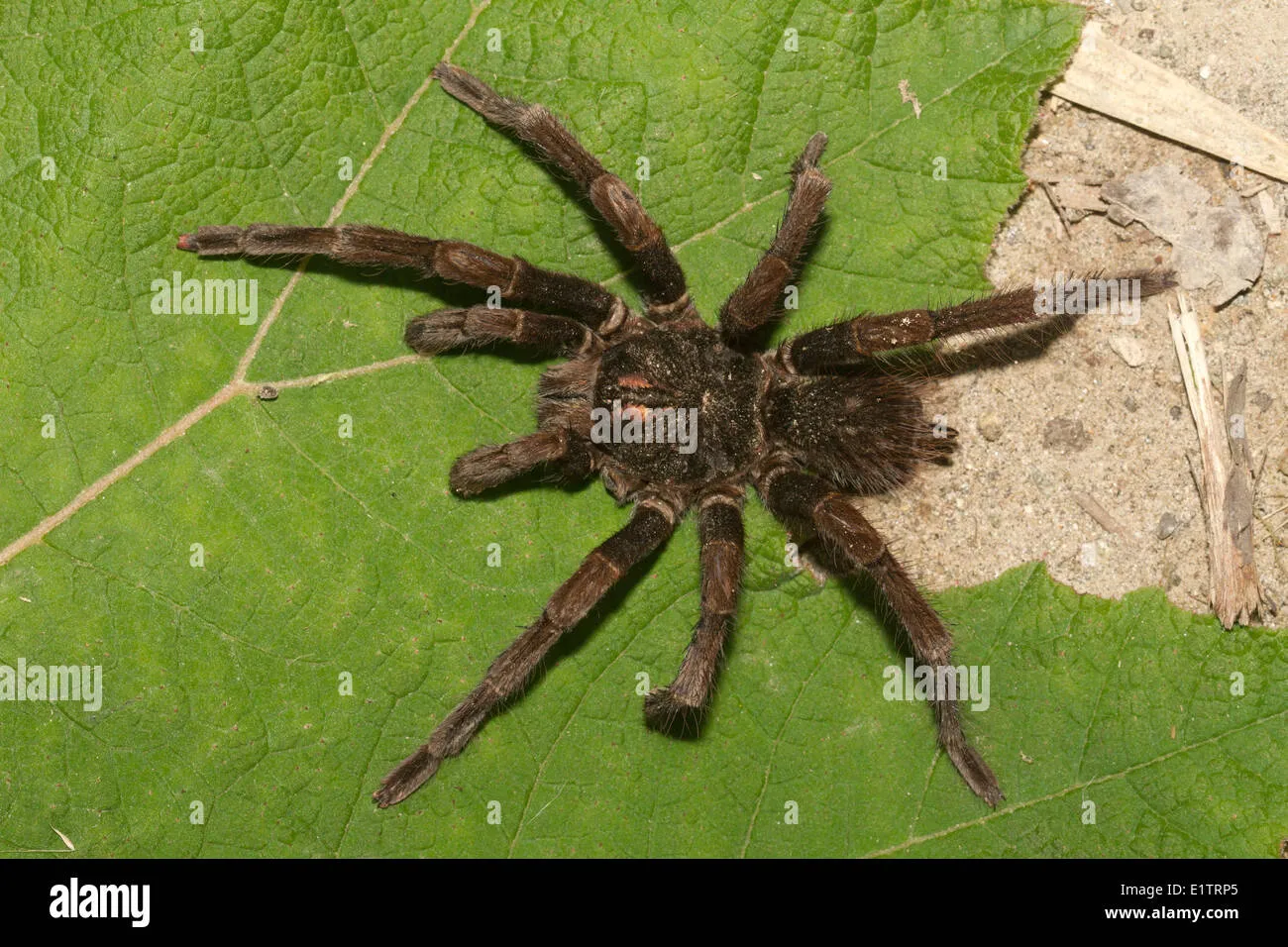
Ecuador Tarantulas Facts The Basics
Ecuador, a country renowned for its incredible biodiversity, is also home to a fascinating array of tarantulas. These large, hairy spiders often evoke a mix of fear and fascination. This guide delves into the world of Ecuador tarantulas, providing essential facts, insights into their behavior, and practical advice for those interested in learning more about these amazing creatures. From the lush rainforests to the arid coastal regions, Ecuador provides a diverse range of habitats perfect for these arachnids. Whether you’re a seasoned arachnid enthusiast or a curious beginner, this guide is designed to offer a comprehensive look at Ecuador’s tarantula population. It aims to debunk myths, highlight conservation efforts, and promote a greater understanding of these often-misunderstood animals. Discover the secrets of Ecuador’s tarantulas and appreciate their role in the ecosystem.
What are Ecuador Tarantulas
Ecuador tarantulas, like all tarantulas, are large, hairy spiders belonging to the Theraphosidae family. They are characterized by their size, with some species reaching impressive leg spans. These spiders are nocturnal hunters, primarily feeding on insects, but sometimes small vertebrates. They are known for their relatively docile nature, although they can bite if provoked. Tarantulas play a vital role in the ecosystem, helping to control insect populations. They are not typically aggressive towards humans but should still be handled with caution. Their venom, while potentially painful, is not usually life-threatening to humans. Many species exhibit vibrant colors and patterns, making them popular in the pet trade, although ethical considerations and conservation status should always be a priority.
Where are They Found

Ecuador’s diverse geography supports a variety of tarantula species. These spiders are found across different regions, including the Amazon rainforest, the coastal lowlands, and the Andean foothills. The Amazon rainforest provides the most favorable conditions for tarantulas, with its high humidity and abundant prey. In these areas, tarantulas often burrow in the ground, under logs, or in the leaf litter. The coastal regions, while drier, still host tarantula species adapted to these conditions. The distribution of tarantulas is influenced by factors such as temperature, humidity, and the availability of food. Understanding their habitat is key to their conservation, as habitat loss and climate change pose significant threats to their survival. Careful habitat preservation is essential for the continued existence of these unique arachnids in Ecuador.
Ecuador Tarantula Behavior
Ecuador tarantulas exhibit a range of fascinating behaviors. They are primarily nocturnal hunters, emerging from their burrows or hiding places at night to seek out prey. Their hunting strategy involves waiting for the right opportunity and then ambushing their victims with a swift strike. They use their fangs to inject venom, which immobilizes and begins to digest their prey. During mating, males must approach females cautiously to avoid being eaten. They use elaborate courtship rituals, including drumming and displaying their pedipalps, to signal their intentions. The females, if receptive, allow the males to mate, and the eggs are laid in a silk egg sac. They are also known for their defensive behaviors, such as flicking urticating hairs from their abdomen to irritate potential predators. Furthermore, the tarantulas are very sensitive to vibrations and changes in the environment.
Top 5 Facts About Ecuador Tarantulas
Fact 1 Appearance and Identification

Ecuador tarantulas vary greatly in appearance. The most common species display a range of colors, from earthy browns and blacks to vibrant oranges and reds. Their size can vary significantly, with some species having leg spans exceeding eight inches. Identification often relies on a combination of factors, including size, coloration, and the presence of specific markings. The hairs on their bodies, known as setae, can also provide clues to their identity. However, identifying a specific species can be challenging and requires a detailed understanding of tarantula morphology. Many species are quite similar in appearance, making precise identification difficult without expert knowledge. Always consult a professional or use reliable field guides for accurate identification.
Fact 2 Habitat and Environment
The habitats of Ecuador tarantulas are as diverse as the country itself. They thrive in a variety of environments, from humid rainforests to drier coastal regions. Their habitat preferences are influenced by factors such as temperature, humidity, and the availability of prey. Many species are terrestrial, living in burrows they construct in the ground. Others are arboreal, residing in trees and utilizing existing crevices. The presence of suitable shelter is essential for their survival, as it provides protection from predators and the elements. Understanding the specific habitat requirements of different species is crucial for conservation efforts. Habitat loss due to deforestation and urbanization poses a significant threat to these arachnids, emphasizing the importance of preserving their natural environments.
Fact 3 Diet and Feeding Habits
Ecuador tarantulas are primarily carnivores, with their diet consisting mainly of insects and other invertebrates. They are opportunistic hunters, ambushing their prey with impressive speed and precision. Their diet varies depending on the species and the availability of food in their habitat. Larger tarantulas may occasionally consume small vertebrates, such as lizards and small rodents. They use their fangs to inject venom, which immobilizes their prey and begins the process of digestion. Tarantulas typically feed a few times a week, depending on their size and the availability of food. In captivity, they can be fed a variety of insects, such as crickets, mealworms, and cockroaches. Proper nutrition is essential for their health and longevity.
Fact 4 Common Species in Ecuador

Several tarantula species are commonly found in Ecuador. The most prevalent species are the ones adapted to the varying climatic conditions. These species exhibit unique characteristics in appearance, habitat, and behavior. Some are known for their striking colors, while others have distinctive patterns and markings. Detailed taxonomic classification may change over time based on genetic studies. Because of the diversity of the Ecuadorian territory, new species are being discovered. Careful research and identification are crucial for accurately assessing the conservation status of these species. Many of these tarantulas play important roles in their ecosystems, serving as predators and contributing to the balance of nature.
Fact 5 Conservation Status and Threats
The conservation status of Ecuador tarantulas is a growing concern. Habitat loss due to deforestation, agriculture, and urbanization is one of the biggest threats. The pet trade, while sometimes regulated, can also impact wild populations if not managed responsibly. Climate change poses additional challenges, altering habitats and affecting prey availability. Conservation efforts include habitat preservation, sustainable practices, and education. Raising public awareness about the importance of tarantulas and their role in the ecosystem is essential. Supporting local conservation organizations can also contribute to the protection of these amazing creatures and their habitats. It is crucial that every effort be made to preserve the tarantulas of Ecuador, so that future generations can also enjoy them.
Caring for Ecuador Tarantulas
Choosing the Right Enclosure

Selecting the appropriate enclosure is fundamental to providing a healthy environment for your Ecuador tarantula. The size of the enclosure should be appropriate for the species and the size of the spider. Terrestrial species require more floor space, while arboreal species need more vertical space. The enclosure should be escape-proof, with a secure lid. The type of enclosure is important because it must maintain adequate ventilation and appropriate humidity levels. Substrates, such as coconut fiber, peat moss, or vermiculite, should be chosen based on the species’ needs. The right enclosure will help them thrive and provide them with the comforts they would find in the wild. Furthermore, the enclosure should be easy to clean and maintain.
Maintaining Temperature and Humidity
Maintaining the correct temperature and humidity levels is essential for the health and well-being of your Ecuador tarantula. Most species thrive in temperatures between 75°F and 85°F (24°C and 29°C). Heating pads or heat lamps can be used to maintain the appropriate temperature, but caution should be exercised to prevent overheating. Humidity levels should also be monitored and adjusted based on the species’ requirements. Hygrometers can be used to measure humidity. Proper ventilation is also important to prevent the growth of mold and mildew. Regular misting or the use of a water dish can help maintain the desired humidity levels. Proper temperature and humidity are vital for successful molting and overall health.
Feeding Your Tarantula
Feeding your Ecuador tarantula appropriately is key to its health. The diet should consist of insects, such as crickets, mealworms, and roaches. The frequency of feeding depends on the spider’s age and size. Young tarantulas may need to be fed more frequently than adults. It is important to avoid overfeeding, as this can lead to health problems. The size of the prey should be appropriate for the size of the spider. Remove uneaten food within 24 hours to prevent the buildup of mold and bacteria. Providing fresh water in a shallow dish is essential. Always handle feeders with care to avoid any injury to your spider. Proper nutrition and consistent feeding will contribute to a long and healthy life for your tarantula.
Health and Common Issues

While Ecuador tarantulas are generally hardy, they can be susceptible to certain health issues. One of the most common problems is dehydration, which can be prevented by providing fresh water and maintaining appropriate humidity levels. Mites are also a potential concern, especially in poorly maintained enclosures. Regular cleaning and careful monitoring can help prevent mite infestations. Parasites can also sometimes be an issue and in such cases veterinary attention must be sought. Injury during molting can be another issue. Providing a safe and stable environment during this time can reduce the risk. The proper care of your tarantula will prevent problems. If you notice anything unusual about your spider, consult an experienced keeper or a veterinarian with expertise in arachnids.
Conclusion
Ecuador tarantulas are amazing creatures, playing an important role in their ecosystems. By understanding their habitat, behaviors, and conservation needs, we can appreciate their value. Whether you are an experienced arachnid enthusiast or a beginner, we hope that this guide provided you with all the necessary information to get started. Remember to always prioritize their safety and well-being. Continued research, responsible pet ownership, and a commitment to conservation are crucial for the future of these fascinating spiders. Ecuador’s biodiversity is a treasure and Ecuador tarantulas are a valued part of that.