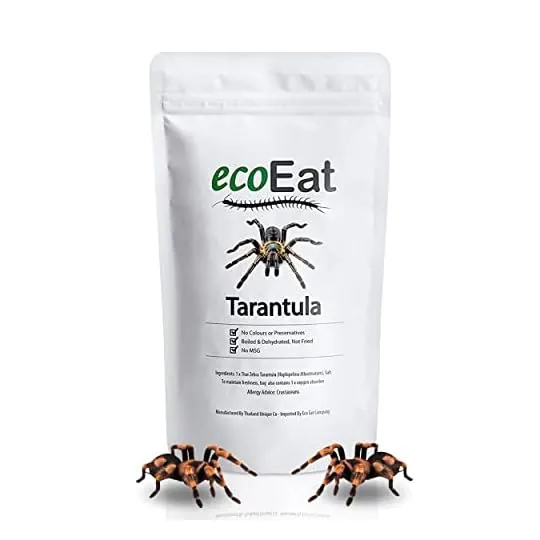
What Makes Tarantulas Edible
The idea of eating tarantulas might seem unusual but in many cultures, these large spiders are considered a delicacy and a source of protein. The edibility of a tarantula depends on several factors including the species, preparation methods and the environment from which they are sourced. Unlike many insects, tarantulas offer a substantial meal, often providing a good source of protein, fats, and certain micronutrients. However, it’s crucial to approach tarantula consumption with knowledge and caution, ensuring the spiders are properly prepared to avoid any potential health risks. The popularity of eating tarantulas has been growing, with adventurous eaters and survivalists alike seeking to explore this unique food source. Before you consider tasting a tarantula, understanding what makes them safe and suitable for consumption is essential.
Tarantula Species Safe to Eat
Not all tarantula species are equally suitable for consumption. Some species are more palatable and less likely to carry toxins or cause allergic reactions than others. Generally, tarantulas found in regions where they are traditionally eaten are considered safer bets. The Grammostola, Brachypelma, and Theraphosa genera are popular choices in various parts of the world, often due to their availability and the local knowledge of their preparation. Always verify the species before consumption and research any potential risks. When selecting a tarantula for eating, it’s also important to consider where the spider came from. Wild-caught tarantulas might have consumed insects that have been exposed to pesticides, and can also have internal parasites. Captive-bred tarantulas are usually a safer option, as they are fed a controlled diet. Always source your tarantulas from a trusted supplier.
Harvesting Your Tarantula for Consumption

If you’re considering eating a tarantula, the process of harvesting is an important element. Whether you’re catching them in the wild or sourcing them from a breeder, the treatment of the spider is very important. In the wild, it’s very important to exercise caution. Wear protective clothing, including gloves, long sleeves, and pants, to avoid bites or contact with urticating hairs. When handling a tarantula, do so gently to avoid stressing or harming the spider. When harvesting, aim to collect only what you need, and respect the environment. When harvesting, prioritize the well-being of both the spider and the surrounding ecosystem. If you are sourcing from a breeder, choose ethical suppliers that prioritize animal welfare. These suppliers are usually experts in tarantulas and can help you navigate to get the best tarantulas for consumption, as well as providing guidance on ethical harvesting methods.
Ethical Considerations
Eating tarantulas brings forward important ethical considerations. It’s crucial to think about how your actions affect both the spiders and the environment. Support sustainable practices that do not harm tarantula populations or disrupt their habitats. Research and choose suppliers and harvesters who respect the ethical considerations of consumption. When in areas where tarantulas are eaten traditionally, engage with local communities to learn about their practices and respect their customs. If you are new to harvesting and eating tarantulas, make sure you understand the local and global regulations regarding the collection and consumption of spiders. Always consider the welfare of the spiders themselves and the effect on the overall ecosystem. Practicing ethical harvesting and consumption ensures that these spiders can continue to be a food source for generations.
Cleaning and Preparing Tarantulas
Proper cleaning and preparation are important when eating tarantulas, which helps ensure safety and enhance flavor. Handling the spider carefully to avoid being bitten or getting urticating hairs on the skin is the first step. Start by removing the tarantula’s fangs to prevent any accidental bites. Rinse the spider under cold water to remove any dirt or debris. Many people prefer to remove the abdomen before cooking to eliminate any potential for an unpleasant taste or texture. The abdomen is where the digestive system is, and also contains a lot of the spider’s organs. Next, remove the legs, which can be fried separately for a crispy snack. Make sure you cook all parts thoroughly to kill any bacteria or parasites. Proper preparation is a vital step to ensure a safe and enjoyable dining experience.
Removing the Fangs

Before you begin cooking the tarantula, removing the fangs is an important safety procedure. Using a pair of long-handled tweezers, gently grip each fang at its base and pull it out. Make sure to handle the spider with care. The fangs are located on the chelicerae, the mouthparts of the spider. This procedure should be done with precision and care to avoid harming the spider or yourself. Another method is to use a small knife and carefully cut off the fangs. The fangs are sharp and can deliver a painful bite, so this step is very important. Be cautious and make sure to work in a controlled environment, preferably using gloves and eye protection. Removing the fangs ensures that the tarantula is safe to handle and consume.
Cooking Methods for Tarantulas
Tarantulas can be prepared using a variety of cooking methods, each offering a unique flavor and texture. The most popular cooking methods include frying, roasting, and grilling, each with its own advantages. Frying creates a crispy exterior while roasting offers a tender, flavorful experience. Grilling gives a smoky taste that can be very appealing. You should think about which flavor you prefer when choosing the best cooking method. Always ensure the tarantula is cooked thoroughly to eliminate any potential health risks. You can add various seasonings to improve the taste, such as salt, pepper, garlic powder, and paprika. No matter which method you choose, the goal is to achieve a safe and delicious meal.
Frying Tarantulas
Frying tarantulas is a very popular method, resulting in a crispy exterior and a tender interior. Heat oil in a pan, and once the oil is hot, add the prepared tarantulas. Fry the tarantulas until they are golden brown and crispy. This typically takes between 5-7 minutes, but the exact time will vary depending on the size of the spider and the heat of the oil. Season the tarantulas with salt and pepper during the frying process to enhance the taste. For extra flavor, you can also add garlic powder or a touch of chili powder. Once the tarantulas are crispy and cooked, remove them from the oil and drain on a paper towel to remove excess oil. Fried tarantulas are often eaten whole and can be a delicious snack or meal. Serve immediately and enjoy the crispy texture.
Roasting Tarantulas

Roasting is an alternative method of cooking tarantulas, offering a unique texture and flavor. Preheat the oven to 375°F. Place the prepared tarantulas on a baking sheet. Drizzle the tarantulas with olive oil and season with your favorite spices. Roast for about 15-20 minutes, or until the tarantulas are cooked through and have a slightly crispy exterior. You can turn the tarantulas during the cooking to help them brown evenly. Roasting can preserve the natural flavors of the tarantula while providing a tender texture. The interior becomes tender and the exterior develops a slightly crispy texture. Serve the roasted tarantulas hot, and consider pairing them with a side dish to complement the flavors.
Grilling Tarantulas
Grilling gives tarantulas a smoky flavor and creates a delightful meal. Prepare the tarantulas as mentioned before. Preheat the grill to medium heat. Brush the tarantulas with oil, and season them with spices of your choice. Place the tarantulas on the grill and cook for about 5-7 minutes per side, until they are fully cooked. Grilling time depends on the tarantula’s size. You can use a grill basket to make sure the tarantulas don’t fall through the grates. Grilling will give a delicious smoky taste to the tarantula. Serve them immediately and enjoy the smoky, grilled flavor. This method provides a unique and tasty experience.
Serving Your Tarantula Dish
When serving your tarantula dish, presentation is important. Arrange the cooked tarantulas in an attractive manner, whether fried, roasted, or grilled. Pair the tarantulas with side dishes to enhance the flavors and balance the meal. Some popular choices include rice, vegetables, or a dipping sauce. Consider the cultural context of where you are. For instance, in some parts of the world, tarantulas are eaten with chili sauce. When serving, make sure to warn your guests about the appearance of the dish, which is usually unfamiliar to them. Providing a good presentation will make the experience of eating a tarantula more appealing. Make sure you know the source of the spider and that it was prepared safely before you serve it to your guests. Presenting your tarantula dish well will encourage your guests to try it.