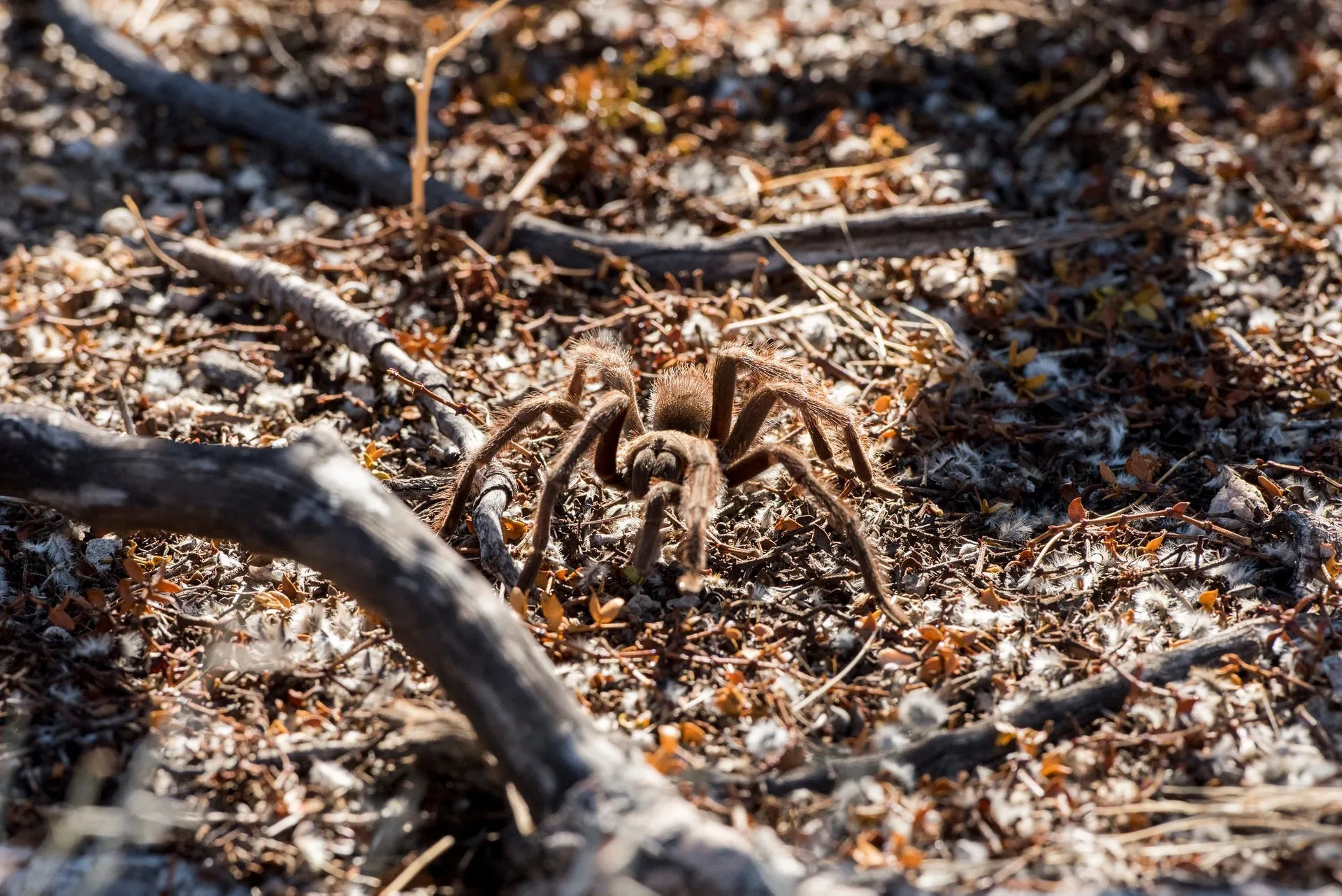
Understanding the Flagstaff Tarantula Migration
The annual tarantula migration in Flagstaff, Arizona, is a captivating natural event that draws the attention of nature enthusiasts and curious onlookers alike. This phenomenon, typically occurring in the late summer and early fall, involves thousands of tarantulas, primarily the Arizona blonde tarantula (Aphonopelma chalcodes), embarking on a journey across the landscape. Observing this migration provides a unique opportunity to witness the natural behaviors of these fascinating arachnids and gain a deeper appreciation for the local ecosystem. The sight of these large, hairy spiders on the move is a testament to their resilience and the intricate web of life they are a part of. Understanding this migration is not just about spotting tarantulas it’s about understanding their place in the environment and the challenges they face.
What is Tarantula Migration
Tarantula migration is, at its core, a seasonal movement of tarantulas, primarily adult males, in search of mates. Unlike the migrations of birds or mammals, this movement is driven by the tarantulas’ reproductive cycle. The males, having reached maturity, leave their burrows and embark on a journey to find receptive females. This can involve traveling significant distances, often across roads, trails, and various terrains. The migration is a crucial part of their life cycle, ensuring the continuation of the tarantula population. The duration and extent of the migration can vary depending on environmental factors, such as temperature and rainfall. Witnessing this migration is a glimpse into the natural behaviors and life cycle of these impressive spiders.
The Purpose of Tarantula Migration

The primary purpose of the tarantula migration is reproduction. Male tarantulas, after reaching sexual maturity, need to find females to mate with. This leads them to leave their established territories and actively seek out potential mates. This journey is essential for the survival of the species, as it allows for the continuation of the tarantula population. It increases genetic diversity and ensures that tarantulas can adapt to changing environmental conditions. The migration is a high-stakes endeavor for the males, as they must navigate a variety of dangers, including predators, vehicles, and the elements. Their success is vital to the future generations of tarantulas in Flagstaff and the surrounding areas.
Spotting Tarantulas in Flagstaff
Observing the tarantula migration in Flagstaff is a rewarding experience for any nature enthusiast. However, knowing when and where to look is key to a successful viewing. The migration typically begins in late August and continues through October, peaking in September. During this time, the males are most active, seeking out females. The best time to spot them is usually in the late afternoon or early evening, when the temperatures are milder and the spiders are more likely to be on the move. The migration can be influenced by weather conditions, with warmer temperatures and periods after rainfall often prompting increased activity. Careful observation and patience are essential for those hoping to witness this remarkable natural event.
Best Time to Observe the Migration
The optimal time to observe the tarantula migration in Flagstaff is during the late summer and early fall months, specifically from late August to October, with September often being the peak. The best time of day is usually in the late afternoon or early evening. The males are most active during these times, as they are out searching for mates. Keep an eye on the weather, as warmer temperatures and periods following rain often increase migration activity. Being patient and prepared for the best viewing times will significantly increase your chances of witnessing this incredible event. Plan your viewing trips accordingly and remember to be respectful of the tarantulas and their environment during the migration season.
Where to Find Tarantulas in Flagstaff

Several locations around Flagstaff provide excellent opportunities for observing the tarantula migration. Look for areas with suitable habitats, such as open grasslands, along trails, and near canyons. Some popular spots include the surrounding areas of the San Francisco Peaks, Walnut Canyon National Monument, and the Coconino National Forest. Driving slowly and keeping an eye on the roadsides is often an effective way to spot them. Be aware that tarantulas can sometimes be found crossing roads. It’s essential to stay alert and drive cautiously to avoid harming them. When exploring, stick to marked trails and avoid disturbing their natural habitats. Consider exploring maps and local guides to identify potential locations and plan your viewing route.
Tips for Safe Tarantula Viewing
To ensure a safe and enjoyable experience while observing the tarantula migration, follow these guidelines. Maintain a respectful distance from the tarantulas. Avoid handling or provoking them, as they may bite in defense. Wear sturdy shoes and long pants to protect yourself from potential bites or encounters with other wildlife. Carry a flashlight for better visibility, especially during the late afternoon or evening hours. When viewing, use binoculars for a closer look without getting too close. If you are driving, reduce your speed and be mindful of tarantulas crossing the road. Be aware of your surroundings and avoid walking through tall grass or dense vegetation. Most importantly, be respectful of the environment and the tarantulas’ natural behavior. Leave no trace of your visit.
Tarantula Behavior During Migration
During the migration, tarantulas exhibit specific behaviors essential for survival and reproduction. The males, driven by their mating instincts, actively roam the landscape in search of females. They often walk for miles, following pheromone trails left by potential mates. They are typically more active during the late afternoon and evening, when the air is cooler and the risk of dehydration is lower. They might engage in defensive postures if they feel threatened, raising their front legs or flicking urticating hairs as a warning. It is important to understand these behaviors and give the tarantulas space. Understanding the behavior is key to respecting them and enjoying the viewing experience responsibly. Keep a safe distance to avoid stressing or provoking them.
Mating Rituals During Migration

When a male tarantula encounters a female during migration, a complex mating ritual begins. He will approach the female cautiously and tap his legs and palps on her burrow or the ground to signal his intentions. If the female is receptive, she will allow him to mate. Mating is a delicate process. The male uses specialized structures on his pedipalps to transfer sperm to the female. After mating, the male typically departs, while the female may remain in her burrow to lay her eggs. The eggs are encased in an egg sac, which the female guards until the spiderlings hatch. This mating ritual is a fascinating display of arachnid behavior. It highlights the importance of the migration for the species’ survival.
Defensive Mechanisms of Tarantulas
Tarantulas have several defensive mechanisms to protect themselves during migration. They possess urticating hairs, which are barbed hairs on their abdomen that they can flick at potential threats. These hairs cause skin irritation and can deter predators. They also have fangs and can bite if they feel threatened. Their large size and hairy bodies serve as additional deterrents. While tarantula venom is not typically lethal to humans, the bites can be painful. During the migration, tarantulas are particularly vulnerable. Be mindful of the tarantula’s defensive behaviors and maintain a safe distance.
Threats to Tarantula Migration
Tarantula migration faces various threats that can impact the population. Habitat loss and fragmentation due to urbanization, agriculture, and deforestation pose a significant challenge. Roads and vehicles also lead to tarantula mortality during their movements. Climate change, with its shifts in temperature and rainfall patterns, can affect the timing and duration of the migration. Human activities, such as the use of pesticides and the collection of tarantulas for the pet trade, also contribute to their decline. Recognizing these threats and taking action to mitigate their impacts is crucial for the conservation of tarantulas.
Habitat Loss and Fragmentation

Habitat loss and fragmentation are among the most significant threats to tarantula migration. The conversion of natural habitats into urban areas, agricultural land, and other developments reduces the space available for tarantulas to live and migrate. Fragmentation, where habitats are divided into smaller, isolated patches, limits the ability of tarantulas to find mates and resources. As their habitat shrinks, their populations become more vulnerable to environmental changes and other threats. Efforts to protect and restore habitats and create wildlife corridors can help alleviate the impact of habitat loss and fragmentation.
Human Impact on Tarantulas
Human activities have a multifaceted impact on tarantula migration. Road construction and traffic increase tarantula mortality. The use of pesticides in agriculture can harm tarantulas. Collection for the pet trade, while not always widespread, can impact local populations. Changes in land management practices can also have negative consequences. However, with responsible action we can mitigate these impacts. Educational initiatives and public awareness campaigns are important to help people understand how their actions affect tarantulas.
Conserving Tarantula Migration in Flagstaff
Conserving the tarantula migration in Flagstaff is important to preserve this unique natural event. Support organizations that are working to protect tarantula habitats. Practice responsible viewing, and educate others about tarantula conservation. Advocate for policies that protect natural areas. Reducing your environmental impact by using less water and energy is a small change that can help too. By taking action to conserve tarantula habitats, you’re contributing to the conservation of their long-term survival, and also helping to preserve the beauty and biodiversity of the Flagstaff region. Protect their home, protect them, and make sure this wonder can be experienced for many years to come.