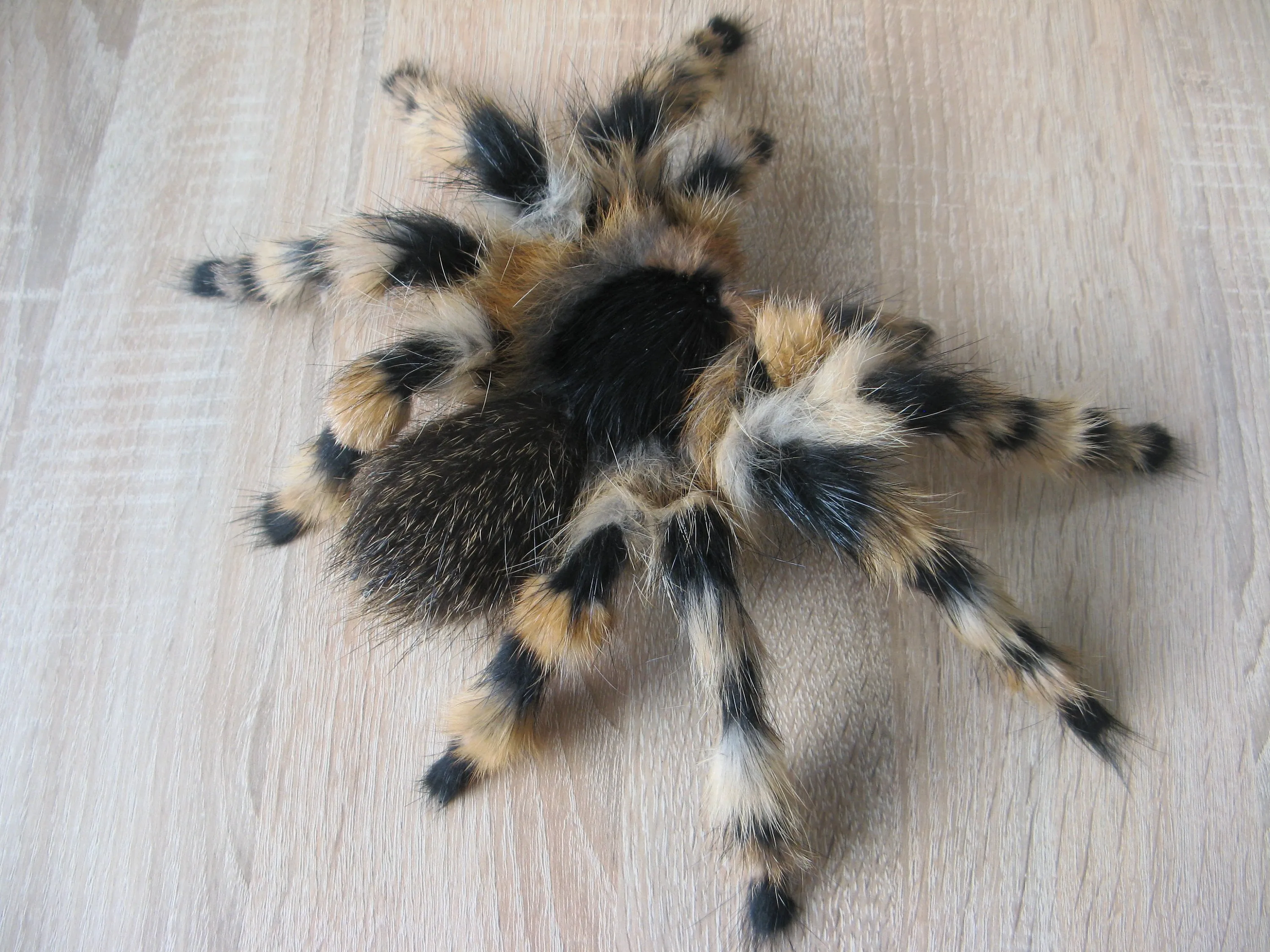
The world of tarantulas is fascinating, and among their many intriguing characteristics, their fluffiness often stands out. These hairy spiders, with their sometimes-vibrant colors and impressive size, capture the attention of both arachnid enthusiasts and casual observers. But what exactly makes a tarantula “fluffy”? This guide delves into the science behind their appearance, highlights the fluffiest species, and provides essential tips for caring for these amazing creatures. Discover the secrets behind their luxurious appearance and the best ways to appreciate these amazing spiders.
What Makes a Tarantula Fluffy
Tarantulas are covered in a dense coat of hairs, known scientifically as setae. These hairs vary in length, density, and structure depending on the species and serve multiple functions. The overall effect is what we perceive as “fluffiness.” The texture and appearance can range from a soft, velvety feel to a more bristly texture. The prominence of these hairs is a key characteristic that separates these arachnids from other spider species and contributes significantly to their visual appeal. The variations in the density and type of setae also play crucial roles in their survival and behavior, making them a fascinating subject of study.
Specialized Hairs
Not all hairs on a tarantula are created equal. Some are specialized for sensory functions, allowing the spider to detect vibrations, air movements, and changes in its environment. Others serve a defensive purpose, such as the urticating hairs found on many New World tarantulas. These hairs are barbed and can be flicked at potential threats, causing irritation and discomfort. The presence and type of these specialized hairs contribute to the overall fluffiness and protective mechanisms of the tarantula, making them well-adapted to their diverse habitats.
Setae Function and Purpose

Setae serve several essential purposes. They provide insulation, helping the tarantula regulate its body temperature. They also enhance the spider’s ability to grip surfaces, crucial for climbing and moving around. Additionally, the sensory setae act as an early warning system, alerting the tarantula to potential predators or prey. The different types of setae are strategically distributed across the body, each contributing to the spider’s survival. This complex system showcases the evolutionary adaptations that make tarantulas successful predators in various ecosystems.
Tarantula Appearance
The overall appearance of a tarantula is heavily influenced by the density, length, and color of its setae. Some species have a more dense and velvety coat, while others appear more bristly. The color of the hairs can also vary widely, from shades of brown and gray to vibrant blues, reds, and oranges. This diversity in appearance not only adds to their aesthetic appeal but also serves as camouflage in their natural habitats. The combination of color and texture contributes to the unique visual characteristics of each species, making tarantulas a visually stunning group of creatures.
Fluffiness and Species
The degree of fluffiness varies significantly among different tarantula species. Some species are known for their exceptionally dense and soft coats, while others have a more sparse covering. The fluffiness is often associated with specific habitats; for example, tarantulas from drier environments may have more hair for insulation and moisture retention. Understanding these variations can help enthusiasts appreciate the diversity within the tarantula family and provide the best care based on the species’ unique characteristics. This variation is a testament to the tarantula’s adaptability to various environmental conditions.
Top 7 Fluffiest Tarantula Facts

Fact 1 What is Fluffiness
Fluffiness in tarantulas refers to the density and texture of their setae, which create a soft, often velvety appearance. This is a key characteristic distinguishing them from other spiders. It serves multiple functions, including insulation, sensory perception, and sometimes, defense. The degree of fluffiness varies across species, influenced by habitat and evolutionary adaptations.
Fact 2 The Role of Urticating Hairs
Urticating hairs are a defense mechanism found in many New World tarantulas. These barbed hairs can be flicked at threats, causing skin and eye irritation. While not directly contributing to “fluffiness,” they are part of the overall hairy appearance and protective strategies of these spiders. These hairs can cause discomfort, acting as a deterrent against predators. The location and type of these hairs vary by species, adding complexity to their defensive behaviors.
Fact 3 Species with the Most Fluff

Certain species are renowned for their exceptional fluffiness. Examples include the Brazilian White Knee (Acanthoscurria geniculata) and the Chaco Golden Knee (Grammostola pulchripes). These tarantulas boast dense, long setae that give them a plush appearance. Their fluffiness often contributes to their popularity among pet owners and adds to their visual appeal. The specific environmental conditions they inhabit often influence their impressive coat.
Fact 4 The Importance of Humidity
Humidity plays a crucial role in maintaining the health and appearance of a fluffy tarantula. Adequate humidity prevents the tarantula’s exoskeleton from drying out, which can affect molting and overall well-being. Proper humidity also helps maintain the condition of their setae, keeping them from becoming brittle. Providing the right humidity levels is therefore essential for the tarantula’s health and the preservation of its fluffy appearance.
Fact 5 Molting and Appearance
Molting, the process of shedding the exoskeleton, impacts a tarantula’s appearance. After molting, the spider may appear less fluffy until new setae fully develop. Regular molting is a sign of growth and health, and it renews their overall appearance. The new exoskeleton emerges with a fresh, vibrant look before the hairs fully grow back. Providing a suitable environment during and after molting is crucial for the tarantula’s health and appearance.
Fact 6 Diet and Fluffiness

A balanced diet contributes to a tarantula’s overall health, including the quality of its setae. Proper nutrition ensures that the tarantula has the necessary resources to produce and maintain its fluffy coat. Feeding your tarantula a varied diet of insects will provide the necessary nutrients to support healthy growth and appearance. Malnutrition can lead to poor hair quality and overall health issues.
Fact 7 Handling the Fluff
Handling a fluffy tarantula should be done with care. While some species are docile, all tarantulas can be startled, potentially leading to defensive behaviors, including flicking urticating hairs. Gently handling the tarantula can allow you to experience their unique texture. Always wash your hands thoroughly after handling, and avoid touching your face or eyes. Understanding the individual tarantula’s temperament is essential.
Caring for a Fluffy Tarantula
Caring for a fluffy tarantula involves providing the right habitat, diet, and handling practices. Understanding the specific needs of the species you own is crucial for ensuring its health and well-being. Creating a suitable environment and providing proper care are essential for the tarantula’s survival and the maintenance of its unique appearance. Proper care ensures that your pet remains happy and healthy.
Creating the Perfect Habitat

The ideal habitat for a fluffy tarantula includes a well-ventilated enclosure, appropriate substrate, and hiding places. The size of the enclosure should match the tarantula’s size. The substrate, such as coconut fiber or peat moss, should retain moisture while providing a comfortable environment. A hide, such as a cork bark or a half-log, will allow the tarantula to retreat when it feels threatened. Maintaining the correct temperature and humidity levels is essential for the tarantula’s health and the preservation of its fluffy appearance. Regularly cleaning the enclosure is also important.
Feeding and Hydration
Feeding your tarantula a varied diet of insects, such as crickets, roaches, and mealworms, is essential. The frequency of feeding depends on the tarantula’s age and size. Ensure a constant supply of fresh, clean water in a shallow dish to prevent dehydration. Monitoring your tarantula’s appetite and body condition is essential to ensure it’s getting the right amount of food. Adjust the feeding schedule as needed to maintain a healthy weight and prevent obesity. Avoid overfeeding, which can lead to health problems.
Safe Handling
When handling a fluffy tarantula, be gentle and avoid sudden movements. Always wash your hands thoroughly before and after handling. Some species may have urticating hairs that can cause irritation, so avoid touching your face or eyes after handling. Learn about your tarantula’s temperament and behaviors to minimize stress. Handle the tarantula over a soft surface, such as a bed or carpet, to reduce the risk of injury if it falls. Always supervise children and educate them on safe handling practices. Respecting the tarantula’s space and needs will ensure a positive experience for both you and your pet.
In conclusion, the fluffiness of a tarantula is a captivating feature that adds to their allure. Understanding the science behind their setae, the different species, and the care required ensures that these amazing creatures can thrive in captivity. By following these guidelines, you can appreciate and care for your fluffy tarantula, ensuring their health and well-being. These fascinating creatures are a joy to observe and care for, making them unique pets.