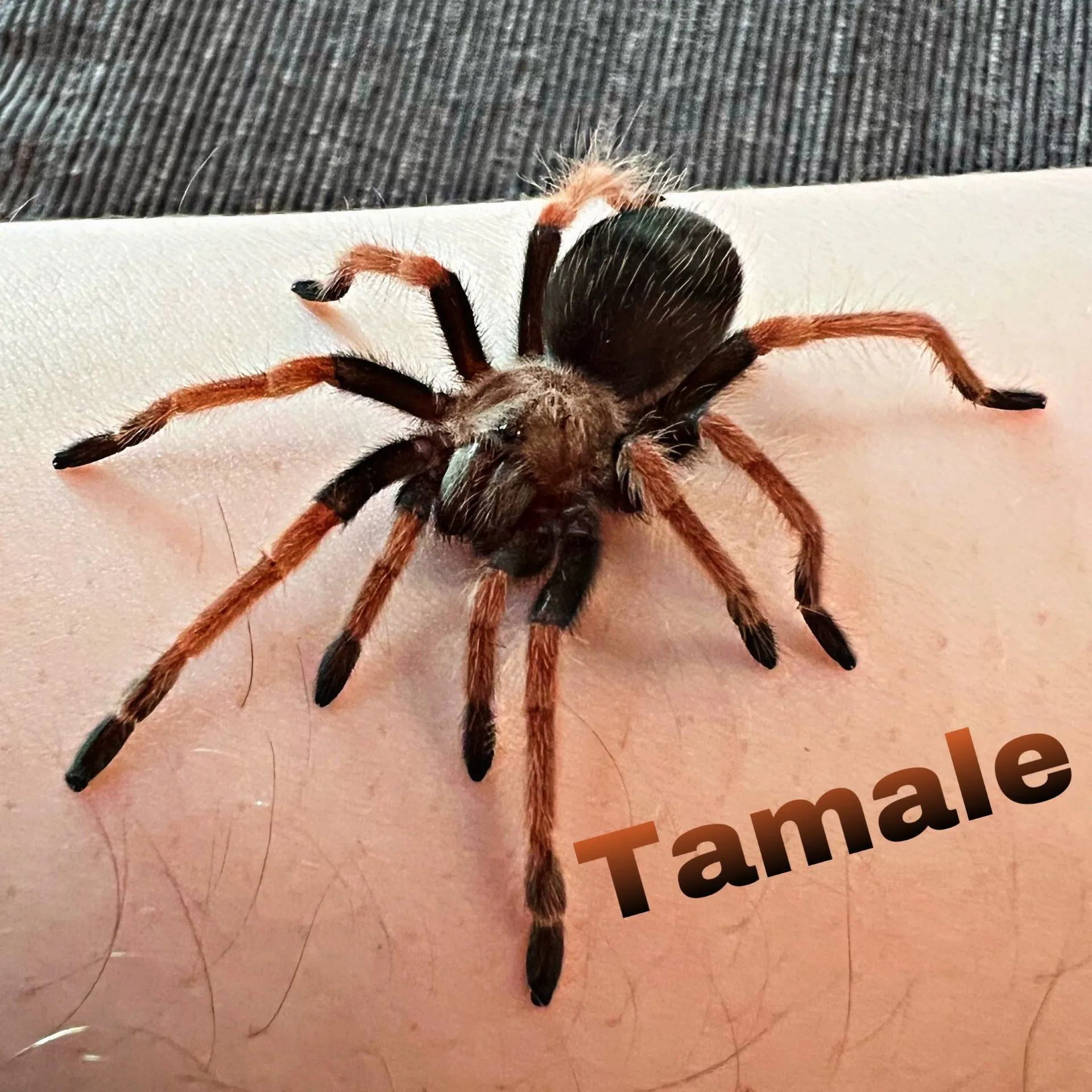
What is a Full Grown Mexican Fireleg Tarantula
The Mexican Fireleg Tarantula (Brachypelma boehmei) is a striking and popular pet tarantula, known for its vibrant orange and red leg hairs. These arachnids reach their full size over several years, and understanding the characteristics of a full-grown specimen is crucial for providing appropriate care and appreciating their beauty. The journey to adulthood includes multiple molts, with each shedding of the exoskeleton revealing a slightly larger version of the tarantula. Unlike some other tarantula species, Mexican Firelegs are generally known for their relatively docile temperament, making them a favorite among tarantula enthusiasts of various experience levels. Their impressive size and captivating appearance, combined with their manageable nature, make them a rewarding pet for those prepared to provide the right environment and attention. A full-grown Mexican Fireleg is a sight to behold, a testament to the patience and care of a dedicated owner.
Factors Influencing Full Grown Size
Several factors determine the final size of a Mexican Fireleg Tarantula. Genetics play a significant role, with some individuals naturally growing larger than others. Proper nutrition is also essential; a consistent diet of appropriately sized insects, such as crickets or roaches, is crucial for healthy growth. Environmental factors like temperature and humidity also influence development. Optimal conditions accelerate the molting process and, therefore, growth. The frequency of molting impacts the final size; more frequent molts during the earlier stages of development often indicate healthier and faster growth. The owner’s ability to provide the right care, including a suitable habitat and diet, will directly impact the ultimate size and health of the tarantula. Paying attention to these factors ensures your tarantula reaches its full potential.
Gender and Size Differences

There are notable size differences between male and female Mexican Fireleg Tarantulas. Females typically grow larger and live longer than males. A full-grown female can reach a leg span of up to 6 inches or more, while males usually remain slightly smaller, often around 5 inches. This size difference becomes more apparent as the tarantulas mature, with females continuing to grow throughout their lives, albeit at a slower rate. Males, however, cease growing after their final molt, which is the molt in which they reach maturity. This difference in size and growth rate is a key consideration when providing care, particularly concerning enclosure size and diet. The female’s larger size also contributes to her longer lifespan, as their slower metabolism and continuous growth allow them to live for several years.
Male Mexican Fireleg Tarantula Full Grown Size
Male Mexican Fireleg Tarantulas, following their final molt, typically measure around 4-5 inches in leg span. Their appearance also changes significantly after their final molt; they develop bulbous pedipalps (boxing gloves), used for mating, and spurs on their front legs. After reaching their full size, males typically focus on searching for a mate. The lifespan of a male is notably shorter than that of a female, generally lasting only a year or two after maturity. This shorter lifespan is directly linked to the energy expenditure during mating and the lack of further growth. Understanding their full-grown status and subsequent behavior helps in providing the proper environment and care during their later life stages.
Female Mexican Fireleg Tarantula Full Grown Size
Female Mexican Fireleg Tarantulas are larger than males, often reaching 5-6 inches or more in leg span when full grown. They continue to grow, though at a much slower pace, throughout their lives, contributing to their much longer lifespan. Unlike males, they do not undergo significant physical changes after their final molt beyond a continuous slight increase in size. A full-grown female is a magnificent sight, with vibrant colors and a robust build. Due to their size and longevity, females require larger enclosures and consistent care. Their ability to reach a larger size often results in them being preferred pets, as they are more visually impressive and can be observed for a longer duration.
How to Determine the Sex of a Mexican Fireleg Tarantula

Determining the sex of a Mexican Fireleg Tarantula can be done through several methods, with the most accurate involving examination of the exuvia (molted exoskeleton) under magnification. The presence of a spermatheca, a sperm storage organ, confirms the tarantula as female. Males can be identified by the presence of tibial hooks on their front legs and the bulbous pedipalps mentioned previously. Another less reliable method is to look at the ventral side of the tarantula and examining the epigastric furrow, which is broader in females. While examining the molt is the most dependable technique, it is important to ensure that the molt is in good condition and offers a clear view of the sexual organs. If you’re unsure, it’s always best to consult with an experienced tarantula keeper or a veterinarian specializing in exotic animals.
Lifespan of Full Grown Mexican Fireleg Tarantulas
The lifespan of a full-grown Mexican Fireleg Tarantula varies significantly depending on the sex. Females can live for 10 to 20 years or even longer under optimal conditions, making them a long-term commitment for pet owners. This longevity is a major appeal for many tarantula enthusiasts. Males, on the other hand, have a much shorter lifespan, typically living only 1 to 3 years after reaching maturity. This shorter lifespan is a result of their more active lifestyle in search of mates and the energy they expend during the mating process. Understanding the lifespan differences is important in caring for these creatures and allows owners to prepare for the different needs of their pets as they age.
Caring for a Full Grown Mexican Fireleg Tarantula
Caring for a full-grown Mexican Fireleg Tarantula requires attention to several key aspects of its environment and needs. Proper care ensures a healthy and happy tarantula. The primary focus should be on providing an appropriate enclosure, a suitable substrate, a balanced diet, and a safe environment. It’s important to understand that these tarantulas have specific requirements, and failure to meet them can lead to health issues. Therefore, proper care is not merely a suggestion, but a fundamental responsibility to ensure a good life for your pet. The environment you create will mimic the tarantula’s natural habitat and will be a reflection of your level of responsibility as a pet owner.
Enclosure Requirements

The enclosure for a full-grown Mexican Fireleg Tarantula should be appropriately sized to accommodate its full adult size. A 10-gallon tank is the minimum for a smaller adult, while a larger enclosure (20 gallons or more) is ideal for larger females. The enclosure should be well-ventilated with secure lids to prevent escape. The height of the enclosure isn’t as critical as the floor space, as these tarantulas are terrestrial. The enclosure should be spacious enough to allow the tarantula to move comfortably. Avoid unnecessary decorations and obstructions as they can potentially cause injuries. A correctly sized enclosure is essential to make sure your tarantula can thrive and live its best life without feeling restricted or cramped. Providing appropriate space not only promotes physical health but also reduces stress, contributing to the overall well-being of your pet.
Substrate and Habitat
The substrate in the enclosure serves multiple purposes, providing a comfortable surface for the tarantula, helping maintain humidity, and enabling burrowing. A mix of coco fiber, peat moss, and a small amount of vermiculite is ideal. The substrate should be deep enough for the tarantula to burrow if it chooses. Providing a hide, such as a piece of cork bark or a hollow log, allows the tarantula to feel secure and reduces stress. The enclosure should also include a shallow water dish for the tarantula to drink from. Regular maintenance of the substrate by removing uneaten food and waste helps maintain a clean and healthy environment. Mimicking the natural habitat by considering humidity, temperature, and shelter will create an ideal setup. This provides your tarantula with the most comfortable and natural habitat possible, leading to improved health and happiness.
Feeding a Full Grown Mexican Fireleg Tarantula
Feeding a full-grown Mexican Fireleg Tarantula is relatively straightforward. Their diet typically consists of insects, such as crickets, roaches, mealworms, and occasionally, a pinky mouse. The size of the prey should be appropriate for the tarantula’s size; adult tarantulas can eat larger insects. Overfeeding can lead to obesity, while underfeeding can stunt growth and cause health problems. The frequency of feeding should be adjusted based on the tarantula’s appetite and body condition. When choosing feeders, ensure they are gut-loaded with nutritious food to provide the tarantula with essential vitamins and minerals. Always remove uneaten prey from the enclosure to prevent stress and potential harm to the tarantula. A well-fed tarantula is a healthy tarantula.
Diet and Frequency

The diet of a full-grown Mexican Fireleg Tarantula should consist of a variety of insects to provide a balanced nutritional intake. Crickets and roaches should form the bulk of the diet, with mealworms as a supplementary treat. A good feeding schedule for a full-grown adult is once or twice a week. The amount of food should be proportional to the size of the tarantula and its abdomen. A well-fed tarantula will have a rounded abdomen. It is important to adjust the feeding schedule during molting. Never feed a tarantula when it is about to molt; wait for a week after molting before resuming the regular feeding routine. This ensures that they have enough energy to properly molt and recuperate.
Water and Humidity
Maintaining proper humidity is crucial for the health of a Mexican Fireleg Tarantula. The humidity levels should be around 60-70%. This can be achieved by misting the enclosure lightly every few days, depending on the ambient humidity in your home, and providing a shallow water dish. Ensure that the water dish is always filled with fresh water, as this is vital for hydration. Over-misting can lead to mold and bacterial growth, so it is important to strike a balance. The substrate should be kept slightly damp but not soggy. Regular monitoring of the humidity levels with a hygrometer will help to ensure that optimal conditions are maintained. Ensuring adequate humidity promotes healthy molting and prevents dehydration, which can cause serious health issues.
Handling and Safety
Handling a Mexican Fireleg Tarantula should be approached with caution. While they are generally considered docile, they can still bite if they feel threatened. Avoid handling unless absolutely necessary. When handling, do so close to the ground to minimize the risk of injury in case the tarantula falls. It is best to let the tarantula walk onto your hand rather than trying to pick it up. Always wash your hands before and after handling to prevent any contamination. Be gentle and avoid sudden movements to prevent startling the tarantula. Understand that some tarantulas are more sensitive than others and may react defensively, so it’s vital to pay close attention to the tarantula’s body language. Handling should be minimized to reduce the risk of stress and injury.
Potential Health Issues
Full-grown Mexican Fireleg Tarantulas can be susceptible to certain health issues. Common problems include parasites, such as mites, and injuries from falls or contact with sharp objects in their enclosure. Respiratory infections and fungal infections can occur if humidity levels are too high or the enclosure is not well-ventilated. Identifying and addressing these issues early is essential for maintaining your tarantula’s health. Regular inspection of the tarantula for any signs of illness, such as lethargy, loss of appetite, or unusual behavior, is vital. In case of suspected health problems, it is best to consult with a veterinarian specializing in exotic animals for diagnosis and treatment.
Molting
Molting is a natural process for tarantulas, where they shed their exoskeleton to grow. Full-grown tarantulas molt less frequently than younger ones, typically once a year or even less. Before molting, the tarantula may become less active and may refuse to eat. It will often lie on its back. It is important to avoid disturbing the tarantula during the molting process. After molting, the tarantula’s new exoskeleton is soft, so it should be left alone for a week or two to allow it to harden fully. During this time, avoid feeding the tarantula, and ensure that it has access to fresh water. Molting is essential for the tarantula’s growth and health. It should never be interfered with. Providing a stress-free environment during molting is crucial for successful and healthy molting.
Common Diseases and Prevention
Preventing diseases in full-grown Mexican Fireleg Tarantulas involves maintaining a clean and appropriate environment. Proper ventilation, regular removal of uneaten food, and proper substrate maintenance help prevent fungal and bacterial infections. Provide a balanced diet to maintain overall health, which will also improve their immune systems. Quarantine new tarantulas before introducing them to other tarantulas in your collection. Regular observation and monitoring for signs of illness can help detect and address any potential problems early on. By understanding the common diseases and implementing preventive measures, you can help ensure your tarantula’s well-being and longevity. Prevention is always better than cure when it comes to the health of your pet tarantula.
Final Thoughts

Caring for a full-grown Mexican Fireleg Tarantula is a rewarding experience that requires a commitment to understanding its needs. By providing the right environment, a proper diet, and ensuring a safe living space, you can enjoy these fascinating creatures for many years. Remember that responsible pet ownership includes continuous learning and adapting to the needs of your pet. With the proper care, you can enjoy the beauty and unique characteristics of your Mexican Fireleg Tarantula for many years. Their stunning appearance and relatively docile nature make them a great pet for tarantula enthusiasts. Understanding the full-grown characteristics and care requirements is the first step towards a fulfilling and successful experience with these incredible arachnids.