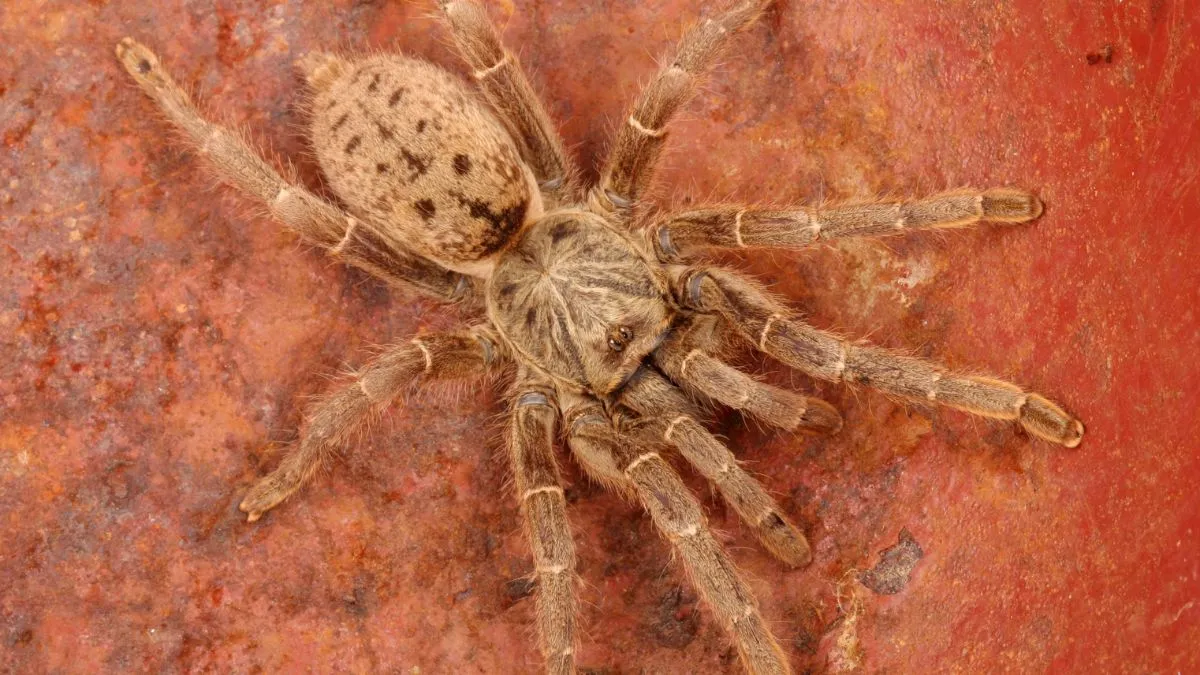
The Orange Baboon Tarantula (OBT), scientifically known as Pterinochilus murinus, is a popular species among tarantula enthusiasts. One of the most intriguing aspects of owning an OBT is understanding its growth rate. Unlike many pets, the OBT’s development is a fascinating process influenced by a variety of factors. This article delves into the key elements that affect an Orange Baboon Tarantula’s growth rate, offering insights to help you provide the best care for your pet. We’ll explore everything from environmental conditions to feeding habits, providing you with the knowledge to ensure your OBT thrives.
What Influences the Orange Baboon Tarantula’s Growth Rate?
Several factors play a crucial role in determining how quickly an Orange Baboon Tarantula grows. These include environmental conditions such as temperature and humidity, the frequency and type of food provided, and the quality of the substrate. Understanding these elements will help you create an optimal environment for your tarantula, promoting healthy growth and a longer lifespan. Keep in mind that each tarantula is unique, and individual growth rates can vary. However, by paying close attention to these key factors, you can significantly influence your OBT’s development.
Temperature’s Impact on Growth
Temperature is a critical factor in the growth rate of Orange Baboon Tarantulas. These tarantulas thrive in warmer environments, typically between 75°F to 85°F (24°C to 29°C). A consistent temperature within this range encourages a faster metabolism, leading to more frequent molting and, consequently, faster growth. Colder temperatures can slow down the metabolic rate, leading to slower growth. It is important to monitor the temperature in your tarantula’s enclosure regularly and adjust it as needed, using a reliable thermometer. Use a heating pad or a heat lamp to maintain consistent warmth, but always ensure that the tarantula has a cooler area to retreat to if needed to prevent overheating. This balance is crucial for optimal growth and overall well-being.
The Importance of Humidity
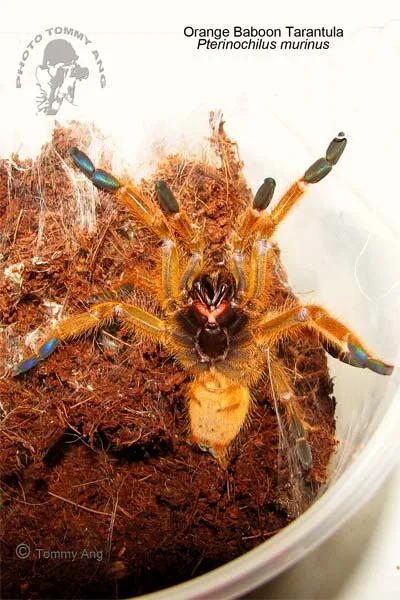
Humidity is another significant factor. Orange Baboon Tarantulas prefer a moderate humidity level, usually around 60% to 70%. Adequate humidity assists with molting, ensuring that the tarantula can shed its exoskeleton without difficulty. Low humidity can lead to failed molts, which can be fatal. To maintain the correct humidity, use a hygrometer to measure the moisture levels in the enclosure and mist the substrate regularly. The substrate should be damp but not waterlogged. Proper ventilation is also essential to prevent mold growth while maintaining the right humidity balance. By monitoring and adjusting humidity levels, you help your OBT have successful molts, which is vital for growth and development.
Feeding Frequency and its Role
Feeding frequency significantly influences the growth rate of Orange Baboon Tarantulas. Spiderlings and juveniles require more frequent feeding than adults. Young OBTs should be fed two to three times a week, while adults can be fed once or twice a week. The size of the prey should also be considered, it should be appropriate to the tarantula’s size. Overfeeding can lead to health issues, while underfeeding can stunt growth. A balanced diet of appropriately sized insects, such as crickets, roaches, and mealworms, provides essential nutrients for growth and development. Always remove uneaten prey to prevent stress on the tarantula and maintain a clean enclosure. Regular feeding routines tailored to the tarantula’s life stage are key to a healthy growth rate.
The Significance of Substrate
The type of substrate can also affect the molting process and, therefore, growth. The substrate provides a surface for the tarantula to burrow and feel secure. It should also help maintain proper humidity levels. A good substrate choice for Orange Baboon Tarantulas includes a mixture of peat moss, vermiculite, and coconut fiber. This combination helps retain moisture and provides the necessary texture for burrowing. The depth of the substrate is also important; it should be deep enough for the tarantula to create a burrow. A suitable substrate supports the tarantula during molting and contributes to overall enclosure health. Regular maintenance, including spot cleaning and occasionally replacing the substrate, helps to maintain a healthy environment.
Comparing Growth Rates across Life Stages

Spiderling Growth vs. Juvenile Growth
The growth rate of Orange Baboon Tarantulas varies significantly across different life stages. Spiderlings, being in their early stages, tend to molt more frequently, sometimes every few weeks, which results in rapid growth. During this phase, consistent feeding and optimal environmental conditions are critical. As the tarantula matures into a juvenile, the molting frequency decreases, and the growth rate slows down. This phase still requires careful attention to diet and environment, but the demands are less intense compared to the spiderling stage. Understanding these differences will help you adjust care routines accordingly to ensure the best possible growth for your OBT.
Adult Growth and Molting
As an Orange Baboon Tarantula reaches adulthood, the molting frequency further decreases, often occurring once a year or even less frequently. The growth rate slows considerably during this stage. Adult OBTs focus more on energy conservation and reproduction rather than rapid growth. Proper care continues to be essential, with attention given to maintaining a healthy environment and a suitable feeding schedule. Even though the growth rate slows, each molt is vital for the tarantula’s overall health and longevity. It’s essential to provide a stress-free environment, especially around molting times, to ensure a successful molt and the continued well-being of your adult tarantula.
Top 5 Fast Facts on Orange Baboon Tarantula Growth

Fact 1 The Speed of Molting
The molting frequency is a key indicator of growth rate. Spiderlings molt much more often than adults. A fast-growing spiderling may molt every few weeks, while adults molt annually or less often.
Fact 2 Feeding Habits
Feeding frequency directly impacts growth. Spiderlings and juveniles need more frequent feedings than adults. Proper prey size is also crucial to avoid under or overfeeding.
Fact 3 Temperature’s Influence

Warm temperatures (75-85°F) boost metabolism, promoting faster growth. Consistent temperature is key to regulating the OBT’s development.
Fact 4 The Humidity Factor
Moderate humidity (60-70%) is essential for successful molting. Proper humidity helps the tarantula shed its exoskeleton without difficulties.
Fact 5 Substrate and its importance
Substrate supports the molting process and offers a safe environment. A good substrate helps maintain humidity and gives the OBT a place to burrow.
How to Maximize Your Orange Baboon Tarantula’s Growth

Optimizing the Enclosure
The enclosure is crucial for providing the right environment for your Orange Baboon Tarantula to thrive. Choose an appropriately sized enclosure; it should be large enough for the tarantula to move around comfortably but not so large that it feels exposed. Provide a suitable substrate that maintains humidity and allows for burrowing. Regularly clean the enclosure to remove uneaten food and waste. Ensure proper ventilation while maintaining the necessary humidity levels. By creating an ideal environment, you’ll support your OBT’s growth and well-being.
Providing the Right Diet
A balanced diet is critical for optimal growth. Offer a variety of appropriately sized insects such as crickets, roaches, and mealworms. Adjust feeding frequency based on the tarantula’s age and growth stage. Always remove uneaten prey to avoid stressing the tarantula or causing health problems. Supplementing the diet with occasional vitamin-enriched food items can also benefit the OBT’s health. By offering a nutritious and varied diet, you are laying the foundation for healthy growth.
Maintaining Ideal Environmental Conditions

Consistent monitoring and maintenance of the enclosure’s environmental conditions are essential. Regularly check the temperature and humidity levels, adjusting them as needed. Ensure good ventilation to prevent mold growth while maintaining humidity. Spot clean the enclosure regularly and replace the substrate as needed to maintain cleanliness. By creating and maintaining a stable, appropriate environment, you are providing the best possible conditions for the Orange Baboon Tarantula to grow and flourish. This includes creating a stress-free environment that supports successful molting and overall good health.
In conclusion, understanding the growth rate of Orange Baboon Tarantulas involves careful consideration of various factors, from environmental conditions to dietary habits. By providing the right temperature, humidity, diet, and enclosure, you can significantly influence your OBT’s growth and ensure its well-being. Remember that patience and observation are key, as each tarantula is unique and will grow at its own pace. By following these guidelines, you can create a thriving environment for your Orange Baboon Tarantula and enjoy the fascinating journey of watching it grow and develop.