What is Hogna Carolinensis
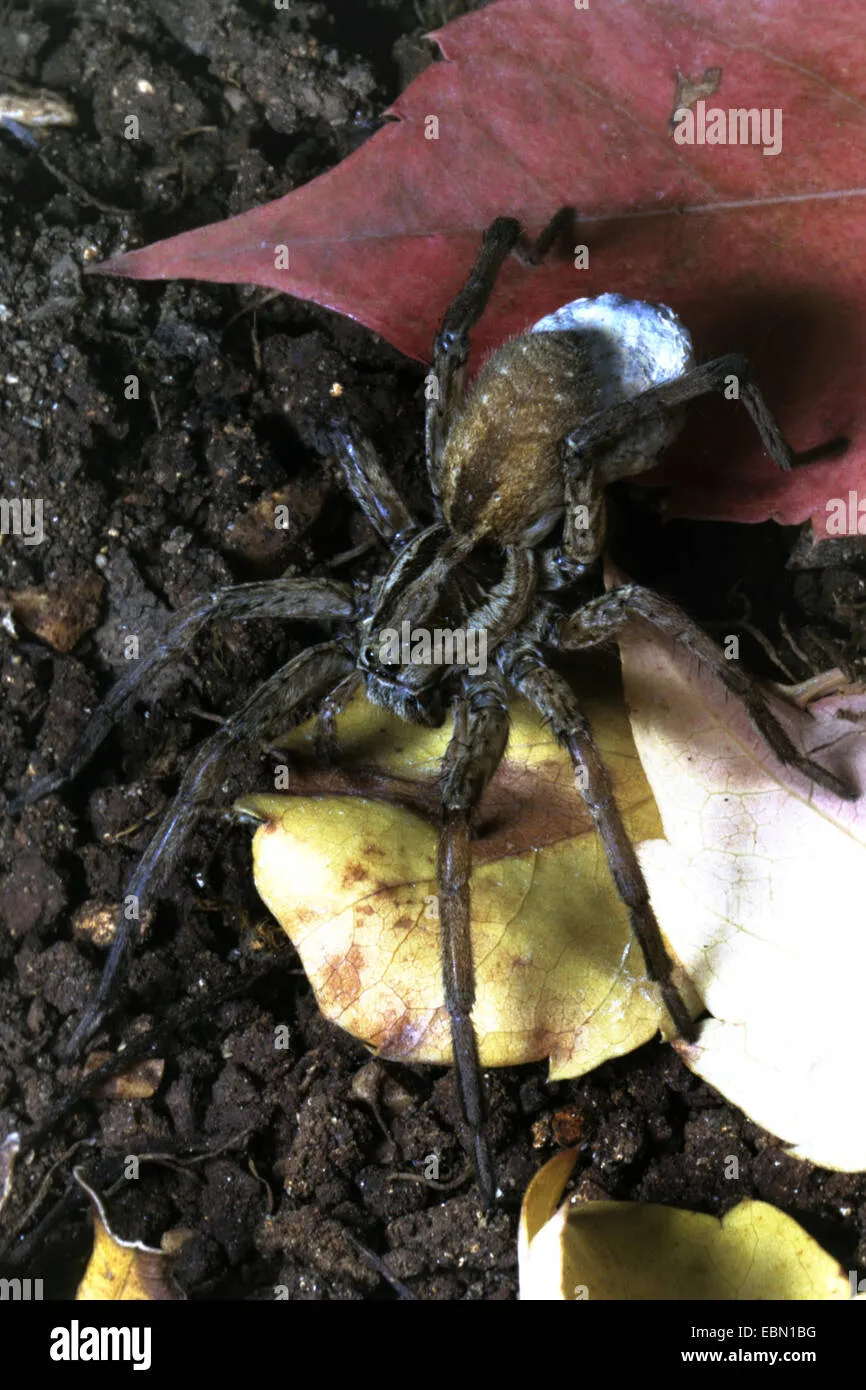
The Hogna carolinensis, commonly known as the Carolina wolf spider, is a fascinating arachnid native to North America. This large, robust spider is often mistaken for a tarantula due to its size and appearance, though it belongs to the wolf spider family (Lycosidae). Unlike many tarantulas, the Carolina wolf spider does not build webs to catch its prey. Instead, it is an active hunter, relying on its keen eyesight and agility to ambush insects and other small creatures. Its presence in various ecosystems plays a significant role in controlling insect populations, making it an important part of the natural food web. The spider’s life cycle, from egg to adult, is another remarkable aspect of its existence, displaying complex behaviors and adaptations for survival.
Appearance and Characteristics
The Carolina wolf spider is easily identifiable by its large size and distinctive markings. Adult females can reach up to 1 inch (2.5 cm) in body length, while males are typically smaller. Their bodies are covered in dense hairs, providing them with a fuzzy appearance. The coloration of Hogna carolinensis ranges from shades of brown to gray, with darker markings and patterns on their carapace (the top part of the cephalothorax) and abdomen. These markings often provide camouflage, helping them blend into their surroundings. The spider’s eight eyes are arranged in a unique pattern, with two large anterior lateral eyes and two smaller posterior lateral eyes, providing excellent vision for hunting and navigating its environment.
Size and Physical Features
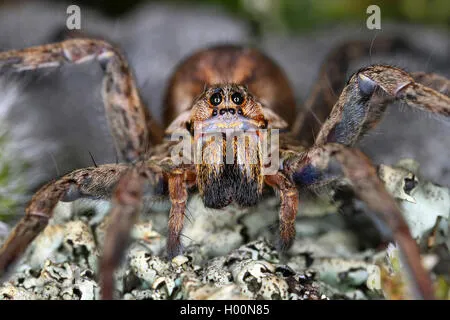
As one of the largest wolf spiders in North America, Hogna carolinensis commands attention with its size. The females, as mentioned, can often reach up to an inch in body length, while the males are usually smaller, contributing to sexual dimorphism. These spiders have powerful chelicerae (mouthparts) capable of delivering a bite, though not typically dangerous to humans. Their legs are long and sturdy, allowing for swift movement across various terrains, which is essential for their hunting style. The combination of size, powerful legs, and keen eyesight makes the Carolina wolf spider a formidable predator in its habitat, capable of capturing a variety of prey.
Habitat and Distribution
The Carolina wolf spider is widely distributed across North America, inhabiting a variety of habitats. These spiders are adaptable and can be found in grasslands, fields, woodlands, and even suburban areas. They prefer environments with ample ground cover, such as leaf litter, tall grasses, or under rocks, where they can find shelter and hunt for prey. Their distribution spans a considerable portion of the United States, from the eastern seaboard to the Midwest and parts of the Southwest. Understanding their preferred habitats is crucial for conservation efforts, as changes in land use and habitat destruction can significantly impact their populations.
Where They Live
Hogna carolinensis typically live in burrows or under objects on the ground. These burrows can be quite deep, providing shelter from extreme temperatures and predators. They often line their burrows with silk to provide stability and a comfortable environment. When not hunting, the spiders spend most of their time in these retreats, emerging to forage for food or to mate. The specific location of their dwellings can vary depending on the environment, with spiders in more open areas constructing less elaborate burrows than those in areas with denser vegetation. They are commonly found in gardens, fields, and wooded areas.
Natural Habitats

The natural habitats of Hogna carolinensis are diverse. They thrive in ecosystems where there is a good balance of vegetation, insect populations, and suitable shelter. This includes open grasslands, prairies, and meadows where they can actively hunt. They also inhabit woodlands and forests, where they find refuge under fallen leaves and debris. The presence of these spiders is an indicator of a healthy ecosystem, as they play a key role in regulating insect populations. Their adaptability to various environments is a testament to their resilience.
Diet and Feeding Habits
As active hunters, Carolina wolf spiders have a varied diet consisting primarily of insects and other small invertebrates. They are opportunistic predators, meaning they will consume whatever prey they can capture. This diet includes crickets, grasshoppers, beetles, and even smaller spiders. Their hunting strategy involves actively pursuing prey rather than waiting in webs, using their speed and eyesight to their advantage. This active hunting style makes them effective predators and contributes to their role in controlling insect populations within their ecosystems. The spider’s diet varies depending on the availability of prey in their specific habitat, ensuring they get a balanced intake of nutrients.
What They Eat
The primary diet of Hogna carolinensis consists of insects. They consume a wide variety of insects including, but not limited to, crickets, grasshoppers, beetles, and other spiders. They have been known to occasionally prey on small vertebrates if the opportunity arises. The specific types of insects consumed depend on the habitat they live in, with the spiders adapting their diet based on the availability of different prey. The spider’s powerful chelicerae and potent venom (though not dangerous to humans) help them subdue and consume their prey efficiently, providing the necessary nutrients for growth and reproduction.
Feeding Frequency

The feeding frequency of the Carolina wolf spider depends on factors such as prey availability and the spider’s life stage. Generally, adults may eat every few days to a week, consuming multiple insects at each feeding. Younger spiders, which are still growing, may need to eat more frequently. They are voracious eaters, and their appetite is influenced by environmental conditions, such as temperature. During warmer months, their metabolism increases, leading to a greater need for food. In contrast, during colder periods, they might feed less frequently due to slower metabolism. Regular feeding is essential for their survival and growth.
Behavior and Temperament
Hogna carolinensis spiders are generally not aggressive towards humans, but they will defend themselves if they feel threatened. They are solitary creatures, typically only interacting with each other during mating season. These spiders are most active during the night, using their enhanced vision to hunt. The female spiders are known for carrying their egg sacs attached to their spinnerets and later carrying their spiderlings on their backs, demonstrating maternal care. Their behavior is primarily driven by the need to hunt, find shelter, and reproduce, with environmental factors influencing their activity levels.
Defensive Behaviors
When threatened, the Carolina wolf spider will often attempt to flee. If escape is not possible, they will adopt a defensive posture, which might include rearing up on their hind legs, baring their fangs. They can also bite, though their venom is not considered medically significant to humans. These spiders are more likely to bite if they are handled or feel cornered. Their primary defense mechanism is often running away, utilizing their speed to escape danger. They will only resort to biting as a last resort when they feel directly threatened, and will also release their hairs, which may cause irritation.
Interaction with Humans

Encounters with Hogna carolinensis spiders are relatively common, especially in areas where they are prevalent. While they are large and can appear intimidating, they are generally harmless to humans. Bites are rare and usually occur only when the spider feels threatened. If a bite does occur, it may cause mild pain and redness at the site, but it is not considered medically significant. These spiders can be beneficial in gardens and around homes, as they help control populations of insects. As a result, it’s best to appreciate them from a distance and avoid handling them.
Breeding and Life Cycle
The breeding process of Hogna carolinensis is fascinating, starting with the mating ritual and leading to the development of offspring. The female spider carries her eggs in a silk egg sac attached to her spinnerets. Once the eggs hatch, the spiderlings ride on their mother’s back for a period, receiving protection and care until they are ready to disperse. This maternal care is a distinguishing characteristic of wolf spiders. The spider’s life cycle includes several stages of molting, where they shed their exoskeleton to grow. Environmental factors and prey availability influence the growth rate and overall lifespan of these spiders.
Mating Process
Mating for the Carolina wolf spider typically occurs in the late summer or early fall. The male spider approaches the female carefully, often engaging in courtship rituals such as leg waving or tapping. Once the female accepts the male’s advances, mating takes place, following which, the male typically retreats to avoid being eaten. The female then produces an egg sac, carrying it with her until the eggs hatch. The survival of the offspring is heavily influenced by the care they receive from their mother during the initial stages of their lives.
Life Stages

The life stages of Hogna carolinensis involve several molts as the spider grows. The spiderlings emerge from the eggs and immediately climb onto their mother’s back, where they remain for several days or weeks. During this time, they are protected and fed by the mother. They then disperse, each spiderling beginning its independent life. These spiders will continue to molt as they mature, shedding their exoskeleton to grow larger. The number of molts varies depending on environmental conditions and the availability of food. The adult lifespan of Hogna carolinensis is typically about a year, with females living slightly longer than males.
Conservation Status and Threats
The Carolina wolf spider is not currently listed as an endangered species, but like many other invertebrates, it faces potential threats from habitat loss and pesticide use. As human activities continue to encroach on natural habitats, the spiders’ living spaces diminish, affecting their populations. Pesticides used in agriculture and residential areas can also harm these spiders, either directly or by reducing their food supply. Conservation efforts are crucial to protect their habitats and ensure the continued presence of these beneficial predators in the ecosystem.
Current Conservation Efforts
Currently, there are not specific conservation efforts directed solely at the Hogna carolinensis. However, protecting the habitats in which they reside contributes to their conservation. This includes preserving grasslands, woodlands, and other natural areas. Reducing the use of pesticides, promoting sustainable land management practices, and raising public awareness about the importance of these spiders in the ecosystem are effective steps. Citizen science initiatives and research projects can help monitor their populations and assess potential threats to the Carolina wolf spider. These actions promote a balanced ecosystem.
Threats to Population

The primary threats to Hogna carolinensis populations include habitat destruction, pesticide use, and climate change. The loss of natural habitats due to urbanization, agriculture, and deforestation directly reduces the available living space for these spiders. Pesticides, both insecticides and herbicides, can kill the spiders and/or eliminate their food sources. Climate change also poses a threat by altering their habitats, shifting insect populations, and affecting their overall survival. Monitoring and mitigating these threats are essential to ensure the long-term survival of this vital species within its natural ecosystem. Public awareness and education will help.