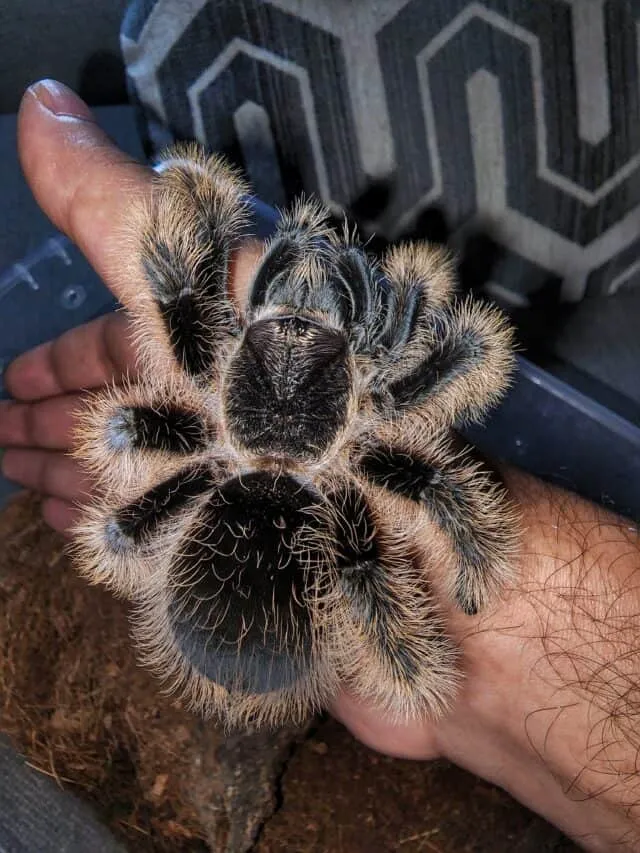
Tarantula Eye Anatomy
Tarantulas, despite their often intimidating appearance, possess a surprisingly complex visual system. Unlike many other creatures, they don’t rely on a single pair of eyes. Instead, these fascinating arachnids typically have eight eyes, arranged in two rows on the cephalothorax (the combined head and chest region). This unique arrangement gives them a broad field of view, crucial for their survival in the wild. The number and placement of eyes is a key feature in the identification and study of different tarantula species. Understanding their eye structure is the first step to understanding how these creatures perceive the world around them. The positioning of the eyes allows for detection of movement from almost any direction.
The Primary Eyes What They See
The primary eyes of a tarantula, usually located in the front row, are the main visual sensors. These eyes are primarily responsible for forming images and detecting movement, similar to the function of our own eyes. However, the tarantula’s primary eyes aren’t as sharp as human eyes; they are better suited for detecting changes in light and shadows rather than fine details. This is extremely helpful for sensing approaching threats or the presence of potential prey. They also can detect the presence of light, which helps the tarantula distinguish day and night. Their ability to detect movement from a distance is one of their key survival strategies.
The Secondary Eyes Additional Vision

The secondary eyes, positioned in the second row, provide additional visual information. These eyes are believed to have a wider field of view and are particularly sensitive to movement, even subtle changes. This enhanced motion detection helps the tarantula to be aware of its surroundings, allowing it to react quickly to any potential threats or opportunities. The secondary eyes also provide a sense of depth perception, which is crucial for judging distances when hunting or navigating its environment. The combination of primary and secondary eyes gives the tarantula a comprehensive view of its surroundings.
How Eyes Help Tarantulas
Tarantula eyes play a crucial role in their survival. The ability to see allows tarantulas to hunt effectively, detect predators, and navigate their environment. They use their eyes to locate prey, judging the distance and movement of potential meals, often ambushing their targets. The eyes also alert them to the presence of danger, enabling them to escape or defend themselves. Their visual perception is a key factor in their ability to thrive in diverse habitats, from forests to deserts. The arrangement and function of the eyes are highly adapted to the tarantula’s lifestyle.
Hunting and Prey Detection
The tarantula’s eyes are a key tool for hunting. They use their eyes to scan their surroundings, detecting the movement of potential prey. Once a target is identified, the tarantula uses its vision to judge the distance and prepare for an ambush. Different species have adapted their hunting strategies, some relying more on their eyes, while others use their sense of vibration. The tarantula’s ability to see provides a vital advantage in the hunt, allowing them to target and capture prey effectively. The visual acuity of tarantulas, while not as high as some predators, is sufficient for their needs.
Navigation and Environmental Awareness

Beyond hunting, a tarantula’s eyes are also important for navigating their environment. They use their vision to orient themselves, recognizing landmarks and avoiding obstacles. Their ability to perceive light and shadow also helps them to understand their surroundings and to find shelter from the sun or potential predators. Their eyes allow them to establish a home range and navigate within it. The visual input received helps the tarantula be aware of changes in its environment, such as approaching storms or the presence of other animals.
Unusual Tarantula Eye Facts
While eight eyes are the norm, some tarantula species have slight variations in their eye arrangement or the size of their eyes. Some species, for example, might have a slightly different configuration that affects their field of view or depth perception. The evolution of the tarantula eye is also of interest to researchers, with some species showing unique adaptations to their specific environments. These variations demonstrate the adaptability of the tarantula and how their visual systems have evolved to best suit their lifestyle. The study of these differences can offer insights into tarantula behavior and their relationship with their environment.
Eye Color and Adaptations
The color of a tarantula’s eyes can vary between species, with colors ranging from black to shades of brown or even gold. These colors are often associated with the amount of pigment present in the eye. Some studies suggest that the color of the eyes may also play a role in how the tarantula sees light, and the type of environment they live in. For example, species that are active during the day may have adapted eyes that are more sensitive to bright light, while nocturnal species might have eyes that are better suited for low-light conditions. Eye color adaptation can enhance vision in different habitats.
Eye Damage and Regeneration

Tarantulas, like other arthropods, can experience eye damage from injury or during molting. However, they possess a remarkable ability to regenerate lost or damaged eyes. When a tarantula molts, it sheds its exoskeleton, including the outer layer of its eyes. This process allows them to essentially regrow a new set of eyes with each molt. This regenerative ability is critical for their survival, especially when facing predators or navigating rough terrain. The process of molting and eye regeneration is an essential part of a tarantula’s life cycle.
Conservation and Research
Understanding the tarantula’s eye structure and function is important for conservation efforts and scientific research. By studying their visual systems, researchers can learn more about their behavior, habitat preferences, and the threats they face in the wild. Conservation efforts often focus on protecting tarantula habitats, reducing the impact of human activities, and raising awareness about the importance of these amazing creatures. Furthermore, the study of tarantula eyes can also contribute to our understanding of visual systems in general, potentially informing the development of new technologies in areas like robotics and artificial intelligence.