What Factors Influence Tarantula Cost?
The price of a pet tarantula is not a fixed number; it’s influenced by various elements. Understanding these factors will help potential owners budget effectively and make informed decisions. Several key components determine the final cost, including the species of tarantula, its age, size, and even its origin. Rarer species, those with striking colors, or those that are more difficult to breed often command higher prices. The age of the tarantula is also a significant factor. Younger tarantulas, called spiderlings, are typically less expensive than mature adults, but they also require more specialized care. Moreover, the source of the tarantula, whether it’s a breeder, a pet store, or an online seller, can affect the price, with breeders often offering a better deal.
Beyond the immediate cost of the tarantula itself, additional expenses such as shipping fees, depending on the seller’s location and the distance, must be considered. Similarly, the overall health of the tarantula is paramount. A healthy tarantula, free from diseases or injuries, is more likely to thrive. The reputation and reliability of the seller is a critical factor in ensuring a positive experience. It is essential for prospective owners to research sellers, read reviews, and ensure they comply with all applicable regulations and ethical practices. The care and selection of the species are vital for the health and well-being of the tarantula.
Tarantula Species and Their Prices
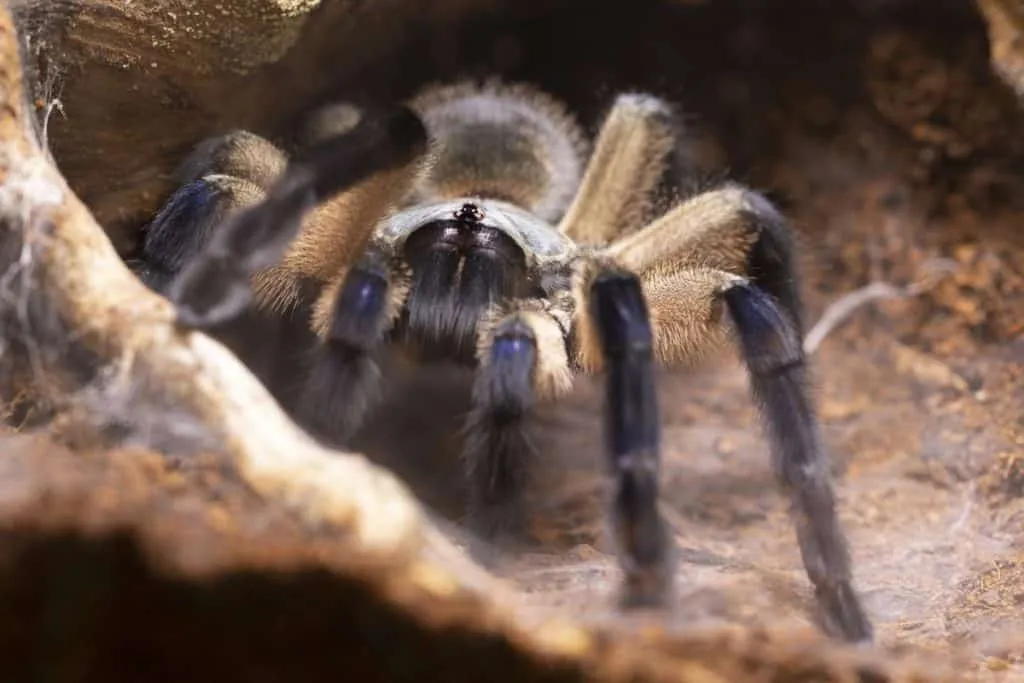
Different tarantula species come with different price tags, reflecting their rarity, ease of care, and appearance. Beginner-friendly species are generally more affordable, offering a good starting point for new tarantula owners. These species are typically hardier and more tolerant of environmental fluctuations. For example, the Chilean Rose Hair tarantula, a popular choice, is known for its docile temperament and can be purchased for a reasonable price. On the other hand, some species, like the Gooty Sapphire Ornamental, are more expensive due to their striking appearance and the challenges in breeding them.
The price of a tarantula may also depend on its origin and the laws applicable in the respective region. Captive-bred tarantulas are often preferred as they are typically healthier and less likely to have been exposed to parasites. Rare or unusually colored tarantulas also tend to be priced higher. Before making a purchase, potential owners should research the specific needs of each species to ensure they can provide the necessary care. This includes understanding the tarantula’s diet, temperature, humidity requirements, and potential lifespan. Understanding the characteristics of each species is crucial to provide adequate care. The prices vary greatly among different species, and it is important to research before making a decision.
Beginner-Friendly, Affordable Tarantulas

If you are new to tarantula ownership, consider starting with one of the more affordable and easy-to-care-for species. These tarantulas are typically less demanding in terms of environmental conditions and have a more forgiving temperament, making them ideal for beginners. The Chilean Rose Hair (Grammostola rosea) is one of the most popular choices, known for its gentle nature and relatively low price. They are typically hardy and can adapt well to a variety of conditions, making them a great option. Another excellent beginner option is the Mexican Red Knee (Brachypelma hamorii), which has striking colors and a calm demeanor. Both of these species are often available at affordable prices and are widely available through pet stores and breeders.
Other budget-friendly and beginner-friendly tarantulas include the Texas Tan (Aphonopelma hentzi) and the Pinktoe tarantulas (Avicularia spp.). These tarantulas are also typically docile and have manageable care requirements. When choosing a beginner tarantula, it’s important to research the specific needs of each species, including their habitat requirements, diet, and potential size. Make sure you can provide a safe and comfortable environment. The prices are not the only criteria, but it’s an important factor to consider when deciding on the best pet.
The Cost of Tarantula Enclosures and Supplies
Beyond the initial cost of the tarantula, you’ll need to budget for its enclosure and other essential supplies. A suitable enclosure provides a safe and comfortable habitat, while the right equipment helps maintain the ideal temperature and humidity. The cost of the enclosure varies depending on the size and species of the tarantula. A good rule is to provide an enclosure that is at least three times the tarantula’s leg span in length and width. The material of the enclosure can also affect the price, with glass or acrylic terrariums being common choices. The size depends on the tarantula species you choose, which can range from small spiderlings to larger adults.
In addition to the enclosure, you’ll need to purchase substrate (the material at the bottom of the enclosure), a water dish, and potentially a hide or shelter for the tarantula. The substrate helps maintain humidity and allows the tarantula to burrow. Common substrate options include coconut fiber, peat moss, and vermiculite. A water dish is essential to provide fresh water. The total cost of the enclosure and supplies can range from $50 to $200 or more, depending on the size of the tarantula and the quality of the items. It’s important to research the specific needs of your chosen tarantula species to ensure you’re providing the best possible environment.
Ongoing Expenses of Tarantula Ownership
Owning a tarantula involves ongoing expenses that contribute to the total cost of ownership. The most significant recurring cost is food. Tarantulas primarily eat insects, such as crickets, mealworms, and roaches. The amount of food a tarantula needs depends on its size and age, with younger tarantulas requiring more frequent feedings. The price of insects can vary depending on the source and the quantity purchased. It’s often more cost-effective to buy insects in bulk or to breed your own, if feasible. The other expenses are minimal, such as replacing substrate and occasional vet visits if any health issues arise.
Another ongoing expense is the substrate, which needs to be replaced periodically to maintain hygiene and prevent the growth of mold or bacteria. The frequency of replacement depends on the type of substrate and the size of the enclosure. You may also need to replace other items, like the water dish. While tarantulas are generally low-maintenance pets, unexpected veterinary expenses could arise if your tarantula becomes ill or injured. The costs of these expenses can vary greatly depending on the vet and the nature of the problem. Overall, the ongoing costs of tarantula ownership are relatively low compared to some other pets. Regular care is essential to keep your pet healthy.
Where to Buy a Pet Tarantula

When it comes to purchasing a pet tarantula, there are several options, each with its own pros and cons. Local pet stores often carry a variety of tarantulas, especially beginner-friendly species. They can offer the convenience of immediate purchase and the opportunity to see the tarantula in person before buying it. However, pet stores may have a more limited selection and their prices might be higher than those offered by specialty breeders or online sellers. You should always consider the seller’s reputation. Moreover, always ensure that the animal is healthy and well-cared for.
Specialty breeders are often the best source for a wider selection of species, including rarer and more exotic ones. They usually have more knowledge about the tarantulas they sell and can provide valuable advice on care. Buying directly from a breeder can also be more cost-effective. Online sellers and marketplaces offer a vast selection of tarantulas, often at competitive prices. However, it’s crucial to thoroughly research the seller’s reputation and read reviews before making a purchase. Moreover, consider shipping costs and ensure the seller provides a guarantee for the health and well-being of the tarantula during transit. Choosing a reputable seller is key to a positive experience.