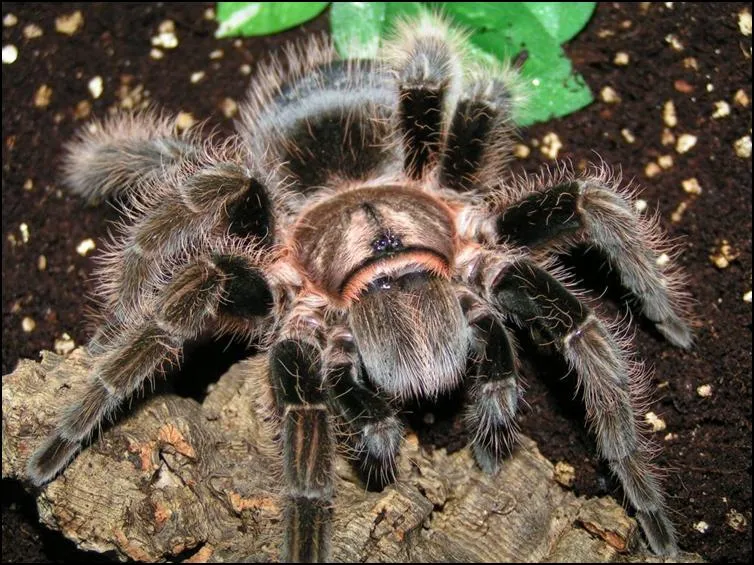
Understanding the Curly Hair Tarantula (Tliltocatl albopilosus)
The Curly Hair Tarantula, scientifically known as Tliltocatl albopilosus, is a popular choice for beginner tarantula keepers. Native to the tropical regions of Central America, particularly Costa Rica, these spiders are known for their docile temperament and distinctive appearance. They are characterized by their brown to dark brown bodies covered in dense, curly hairs, which give them their namesake look. Understanding the specific needs of this species is crucial for ensuring its well-being and longevity. Unlike some other tarantula species, Curly Hairs are relatively easy to care for, making them a great entry point for those new to the hobby. They typically grow to a moderate size, with females often reaching a leg span of up to 6 inches, and they can live for many years with proper care.
Habitat and Enclosure Setup
Setting up the right habitat is fundamental to the health and happiness of your Curly Hair Tarantula. The enclosure should provide a secure, comfortable environment that mimics its natural habitat. Proper setup minimizes stress and allows the tarantula to thrive. This section covers the essential elements of a well-designed enclosure, including size, substrate, and decor.
Choosing the Right Enclosure

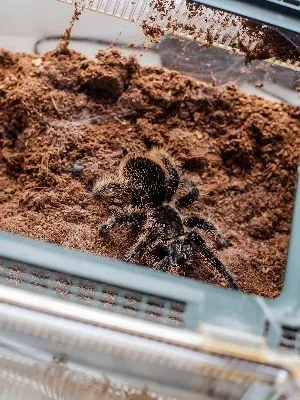
The enclosure’s size is essential; it should be appropriate for the tarantula’s size to allow for movement and exploration without being too large, which can make it difficult for the tarantula to find its food. A good rule of thumb is to provide a space that is approximately twice the tarantula’s leg span in width and length, with height not being as critical but sufficient to allow for a layer of substrate and some climbing space. Ensure that the enclosure has a secure lid to prevent escapes, as tarantulas are skilled climbers. Glass or clear plastic enclosures are ideal, as they allow for easy viewing and monitoring of the tarantula. Ventilation is also crucial to prevent the buildup of humidity and the growth of mold, so make sure the enclosure has proper airflow, typically through vents or a mesh lid.
Substrate Selection and Depth
The substrate forms the base of the enclosure and serves multiple purposes, including providing a place for the tarantula to burrow, helping to maintain humidity levels, and absorbing waste. A good substrate for Curly Hair Tarantulas should be able to hold moisture and not compact easily. A mix of substrate options are available, with the most popular and effective being a blend of coconut fiber, peat moss, and a small amount of vermiculite. This mixture offers excellent moisture retention while also providing a suitable texture for burrowing. The depth of the substrate should be at least 4-6 inches deep to allow for burrowing behavior. Avoid substrates like sand or gravel, as they do not retain moisture well and may be difficult for the tarantula to burrow in.
Decorating the Habitat
Providing a few decorations in the enclosure can enrich your tarantula’s environment and offer security. Cork bark, driftwood, or artificial plants can provide hiding places, which make the tarantula feel more secure and reduce stress. Avoid using anything with sharp edges that could harm the tarantula. It is also a good idea to include a shallow water dish for drinking. Ensure the water dish is always clean and accessible. Decorations also create visual interest and can mimic the tarantula’s natural habitat, making it a more engaging environment for both the spider and the keeper.
Temperature and Humidity Requirements

Maintaining the correct temperature and humidity levels is crucial for the health and well-being of your Curly Hair Tarantula. These conditions closely mimic their natural habitat in Costa Rica and help the tarantula thrive. Both temperature and humidity impact the tarantula’s metabolism, molting process, and overall comfort. Regular monitoring and adjustments are required to ensure the environment remains optimal.
Maintaining Optimal Temperature
Curly Hair Tarantulas thrive in temperatures between 75°F and 80°F (24°C and 27°C). A slightly warmer temperature range can also be beneficial. The enclosure temperature should be consistently maintained; avoid placing the enclosure in direct sunlight or near heat sources that might cause drastic fluctuations. The best way to achieve and maintain the correct temperature is by using a digital thermometer to monitor the enclosure’s temperature. If necessary, a heat source, such as a low-wattage heat mat or a ceramic heat emitter, can be used, but always ensure that the heat source is regulated with a thermostat to prevent overheating. Place the heat source on the side of the enclosure, not directly underneath, to create a temperature gradient and avoid stressing the tarantula.
Controlling Humidity Levels
Humidity levels are equally important, with the ideal range for Curly Hair Tarantulas being between 65% and 75%. Maintaining this level is essential for proper hydration and a successful molt. To increase humidity, lightly mist the substrate with dechlorinated water every few days, or as needed, to keep it slightly moist, but avoid making it soggy, as this can lead to mold growth and other issues. Regular monitoring with a hygrometer is crucial to keep track of humidity. Proper ventilation also plays a role; it helps to prevent the buildup of excessive moisture. Adjust the ventilation by the enclosure’s lid and adjusting how frequently you mist the enclosure. If the humidity level is consistently too high, reduce misting and increase ventilation.
Feeding Your Curly Hair Tarantula
Proper feeding is essential to keep your Curly Hair Tarantula healthy and active. A balanced diet, along with a consistent feeding schedule, ensures your tarantula receives the necessary nutrients. This section provides guidelines on what to feed, how often to feed, and how to provide water to keep your tarantula well-nourished and thriving.
What to Feed
Curly Hair Tarantulas are primarily insectivores, meaning their diet consists mainly of insects. Crickets, mealworms, and roaches are excellent food choices, and readily available from pet stores. Ensure the insects are gut-loaded with nutritious food (like commercial cricket food) prior to being fed to your tarantula, to ensure the spider is getting the necessary vitamins and minerals. Avoid feeding your tarantula wild-caught insects, as they may carry pesticides or parasites that can harm your pet. Before feeding, it is important to remove uneaten prey after 24 hours to prevent the insects from stressing the tarantula or harming it during a molt. The size of the insect should be appropriate for the size of your tarantula; a general rule is to feed insects that are no larger than the tarantula’s body.
Feeding Frequency and Amounts
The feeding frequency for Curly Hair Tarantulas varies depending on their age and size. Spiderlings, or young tarantulas, should be fed two to three times per week. As the tarantula matures, the feeding frequency can be reduced to once or twice per week. Adults often need feeding only once every week or two. Observe your tarantula’s feeding habits; if it’s consistently refusing food, it may be a sign of an impending molt or other health issues. Overfeeding should be avoided, as it can lead to obesity and other health complications. Remove any uneaten food within 24 hours to prevent stress and ensure the enclosure remains clean.
Watering and Hydration

Providing fresh water is vital for the hydration of your Curly Hair Tarantula. They get most of their moisture from their food, but it’s important to have a clean water source available at all times. Always use a shallow water dish that is easily accessible, and refill it regularly. Ensure the water is clean and free of any debris or chemicals. Distilled or dechlorinated water is best for avoiding harmful chemicals. The water dish should be placed on the substrate level, so the tarantula can access it easily.
Providing Fresh Water
The water dish should be cleaned and refilled every few days to keep the water fresh and to prevent the growth of algae or bacteria. This is a simple but vital aspect of your tarantula’s care. Regularly check the water dish for any signs of contamination or debris. Make sure the water dish is not too deep; if the tarantula falls in, it should be able to get out easily. Always use a shallow dish designed for reptiles or invertebrates.
Recognizing Dehydration Signs
Recognizing the signs of dehydration is essential. A dehydrated tarantula might appear sluggish, with a wrinkled abdomen, and might not feed regularly. A dry substrate or a lack of access to fresh water are primary causes of dehydration. If you observe these signs, increase the humidity in the enclosure by misting the substrate more frequently and ensure that the water dish is full. If dehydration is severe, consult a veterinarian specializing in exotic pets for advice. Addressing dehydration promptly can prevent severe health issues and ensure the tarantula remains healthy.
Handling and Safety Precautions

While Curly Hair Tarantulas are generally docile, handling them should be done with caution. Understanding how to safely handle these spiders protects both you and the tarantula. This section covers safe handling practices, recognizing stress signs, and what to do if a bite occurs.
Safe Handling Practices
Handling a Curly Hair Tarantula is not always necessary, and most experts recommend against it, unless it is essential for maintenance or veterinary reasons. If you decide to handle your tarantula, do so gently and carefully. Always handle the tarantula close to the ground or over a soft surface to prevent injury in case it falls. Never grab or startle the tarantula. Use a soft brush to gently coax it onto your hand. Always wash your hands thoroughly before and after handling your tarantula. Consider using a long, soft brush to gently move the tarantula if handling is necessary. Respect the tarantula’s space and avoid sudden movements.
Recognizing Signs of Stress
Knowing how to recognize signs of stress in your tarantula is crucial. A stressed tarantula may exhibit certain behaviors, such as flicking hairs from its abdomen (a defense mechanism), raising its front legs defensively, or trying to escape. If you notice any of these behaviors, stop handling the tarantula immediately and let it return to its enclosure. Avoid handling during molting, as the tarantula is most vulnerable during this time. Provide a quiet and secure environment to allow the tarantula to calm down.
Common Health Issues and Prevention

Curly Hair Tarantulas are relatively hardy, but like all animals, they can be susceptible to certain health issues. Preventive care and early detection are key to keeping your tarantula healthy and ensuring its longevity. This section covers common health concerns and how to prevent them.
Preventing mites is one of the most common concerns. Mites can infest the tarantula and its enclosure, and they can be introduced through contaminated substrate or insects. To prevent this, always quarantine new substrate and insects before introducing them to the enclosure. Regularly clean the enclosure and replace the substrate. If mites are present, isolate the tarantula and clean the enclosure thoroughly. Other health concerns include fungal infections, which can be prevented by maintaining appropriate humidity levels and ensuring good ventilation. Providing a balanced diet and proper environmental conditions will significantly reduce the risk of most health issues. Always observe your tarantula closely for any signs of illness, such as loss of appetite, lethargy, or unusual behaviors. Consulting an exotic animal veterinarian if you notice any concerning symptoms is very important.
Molting Process and Care
Molting is a natural and essential process for tarantulas, during which they shed their exoskeletons to grow. Understanding and supporting this process is crucial to their overall well-being. This section explains what molting involves, what to expect, and how to provide the appropriate care during this critical period.
Molting is the process by which a tarantula sheds its exoskeleton, a process that allows it to grow larger. Before molting, the tarantula will often become inactive, stop eating, and may darken in color. During the molting process, the tarantula lies on its back. Never disturb a tarantula during a molt, as any interference can be fatal. It is normal for the tarantula to appear vulnerable and motionless. After molting, the tarantula’s new exoskeleton will be soft; it should be left alone for several days until the new exoskeleton hardens. Provide an environment that is undisturbed, with a consistent temperature and humidity. Be patient and allow the process to run its course, and ensure that the enclosure is free from anything that might disrupt the molting process. The process typically takes between a few hours and a couple of days. Once the new exoskeleton is hardened, the tarantula’s appetite will return, and you can resume regular feeding.
Breeding and Reproduction (Optional)
Breeding Curly Hair Tarantulas is a more advanced aspect of tarantula keeping, and is not recommended for beginners. However, for those who are interested, it requires knowledge of tarantula behavior, proper setup, and the ability to care for spiderlings. If you are interested in breeding tarantulas, research thoroughly and be prepared for the challenges of caring for spiderlings, which will need their own habitats and specific care requirements.
Signs of a Healthy Curly Hair Tarantula

Knowing what to look for in a healthy Curly Hair Tarantula is important. A healthy tarantula is active, has a good appetite, and displays normal behaviors. Being observant of your tarantula’s overall condition is critical for recognizing any potential health issues early on. Regularly monitoring your tarantula’s behavior and appearance can provide valuable insights into its well-being.
A healthy Curly Hair Tarantula should be active and alert. Look for a vibrant, well-fed appearance with a clean exoskeleton. The tarantula should move with ease and show interest in its surroundings. The abdomen should be a good size, and the hairs should be intact and in good condition. A healthy tarantula will readily accept food and should not show any signs of lethargy or weakness. Any unusual behavior, such as persistent hiding, refusal to eat, or changes in posture, should be carefully observed, and it may indicate a health issue. Overall, a healthy Curly Hair Tarantula is a sign of successful care and a thriving pet.