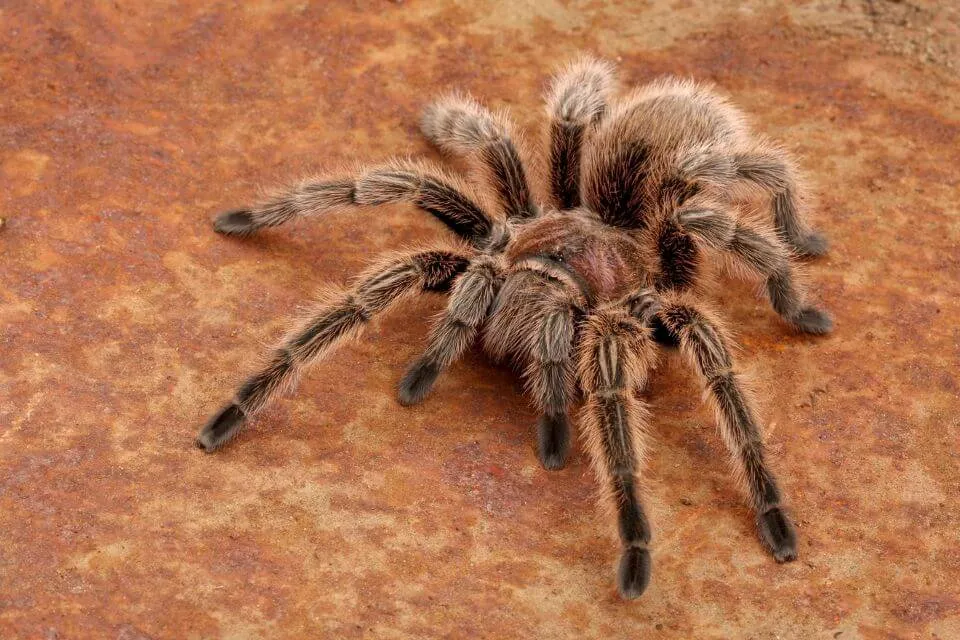
Choosing Your Rose Hair Tarantula
Bringing a Rose Hair Tarantula into your home is an exciting venture. These gentle giants are relatively low-maintenance pets, making them a popular choice for both beginners and experienced arachnid enthusiasts. However, before you welcome one into your life, careful consideration and preparation are key. The lifespan of a Rose Hair Tarantula can extend for many years, so understanding their needs and making a commitment to provide proper care is crucial. This guide will walk you through everything you need to know, from selecting a healthy tarantula to creating the ideal habitat and ensuring their well-being. Start your tarantula journey with knowledge and responsibility for a rewarding experience.
Where to Buy a Rose Hair Tarantula
When acquiring your Rose Hair Tarantula, sourcing it from a reputable breeder or pet store specializing in exotic pets is highly recommended. These sources are more likely to offer healthy specimens and provide valuable information about their care. Avoid purchasing from unreliable sources or online marketplaces where the origins and health of the tarantulas may be uncertain. Check for breeders that are transparent about their practices and willing to answer your questions. Observe the tarantulas’ enclosures, looking for signs of cleanliness and proper maintenance. A healthy environment reflects responsible care, increasing the likelihood that the tarantulas are in good condition and that you will be getting a healthy pet. The best practices begin with finding the right source.
What to Look For in a Healthy Tarantula
Selecting a healthy Rose Hair Tarantula is essential for its longevity and well-being. Look for a tarantula that is active and alert, not sluggish or unresponsive. The tarantula should have a plump abdomen, indicating it is well-fed and hydrated. Avoid tarantulas with a shrunken or wrinkled abdomen, as this can be a sign of dehydration or illness. Check for any missing limbs or abnormalities, as these can impact the tarantula’s mobility and ability to hunt. Observe the tarantula’s overall appearance, ensuring its fangs and pedipalps (the small appendages near the mouth) appear intact and healthy. A healthy tarantula should also exhibit a good appetite and readily accept food. Any signs of illness or distress should be avoided when choosing.
Setting Up the Perfect Rose Hair Tarantula Habitat
Creating the right living environment is crucial for the well-being of your Rose Hair Tarantula. The ideal habitat mimics their natural environment, providing the necessary space, temperature, humidity, and security. The enclosure must be appropriately sized and equipped with the right substrate, hiding places, and access to water. A well-designed habitat allows your tarantula to thrive, promoting natural behaviors and reducing stress. A proper enclosure is more than just a home; it’s a vital component of their health. Planning the setup with care, attention to detail, and using the right materials is important for your tarantula’s longevity and happiness. A well-designed enclosure can also be a visually appealing feature in your home.
The Right Enclosure Size
The size of the enclosure should be appropriate for the size of your Rose Hair Tarantula. A general rule is to provide an enclosure that is at least three times the tarantula’s leg span in width and length. For a juvenile tarantula, a smaller enclosure, such as a 5-10 gallon tank, is adequate. As the tarantula grows, you’ll need to upgrade to a larger enclosure. For a full-grown adult, a 10-20 gallon tank is usually sufficient. Ensure the enclosure has a secure lid to prevent escapes, as tarantulas can squeeze through surprisingly small openings. Avoid enclosures that are too large, as this can make it difficult for the tarantula to find food and feel secure. Too much space can stress the tarantula. The enclosure should provide enough space for movement and exploration while still providing a sense of security.
Substrate Selection

The substrate is the bedding material that lines the bottom of your tarantula’s enclosure. It serves several purposes, including providing a surface for the tarantula to walk on, helping to maintain humidity, and allowing the tarantula to burrow. A good substrate for Rose Hair Tarantulas is a mix of materials that provides good moisture retention and is safe for your pet. A popular choice is a combination of coconut fiber and peat moss. These substrates retain moisture well and allow the tarantula to burrow. Avoid substrates that are dusty, as they can irritate the tarantula’s respiratory system. Ensure the substrate is deep enough for the tarantula to burrow, typically 2-4 inches deep, depending on the size of the tarantula. Regular substrate changes every 6-12 months are important to maintain a healthy environment and prevent the buildup of waste.
Temperature and Humidity
Rose Hair Tarantulas thrive in a specific range of temperature and humidity. The ideal temperature for their enclosure is between 75-85°F (24-29°C). Use a thermometer to monitor the temperature and make adjustments as needed. In most homes, the ambient temperature will be suitable, but a heat source such as a low-wattage heat mat can be used if needed. The humidity level should be maintained at approximately 60-70%. This can be achieved by lightly misting the enclosure with dechlorinated water once or twice a week, depending on the ventilation. Too much humidity can lead to mold growth, while too little can cause the tarantula to dehydrate. Using a hygrometer is recommended to monitor humidity levels. Good ventilation is also essential to prevent the buildup of stale air and maintain healthy humidity levels.
Providing Hiding Places
Rose Hair Tarantulas are secretive creatures that require hiding places to feel safe and secure. Providing one or two hiding spots is essential for their well-being. These can be commercially available hides made of cork bark, artificial plants, or other suitable materials. You can also create your own hide using a half-buried flower pot or a piece of driftwood. The hide should be large enough for the tarantula to retreat into comfortably, but not so large that it feels exposed. Place the hide in a location where the tarantula can easily access it. Regularly check the hide for any signs of mold or mildew and replace it if necessary. Providing a secure hiding spot helps the tarantula feel less stressed and allows it to exhibit natural behaviors, such as resting and molting in privacy.
Feeding Your Rose Hair Tarantula
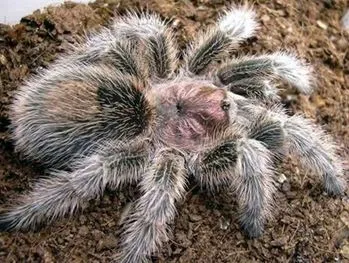
Feeding your Rose Hair Tarantula properly is crucial for its health and growth. They have specific dietary needs and feeding habits that you must understand to ensure the tarantula receives the necessary nutrients. Overfeeding can lead to health problems, while underfeeding can stunt their growth. The type of food you provide and the frequency of feeding depend on the tarantula’s age and size. Providing the correct diet is fundamental for tarantula’s overall health and longevity, mirroring their natural feeding behaviors and supporting their biological needs. The right diet not only promotes good health but also allows you to observe and enjoy the natural behaviors of your pet.
What to Feed
Rose Hair Tarantulas are primarily insectivores, meaning their diet consists mainly of insects. Crickets, mealworms, and roaches are the most common food items. Offer a variety of insects to provide a balanced diet. The size of the insects should be appropriate for the size of the tarantula. As a general rule, the prey item should be no larger than the tarantula’s body. Avoid feeding wild-caught insects, as they may contain parasites or pesticides that can harm your tarantula. Feed the insects a nutritious diet before offering them to your tarantula. Commercially available insect food is available for crickets and other feeder insects. This ensures the insects are gut-loaded with nutrients, which in turn benefits your tarantula. Ensure the insects are dead before placing them into the enclosure. This will protect the tarantula from being injured and reduce stress.
Feeding Frequency
The frequency of feeding depends on the tarantula’s age and size. Spiderlings and juvenile tarantulas should be fed more frequently, typically 2-3 times per week. As the tarantula matures, you can reduce the feeding frequency to once or twice a week. Adult Rose Hair Tarantulas can often go for extended periods without food. Observe your tarantula’s abdomen. A plump abdomen indicates that it is well-fed, while a shrunken abdomen may indicate the need for a meal. Remove uneaten insects within 24 hours to prevent them from stressing the tarantula. Also, remove dead insects to avoid the growth of mold and bacteria in the enclosure. Always provide fresh water.
Watering Your Tarantula
Providing fresh water is essential for the health and survival of your Rose Hair Tarantula. Adequate hydration is vital for all aspects of their life, including molting and overall health. A constant supply of clean water ensures that your tarantula stays healthy and can perform its bodily functions effectively. A properly hydrated tarantula is more likely to have a good appetite, energy, and the ability to properly shed its exoskeleton. The way water is provided should be safe and easily accessible for your pet.
Proper Hydration Techniques
The primary method for providing water is to use a shallow water dish. The dish should be shallow enough to prevent the tarantula from drowning, but deep enough to allow it to drink comfortably. Fill the water dish with clean, dechlorinated water. You can purchase water conditioner specifically designed for reptiles and arachnids to remove chlorine and other harmful chemicals. Change the water frequently, at least every other day, to prevent the buildup of bacteria and contaminants. In addition to a water dish, you can also mist the enclosure lightly with dechlorinated water once or twice a week. This helps to maintain humidity and provides an additional source of water for the tarantula to drink. Ensure that you don’t over-mist the enclosure to prevent mold growth.
Identifying and Handling Molting
Molting is a natural process in which tarantulas shed their exoskeletons to grow. This process can be stressful for the tarantula, so it’s important to recognize the signs of molting and provide the necessary care. Understanding the process allows you to support your tarantula’s well-being during this critical time. The molting cycle is an essential aspect of their lifecycle and is a sign of their healthy growth.
Signs of Molting
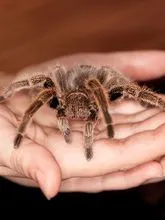
Several signs can indicate that your Rose Hair Tarantula is about to molt. The tarantula may stop eating and become less active. Their abdomen may appear darker or shinier than usual. The tarantula may also start to build a web mat to prepare for molting. The tarantula may also be seen lying on its back, which is a clear sign that molting is imminent. In some cases, the tarantula may dig itself into its burrow and remain there for an extended period. Be patient during molting, and avoid disturbing the tarantula during this sensitive time. The tarantula will be vulnerable during molting. Make sure to maintain appropriate environmental conditions, especially the humidity.
What to Do During Molting
During molting, avoid disturbing your tarantula. Keep the enclosure clean and maintain the appropriate temperature and humidity levels. Do not feed your tarantula until its new exoskeleton has fully hardened, which can take several days to weeks, depending on its size. Once the exoskeleton has hardened, you can resume feeding your tarantula. The tarantula may be more vulnerable during the molting process. Do not attempt to handle your tarantula until its new exoskeleton has hardened. After molting, you may find the old exoskeleton in the enclosure. This can be left in the enclosure or removed. After molting, the tarantula might also appear to be more brightly colored. It is a sign of a healthy tarantula.
Handling Your Rose Hair Tarantula Safely
While Rose Hair Tarantulas are generally docile, handling them carries some risks. Understanding their behavior and practicing safe handling techniques is essential to prevent injury to both you and the tarantula. Responsible handling minimizes stress for the tarantula and allows you to interact with your pet safely and confidently. Although these tarantulas are known for their calm temperaments, they are still wild animals.
Understanding Tarantula Behavior

Tarantulas can exhibit different behaviors that indicate their mood and how they might react to being handled. Before handling your tarantula, observe its behavior. If the tarantula is defensive, it may raise its front legs, exposing its fangs. It might also flick hairs from its abdomen as a defense mechanism, which can cause skin irritation. If the tarantula seems agitated, it’s best to leave it alone. Rose Hair Tarantulas are generally calm, but they can bite if they feel threatened. Bites are not usually life-threatening but can be painful. Understanding their behaviors will help you recognize signs of stress and potentially avoid bites. Never handle a tarantula if it is about to molt or has just molted, as it will be particularly vulnerable.
Safe Handling Practices
If you choose to handle your Rose Hair Tarantula, do so with caution. Wash your hands thoroughly before and after handling. Handle the tarantula over a soft surface, such as a bed or carpet, in case it falls. Gently coax the tarantula onto your hand, allowing it to walk onto your palm. Avoid sudden movements or loud noises, which can startle the tarantula. Never grab the tarantula, as this can cause injury. Always supervise children when they are interacting with the tarantula. If you are bitten, clean the wound thoroughly with soap and water. Seek medical attention if you experience any adverse symptoms. Some people can be allergic to tarantulas. Never put your hand near the fangs of your tarantula.
Common Health Issues and Prevention
Like any pet, Rose Hair Tarantulas can be susceptible to health issues. However, with proper care and preventative measures, you can minimize the risk of health problems and ensure your tarantula lives a long and healthy life. Proper care is important for keeping your tarantula healthy. Regular monitoring, good hygiene, and providing the right living conditions play a significant role in your pet’s well-being.
Recognizing Signs of Illness
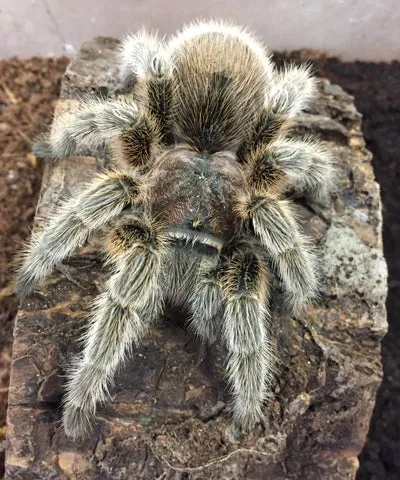
Regular observation of your tarantula is essential for detecting potential health issues. Signs of illness can include a loss of appetite, lethargy, a shrunken abdomen, or difficulty walking. Other signs include unusual behavior, such as excessive burrowing, a lack of coordination, or a change in color. Any unusual discharge from the mouth or other parts of the body should be taken seriously. If you notice any of these symptoms, consult an experienced tarantula keeper or a veterinarian who specializes in exotic pets. Early diagnosis and treatment can make a big difference in the outcome. The best approach is preventive care.
Preventative Measures
Preventative measures are crucial for maintaining your Rose Hair Tarantula’s health. Provide a clean and appropriately sized enclosure with the correct substrate. Maintain the appropriate temperature and humidity levels. Feed your tarantula a nutritious diet of insects, and avoid overfeeding. Provide fresh water at all times. Regularly inspect your tarantula for signs of illness or injury. Quarantine any new tarantulas before introducing them to your existing collection to prevent the spread of diseases. If you notice any signs of illness, seek professional advice from a veterinarian or experienced tarantula keeper. Taking these steps will help you keep your tarantula healthy and happy.