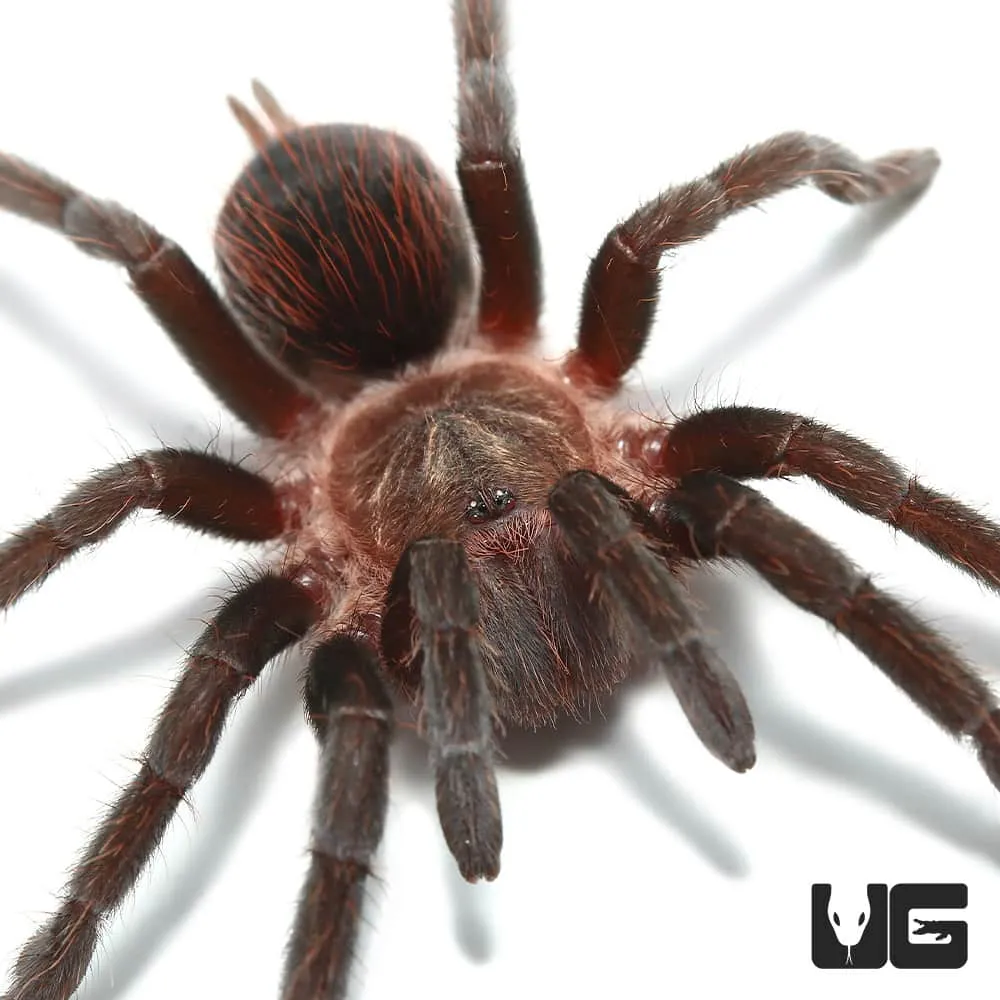
Colombian Dwarf Tarantulas How to Get Started
The Colombian Dwarf Tarantula (Cyrtopholis plumosa) is a fascinating pet for arachnid enthusiasts. Their manageable size, relatively docile nature, and striking appearance make them a popular choice for both beginner and experienced keepers. However, successfully caring for these creatures requires understanding their specific needs. This guide provides comprehensive information to help you provide a thriving environment for your Colombian Dwarf Tarantula, from habitat setup to feeding and health maintenance. Before bringing home a Colombian Dwarf Tarantula, it’s essential to research and prepare adequately to ensure its well-being and your enjoyment of this unique pet.
Choosing Your Colombian Dwarf Tarantula
Where to Buy

When acquiring a Colombian Dwarf Tarantula, it is important to purchase it from a reputable source. Online retailers specializing in invertebrates often offer healthy specimens, as do local reptile and exotic pet stores. Ensure the seller has a good reputation and can provide information about the tarantula’s origin, age, and any relevant care details. Avoid purchasing from sources that seem unprofessional or that cannot answer your questions about the tarantula’s care. Visiting a breeder in person is also a great way to check out their setups and get a feel for how well they care for their animals. This can help you ensure that you are getting a healthy tarantula from a responsible source.
What to Look For
When selecting a Colombian Dwarf Tarantula, examine the spider carefully for signs of health. Look for a tarantula with a plump abdomen; a shriveled abdomen could indicate dehydration or insufficient feeding. Check for complete limbs, as missing limbs can be a sign of injury or a recent molt, although the tarantula will regrow them over time. The tarantula should be alert and responsive to its environment, not sluggish or unresponsive. Also, observe the tarantula’s overall appearance. Healthy tarantulas have vibrant colors and clear exoskeletons. Any signs of parasites or unusual behavior should be considered warning signs, and you should avoid purchasing a tarantula that exhibits these issues. Consider the tarantula’s size relative to its age as well, ensuring it appears to be growing at a healthy rate. The image displays a healthy Colombian Dwarf Tarantula ready for its new home. (Image: colombian-dwarf-tarantula-buying.webp)
Colombian Dwarf Tarantula’s Habitat Setup
Enclosure Size and Type
The right enclosure is crucial for the well-being of your Colombian Dwarf Tarantula. Due to their terrestrial nature, a terrarium that is wider than it is tall is ideal. For a juvenile, a 5-10 gallon terrarium is generally sufficient. As the tarantula grows, you’ll need to upgrade to a larger enclosure. For an adult, a 10-20 gallon enclosure is often suitable, providing enough space for movement and exploration. The enclosure must have a secure lid to prevent escape, as these tarantulas are excellent climbers. Ensure the lid has adequate ventilation to maintain airflow and prevent the buildup of excess humidity, which can lead to health problems. The terrarium should be made of glass or clear plastic, so you can easily observe your pet. Remember to consider the ultimate size of your tarantula when selecting its enclosure. (Image: colombian-dwarf-tarantula-enclosure.webp)
Substrate
Substrate is the bedding material that lines the bottom of the terrarium and serves several important functions. It provides a comfortable surface for the tarantula to walk on, helps maintain humidity levels, and allows the tarantula to burrow, which is a natural behavior. A good substrate for a Colombian Dwarf Tarantula consists of a mix of materials that hold moisture well without becoming overly soggy. A recommended substrate is a blend of peat moss, coconut fiber (coco coir), and a small amount of sphagnum moss. These materials are excellent at retaining moisture, which is essential for molting and overall health. The substrate should be deep enough, typically 2-4 inches, to allow the tarantula to burrow if it chooses. Avoid substrates with sharp components that could potentially injure the tarantula. (Image: colombian-dwarf-tarantula-substrate.webp)
Temperature and Humidity
Maintaining the correct temperature and humidity levels is essential for the health of your Colombian Dwarf Tarantula. These tarantulas thrive in a temperature range of 75-85°F (24-29°C). You can use a heat mat or a low-wattage heat lamp to maintain this temperature, but always place the heat source on the side of the enclosure to create a temperature gradient. Avoid placing the heat source directly underneath the enclosure, which can be uncomfortable. Humidity is just as important. Aim for a humidity level of 65-75%. You can measure humidity using a hygrometer. To maintain the appropriate humidity, mist the enclosure with dechlorinated water every few days or as needed. The frequency of misting will depend on your environment and the substrate’s ability to retain moisture. Good ventilation is necessary to prevent mold growth; thus, ensure the enclosure has proper airflow.
Colombian Dwarf Tarantula Feeding

What to Feed
Colombian Dwarf Tarantulas are insectivores, meaning their diet consists primarily of insects. The staple diet should consist of appropriately sized insects such as crickets, dubia roaches, mealworms, and superworms. The size of the prey should be no larger than the tarantula’s body size to avoid stressing the spider. Ensure the insects are gut-loaded before feeding them to your tarantula. Gut-loading involves feeding the insects a nutritious diet for at least 24 hours before offering them to your tarantula. This process increases the nutritional value of the insects. You can also offer occasional treats, such as pre-killed waxworms, but these should be given sparingly. Always remove any uneaten prey after 24 hours to prevent them from stressing or potentially harming the tarantula. (Image: colombian-dwarf-tarantula-feeding.webp)
Feeding Frequency
The feeding frequency for a Colombian Dwarf Tarantula varies depending on its age and size. Spiderlings and juvenile tarantulas, which are still growing, need to be fed more frequently than adults. Spiderlings should be fed every 2-3 days. Juvenile tarantulas can be fed about every 4-7 days, or as their abdomens start to shrink. Adult tarantulas can be fed every 1-2 weeks, or even less frequently, as they do not need to eat as often. The best indicator of whether your tarantula needs to be fed is its abdomen. If the abdomen appears shrunken, it is likely hungry. Overfeeding can lead to health issues, such as obesity and difficulty molting, so avoid overfeeding your tarantula. Monitor your tarantula’s condition and adjust the feeding schedule as necessary.
Watering

Providing a clean water source is essential for your Colombian Dwarf Tarantula. Tarantulas require water for hydration and to aid in molting. Provide a shallow water dish filled with fresh, dechlorinated water at all times. The water dish should be shallow enough to prevent the tarantula from drowning. You can also offer water by misting the enclosure with dechlorinated water, which allows the tarantula to drink droplets that form on the sides of the enclosure and decorations. Be sure to clean the water dish regularly to prevent bacteria and mold growth. Regularly check the water dish and misting for cleanliness, as this will play a role in your tarantula’s health and well-being. (Image: colombian-dwarf-tarantula-watering.webp)
Colombian Dwarf Tarantula Health and Safety
Common Health Issues
Like all pets, Colombian Dwarf Tarantulas can experience health issues. The most common issues include dehydration, molting problems, and injuries. Dehydration can be caused by insufficient water or low humidity levels. Signs of dehydration include a shrunken abdomen, lethargy, and lack of appetite. Provide a constant water source and maintain proper humidity levels to avoid this problem. Molting problems can occur if the humidity is too low or if the tarantula is stressed. If the tarantula struggles during molting, gently mist the enclosure to increase humidity. Injuries can occur if the tarantula falls or is handled improperly. Avoid handling your tarantula unless necessary, and ensure the enclosure is free of sharp objects. If you notice any health issues, consult with a veterinarian experienced in treating exotic pets. (Image: colombian-dwarf-tarantula-health.webp)
Handling Your Tarantula
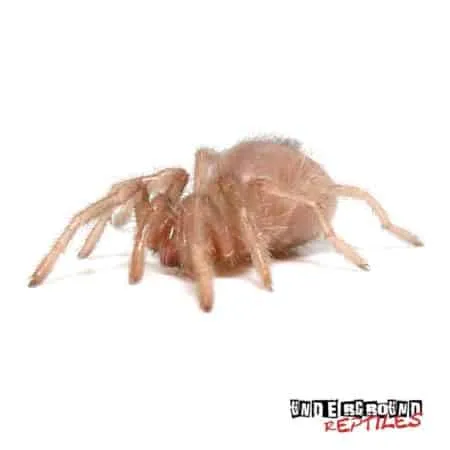
Colombian Dwarf Tarantulas are not typically aggressive, but they can bite if they feel threatened. It’s best to avoid handling your tarantula unless absolutely necessary, such as for enclosure maintenance or health checks. If you must handle your tarantula, do so with extreme care. Approach it slowly and gently, and never make sudden movements that could startle it. Handle the tarantula close to the ground or over a soft surface to minimize the risk of injury if it falls. Use a soft brush or a piece of paper to gently coax the tarantula onto your hand. Remember that tarantulas have delicate exoskeletons and can be easily injured. Wash your hands thoroughly before and after handling your tarantula, and never handle it if you have recently used hand lotions or soaps with strong scents, as these can be harmful. (Image: colombian-dwarf-tarantula-handling.webp)
Colombian Dwarf Tarantula Conclusion
Caring for a Colombian Dwarf Tarantula can be a rewarding experience. By understanding their needs and providing the correct environment, you can ensure that your tarantula lives a long, healthy, and fulfilling life. Remember to research thoroughly, prepare your enclosure appropriately, and monitor your tarantula’s behavior and health regularly. With patience, care, and attention to detail, you can enjoy the unique experience of keeping these fascinating creatures as pets. Enjoy the journey of owning a Colombian Dwarf Tarantula, and always prioritize its health and safety, and feel free to continue learning more about the fascinating world of arachnids!