Understanding Tarantula Wasps
Tarantula wasps, formidable predators with a painful sting, can be a significant nuisance and potential threat around your home. These large, solitary wasps are notorious for their hunting of tarantulas, using them as hosts for their larvae. Understanding these wasps is the first step in effectively managing and eliminating them from your property. This guide will delve into their identification, behavior, and the best methods to eliminate tarantula wasps fast and safely, ensuring a wasp-free environment and peace of mind. Armed with this knowledge, you’ll be better equipped to take control of the situation and protect yourself and your family from these stinging insects.
What Are Tarantula Wasps
Tarantula wasps, belonging to the genus Pepsis, are among the largest wasps in the world. They are easily recognized by their striking appearance, often boasting a metallic blue-black body with orange or reddish wings. These wasps are solitary creatures, meaning they do not live in colonies like honeybees or yellow jackets. Their primary diet consists of nectar, but their hunting behavior is what makes them famous. Female tarantula wasps are known for their specialized hunting technique – paralyzing tarantulas with their sting and dragging them to a burrow, where they lay a single egg on the spider. The wasp larva then feeds on the paralyzed tarantula, growing and eventually emerging as an adult wasp. These wasps are most active during the warmer months, particularly in late summer and early fall. They are generally not aggressive unless provoked, but their sting is considered one of the most painful insect stings.
Identifying Tarantula Wasps

Identifying tarantula wasps is crucial for effective elimination. As mentioned earlier, they are quite large, often reaching up to two inches in length. The color combination is a key identifier, with a black or dark blue body and vibrant orange wings. The wasps’ large size and distinctive colors make them relatively easy to spot. Their behavior also offers clues. If you observe a large wasp dragging a spider, it’s highly likely to be a tarantula wasp. Look for these wasps in areas where tarantulas are also present, such as gardens, fields, and areas with suitable nesting sites. If you are unsure about the exact species, observing their behavior and the environment they are found in can help confirm their identity. Accurate identification ensures you can employ the correct elimination methods and protect yourself from potential stings. (Image: tarantula-wasp-identification.webp)
Why You Need to Get Rid of Tarantula Wasps
While tarantula wasps are not inherently aggressive, their presence near your home can pose several problems. The most significant concern is their painful sting, which, although not usually life-threatening, can cause intense pain and localized reactions. People with allergies to insect stings may experience severe reactions. Beyond the immediate threat of a sting, the wasps’ hunting habits can also be concerning. They may create nests in your yard or near your home, and the presence of paralyzed tarantulas can be unsettling. Additionally, if you have pets or young children, their curiosity might lead to unwanted encounters with these wasps, increasing the risk of stings. Taking proactive measures to eliminate tarantula wasps not only protects your family from potential harm but also maintains the overall safety and comfort of your living environment. Their presence signals a need for action to prevent any negative interactions.
Effective Methods to Eliminate Tarantula Wasps
Eliminating tarantula wasps requires a multifaceted approach, combining chemical and non-chemical control methods to ensure effective and long-lasting results. The best approach will vary depending on the extent of the infestation and your personal preferences. This guide will explore various strategies, from using insecticides to employing traps and habitat modification techniques. Remember that safety is paramount, and always follow the manufacturer’s instructions when using any chemical products. By understanding the strengths of each method and combining them strategically, you can successfully eliminate tarantula wasps from your property and prevent their return.
Chemical Control Options

Chemical control can be an effective method for dealing with tarantula wasps, especially when dealing with nests or high populations. It’s important to choose the right products and apply them correctly to minimize risks to yourself, other beneficial insects, and the environment. Before using any chemical treatment, carefully read and follow all the instructions on the product label. Consider using a combination of methods for optimal results. Using chemical control requires extra care to protect both the user and the environment. Always wear the proper safety gear and make sure to apply the product on a calm day to limit drift.
Insecticides for Tarantula Wasps
Several insecticides are effective against tarantula wasps, including pyrethroids and other contact insecticides. When selecting an insecticide, choose one that is specifically labeled for wasps and insects. These products typically come in various forms, such as sprays, dusts, and granules. Sprays can be used to directly treat wasps and nests, while dusts are effective for applying into cracks and crevices where wasps might nest or hide. Granules can be used in areas where wasps are active or have been seen nesting. When using insecticides, it’s crucial to follow the manufacturer’s instructions carefully and use the appropriate safety equipment, such as gloves, eye protection, and a mask, to avoid direct exposure to the chemicals. Make sure to consider the environmental impact of your product choices, opting for the least harmful options when possible.
Using Insecticide Dusts and Sprays
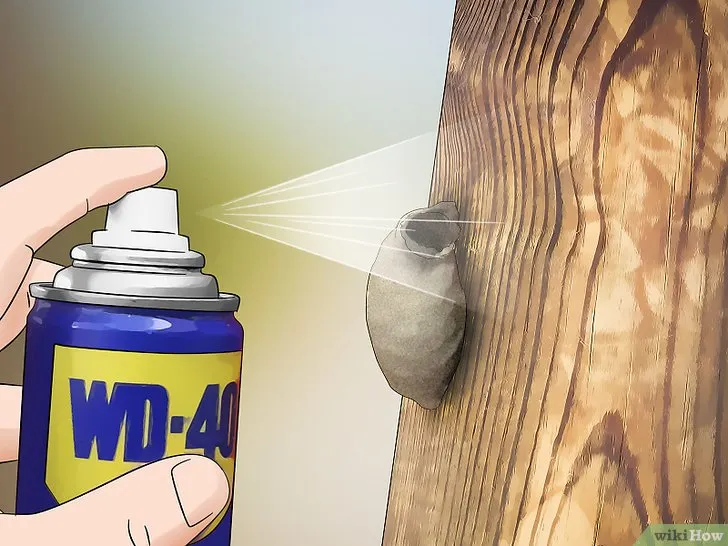
Insecticide dusts and sprays are two common methods for applying insecticides to eliminate tarantula wasps. Dusts are often preferred for treating nests located in hard-to-reach areas, such as wall voids, cracks, and crevices. A duster can be used to apply the dust directly into the nest entrance or the suspected nesting area. Sprays are effective for direct contact with wasps and for treating areas where they are frequently observed. When using sprays, aim for complete coverage of the wasps and their nests. For both dusts and sprays, it’s crucial to wear protective gear, including gloves, eye protection, and a respirator or mask, to avoid inhaling or contacting the insecticide. Always follow the manufacturer’s instructions to ensure proper application and safety. Direct application of sprays can provide immediate results while dusts may have a longer-lasting effect.
Natural and DIY Control Methods

If you prefer a more eco-friendly approach or want to avoid using chemical insecticides, several natural and DIY control methods can help eliminate tarantula wasps. These methods are often safer for the environment and can be a good choice, especially if you have children or pets. Natural methods often involve habitat modification or the use of traps to manage the wasp population. Always ensure your safety and take precautions while dealing with any pest control method. Regularly inspect your property and address any potential nesting areas to prevent wasp infestation. Combining natural and DIY methods can lead to a successful and sustainable approach to tarantula wasp control.
Trapping Tarantula Wasps
Trapping tarantula wasps can be an effective and environmentally friendly control method. Several types of traps can be used, including commercially available wasp traps or DIY traps. Wasp traps typically use a sweet bait to attract the wasps, and once inside, they are unable to escape. You can create a simple trap using a plastic bottle by cutting off the top and inverting it to create a funnel. Place a sugary bait, like sugar water or juice, inside the bottle to attract wasps. Place the trap in areas where wasps are commonly seen. Regularly check the trap and empty it as needed. Trapping is especially effective at reducing the number of wasps, but it might not completely eliminate the wasps from your property. For best results, place traps in areas where wasps are most active, such as near potential nesting sites or near flowering plants. (Image: tarantula-wasp-trap.webp)
Habitat Modification and Prevention
Habitat modification is a crucial step in preventing tarantula wasps from establishing themselves on your property. By making your yard less attractive to these wasps, you can significantly reduce their presence. This approach focuses on removing potential nesting sites and making it less likely for wasps to find suitable locations to build nests. By proactively modifying your property, you can minimize the risk of infestations and maintain a more wasp-free environment. This involves more than just eliminating existing wasps; it also prevents future infestations.
Sealing Entry Points

One of the most effective ways to prevent tarantula wasps from nesting near your home is to seal any potential entry points. These wasps, like other insects, often seek out sheltered locations to build their nests. Carefully inspect your home’s exterior for cracks, crevices, and openings. Seal these entry points with caulk or other appropriate materials to prevent wasps from entering. Pay close attention to areas around windows, doors, pipes, and utility lines. Sealing these areas helps prevent wasp entry and keeps them from constructing nests. Regular inspection and maintenance are key to ensuring that your home remains protected against these unwanted pests. This proactive measure is a simple yet effective way to prevent tarantula wasps from taking up residence near your home. (Image: sealing-entry-points.webp)
Removing Potential Nesting Sites
Another crucial step in preventing tarantula wasps is removing potential nesting sites from your yard. Wasps often nest in undisturbed areas, such as woodpiles, piles of debris, or overgrown vegetation. Regularly clean up any clutter in your yard, including old building materials, leaf piles, and any other items that could provide shelter for wasps. Trim back overgrown shrubs and bushes, as these can also serve as potential nesting sites. By removing these potential nesting areas, you make your property less attractive to tarantula wasps and reduce the likelihood of an infestation. Proper yard maintenance is a proactive step that helps prevent wasps from settling in the first place, maintaining a safe and comfortable outdoor environment.
Safety Precautions When Dealing with Tarantula Wasps
Dealing with tarantula wasps requires taking several safety precautions to protect yourself from potential stings. These wasps are not aggressive but can sting if they feel threatened or are provoked. By understanding the risks and taking appropriate measures, you can minimize the likelihood of being stung and handle the situation safely. Prioritizing your safety during pest control activities ensures that you can effectively eliminate the wasps while remaining unharmed. Following these guidelines will help you safely get rid of tarantula wasps without risking painful stings or allergic reactions. Always exercise caution and act thoughtfully when dealing with these insects.
Protective Gear

Wearing protective gear is essential when dealing with tarantula wasps to prevent stings. Always wear long sleeves, long pants, and closed-toe shoes to cover as much of your skin as possible. Consider wearing gloves to protect your hands, and eye protection to keep wasps from stinging near your eyes. A bee suit or a beekeeper’s veil can be particularly helpful for full protection. Even with protective gear, it is important to move slowly and calmly around the wasps. If you notice a tarantula wasp flying around, avoid making sudden movements. Wearing the right gear can shield you from stings, ensuring a safer experience while you manage the wasp problem. Protective gear is crucial not just for comfort but also for safety, reducing the risk of injury and helping you approach the task of pest control with confidence. (Image: protective-gear.webp)
When to Call a Professional
While many DIY methods can be effective for controlling tarantula wasps, there are times when it’s best to call a professional pest control service. If you have a large infestation, or if you are not comfortable dealing with wasps, it’s safer and often more effective to seek professional help. Professionals have the expertise, specialized equipment, and access to more powerful insecticides that may be necessary to eliminate the infestation safely. Also, if you are allergic to wasp stings, calling a professional is highly recommended. Trying to handle the situation yourself could put you at risk of a severe reaction. A professional will be able to identify the species, locate the nest, and implement the best control methods. (Image: professional-pest-control.webp)
Ongoing Maintenance and Prevention
Once you have successfully eliminated tarantula wasps, it is crucial to implement ongoing maintenance and prevention measures to prevent their return. This involves regular inspections, maintaining a clean yard, and addressing any potential nesting sites promptly. This helps ensure that your property remains wasp-free, protecting you and your family from their stings. By taking proactive steps, you can maintain a safe and comfortable environment around your home and enjoy your outdoor spaces without the worry of tarantula wasps. Regular maintenance is an ongoing process, which helps you stay ahead of potential problems and enjoy a wasp-free environment.