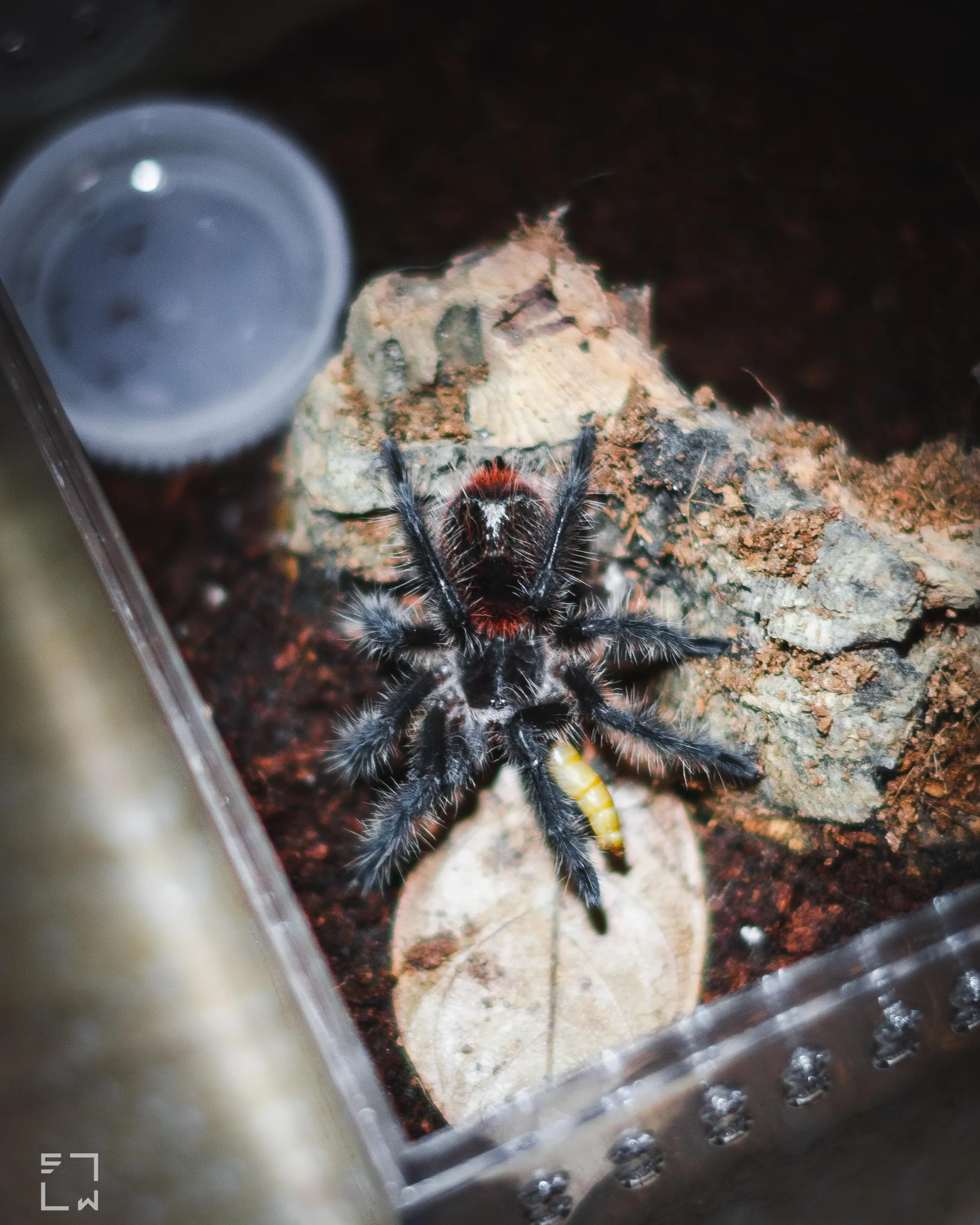
Understanding Tarantula Feeding
Feeding your tarantula is a crucial aspect of its care, directly impacting its health, growth, and longevity. These fascinating creatures, native to various parts of the world, have specific dietary needs that differ from other common pets. Understanding their feeding habits, preferences, and potential pitfalls will allow you to provide the best possible care and ensure your tarantula thrives in its captive environment. Correct feeding is not just about providing sustenance; it’s about mimicking their natural behaviors and creating a stress-free environment where your tarantula can flourish. This comprehensive guide aims to equip you with the knowledge and skills to feed your tarantula like a pro, ensuring a happy and healthy pet.
Tarantula Dietary Needs
Tarantulas are primarily insectivores, meaning their diet consists mainly of insects. In the wild, they consume a variety of prey, including crickets, roaches, mealworms, and even small vertebrates. In captivity, it’s essential to replicate a balanced diet that provides essential nutrients. The nutritional needs of a tarantula depend on its age, species, and overall health. Younger tarantulas, or spiderlings, require more frequent feeding to support their rapid growth. Adult tarantulas, on the other hand, may only need to be fed once or twice a week. It’s crucial to observe your tarantula and adjust the feeding schedule based on its body condition and feeding response. A well-nourished tarantula will have a plump abdomen and a healthy appearance.
Choosing the Right Food

Selecting the appropriate food is paramount to your tarantula’s well-being. The diet should primarily consist of insects that are readily available and easy to obtain. The insects you offer should be gut-loaded with nutritious food before being fed to your tarantula. This process involves feeding the insects a diet rich in vitamins and minerals, which are then passed on to your tarantula, ensuring it receives a balanced intake. Popular choices include crickets, mealworms, superworms, roaches, and grasshoppers. When selecting food, make sure it is pesticide-free to avoid harming your pet. Always source your insects from a reputable pet store or breeder to ensure quality and safety. Never feed wild-caught insects, as they may carry parasites or diseases that can be detrimental to your tarantula’s health.
Live Prey vs Pre-Killed
The decision to feed live or pre-killed prey is a matter of personal preference and the tarantula’s individual behavior. Live prey offers the most natural feeding experience, stimulating the tarantula’s hunting instincts. However, live insects can sometimes pose a risk to the tarantula. If the tarantula is not hungry or fails to catch the prey, the insect can potentially injure the spider during the night. Pre-killed prey is a safer option, especially for beginners or those with smaller tarantulas. It removes the risk of injury from live insects. The downside is that the tarantula may not be as stimulated. If opting for pre-killed prey, ensure the insect is freshly killed and offered immediately. Some keepers alternate between live and pre-killed prey to provide enrichment and vary the feeding experience.
Types of Insects
Several insects are suitable food sources for tarantulas, each with its own nutritional profile and ease of care. Crickets are widely available and a staple in many tarantula diets. They are relatively easy to breed, making them a convenient option. Mealworms and superworms are readily available and easy to store, but they have a higher fat content, so should be offered in moderation. Roaches, such as dubia roaches, are another excellent option, as they are highly nutritious and have a good meat-to-shell ratio. Grasshoppers can be a good addition but are best offered seasonally. The key is to provide a variety of insects to ensure your tarantula receives a balanced diet. Regularly change the insects you offer to maintain nutritional variety.
Size Matters How to Choose the Right Prey Size

The size of the prey is crucial. The general rule is to offer insects no larger than the tarantula’s body. For spiderlings, the prey should be even smaller, allowing them to easily capture and consume it. A good guideline is to choose insects that are about the same size as the tarantula’s abdomen. Larger prey can stress a tarantula and may even pose a danger if the tarantula is unable to subdue it. If you’re unsure, it’s always better to err on the side of caution and provide smaller insects. As your tarantula grows, you can gradually increase the size of the prey. Monitoring your tarantula’s feeding behavior will help you determine the appropriate prey size. If it hesitates or struggles to eat the prey, it’s too large.
Feeding Frequency How Often to Feed Your Tarantula
The frequency of feeding depends on the age, species, and individual needs of your tarantula. Spiderlings require more frequent feeding than adults, typically every other day or every day, depending on their growth rate. Juvenile tarantulas can be fed every 3-7 days. Adult tarantulas can be fed once or twice a week. Observe your tarantula’s behavior. A tarantula that is constantly hungry and actively hunts for food may need to be fed more often. A tarantula that refuses food or appears to be full may need less frequent feedings. Always remove any uneaten prey within 24 hours to prevent stress on the tarantula and prevent mold and mites from developing in the enclosure. During molting, tarantulas typically refuse food, so don’t be alarmed if your pet does not eat for several weeks.
Water Access Importance of Hydration
Fresh water is essential for tarantulas. They obtain hydration not only from drinking but also from the moisture in their food. Always provide a shallow water dish with clean water. The dish should be small enough that the tarantula cannot fall in and drown. Change the water frequently, ideally every day or every other day, to keep it clean and prevent bacterial growth. A water-filled sponge or cotton ball can also provide a water source for spiderlings, as they may be too small to drink from a dish. Make sure the sponge or cotton ball is also clean and replaced regularly. Dehydration can be fatal for tarantulas, so ensure fresh, clean water is consistently available.
Feeding Techniques How to Properly Feed Your Tarantula

The approach to feeding can vary depending on your tarantula’s temperament and the type of prey. When feeding live prey, simply drop the insect into the enclosure. The tarantula will usually detect it and begin to hunt. However, if your tarantula is shy or a slow eater, you may need to assist by gently nudging the prey toward the tarantula. For pre-killed prey, you can use feeding tongs to offer the insect. This allows you to control the feeding process and minimize the risk of contact with your tarantula. Place the prey near the tarantula’s mouth, and it will often grab it. Always observe your tarantula during feeding to ensure it is eating properly. Avoid leaving live prey in the enclosure with a tarantula that is not hungry. Remove any uneaten prey after 24 hours to avoid stress and prevent injury.
Using Feeding Tongs Safely
Feeding tongs are a useful tool for offering pre-killed prey and for handling live prey to prevent escape. When using feeding tongs, make sure they are clean and have rounded tips to avoid injuring the tarantula. Gently grasp the prey and present it to your tarantula. Avoid quick movements that might startle the spider. Never poke or prod the tarantula with the tongs. The goal is to offer the food in a way that is safe for both the tarantula and the keeper. Ensure the tongs are long enough to maintain a safe distance from the tarantula. After use, clean and disinfect the tongs to prevent the spread of bacteria or parasites.
Cleaning Up Leftover Food
It’s essential to remove any uneaten prey after a reasonable amount of time, usually 24 hours. Decaying insects can cause mold and attract mites, which can be harmful to your tarantula. If you have used live prey, check the enclosure regularly to ensure that all insects have been consumed or are no longer alive. Remove any uneaten insects with feeding tongs or by gently coaxing them into a container. Regularly cleaning the enclosure is a fundamental part of tarantula care. Remove any waste, shed exoskeletons, and uneaten food to maintain a healthy environment. Regular spot cleaning will help prevent the build-up of bacteria and ensure your tarantula’s well-being.
Identifying Potential Problems

Several factors can indicate that something might be wrong with your tarantula’s feeding habits or overall health. Recognizing these signs early on can prevent potential problems and ensure your pet receives the necessary care. Observing your tarantula’s feeding behavior regularly will allow you to identify issues and take appropriate actions. If you are not sure about the problem, consult an experienced tarantula keeper or veterinarian. Regular monitoring is key to maintaining a healthy pet tarantula.
Signs of a Hungry Tarantula
A healthy, hungry tarantula will display specific behaviors. One common sign is the tarantula actively searching for food, walking around the enclosure, and exhibiting an alert posture. Some tarantulas will sit at the entrance to their burrow, waiting for potential prey. A tarantula with a noticeably thin abdomen is likely hungry. When you offer food, a hungry tarantula will eagerly seize the prey and begin feeding immediately. These behaviors indicate a healthy appetite and a well-nourished pet. Regular monitoring and observation of the spider’s activity are keys to spotting these indications.
Signs of Overfeeding
Overfeeding is less common than underfeeding, but it can still be an issue. A tarantula that has been overfed may have a very large, distended abdomen. It may also become less active and lethargic. If a tarantula consistently refuses food, even when offered, it could be a sign of overfeeding or an upcoming molt. Excessive feeding can potentially lead to health problems, such as obesity and digestive issues. Adjust the feeding schedule and the prey size to avoid this. Careful observation of the tarantula’s abdomen size can help determine whether it needs to eat.
Addressing Refusal to Eat

If your tarantula refuses to eat, there could be several reasons. The tarantula might be preparing to molt, a process where it sheds its exoskeleton to grow. During molting, tarantulas typically stop eating for several weeks. If your tarantula has recently molted, it might take a few days to regain its appetite. Changes in the environment, such as temperature or humidity fluctuations, can also affect a tarantula’s appetite. Check the enclosure to make sure conditions are optimal. Sometimes, the tarantula might simply not like the food offered. Try offering a different type of insect. If the refusal persists, consult an experienced tarantula keeper or veterinarian to rule out any underlying health issues.
Common Mistakes to Avoid
Avoiding common mistakes will contribute to a successful tarantula-keeping experience. Many errors can be easily prevented with proper knowledge and care. This ensures a long and healthy life for your pet. Learning from the mistakes of others and consistently improving the quality of care is essential to good tarantula keeping.
Not Knowing Your Tarantula’s Species
Each tarantula species has unique needs. Some species are more sensitive to environmental changes than others. Some are more aggressive and may require different handling techniques. Researching the specific species you own is crucial. Understanding its natural habitat, feeding preferences, and potential health issues will help you provide the best possible care. Failure to identify the species may lead to providing inappropriate food or an unsuitable environment, leading to problems down the road.
Feeding Too Often

Overfeeding can lead to obesity and digestive problems. Always feed your tarantula the correct amount based on its age, species, and activity level. While it’s tempting to feed your tarantula frequently, especially if it seems hungry, it’s important to resist the urge. Overfeeding can shorten its lifespan. Follow recommended feeding schedules and observe your tarantula’s body condition and eating habits to avoid this mistake. In general, adult tarantulas should be fed once or twice a week. Younger tarantulas require more frequent feedings.
Using the Wrong Prey
Choosing the right prey is essential. Avoid feeding insects that are too large for your tarantula. Providing insects that are contaminated with pesticides can harm your pet. Furthermore, avoid feeding insects that are not suitable for tarantulas, such as wild-caught insects, which can transmit parasites and diseases. Always source insects from reputable suppliers. Gut-load the insects before offering them to your tarantula to ensure it receives essential nutrients. Choose insects that are appropriate for the size of your tarantula.
Ignoring the Tarantula’s Molting Cycle
Tarantulas molt periodically to grow. During this time, they are vulnerable and should not be disturbed. It is not advisable to feed a tarantula during the pre-molt phase. Stop feeding the tarantula if it begins to show signs of an upcoming molt, such as a darkening abdomen or a loss of appetite. Provide a humid environment to aid the molting process. Avoid handling or disturbing your tarantula while it is molting. Once it has molted, wait a few days before feeding it again, as its fangs will need to harden. Ignoring these needs during molting can be dangerous to the tarantula.
Providing Inadequate Water
Water is essential for tarantulas. Always provide a shallow water dish. Fresh water should be available at all times. Check the water dish daily. Change the water frequently to keep it clean and prevent bacterial growth. Dehydration can be fatal to tarantulas. Always ensure that your tarantula has access to clean water. If the enclosure dries out quickly, increase the humidity by misting the enclosure. If your spiderling is too small to drink from a dish, you can provide a water-filled sponge or cotton ball.
Creating a Safe Environment
Beyond feeding, the environment plays a crucial role in a tarantula’s well-being. A safe and well-maintained enclosure will minimize stress and encourage your tarantula to thrive. Ensure the enclosure is set up with appropriate substrate, hiding places, and other necessary elements. The environment is linked to the feeding process because the tarantula’s willingness to eat is tied to its overall well-being. A secure and comfortable environment encourages natural behaviors, including healthy eating habits. These elements create a stress-free environment, setting the stage for successful feeding and a thriving tarantula.
Enclosure Setup
The enclosure should be appropriately sized for the tarantula. The dimensions should allow ample room for movement and exploration. Secure the enclosure with a tight-fitting lid to prevent escapes. Use a suitable substrate, such as coconut fiber, peat moss, or a mixture of both, to provide a natural environment and help maintain humidity. Include a hide, such as a piece of cork bark or a hollow log, where the tarantula can retreat and feel secure. The enclosure should be well-ventilated to prevent the buildup of mold and ensure proper airflow.
Temperature and Humidity
Maintaining the correct temperature and humidity is critical. Research the specific needs of your tarantula species. Generally, most species thrive at temperatures between 75-85°F (24-29°C). Use a heat source, such as an under-tank heater or a ceramic heat emitter, to maintain the correct temperature. Monitor the temperature with a thermometer. Humidity levels vary depending on the species. Use a hygrometer to measure humidity and adjust the humidity with misting. Ensuring proper temperature and humidity supports healthy molting, feeding, and overall well-being.
Proper Ventilation
Proper ventilation is essential to prevent the buildup of mold and maintain healthy air quality. Ensure the enclosure has adequate ventilation holes or mesh. Excessive humidity without sufficient ventilation can lead to the growth of mold and bacteria, which can be detrimental to your tarantula’s health. Proper ventilation also helps regulate temperature and prevents the enclosure from becoming too stuffy. If you notice condensation on the enclosure walls, increase ventilation. The proper environment supports the quality of life for your pet.
Conclusion
Feeding a tarantula successfully is a combination of understanding its specific needs, providing appropriate food, and creating a suitable environment. By following this guide and paying attention to your tarantula’s behavior, you can ensure it receives the nutrition it needs to thrive. Remember to research your tarantula’s species, monitor its feeding habits, and adjust your care as needed. With the right knowledge and dedication, you can enjoy the fascinating world of tarantula keeping and provide your pet with a long, healthy, and fulfilling life. With patience, observation, and a commitment to their well-being, you can become a pro at tarantula feeding.