Understanding Your Tarantula’s Needs
Feeding your tarantula might seem straightforward, but understanding their specific needs is essential for their health and longevity. These fascinating creatures have unique dietary requirements, influenced by their species, age, and overall health. A well-fed tarantula is a happy and healthy tarantula, exhibiting vibrant colors and active behavior. This guide provides a simple yet comprehensive approach to feeding your tarantula, ensuring you provide the best possible care. Ignoring their needs can lead to a stressed tarantula, poor growth, and even health complications. So, take the time to learn what they need; your tarantula will thank you for it.
What Do Tarantulas Eat?
In the wild, tarantulas are opportunistic hunters, feeding primarily on insects, but their diet can also include small vertebrates, such as lizards and mice, depending on the size of the tarantula. In captivity, the focus should be on providing a diet that mimics their natural feeding habits as closely as possible, mainly consisting of insects. Choosing the right food is key to providing essential nutrients to your tarantula and supporting their growth. A varied diet is beneficial, but the core of their diet will always be insects.
Appropriate Insect Sizes

One of the most crucial aspects of feeding is the size of the prey. The general rule is to provide insects that are no larger than the tarantula’s abdomen. This reduces the risk of the tarantula being overwhelmed by its prey, and it ensures they can consume the entire meal. Young tarantulas, or spiderlings, require smaller prey, such as pinhead crickets or flightless fruit flies. As they grow, the prey size should increase accordingly. Observe your tarantula’s feeding behavior. If they struggle to handle or consume the food, it is too large. Regularly adjust the size as your tarantula develops.
Safe Insect Options
Not all insects are created equal when it comes to feeding your tarantula. Certain insects are nutritious and safe, while others can be harmful. Crickets, mealworms, dubia roaches, and super worms are all excellent choices. These insects are readily available from pet stores, relatively easy to care for, and provide a good balance of nutrients. Ensure the insects are gut-loaded before feeding them to your tarantula. Gut-loading involves feeding the insects nutritious food for at least 24 hours before offering them to your pet. This process enriches the insects with vitamins and minerals, which your tarantula will then consume. Avoid insects from your garden, as they may have been exposed to pesticides and parasites.
Things to Avoid Feeding Your Tarantula
Just as there are good food choices, there are things you should never feed your tarantula. Avoid feeding your tarantula wild-caught insects, as they can carry parasites or be contaminated with pesticides. Never feed your tarantula vertebrate animals, such as mice or lizards, unless you are experienced with tarantula care. Such feedings can be risky and often unnecessary. Always avoid feeding insects that have died; these may be carrying bacteria or toxins that could harm your tarantula. Also, do not feed your tarantula any processed or human foods. Stick to the basics: healthy, live insects are the best choice for your tarantula’s diet.
Feeding Frequency for Tarantulas

The frequency with which you feed your tarantula depends on its age and species. Spiderlings, or young tarantulas, need more frequent feedings, typically every other day or every three days. This frequent feeding supports their rapid growth phase. Sub-adults and adults, on the other hand, can be fed less frequently, usually once or twice a week. Some adult tarantulas, particularly those that are slower growing, can even be fed every two weeks. Always monitor your tarantula’s abdomen size. If it appears too plump, reduce the frequency. If it seems thin, increase the frequency. The best approach is to observe and adjust based on your tarantula’s individual needs and behavior.
Feeding Young Tarantulas
Spiderlings and juvenile tarantulas have high metabolisms and require more frequent feedings. Small insects, such as pinhead crickets or flightless fruit flies, should be offered every two to three days. Ensure the enclosure has adequate ventilation to maintain a healthy environment, which affects the spiderling’s appetite. Monitor the spiderling’s abdomen, and adjust the feeding frequency accordingly. It’s crucial to ensure that the prey items are small enough for the spiderling to handle and consume easily. The key is to provide regular, smaller meals to support their rapid growth and development. As they grow, gradually increase the size of the prey items to match their size.
Feeding Adult Tarantulas
Adult tarantulas require less frequent feedings, typically once or twice a week. The amount of food should be adjusted based on the tarantula’s size and species. Some species have slower metabolisms and may only require feeding every other week. Observe your adult tarantula’s behavior and appetite. A healthy adult tarantula should have a plump abdomen. If their abdomen appears too small, slightly increase the feeding frequency. Always remove any uneaten food within 24 hours to maintain a clean and healthy environment. Provide fresh water and appropriate humidity levels as necessary to create a good feeding habitat.
Setting Up the Feeding Environment

A well-prepared feeding environment is crucial for ensuring your tarantula eats comfortably and safely. The enclosure should be clean, appropriately sized, and have the right elements to support the feeding process. The environment must be conducive to encouraging the tarantula to hunt and eat. A well-set up environment not only helps your tarantula but also makes the process easier and more hygienic for you.
The Feeding Dish
While not strictly necessary, a feeding dish can be beneficial, particularly for certain types of prey like mealworms or super worms, preventing them from burrowing and hiding. This makes it easier for the tarantula to locate and capture its food. A shallow dish is ideal to prevent the insect from hiding or escaping, while providing a secure feeding area. Ensure the feeding dish is clean and easily accessible. A clean environment minimizes the risk of bacterial growth and helps your tarantula stay healthy. The size and shape of the dish should be proportional to the size of your tarantula and the prey items you use. Replace the dish frequently, removing any uneaten food to maintain a healthy environment.
Water Source
Providing a clean and accessible water source is essential for your tarantula’s health, supporting hydration and assisting with molting. A shallow water dish, such as a bottle cap or a small, shallow dish, works well. Ensure the dish is shallow enough to prevent drowning. Change the water regularly, typically every one to two days, to keep it clean and prevent the growth of bacteria. Another option is to provide moisture by misting the enclosure, especially for species that prefer higher humidity levels. Always ensure the water source is readily available, as it is vital for your tarantula’s well-being.
The Feeding Process

The actual process of feeding your tarantula is a delicate balance of providing the right food, observing their behavior, and maintaining a safe environment. Proper technique reduces stress on your tarantula and maximizes the chances of them eating and thriving. When feeding your tarantula, patience and observation are your best tools.
Introducing Food
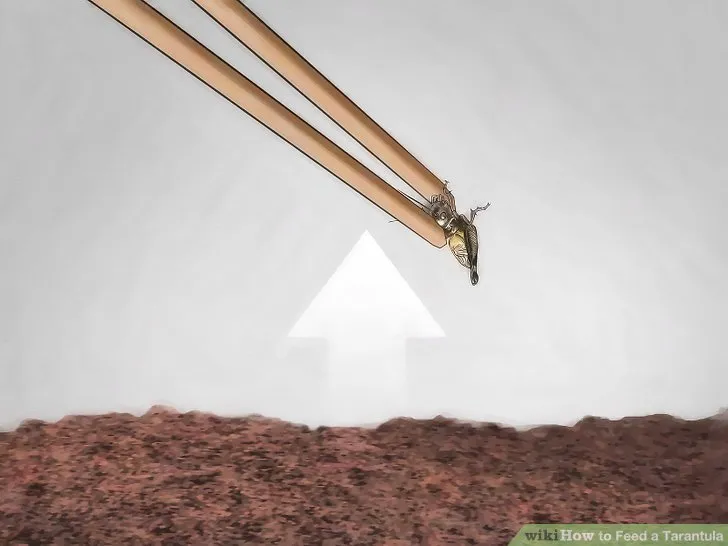
When introducing food, gently place the insect into the enclosure, ideally near the tarantula. Use long tweezers to handle the prey, minimizing any risk of being bitten. Observe your tarantula’s reaction, as some are more enthusiastic eaters than others. Some tarantulas will pounce immediately, while others might take their time to approach the prey. If your tarantula does not show interest immediately, leave the insect in the enclosure for a while. Avoid disturbing the tarantula unnecessarily, especially during feeding. The key is to be patient and avoid causing stress, allowing the tarantula to eat at its pace.
Observing Your Tarantula
Carefully observe your tarantula during feeding. Watch for any signs of interest, such as the tarantula raising its front legs or moving towards the prey. Not all tarantulas eat with equal enthusiasm. Some tarantulas may take several hours or even a day or two to eat. Be patient and avoid intervening unless necessary. Monitor the abdomen size; a healthy tarantula should have a slightly rounded abdomen after eating. Observe for any signs of refusal, such as the tarantula ignoring the prey or hiding. This information will help you refine your feeding approach.
Removing Uneaten Food

It is very important to remove any uneaten food within 24 hours of feeding. Leaving the insect in the enclosure can stress the tarantula, as it becomes prey to the insect, and it also promotes the build-up of waste, which can cause mold and mites to grow. Remove uneaten insects using tweezers or a small net, especially if using mealworms or crickets. This simple practice is essential for maintaining a clean and healthy environment for your tarantula, preventing potential health problems, and keeping your pet comfortable. Check regularly, and ensure that the enclosure remains clean.
Troubleshooting Common Feeding Problems
Even with the best care, you may encounter occasional issues with feeding. Recognizing these problems early is vital to maintaining your tarantula’s health. Here are some of the most common feeding problems and how to address them.
Tarantula Refusing to Eat
Tarantulas can refuse food for various reasons. The most common cause is that they are about to molt. Look for signs such as a darkening of their abdomen, loss of appetite, and a change in behavior. Other causes include stress, environmental changes, or simply being full. If your tarantula consistently refuses food, check the enclosure temperature and humidity levels. Ensure that the enclosure is not too hot or too cold, and the humidity is appropriate for the species. Offer different types of prey to see if they have a preference. If the refusal persists for more than a few weeks, consult with a veterinarian or experienced tarantula keeper.
Molting and Appetite Loss

Molting is a natural process where tarantulas shed their exoskeleton to grow. During this period, tarantulas typically lose their appetite and may refuse to eat for several weeks. Do not attempt to feed your tarantula during the molting process; this will only stress them. Provide a secure environment with adequate humidity to assist with the process. Once the tarantula has molted, give them a few days to harden their new exoskeleton before offering food. The tarantula’s appetite will return after the molting is complete.
Maintaining a Healthy Tarantula
Beyond proper feeding, other aspects of care contribute to a healthy tarantula. A well-maintained enclosure, appropriate temperature and humidity, and regular handling all play a vital role in their well-being. By following these guidelines, you ensure your tarantula has a long, healthy, and happy life. Consistent care, understanding their needs, and a bit of patience will go a long way in keeping your tarantula thriving.
In conclusion, feeding your tarantula is a straightforward process that requires attention to detail. By understanding their dietary needs, following the guidelines, and paying attention to their individual behaviors, you can ensure your tarantula is happy and healthy. Remember to always provide a safe and clean environment, offer appropriate prey, and observe your tarantula for any signs of stress or illness. Your tarantula’s health depends on you, so stay informed, be patient, and enjoy the rewarding experience of caring for these fascinating creatures.