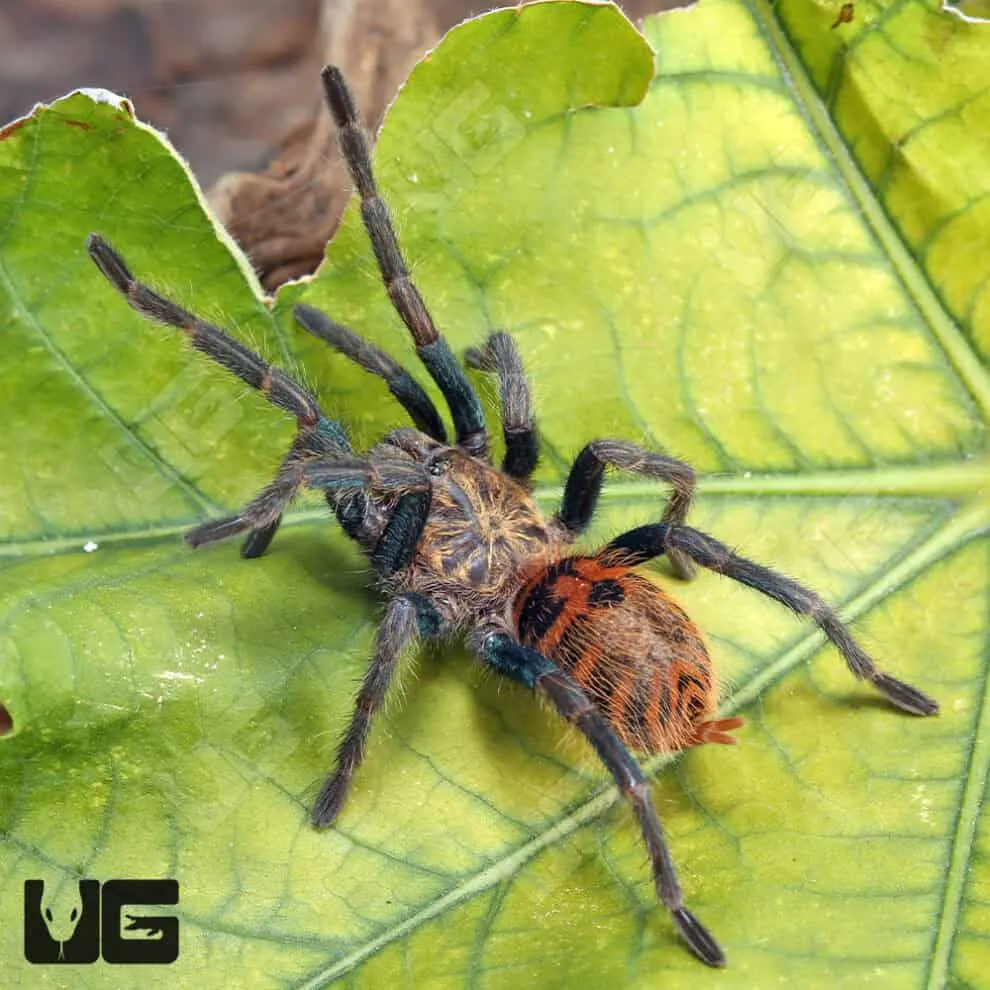
Choosing Your Green Bottle Blue Tarantula (GBB)
The Green Bottle Blue Tarantula, or GBB, is a stunning and captivating species popular among tarantula enthusiasts. Their vibrant coloration and relatively docile nature make them an attractive choice for both novice and experienced keepers. However, responsible husbandry is crucial for their well-being and longevity. This guide provides comprehensive insights into every aspect of Green Bottle Blue Tarantula care, from selecting a healthy specimen to providing optimal living conditions and addressing potential health concerns. With proper care, your GBB can thrive and bring you years of enjoyment.
Where to Buy a Green Bottle Blue Tarantula
Purchasing a GBB from a reputable source is paramount. Look for breeders or pet stores specializing in arachnids. Check online reviews and ask for recommendations within the tarantula-keeping community. Avoid purchasing from sources that appear unprofessional or cannot provide information about the tarantula’s origin and care. When selecting your GBB, consider its size, activity level, and overall appearance. A healthy tarantula should be alert, with a plump abdomen, and show no signs of injury or illness. Inspect the enclosure for any signs of mites or other pests before making a purchase. A trusted breeder will be able to answer your questions and offer ongoing support, ensuring you are well-equipped to care for your new pet. (Image: green-bottle-blue-tarantula-purchase.webp)
Identifying a Healthy Green Bottle Blue Tarantula

Identifying a healthy GBB involves careful observation. A healthy tarantula should have a plump abdomen, which indicates it is well-fed and hydrated. The legs should be intact and move freely. Watch for any signs of lethargy or unusual behavior. A healthy tarantula will typically be active, especially during the evening. Check for any signs of mites or other parasites, which can be visible on the tarantula’s body or in the enclosure. Ensure the tarantula’s fangs are intact and that it appears to be in good condition. A healthy GBB will also exhibit the vibrant blue coloration that gives it its name. (Image: healthy-gbb.webp)
Housing Your Green Bottle Blue Tarantula
Creating the ideal habitat is crucial for the health and happiness of your Green Bottle Blue Tarantula. The enclosure should replicate their natural environment as closely as possible, providing a secure and comfortable space for them to thrive. This includes selecting the right size enclosure, choosing appropriate substrate, decorating the enclosure to provide hiding places, and maintaining the correct temperature and humidity levels. A well-designed enclosure not only promotes the tarantula’s well-being but also allows you to observe its fascinating behaviors. Careful attention to detail will ensure your GBB lives a long and healthy life.
Appropriate Enclosure Size
The enclosure size should be appropriate for the size of your GBB. A general guideline is that the enclosure should be at least three times the tarantula’s leg span in width and length, and tall enough to accommodate a few inches of substrate and provide adequate ventilation. For a juvenile GBB, a small deli cup or a 5-10 gallon terrarium may suffice. As the tarantula grows, you will need to upgrade to a larger enclosure, such as a 10-20 gallon terrarium. Avoid enclosures that are too large, as this can make it difficult for the tarantula to find food and may stress it out. Ensure the enclosure has a secure lid to prevent escape. (Image: gbb-enclosure-setup.webp)
Substrate Selection

The substrate serves multiple purposes, including providing a comfortable surface for the tarantula to walk on, allowing it to burrow, and helping to maintain humidity levels. A good substrate for GBBs is a mix of coconut fiber, peat moss, and a small amount of vermiculite. This mix retains moisture well and allows for burrowing. Avoid substrates that are too dusty or can trap moisture, as these can lead to health problems. The substrate should be deep enough to allow the tarantula to burrow if it chooses, typically 4-6 inches. The substrate should be regularly spot-cleaned to remove any uneaten food or waste.
Decorating the Enclosure
Providing a stimulating environment is essential. Add decorations such as cork bark, artificial plants, and hides. These items will provide places for the tarantula to hide and feel secure. Ensure that all decorations are securely placed to prevent them from falling and potentially injuring the tarantula. Avoid sharp objects or anything that could be toxic. A water dish should be included, preferably a shallow one to prevent the tarantula from drowning. The overall design should provide a balance of open space and hiding spots. Regularly clean the decorations to prevent the buildup of mold or bacteria.
Temperature and Humidity
Green Bottle Blue Tarantulas thrive in a specific range of temperature and humidity. The ideal temperature range is between 75-85°F (24-29°C). You can use a heat mat or a low-wattage bulb to maintain the proper temperature. Avoid placing the heat source directly under the enclosure, as this can overheat the substrate. Humidity should be maintained between 65-75%. You can monitor humidity with a hygrometer. To maintain humidity, mist the enclosure lightly with water every few days, or as needed. Ensure the enclosure has adequate ventilation to prevent the buildup of mold and bacteria.
Feeding Your Green Bottle Blue Tarantula

Proper feeding is crucial for the health and growth of your GBB. They are voracious eaters and require a diet consisting primarily of insects. The frequency and type of food will vary depending on the tarantula’s size and age. Overfeeding can lead to health problems, while underfeeding can stunt growth. Providing a balanced diet and adhering to proper feeding schedules are critical components of successful GBB husbandry. Always observe your tarantula’s feeding behavior and adjust accordingly to ensure it receives the necessary nutrition.
What to Feed Your GBB
The staple diet for a GBB consists primarily of insects. Suitable food items include crickets, roaches (dubia roaches are excellent), mealworms, and superworms. The size of the prey should be appropriate for the size of the tarantula; the prey should ideally be no larger than the tarantula’s body. Ensure the insects are gut-loaded before feeding them to your tarantula. This involves feeding the insects nutritious food, such as vegetables, fruits, and commercial insect food. This will improve the nutritional value of the insects and provide your tarantula with essential vitamins and minerals. Avoid feeding wild-caught insects, as they may carry parasites or pesticides. (Image: gbb-feeding.webp)
Feeding Frequency
The feeding frequency will vary depending on the tarantula’s age and growth rate. Spiderlings should be fed several times a week, while adult tarantulas can be fed once or twice a week. Observe your tarantula’s abdomen; a plump abdomen indicates it is well-fed, while a thin abdomen indicates it may need more food. Remove any uneaten prey within 24 hours to prevent stress on the tarantula and the buildup of mold. If your tarantula refuses to eat, it may be preparing to molt. Do not force-feed it.
Water and Hydration

Providing fresh water is essential. Use a shallow water dish that is easily accessible. Ensure the water dish is clean and free of debris. Change the water every few days. Alternatively, you can provide water by misting the enclosure. Monitor the tarantula’s hydration levels by observing its abdomen. If the abdomen appears shrunken, it may be dehydrated. Ensure the enclosure has adequate humidity to aid hydration. (Image: gbb-water-dish.webp)
Handling Your Green Bottle Blue Tarantula
While Green Bottle Blue Tarantulas are known to be relatively docile, handling them is not always recommended. Tarantulas are delicate creatures, and mishandling them can lead to injury or stress. If you choose to handle your GBB, it should be done with extreme care and caution. Understanding their behavior and recognizing signs of stress are essential for safe and responsible handling. Always prioritize the tarantula’s safety and well-being over the desire to interact with it. If in doubt, it’s always best to observe them from a distance, allowing them to thrive in their natural environment.
When to Avoid Handling
There are several instances when you should avoid handling your GBB. Avoid handling during molting, as they are very vulnerable during this time. Refrain from handling if the tarantula appears stressed or agitated. Never handle the tarantula after a recent feeding, as they are more likely to bite. Avoid handling if you are not completely confident in your ability to do so safely. Children should never handle tarantulas without direct adult supervision. Always wash your hands before and after handling.
Signs of Stress

Recognizing signs of stress is crucial for your tarantula’s well-being. Signs of stress include defensive postures, such as rearing up on its hind legs, or displaying its fangs. Other signs include flicking hairs, rapid movements, or trying to escape. If you observe any signs of stress, immediately cease any handling attempts and allow the tarantula to retreat to its enclosure. Providing a secure and stable environment is the best way to minimize stress and ensure your tarantula is comfortable. Observe your tarantula regularly for any unusual behaviors or changes in its demeanor.
Common Health Issues
While GBBs are generally hardy, they can still be susceptible to certain health issues. Prevention is key to maintaining a healthy tarantula. This includes providing proper husbandry, maintaining optimal environmental conditions, and promptly addressing any potential health concerns. Regular observation, a clean environment, and a balanced diet will go a long way in ensuring your GBB lives a long and healthy life. Understanding these potential issues allows you to take proactive measures and provide appropriate care when necessary.
Molting and What to Expect
Molting is a natural process in which tarantulas shed their exoskeleton to grow. The frequency of molting depends on the tarantula’s age and growth rate. Spiderlings molt frequently, while adults molt less often. Before molting, the tarantula may become inactive, refuse food, and develop a darkened abdomen. During molting, the tarantula will lie on its back. Do not disturb the tarantula during this time. After molting, the tarantula’s new exoskeleton will be soft, and it will need a few days to harden. Provide a humid environment during molting to help the process. (Image: gbb-molting.webp)
Parasites and Diseases

GBBs are susceptible to parasites such as mites. Mites can infest the tarantula and the enclosure. Signs of mites include small, moving dots on the tarantula’s body or in the enclosure. To prevent mites, ensure the enclosure is clean, the substrate is properly maintained, and any new additions, such as decorations or food, are quarantined before being introduced to the enclosure. If you suspect a mite infestation, consult with a veterinarian or experienced tarantula keeper. Other diseases are rare, but can include fungal infections. Maintaining a clean and proper environment can help to prevent them.
In conclusion, successfully keeping a Green Bottle Blue Tarantula involves careful planning and consistent care. By providing the proper environment, a balanced diet, and regular monitoring, you can ensure that your GBB thrives. Understanding their needs and being attentive to their behaviors are key to building a rewarding and safe relationship with these beautiful creatures. With patience and dedication, your GBB can become a fascinating and captivating addition to your home, offering years of enjoyment.