What is Power Feeding a Tarantula
Power feeding a tarantula is a practice where you intentionally increase the amount of food given to your tarantula to accelerate its growth. It’s a strategy often employed by tarantula keepers, especially those who wish to see their spiders reach maturity more quickly or want to bulk them up for breeding purposes. The process involves feeding the tarantula more frequently or offering larger prey items than typically recommended. However, it’s crucial to understand the potential advantages and disadvantages before implementing this method. This guide will provide you with all the information you need to safely and effectively power feed your tarantula.
Why Power Feed Your Tarantula
There are several reasons why a tarantula keeper might consider power feeding. For some, it’s about speeding up the growth process, allowing the spider to reach a larger size or reproductive maturity faster. In some cases, power feeding may be used to prepare a female tarantula for breeding, ensuring she has sufficient resources. Additionally, some keepers believe power feeding can lead to a healthier, more robust tarantula, especially if the spider has been recently acquired or is recovering from a health issue. However, it’s important to remember that power feeding is not always necessary and should be approached with caution and a thorough understanding of the tarantula’s needs.
Benefits of Power Feeding

One of the primary benefits of power feeding is accelerated growth. This is particularly noticeable in younger tarantulas. With more frequent or larger meals, they can molt and grow at a faster pace. Power feeding can also be beneficial for tarantulas that are underweight or have recently undergone a period of stress, such as after shipping or a move. Furthermore, a well-fed tarantula can be more resilient to minor health challenges. For breeders, power feeding can help ensure a female tarantula has the resources needed to produce viable eggs and successfully rear offspring, contributing to the overall health and longevity of the spider.
Potential Risks and Considerations
Despite the potential benefits, power feeding carries risks. Overfeeding can lead to a number of health problems, including obesity and the potential for a shortened lifespan. A tarantula that is too heavy may struggle to molt properly, leading to injury or even death. There is also the risk of the tarantula refusing food due to being overfed. Overfeeding may stress the spider’s internal organs. Additionally, power feeding can create a dependency, where the tarantula becomes accustomed to an excessive food supply and may refuse to eat normally when the feeding schedule is adjusted. It is important to consider the species, age, and overall health of your tarantula before deciding to power feed.
How to Prepare Your Tarantula for Power Feeding
Before you start power feeding, proper preparation is essential. This involves assessing your tarantula’s health, choosing appropriate food, and ensuring the enclosure is suitable for the increased feeding. This preparation minimizes potential risks and contributes to the overall well-being of your tarantula. A well-prepared approach is critical for the success of the power feeding process. Always prioritize the tarantula’s health and well-being above all else when considering power feeding.
Assessing Your Tarantula’s Health

Before beginning any power feeding regimen, carefully assess your tarantula’s health. Look for signs of good health, such as a plump abdomen (not excessively so), alertness, and normal behavior. A healthy tarantula should be active and responsive to its environment. Check for any signs of illness or injury, such as loss of appetite, lethargy, unusual postures, or any visible wounds. If your tarantula is showing any signs of illness, it is best to address the underlying issue before attempting to power feed. Consult with a veterinarian or experienced tarantula keeper if you are unsure about your spider’s health.
Choosing the Right Food
The type of food you offer is just as important as the amount. Crickets, roaches, and mealworms are common choices. The food should be nutritious and appropriately sized for your tarantula. Always gut-load the insects (feeding them nutritious food) before offering them to your spider. This ensures that the tarantula receives the maximum nutritional benefit. Avoid feeding wild-caught insects, as they may carry parasites or pesticides. Variety in the diet is also beneficial, so consider rotating between different types of prey to provide a balanced nutritional intake. Fresh, healthy food is key to supporting your tarantula’s growth and overall health.
Selecting Appropriate Prey Size
The size of the prey is a critical consideration. The general rule is to offer prey that is no larger than the tarantula’s abdomen. For power feeding, you might offer slightly larger prey items, but be cautious. Overly large prey can stress the tarantula and may be difficult to handle, increasing the risk of injury. It is always better to err on the side of caution and offer prey that is manageable for your tarantula. Monitor your spider’s feeding behavior to ensure it can successfully capture and consume the offered prey. Adjust the size of the prey accordingly, depending on your tarantula’s size and eating habits.
Preparing the Enclosure

Ensure your tarantula’s enclosure is clean and appropriately set up before power feeding. This includes providing fresh water, maintaining the correct temperature and humidity levels, and having adequate substrate. The substrate should be deep enough to allow the tarantula to burrow if it chooses and should be kept slightly moist. Remove any uneaten food promptly to prevent the buildup of waste and the growth of mold or mites. A clean, well-maintained enclosure is essential for the health and well-being of your tarantula, particularly when power feeding, as it can help prevent health issues arising from excess food and waste. Ensure the enclosure is secure, preventing any escape.
The Power Feeding Process Step by Step
Once you’ve prepared your tarantula and its enclosure, you can begin the power feeding process. This involves carefully monitoring your spider’s feeding behavior and adjusting the feeding schedule as needed. Always prioritize the tarantula’s well-being and be prepared to adjust your approach if you notice any adverse effects. Patience and observation are key to successful power feeding. It is essential to carefully observe your tarantula’s feeding habits. Each spider is an individual, and some may require adjustments in their feeding schedules.
Step 1 Offering Food
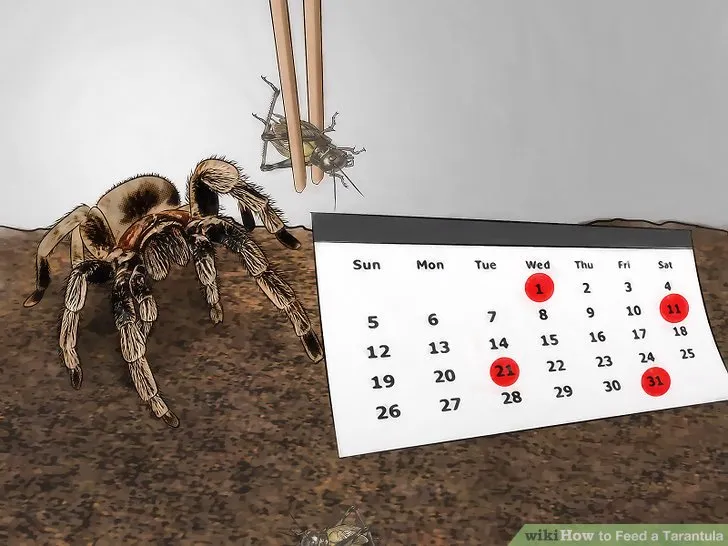
Begin by offering your tarantula food, slightly more frequently than you usually would. This might mean feeding a juvenile tarantula twice a week instead of once, or offering an adult two or three meals a week. Observe your tarantula’s response to the food. Does it readily accept the prey, or does it show any hesitation? If the tarantula eats the offered prey, you can continue with the feeding schedule. If it refuses the food, remove the prey and try again in a few days. Avoid offering too much food at once; it is better to offer smaller meals more frequently than to overwhelm the spider. Keep track of how much and how often your tarantula eats.
Step 2 Monitoring Feeding Behavior

Closely monitor your tarantula’s feeding behavior. Observe whether it is eating all the prey you offer and how quickly it consumes the food. A tarantula that is power feeding may show an increased appetite and will readily take prey. However, watch for signs of disinterest or a lack of appetite, which could indicate that the spider is being overfed. Also, note the tarantula’s overall activity level. Increased activity, especially around feeding time, can be a sign of good health and a healthy appetite. Document your observations, as this will help you adjust the feeding schedule and prevent any potential problems.
Step 3 Removing Uneaten Prey
Always remove any uneaten prey within 24 hours. Leaving uneaten prey in the enclosure can stress the tarantula and increases the risk of injury or pest infestation. Uneaten prey can also introduce parasites or diseases into the enclosure. Make sure to remove the prey before the tarantula molts, as they are most vulnerable during this time. Use tongs to remove the prey to minimize disturbance to the tarantula. Regularly inspect the enclosure for any uneaten food items and remove them promptly.
Step 4 Maintaining Optimal Humidity and Temperature
Maintaining the correct environmental conditions is crucial, especially when power feeding. Humidity and temperature levels should be appropriate for your tarantula species. Increased feeding can sometimes affect the humidity levels in the enclosure. Therefore, monitor these levels regularly using a hygrometer and thermometer and adjust them as needed. Proper ventilation is also important to prevent the buildup of mold or mildew. Ensure that the enclosure has adequate airflow. Keeping your tarantula’s environment clean and optimal will promote its health and facilitate its ability to process the extra food.
Post-Feeding Care and Monitoring

After power feeding, it is essential to continue to monitor your tarantula closely. This monitoring is key to ensuring the spider remains healthy and thrives under the power feeding regimen. It can also help you avoid potential health problems. Consistent observation can help you spot potential issues before they become serious. It will also allow you to customize the care to meet the spider’s specific needs.
Observing Molting
Be prepared for your tarantula to molt more frequently. Molting is the process by which a tarantula sheds its exoskeleton to grow. Power feeding can accelerate the molting cycle. Provide a suitable environment for molting, including adequate humidity, a safe place to molt, and minimal disturbance. Do not disturb the tarantula during the molting process. After molting, your tarantula will have a new exoskeleton. Be prepared for the tarantula to have a voracious appetite immediately after molting, at which point, you can offer food again, but in moderation initially.
Adjusting Feeding Frequency
You might need to adjust the feeding frequency based on your observations. If your tarantula appears to be growing too rapidly or showing signs of overfeeding, you may need to reduce the frequency or amount of food you offer. If the tarantula is not growing as expected, you can slightly increase the feeding. Always make adjustments gradually and monitor your tarantula’s response. Keeping a log of feeding and molting can help you fine-tune your feeding regimen over time. This will ensure the power feeding benefits the tarantula without causing any adverse health issues.
Common Problems and Solutions

Even with careful planning, you may encounter some problems when power feeding. Knowing how to address these issues can help keep your tarantula safe and healthy. Recognizing potential challenges is essential for responsible tarantula care. Addressing these issues effectively will ensure your tarantula can thrive.
Tarantula Refusal to Eat
If your tarantula refuses to eat, it may be a sign of overfeeding or other issues. First, ensure the environmental conditions are correct and remove any uneaten food. If the tarantula continues to refuse food, reduce the feeding frequency and offer smaller meals. If the refusal continues, consult with a veterinarian or experienced tarantula keeper, as there may be an underlying health issue. It is normal for tarantulas to refuse food, especially before a molt. However, prolonged refusal requires investigation. Never force-feed a tarantula, as this can cause injury.
Overfeeding Issues
Overfeeding can lead to various health problems, including obesity, reduced mobility, and difficulties during molting. If you suspect your tarantula is being overfed, immediately reduce the feeding frequency and the size of the meals. Provide a spacious enclosure to encourage exercise. Monitor the tarantula’s activity level and overall health. If the issue persists, you may need to consult with an expert or veterinarian. Prevention is key; be mindful of your tarantula’s body condition and adjust the feeding accordingly. Obesity can seriously impact the spider’s health and shorten its lifespan.
Preventing Mites and Other Pests
Power feeding can potentially increase the risk of pests such as mites, which thrive in environments with excess food and moisture. Maintain excellent hygiene to prevent such infestations. Regularly clean the enclosure and remove any uneaten food promptly. If you notice mites, you may need to completely change the substrate. Consider using springtails or other beneficial organisms that can help to control pests. Prevention is critical; a clean, well-maintained enclosure is the best defense against infestations. Regularly inspect your tarantula and its enclosure for any signs of pests.
Conclusion
Power feeding can be an effective strategy for accelerating growth in tarantulas, but it’s essential to approach this practice with care and caution. Prioritize the health and well-being of your tarantula by assessing its needs, choosing the right food, and maintaining an appropriate environment. Regularly monitor your spider’s health and adjust the feeding schedule as needed. By understanding the potential benefits and risks, and implementing responsible practices, you can safely and effectively power feed your tarantula. Always observe your tarantula carefully and adjust your feeding approach as needed to support its long-term health and well-being.