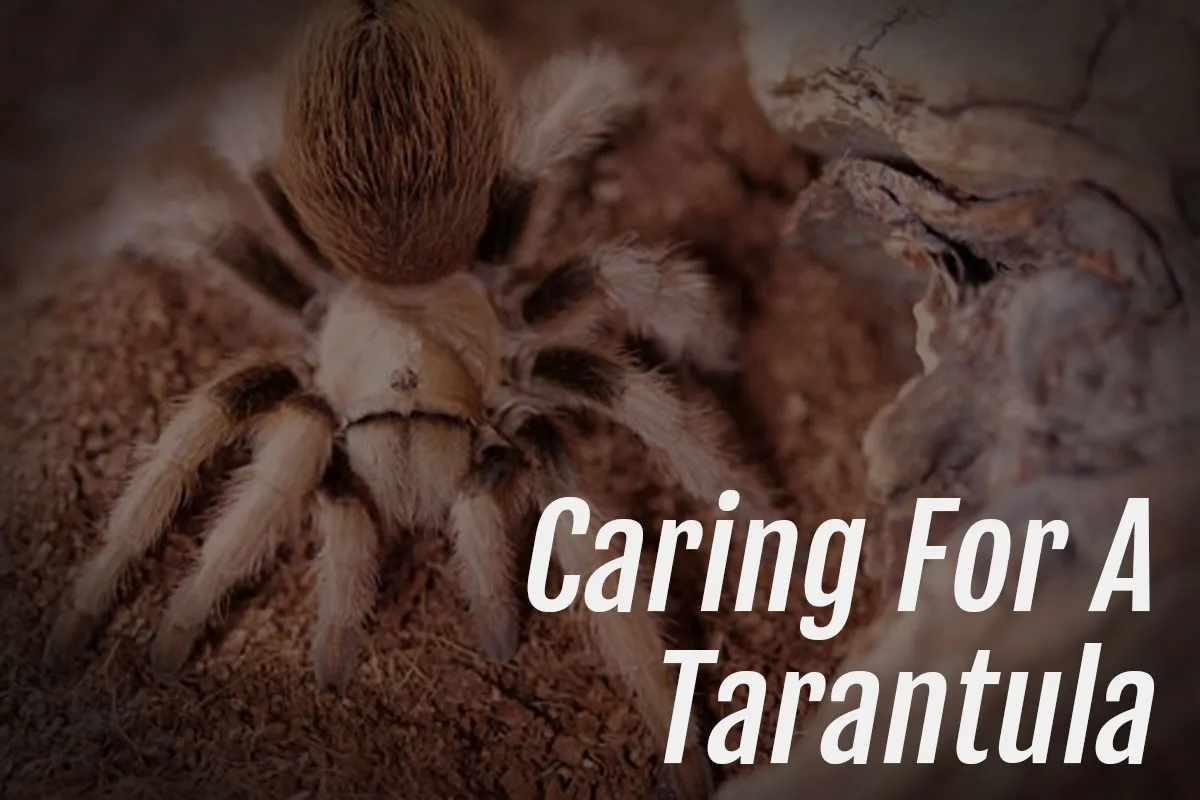
Understanding Tarantula Health & Wellbeing
Caring for a tarantula involves understanding its needs, including the environment, diet, and behavior. A healthy tarantula is active, alert, and exhibits a strong appetite. It moves about its enclosure, explores, and generally shows interest in its surroundings. Monitoring your tarantula’s behavior is crucial for detecting any signs of illness or distress. Regular observation and a proactive approach to care can significantly increase the chances of early detection and successful intervention if your tarantula starts to show signs of decline. Familiarizing yourself with the normal behaviors and physical characteristics of your specific tarantula species is the first step in ensuring its wellbeing.
Identifying Signs of a Dying Tarantula
Recognizing the early signs of distress in a tarantula is critical for initiating timely intervention. Several indicators can suggest that your tarantula may be experiencing health problems, requiring immediate attention. Early detection improves the chances of successful treatment and recovery. Watch for subtle changes in your tarantula’s behavior or appearance. These can often provide the first clues that something is amiss. Keep a close watch for any deviations from the norm.
Lethargy and Lack of Movement

One of the most apparent signs of a tarantula in distress is a noticeable reduction in activity. A healthy tarantula will move around its enclosure, explore, and react to stimuli. If your tarantula becomes unusually still, spends excessive time in one spot, or shows a lack of response to its surroundings, it could indicate a health issue. Monitor its movements closely, looking for signs of weakness, such as difficulty in climbing or maintaining its posture. Reduced movement can be a key symptom of illness, stress, or environmental problems, requiring immediate evaluation and action to address the underlying issue.
Loss of Appetite
A healthy tarantula typically has a strong appetite and readily consumes appropriately sized insects. If your tarantula suddenly stops eating, or shows a decreased interest in food, this is a cause for concern. Observe how it interacts with its food, noting whether it attempts to hunt or feed. A loss of appetite can stem from various issues, including environmental stressors, illness, or molting problems. Regularly check the food you offer, making sure it is fresh and appealing. Persistent refusal to eat, even after several days, should prompt a thorough assessment of your tarantula’s health and environment, along with prompt intervention.
Changes in Appearance
Physical changes can provide key indicators of health issues in tarantulas. Look out for alterations in the tarantula’s appearance. A change in the color of the abdomen, for example, from a normal hue to a dull or discolored state, can be a sign of dehydration or internal issues. Similarly, any noticeable swelling or unusual lumps on the body warrant careful examination. Check the tarantula’s legs for any signs of weakness, injury, or unusual postures. Observing any changes in the physical condition is crucial for assessing your tarantula’s health and identifying potential problems. Take note of any significant deviations from its usual appearance.
Checking the Tarantula’s Environment

The environment within a tarantula’s enclosure plays a critical role in its health and well-being. Maintaining optimal conditions is essential for preventing stress and illness. Regularly monitor and adjust the temperature, humidity, and substrate to match the specific needs of your tarantula species. Improper environmental conditions can easily lead to health problems. Providing the correct environment is crucial for the survival of your tarantula. Regularly reviewing these elements helps maintain a healthy habitat for your pet.
Temperature and Humidity
Tarantulas require specific temperature and humidity levels to thrive. Temperature influences their metabolism and activity, while humidity aids in molting and hydration. Ensure the enclosure maintains the recommended temperature range for your species. A thermometer placed inside the enclosure is crucial for monitoring the temperature accurately. High humidity is usually needed, and you can easily maintain this by misting the enclosure with clean, dechlorinated water. Use a hygrometer to monitor the humidity levels closely. Inadequate temperature or humidity can lead to dehydration, molting issues, and overall stress. Consistent monitoring and adjustments are key to a healthy environment.
Substrate Condition
The substrate, or bedding, within the enclosure, must be in good condition to maintain a healthy environment. It helps regulate humidity, provides a place to burrow, and supports the tarantula during molting. Choose a substrate appropriate for your tarantula species, such as coconut fiber, peat moss, or a mixture. Regularly inspect the substrate for any signs of mold or excessive dryness. If the substrate is too dry, it can contribute to dehydration, while excessive moisture can lead to mold growth and other health issues. Replace the substrate periodically to maintain cleanliness and prevent bacterial growth. The correct substrate condition is essential for the health and welfare of your tarantula.
Identifying Potential Causes

Several factors can contribute to a tarantula’s decline. Recognizing these potential causes will assist in quickly addressing any health issues. Common causes include dehydration, molting problems, parasites, and illnesses. Early identification of the specific problem enhances the chances of effective treatment and recovery. Closely examining your tarantula and its environment, while staying observant, can give you clues about what might be wrong. Taking quick action based on your observations is essential for protecting your tarantula’s health.
Dehydration
Dehydration is a significant concern for tarantulas, often caused by insufficient access to water or overly dry enclosure conditions. Signs of dehydration include a shriveled appearance, lethargy, and difficulty moving. Regularly providing fresh water is essential, using a shallow water dish that is easily accessible, and ensuring the substrate retains some moisture. Misting the enclosure can also help increase humidity. If dehydration is suspected, quick rehydration techniques should be implemented. Ensure that the enclosure has the appropriate humidity level for the species, and maintain regular checks to keep your tarantula hydrated.
Molting Problems
Molting is a crucial process for tarantulas, enabling growth and renewal of their exoskeleton. Difficulties during molting can be a life-threatening challenge. The tarantula might get stuck during the process, have trouble shedding the old exoskeleton, or experience problems in hardening the new one. Factors such as low humidity, inadequate space, or nutritional deficiencies can contribute to molting problems. Ensure that the enclosure provides proper humidity levels and sufficient space for molting. Avoid disturbing the tarantula during molting and give it adequate time to complete the process without any outside interference. Address any signs of distress during molting quickly to ensure the tarantula’s survival.
Parasites and Illness

Tarantulas can be susceptible to various parasites and illnesses, which can have a negative impact on their health. Parasites, such as mites, can infest tarantulas, leading to irritation and weakness. Infections can arise from bacterial or fungal agents, potentially causing serious health problems. Watch for any unusual spots or changes in behavior. Maintaining a clean enclosure, providing a healthy diet, and quarantining new tarantulas can help to prevent infections. If you suspect your tarantula is ill or infested with parasites, consult a veterinarian experienced in exotic animals. Prompt and appropriate treatment can often effectively address the problem.
Quick Steps to Reviving Your Tarantula
If you notice signs of distress in your tarantula, taking quick and decisive action is essential. Begin by assessing the situation and identifying the potential causes. Provide hydration and ensure that the environment is appropriate. Carefully follow these steps to provide the best chance of revival. Remember, swift action can improve your tarantula’s chances of survival and recovery. Stay calm and focus on what needs to be done. With quick intervention, you can make a difference in your tarantula’s health.
Rehydration Techniques
If dehydration is suspected, the first step should be to rehydrate your tarantula. Provide fresh, clean water in a shallow dish within the enclosure, making it easily accessible. You can also mist the enclosure with clean, dechlorinated water to boost humidity, but don’t oversaturate the substrate. Observe your tarantula’s behavior for signs of drinking. In severe cases, gently offer a small amount of water directly to the tarantula’s mouth using a syringe without a needle or a cotton swab. Be careful not to force the water into the tarantula, and make sure to only do this if necessary.
Providing Fresh Water

Ensure your tarantula always has access to fresh, clean water. Place a shallow water dish inside the enclosure, and check it regularly to make sure it’s full and clean. Use a water dish that is appropriately sized for the tarantula, and position it in a location that is easily accessible. Change the water frequently, ideally daily, to prevent bacterial growth. Keep the water dish clean, and make sure the tarantula can reach it without difficulty. This is a simple yet vital step in maintaining your tarantula’s health and hydration.
Misting the Enclosure
Misting the enclosure can significantly help maintain the humidity levels needed. Use a spray bottle filled with clean, dechlorinated water to mist the enclosure regularly. The frequency of misting should depend on the species and the humidity needs. Be careful not to over-mist, as this can lead to excessive moisture. Mist the sides of the enclosure and the substrate. Monitor the humidity levels using a hygrometer. Misting helps keep the environment comfortable and aids in hydration, particularly for species that need high humidity. Proper misting techniques are important for your tarantula’s health.
Offering Food
If your tarantula is willing, providing food can help restore its strength and energy. Offer a food item appropriate for the tarantula’s size and species, such as a cricket or a small cockroach. Place the food near the tarantula. If your tarantula is reluctant to eat, gently encourage it by lightly touching the food to its chelicerae, which may stimulate its feeding response. If the tarantula does not eat, remove the food after a few hours to prevent it from attracting mites or other unwanted insects. Do not force-feed your tarantula. Patience and observation are essential when dealing with a sick or stressed spider.
Safe Handling and Observation

Handle your tarantula with utmost care. Avoid unnecessary handling when the tarantula is unwell, as this can cause additional stress. If you must move or interact with it, do so gently and avoid sudden movements. Observe your tarantula’s behavior closely, looking for any signs of improvement or decline. Note any changes in appearance, movement, or feeding habits. Regular observation and careful handling reduce stress. Use tools, such as a soft brush, to move your tarantula gently, minimizing any potential harm. Close monitoring is vital to track the effectiveness of your actions and adapt your care accordingly.
Creating an Emergency Habitat
Sometimes, a tarantula needs a temporary environment to recover. Setting up a suitable emergency habitat can aid in its recovery. This should ideally be a clean, secure enclosure with controlled conditions to provide comfort and safety. These steps can improve the chances of your tarantula’s recovery and make it more comfortable.
Setting Up a Quarantine Area
If your tarantula is showing signs of illness, setting up a quarantine area can help prevent the spread of any potential diseases and allow for closer monitoring. Choose a separate enclosure, ideally one that can be easily cleaned and disinfected. Ensure the quarantine enclosure has similar environmental conditions as the tarantula’s primary habitat, including the correct temperature and humidity levels. Place the tarantula in this separate enclosure, and observe it carefully for any changes or signs of improvement. Keep all equipment, such as water dishes and feeding tools, separate from the main enclosure to prevent cross-contamination.
Maintaining Optimal Conditions
In the emergency habitat, maintain optimal environmental conditions to support your tarantula’s recovery. Monitor and adjust the temperature and humidity levels, ensuring they match the specific needs of your tarantula species. Provide fresh water and offer appropriate food. Keep the enclosure clean and free of any debris or potential hazards. Minimize stress by reducing disturbances and handling to the bare minimum. Consistent care and a stable environment can significantly improve your tarantula’s chances of a full recovery.
What Not to Do When Reviving a Tarantula
Certain actions can worsen a tarantula’s condition. Avoiding these common mistakes can prevent further harm. Understanding what to avoid is as important as knowing what to do. Refrain from stressful handling. Never ignore environmental factors, which could have been the cause. Careful management of these aspects will increase the likelihood of a successful recovery.
Avoiding Stressful Handling
Minimize handling your tarantula when it is unwell, as this can increase its stress levels and exacerbate its condition. Excessive handling can be particularly harmful, as it may interfere with the tarantula’s natural recovery processes. Only handle the tarantula if absolutely necessary for assessment or administering treatment, and do so gently, slowly, and carefully. Use soft tools to gently move it. Prioritize creating a quiet and stable environment where your tarantula can rest and recover. Allow it to feel safe. Limiting human interaction will create a stress-free environment.
Ignoring Environmental Factors
Neglecting environmental factors is a common mistake that can undermine recovery efforts. Ensure the proper temperature, humidity, and substrate conditions are maintained within the enclosure. Ignoring these factors can worsen a tarantula’s health and hinder its ability to recover. Regularly monitor and adjust the environment as needed. Provide an optimal environment. Take note of the species’ specific needs, and avoid assumptions or guesswork. Careful attention to the enclosure setup can significantly improve the chances of a successful recovery. This is a cornerstone of responsible tarantula care.
When to Seek Professional Help
Knowing when to seek veterinary assistance is a crucial aspect of responsible tarantula care. If you are unsure of the cause of your tarantula’s distress, or if your attempts at home care are unsuccessful, professional help is critical. It’s better to seek help sooner rather than later. Early intervention can make all the difference. Prompt and accurate diagnosis from a qualified professional increases the chances of recovery.
Recognizing Severe Illness or Injury
Certain symptoms indicate that your tarantula needs immediate veterinary attention. These include severe lethargy, paralysis, or the inability to move normally. Significant injuries, such as a ruptured abdomen or severe limb damage, also require immediate professional intervention. Signs of infection, such as pus or significant discoloration, are also indicators of needing help from a specialist. Do not hesitate to seek professional help if you observe these symptoms. The health of your tarantula can be severely affected by these situations. A quick assessment will help to make your spider better.
Finding a Qualified Veterinarian
Finding a veterinarian specializing in exotic animals, including arachnids, is vital. These veterinarians have the knowledge and experience necessary to diagnose and treat illnesses in tarantulas. When searching for a veterinarian, ask about their experience with tarantulas and other invertebrates. Check reviews and recommendations. Be ready to provide as much information about your tarantula’s history and symptoms as possible. During an appointment, the vet will perform a thorough examination, and they may conduct diagnostic tests, to determine the best course of treatment. Early veterinary intervention can dramatically improve your tarantula’s chance of recovery and survival.