Understanding Tarantula Behavior
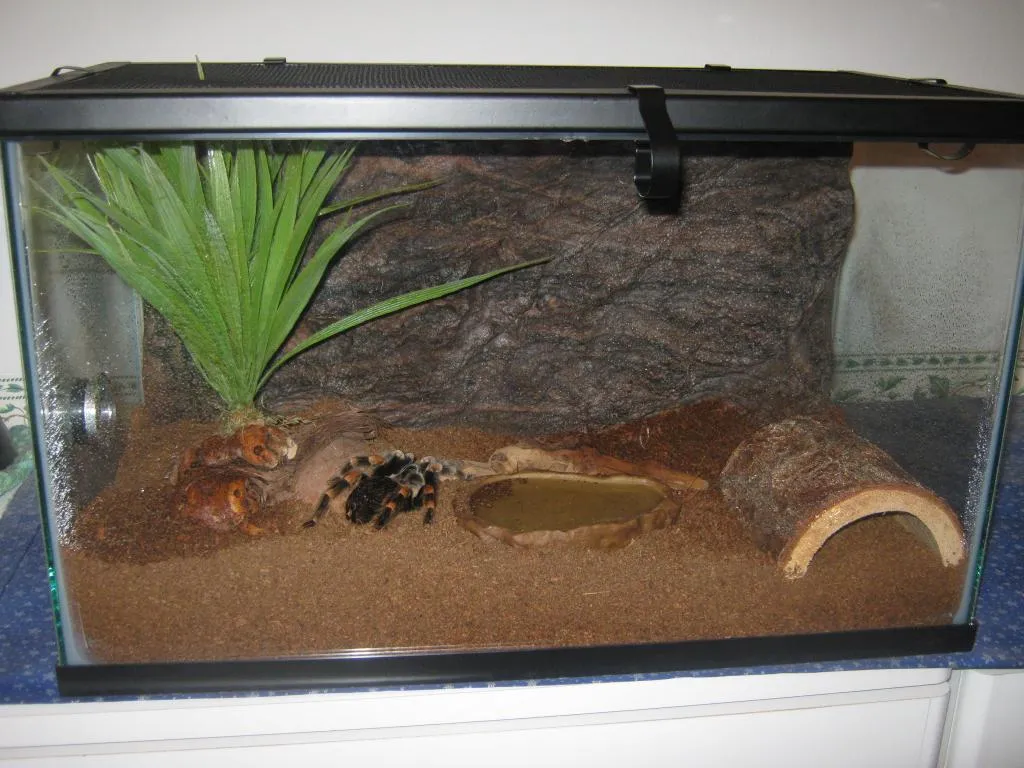
Before you even consider taking your tarantula out of its cage, it’s crucial to understand its behavior. Tarantulas, while often seen as docile pets, are still wild animals and can exhibit unpredictable behavior. They are generally solitary creatures and prefer to be left alone. They can be easily stressed, which can lead to defensive reactions like flicking urticating hairs or, in rare cases, biting. Observe your tarantula regularly to learn its personality and identify any signs of stress or discomfort. Understanding their natural tendencies will significantly contribute to a safer and more positive handling experience for both you and your eight-legged friend. Always approach handling with respect and caution, recognizing that tarantulas are not like dogs or cats; they don’t seek human interaction.
Why Handle Your Tarantula?
Handling a tarantula should always be done with a clear purpose and a good reason. While it might seem tempting to interact with your pet spider, unnecessary handling can stress the animal. Handling can be necessary for several reasons. For example, you may need to move your tarantula for a cage cleaning or to provide medical treatment. If you are doing any maintenance in the enclosure, the tarantula may need to be relocated for its safety. Ensure that the handling is kept to a minimum and is always conducted with utmost care and consideration for the tarantula’s well-being. Frequent handling is not recommended. It is important to prioritize the tarantula’s comfort and safety above any desire for interaction.
Essential Equipment for Safe Handling
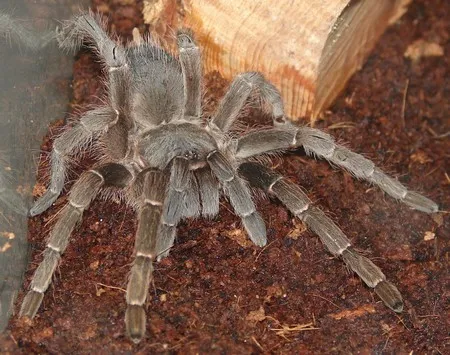
Having the right equipment is essential for safe and successful tarantula handling. A soft, wide brush can gently coax the tarantula onto a surface. A clear plastic container, slightly larger than your tarantula, is useful for temporary relocation. Long, non-latex gloves are highly recommended to protect your hands from potential bites or urticating hairs. Always ensure you have a secure, escape-proof environment ready. This is especially critical if the tarantula is particularly skittish or fast moving. Remember, the goal is to create a safe and controlled situation for both you and your pet. Make sure the container has ventilation holes and is clean to avoid any environmental factors that could further stress the tarantula. Do not use bare hands.
The Best Time to Handle Your Tarantula
Choosing the right time to handle your tarantula is important. Avoid handling your tarantula if it is in a premolt stage, as they are more vulnerable and stressed during this period. It is best to handle your tarantula when it is calm and not showing any signs of aggression or stress. Typically, the evening or nighttime hours are preferable, as tarantulas are often more active and less stressed during these times. Never attempt to handle a tarantula immediately after feeding, as they may still be in a defensive mode. If you notice the tarantula is in a burrow, avoid handling it at all. Always observe the tarantula for several minutes before initiating the handling process to gauge its mood and avoid unnecessary stress.
Step-by-Step Tarantula Removal
Carefully assess the situation. Make sure you have everything prepared before you start. The chosen container should be readily accessible and clean. Gently coax the tarantula. Use a brush or the end of a long tool to gently encourage the tarantula to move into the container. Never force the tarantula. Observe the tarantula. If the tarantula shows any signs of stress, immediately stop and reassess. The container should be placed in a safe spot, away from direct sunlight, extreme temperatures, or drafts. Once inside the container, secure the lid. Handling tarantulas should be approached with a plan, and never with the intention of rushing the animal.
Prepare Your Handling Area
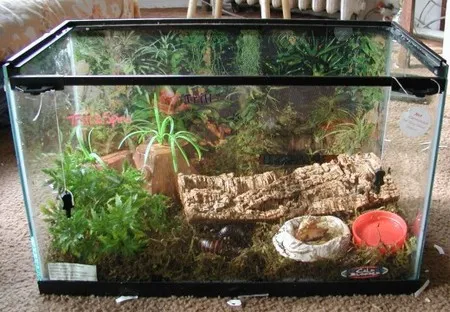
Preparing the handling area is a critical step in ensuring a safe and stress-free experience. Choose a well-lit room where you have clear visibility. Close all windows and doors to prevent escapes. Remove any potential hazards, such as small objects that the tarantula could hide under or get trapped in. Consider lining the surface with a soft, clean material, such as a large towel or a sheet of paper. This will provide a comfortable and secure surface for the tarantula and prevent damage to its delicate legs. It’s also helpful to have a small container available as a backup in case the tarantula needs to be moved quickly. Make sure the area is free of distractions and disturbances to keep the tarantula calm.
Gently Coaxing Your Tarantula Out
The method of coaxing a tarantula out of its enclosure should be as gentle and non-invasive as possible. The goal is to encourage the tarantula to move willingly, not to force it. The use of a soft brush is an ideal tool for this purpose. Gently touch the brush to the tarantula’s body or legs and encourage it to walk onto the brush. Avoid sudden movements or loud noises that could startle the tarantula. If the tarantula is reluctant, be patient and try again later. Avoid touching the tarantula directly, as this can be perceived as a threat. Be patient and understanding. If the tarantula is not in the mood, respect its space and wait until it is ready.
Handling Your Tarantula
If you choose to handle your tarantula, do so with extreme caution and respect. Let the tarantula walk onto your hand from the brush or container. Always keep your movements slow and deliberate. Speak in a calm, reassuring voice. Keep your hand close to the surface to prevent a fall. Avoid any sudden movements. If the tarantula shows any signs of distress, such as raising its front legs or flicking hairs, immediately place it back in its enclosure or container. It’s important to understand that even if your tarantula appears calm, there is always a risk. Be vigilant and pay attention to the animal’s cues.
Returning Your Tarantula to Its Cage

Returning your tarantula to its enclosure is a crucial step in the process. Do so gently. If you are using a container, carefully place the container near the enclosure and allow the tarantula to walk out on its own. Ensure the enclosure is safe before you return it. Once the tarantula has returned, close the enclosure securely. Observe the tarantula for a while to ensure it is comfortable and shows no signs of stress. Do not attempt to handle the tarantula again for several days, as they need time to recover from the handling. The less the tarantula is disturbed, the better.
Handling Precautions
Always approach handling with caution. Wear long sleeves and gloves to protect your skin from urticating hairs and bites. Handle your tarantula in a safe environment, away from children and pets. Keep a close eye on the tarantula, observing its behavior for any signs of stress. Avoid handling your tarantula near your face or eyes. If a bite occurs, seek medical attention immediately. If urticating hairs are released, wash the affected area thoroughly and avoid rubbing it. Take all necessary precautions to ensure the safety and well-being of both yourself and your tarantula.
Recognizing Signs of Stress
It’s vital to be able to recognize when your tarantula is stressed. These signs include the tarantula raising its front legs in a defensive posture. Flicking urticating hairs towards you. A tarantula that attempts to run away from you repeatedly. The tarantula may also change its posture, or exhibit erratic movements. If you observe any of these signs, immediately stop the handling and give the tarantula space. Providing a safe and stress-free environment is very important for your tarantula’s health and well-being. Respect their space and allow them to retreat if they want to.
Tips for Building Trust with Your Tarantula

Building trust with your tarantula is a long-term process. This is mainly accomplished by observing the tarantula and giving it space and a good home. Create a safe and comfortable environment. Provide an appropriate enclosure with proper substrate, temperature, and humidity levels. Feed your tarantula regularly. Handle your tarantula as little as possible. Avoid unnecessary handling. Spend time simply observing your tarantula to understand its behavior. Handle with caution and respect. By following these tips, you can create a positive relationship with your tarantula, even if direct handling is rare. Remember that tarantulas do not crave human interaction; therefore, a hands-off approach is often the best way to ensure their well-being.