What is a Huntsman Spider?
Huntsman spiders, belonging to the family Sparassidae, are known for their large size, long legs, and distinctive flat body shape. These arachnids are found in many warm regions around the world, and they are commonly encountered in homes, gardens, and forests. Despite their intimidating appearance, huntsman spiders are generally not aggressive and are beneficial because they consume insects and other pests. They are also known for their impressive speed and agility, allowing them to swiftly capture prey and navigate their environment. Huntsman spiders play a vital role in controlling insect populations, making them a welcome presence for many people.
Appearance and Size
Huntsman spiders are easily identified by their large size and flat bodies. Their legs can span up to 12 inches, making them one of the largest spider species. Their bodies are typically a brown or grey color, often with mottled patterns that help them camouflage. The flat body shape allows them to squeeze into tight spaces, such as under tree bark or in crevices, which is a key feature of their hunting strategy. The size varies based on the species and the spider’s age, with females generally being larger than males. This physical attribute, in combination with their coloration, makes them quite distinctive.
Habitat and Range

Huntsman spiders are native to various regions, primarily in Australia, Asia, Africa, and the Americas. They have adapted to various habitats, including forests, caves, and human dwellings. In their natural environments, they often seek shelter under the loose bark of trees, under rocks, or in other sheltered areas. They are also commonly found in houses, garages, and other structures where they can find insects to eat. Their ability to thrive in diverse settings has contributed to their widespread distribution. Understanding their habitat helps people to understand where they can potentially be found.
Behavior and Temperament
Huntsman spiders are primarily nocturnal hunters, actively seeking prey at night. They are known for their speed and agility, quickly moving to catch insects like cockroaches, crickets, and other small invertebrates. Unlike many spiders that spin webs, huntsman spiders are active hunters, using their speed and ambush tactics to capture their meals. They are generally not aggressive towards humans, and they prefer to flee rather than fight when threatened. However, they can bite if they feel cornered or threatened, but their venom is not considered medically significant to humans. Their temperament is generally considered calm if left undisturbed.
What is a Tarantula?
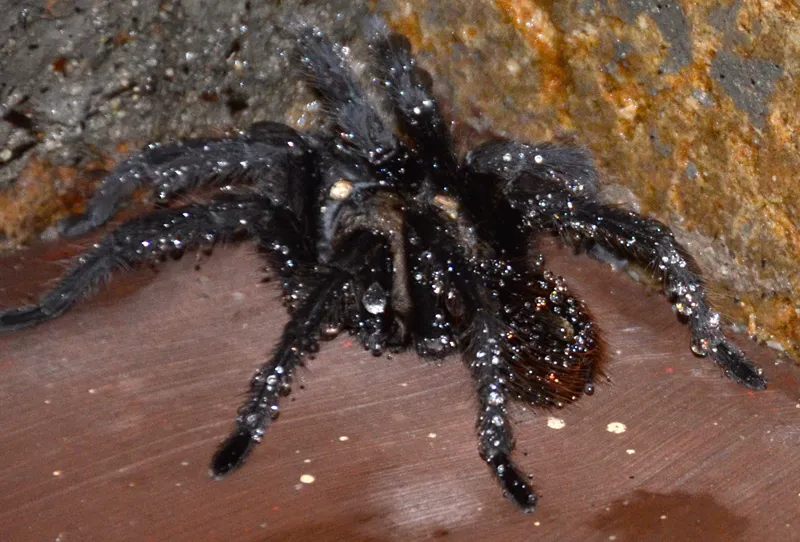
Tarantulas are large, hairy spiders belonging to the Theraphosidae family. They are found in various parts of the world, including North and South America, Asia, Africa, and Europe. Known for their size and diverse coloration, tarantulas are often kept as pets due to their relatively docile nature and impressive appearance. These spiders are primarily nocturnal and use their fangs to inject venom that paralyzes their prey. They are also equipped with urticating hairs, which can be released as a defense mechanism. The tarantula’s life cycle can be quite long, with some species living for over 20 years, highlighting the uniqueness of the tarantula family.
Appearance and Size

Tarantulas are recognized by their large, hairy bodies and striking colors. They can range in size from a few inches to the size of a dinner plate, depending on the species. Their bodies and legs are covered in hairs, which provide sensory information and aid in defense. Many tarantulas have vibrant colors, ranging from blues and oranges to browns and blacks, making them visually appealing. The females are usually larger than males. Their appearance is a key feature that attracts both enthusiasts and those who are wary of these arachnids.
Habitat and Range
Tarantulas can be found in various habitats, including deserts, grasslands, and rainforests. They typically live in burrows or under rocks and logs. Different species have adapted to various environments, resulting in a wide range of habitats. Some tarantulas are terrestrial, while others are arboreal, living in trees. Their geographic distribution spans across the Americas, Asia, Africa, and parts of Europe. Understanding their habitat is vital for their conservation and to appreciate the diversity of these spiders.
Behavior and Temperament
Tarantulas are generally calm spiders, but their behavior can vary depending on the species. They are primarily nocturnal hunters, ambushing their prey using their strong fangs to inject venom. Some species are more defensive and may flick urticating hairs as a defense mechanism. The temperament of tarantulas can also be affected by their environment and handling. In captivity, they often become accustomed to their handlers, but they always must be treated with caution. Their behavior, combined with their size, is what makes them one of the most recognized types of spiders.
Key Differences Between Huntsman and Tarantula

Size and Physical Characteristics
Both huntsman spiders and tarantulas are large spiders, but they have distinct physical differences. Huntsman spiders are characterized by their flat bodies and long legs, allowing them to squeeze into tight spaces. Tarantulas, on the other hand, have more robust bodies covered in hair. The size of tarantulas can vary greatly, with some species being significantly larger than huntsman spiders. Huntsman spiders also have a slightly different leg arrangement, which allows them to move sideways with ease. Comparing these physical attributes is a simple way to tell the difference between the two arachnids, even from a distance.
Venom Potency and Bite
The venom potency of both huntsman spiders and tarantulas is often a topic of discussion. Huntsman spiders have a relatively mild venom that is not considered dangerous to humans. Their bite may cause some localized pain and swelling, but it is not medically significant. Tarantulas also have venom that is generally not life-threatening to humans. However, their bites can be more painful than huntsman spiders due to their larger fangs. Both spiders would rather flee than bite, but if they are cornered or feel threatened, they might resort to biting as a defensive measure. Understanding this can lead to better handling methods.
Habitat and Geographic Location

Huntsman spiders and tarantulas have different habitats and geographic distributions. Huntsman spiders are widespread, found in tropical and subtropical regions worldwide, with a high concentration in Australia. They often inhabit human dwellings and are adapted to a variety of environments. Tarantulas are also found in diverse habitats, but their distribution is more specific to certain regions. They are found in North and South America, Asia, Africa, and parts of Europe. They are commonly found in burrows and under rocks, which can differ based on the species. Knowing the geographic locations is key to identifying the specific species and their habits.
Diet and Feeding Habits
Huntsman spiders and tarantulas both feed on insects, but their feeding habits and diet may vary slightly. Huntsman spiders are active hunters, preying on insects like cockroaches, crickets, and other invertebrates. They hunt by ambushing their prey and using their speed to capture them. Tarantulas also consume insects, but they may also eat small vertebrates, such as lizards or mice. They use their fangs to inject venom to paralyze their prey. Both spider types play an important role in controlling insect populations in their respective ecosystems. The diet and feeding habits depend greatly on their environment.
Lifespan
The lifespan of huntsman spiders and tarantulas differs significantly. Huntsman spiders typically live for one to two years. Tarantulas, on the other hand, can live much longer, with some species living for over 20 years in captivity. The lifespan of tarantulas is affected by a number of factors, including their species, habitat, and diet. This longevity is one of the reasons why tarantulas are popular pets, as they can be kept for many years. The difference in lifespans showcases a key distinction between these two types of spiders.
Behavioral Traits

Huntsman spiders and tarantulas display several distinct behavioral traits. Huntsman spiders are known for their speed and agility, which they use to hunt and escape threats. They are generally not aggressive towards humans and prefer to flee. Tarantulas are typically more docile, but they can exhibit defensive behaviors if threatened, such as raising their front legs or flicking urticating hairs. The behavior of both spiders is also influenced by their environment and the presence of potential predators. The differences in behavioral traits further help to distinguish these two spider types.
Handling and Safety
Are Huntsman Spiders Dangerous?
Huntsman spiders are generally not considered dangerous to humans. Their venom is mild and poses no significant health risk. While they can bite if they feel threatened, the bite is typically not painful. The primary concern with huntsman spiders is their size, which can be intimidating. It is crucial to avoid provoking them. Understanding their non-aggressive nature helps people to be comfortable when they are found in their homes or gardens.
Are Tarantulas Dangerous?

Tarantulas are not considered highly dangerous to humans, although their bite can be more painful due to the size of their fangs. The venom is generally not life-threatening. Handling tarantulas requires caution. They may also release urticating hairs as a defense mechanism, which can cause skin irritation. Proper safety precautions, such as avoiding sudden movements and not provoking the spider, are vital when interacting with tarantulas.
Which Spider Is Right for You?
Choosing between a huntsman spider and a tarantula depends on individual preferences. Huntsman spiders are less demanding to care for. They are not usually kept as pets, but they can be beneficial in controlling pest populations in homes. Tarantulas, on the other hand, are often kept as pets due to their unique appearance and interesting behaviors. Potential owners should research the specific needs of the tarantula species they are considering. When considering either spider, it is essential to consider all factors to ensure a safe and enjoyable experience.