Understanding the Light Blue Tarantula
The light blue tarantula, a captivating and vibrant creature, has gained popularity among tarantula enthusiasts. Known for their striking coloration and relatively docile temperament, these spiders offer a unique and rewarding experience for those willing to provide proper care. This comprehensive guide will delve into every aspect of light blue tarantula care, ensuring you have all the information needed to keep your pet healthy and thriving. From setting up the perfect habitat to understanding their dietary needs and potential health concerns, we’ll cover everything you need to know to become a successful light blue tarantula owner. The following sections are crafted to provide clarity and insight, allowing you to make informed decisions and provide the best possible environment for your light blue tarantula.
What is a Light Blue Tarantula?
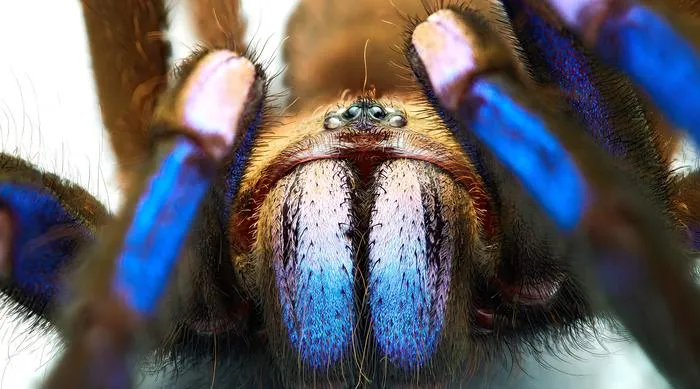
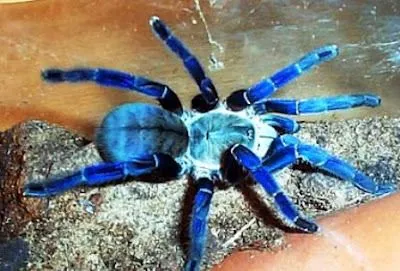
The light blue tarantula, scientifically known as Caribena versicolor, is a species of tarantula native to the Caribbean islands, particularly Martinique. They are arboreal, meaning they live primarily in trees. Their stunning appearance is characterized by a metallic blue carapace and legs, complemented by vibrant red or orange hairs on their abdomen. This striking combination of colors makes them one of the most visually appealing tarantula species. These spiders are relatively small compared to other tarantulas, typically reaching a leg span of around 5-6 inches. Their manageable size and vibrant colors have made them a favorite among hobbyists, though proper care is crucial for their wellbeing.
Characteristics and Appearance

The defining feature of the light blue tarantula is, of course, its color. The carapace, which is the top part of the cephalothorax (the fused head and chest), displays a brilliant metallic blue hue. Their legs share a similar coloration, making them appear quite striking. The abdomen typically has a darker color, often with reddish or orange hairs. Spiderlings start with more muted colors, but as they molt, the vibrant blues and reds become more pronounced. This striking coloration makes the light blue tarantula a visual standout in any collection. The overall body structure is typical of tarantulas, with a segmented body consisting of the cephalothorax and abdomen, and eight legs used for movement.
Origin and Habitat
Light blue tarantulas are native to the tropical island of Martinique, where they inhabit arboreal environments. In their natural habitat, they are found in trees, utilizing the bark and foliage for shelter and hunting. The high humidity and consistent temperature of the island are crucial to their survival. Understanding their natural habitat provides essential clues about the best ways to care for them in captivity. Replicating the conditions found in their natural environment is vital to the health and wellbeing of your light blue tarantula. The need for high humidity and temperature stability are just some of the factors that should be taken into consideration when designing their enclosure.
Setting Up the Perfect Enclosure
Creating an appropriate habitat is crucial for the light blue tarantula’s health and happiness. The enclosure should mimic the natural environment as closely as possible, providing the necessary temperature, humidity, and security. The right setup can also make it easier to observe and interact with your pet, without causing unnecessary stress. Following the guidelines described below, you’ll be able to provide a safe and enriching home. Consider that the setup will also affect how easy the maintenance will be, so choose materials and sizes accordingly.
Choosing the Right Tank

Since they are arboreal species, a vertical enclosure is essential. The tank should be tall enough to allow for climbing and provide sufficient space for the tarantula to move around. A good size for an adult light blue tarantula is a terrarium that is approximately 12x12x18 inches or larger. Make sure the enclosure has a secure lid to prevent escapes, as tarantulas can be surprisingly adept at climbing. Acrylic or glass tanks are suitable, with acrylic being slightly lighter and less prone to breakage. The enclosure should also have proper ventilation to prevent excessive humidity buildup and mold growth, without creating drafts that could stress the spider. Always make sure to clean the enclosure regularly to keep the environment healthy.
Substrate Selection
The substrate serves as the base of the enclosure and plays a vital role in maintaining humidity and providing a comfortable environment for the tarantula. A suitable substrate should hold moisture well and allow the tarantula to burrow if it chooses. A good choice for light blue tarantulas is a mixture of coco fiber, sphagnum moss, and a small amount of vermiculite. This combination holds moisture effectively, helping to maintain the necessary humidity levels. The substrate should be deep enough to allow the tarantula to burrow if it chooses, typically around 2-4 inches. Avoid using cedar or pine shavings, as these can be toxic to tarantulas. Regularly check the substrate for cleanliness and replace it as needed, typically every few months, or more frequently if needed to control any mold or fungal growth.
Decorating the Enclosure
Adding decorations enhances the enclosure and provides enrichment for your light blue tarantula. Artificial or real plants provide climbing surfaces and hiding places, which can reduce stress and make the tarantula feel more secure. Cork bark, branches, and artificial vines are excellent additions. Ensure that any decorations are securely placed to prevent them from falling and potentially injuring the spider. A water dish is essential, providing a source of hydration. The water dish should be shallow to prevent the tarantula from drowning. Regularly check the water dish and refill it with fresh water. Adding these elements also helps replicate the natural environment and encourage natural behaviors. Cleaning the decorations when changing the substrate is also important to avoid any build-up of bacteria.
Providing Optimal Temperature and Humidity

Maintaining the correct temperature and humidity levels is crucial for the health and wellbeing of a light blue tarantula. These environmental conditions directly affect the tarantula’s metabolism, molting process, and overall well-being. Monitoring these aspects of their environment will require a thermometer and a hygrometer, which can be purchased together in one single device. It is important to keep the temperature and humidity levels within the appropriate range to ensure the light blue tarantula stays healthy and stress-free, allowing them to thrive in captivity.
Temperature Requirements
Light blue tarantulas thrive in a temperature range between 75-85°F (24-29°C). Maintaining a stable temperature is important, and temperature fluctuations should be minimized. A heat lamp or a heat mat can be used to maintain the correct temperature. Heat lamps should be positioned outside of the enclosure to prevent burns. Heat mats can be placed on the side of the enclosure, or under it, but never inside, and must be used with a thermostat to avoid overheating. Always monitor the temperature using a thermometer placed inside the enclosure. Avoid placing the enclosure in direct sunlight, which can cause overheating.
Humidity Levels
Light blue tarantulas require a humidity level of 70-80%. This can be achieved by misting the enclosure with water 2-3 times per week, depending on the ventilation and the rate of evaporation. Use a hygrometer to monitor the humidity levels. If the humidity is too low, increase misting frequency. If the humidity is too high, increase ventilation. Ensure proper ventilation in the enclosure to prevent mold growth. The substrate will also contribute to maintaining humidity levels, so using a moisture-retaining substrate like coco fiber is also helpful. In addition to misting, providing a water dish helps to maintain appropriate humidity.
Feeding Your Light Blue Tarantula

Proper feeding is essential for the health and growth of your light blue tarantula. Understanding what to feed, how often, and how much to feed ensures that your tarantula receives adequate nutrition. The type of food provided also affects the tarantula’s overall well-being and growth rate. Always observe your tarantula’s feeding habits to ensure they are eating properly. Overfeeding can be as detrimental as underfeeding, so moderation and observation are key. Feeding habits can also vary depending on the age of the spider. The following sections will provide more insight into the best practices for feeding your pet light blue tarantula.
What to Feed
Light blue tarantulas are primarily insectivores, feeding mainly on insects. Suitable food items include crickets, roaches, mealworms, and other readily available insects. Ensure that the insects are gut-loaded with nutritious food prior to feeding them to your tarantula. This ensures that your tarantula receives the necessary vitamins and minerals. Avoid feeding wild-caught insects, as they may carry parasites or pesticides. Commercially available insects from reputable pet stores are the safest option. The size of the prey should be appropriate for the size of the tarantula, ideally no larger than the tarantula’s body size.
Feeding Frequency
The feeding frequency depends on the tarantula’s age. Spiderlings should be fed more frequently, typically 2-3 times per week. As the tarantula grows, the feeding frequency can be reduced. Adult light blue tarantulas can be fed once every 1-2 weeks. Always remove any uneaten prey within 24 hours to prevent stress and mold growth. Observe your tarantula’s abdomen; if it appears plump, it is well-fed. Adjust the feeding frequency as needed. During molting, the tarantula will typically stop eating. Do not offer food during this period.
Watering Your Tarantula

In addition to food, providing fresh water is crucial. A shallow water dish should be available at all times. Change the water regularly, ideally every 1-2 days, to keep it clean. The water dish should be shallow enough to prevent the tarantula from drowning. Sponges or cotton balls can be added to the water dish to provide a gripping surface, especially for smaller spiderlings. In addition to the water dish, misting the enclosure helps to maintain humidity and provides an opportunity for the tarantula to drink. Observe your tarantula; if you see it drinking from the water dish, it is a good sign that it is staying hydrated.
Handling and Safety
While light blue tarantulas are generally docile, handling them should be approached with caution. Tarantulas are delicate creatures, and even a small fall can be fatal. Always prioritize the safety of the tarantula and yourself. If handling is necessary, do so with care and ensure the tarantula is calm and comfortable. It is also vital to understand the potential risks associated with tarantula bites. With careful planning and execution, the chances of a bite can be minimized. Consider that the majority of bites occur because of fear or misinterpretation of their surroundings. Handling light blue tarantulas can be an enjoyable experience if handled correctly.
When to Handle
Handling should be kept to a minimum and only when necessary, such as for enclosure cleaning or health checks. Avoid handling your tarantula immediately after feeding or during molting, as they are more vulnerable during these times. Observe the tarantula’s behavior before handling. If the tarantula appears agitated or defensive, it is best to avoid handling. It is generally safer to allow the tarantula to walk onto your hand rather than attempting to pick it up. Be patient and allow the tarantula to familiarize itself with your presence. If the tarantula does not want to be handled, do not force the issue.
Safety Precautions

If you must handle your tarantula, always do so over a soft surface, such as a bed or a carpeted area, to minimize the risk of injury if the tarantula falls. Wash your hands thoroughly before and after handling. Avoid sudden movements, as they can startle the tarantula. Never handle a tarantula near your face. If the tarantula bites, remain calm. Although the venom of light blue tarantulas is not considered medically significant to humans, a bite can be painful. Clean the bite area with soap and water and monitor for any allergic reactions. Some people may have an allergic reaction to the hairs, so wearing gloves can be helpful.
Common Health Issues and Care
Like all pets, light blue tarantulas can be susceptible to certain health issues. Recognizing these issues early and providing prompt care can improve the chances of a positive outcome. The most common health concerns include problems related to molting, mites, and fungal infections. Regular observation and preventative measures are essential for maintaining the health of your tarantula. Being aware of the typical signs of good and bad health is key for being able to address issues early, and possibly prevent them. By staying informed and being proactive, you can ensure your light blue tarantula lives a long and healthy life.
Recognizing Common Problems
Problems with molting are a common issue. A tarantula that is struggling to molt may appear lethargic or lose its appetite. If the tarantula has difficulty shedding its exoskeleton, provide a humid environment to help soften the old skin. Mites are another common problem. They can be identified as tiny, moving spots on the tarantula or in the enclosure. If mites are present, isolate the tarantula and clean the enclosure thoroughly. Fungal infections can also occur, often due to high humidity levels or poor ventilation. Symptoms include discoloration or lesions on the tarantula’s body. Consult with a veterinarian or an experienced tarantula keeper if you notice any signs of illness.
Preventative Measures
Maintaining the correct temperature and humidity levels is essential to prevent health problems. Regular enclosure cleaning is important to prevent the buildup of bacteria and fungi. Always use clean, fresh water and feed a balanced diet. Quarantine any new tarantulas before introducing them to your collection, as they may carry parasites or diseases. Provide a varied diet with gut-loaded insects. Regularly inspect your tarantula for any signs of illness or injury. Consulting with a veterinarian experienced in exotic animals can also be beneficial. By following these preventative measures, you can keep your light blue tarantula healthy and happy.
Breeding Light Blue Tarantulas
Breeding light blue tarantulas can be a rewarding experience, but it requires specific knowledge and careful planning. The process involves identifying the sex of the tarantulas, introducing a male and female, and caring for the resulting egg sac and spiderlings. A solid understanding of the tarantula’s life cycle is important for this step, so be sure to do research before undertaking this task. From identifying the males and females to providing a suitable environment for mating, there are several factors to take into account. Success in breeding often depends on patience, attention to detail, and providing the right conditions for the tarantulas to thrive.
Identifying Sex
Determining the sex of a light blue tarantula is crucial for breeding. The most common method is to examine the underside of the tarantula after a molt. Males have a modified pair of pedipalps (small leg-like appendages near the mouth) that are used for sperm transfer. They also have a pair of tibial hooks on their front legs, which they use to hold the female’s fangs during mating. Females have a spermatheca, a structure used to store sperm, located between the book lungs. If you are unsure, consult with an experienced breeder or a veterinarian specializing in exotic animals.
Mating and Egg Sacs
Mating light blue tarantulas requires creating a safe and controlled environment. Introduce the male to the female’s enclosure. Observe their behavior carefully. The male will approach the female and attempt to mate. The male typically drums on the ground to attract the female’s attention. If the female is receptive, she will allow the male to mate with her. After mating, separate the male and female to prevent the female from cannibalizing the male. The female will then produce an egg sac, which contains hundreds of eggs. The female will guard and care for the egg sac until the spiderlings hatch.
Caring for Spiderlings
Caring for spiderlings requires a separate enclosure and meticulous attention to detail. Once the spiderlings hatch, they should be kept in a communal enclosure or individually housed. Provide small food items, such as fruit flies or pinhead crickets. Keep the humidity levels high and ensure adequate ventilation. Clean the enclosure regularly to prevent mold growth. Spiderlings are very delicate, so handle them with extreme care. As the spiderlings grow, they will need to be separated into individual enclosures to prevent cannibalism. Continue to monitor their health and provide appropriate care, feeding, and environmental conditions as they mature into adults. The first few molts are a critical time in the spiderlings’ development.