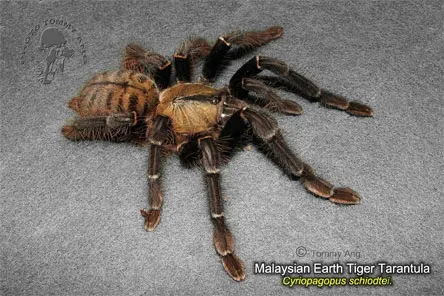
Malaysian Earth Tiger Tarantula Top 5 Facts
The Malaysian Earth Tiger Tarantula, scientifically known as Cyriopagopus villosus, is a captivating species, highly sought after by tarantula enthusiasts. These spiders are known for their striking appearance and intriguing behaviors, making them a fascinating subject for study and a rewarding pet for experienced keepers. This article will delve into five key facts about this amazing creature, offering insights into its characteristics, care requirements, and natural history. From its vibrant colors to its unique defensive strategies, we will explore what makes the Malaysian Earth Tiger Tarantula a standout among other arachnids.
Appearance and Characteristics
The Malaysian Earth Tiger Tarantula is instantly recognizable due to its striking appearance. This species showcases a blend of colors and patterns that make it visually appealing. Understanding these physical attributes is crucial for identifying and appreciating this tarantula. The intricate details of their appearance provide insight into their health, age, and overall well-being. Proper observation of these characteristics is essential for any keeper looking to provide optimal care and to recognize any potential health issues early on.
Distinctive Coloration

The coloration of the Malaysian Earth Tiger Tarantula is one of its most captivating features. The spiders typically exhibit a base color ranging from dark brown to black, with prominent tiger-striped patterns on their legs. These stripes can vary in shades of tan or yellow, creating a stunning contrast against the darker body. The abdomen often features a similar pattern, enhancing their overall aesthetic appeal. The intensity and specific hues of these colors can vary slightly between individuals, adding to the uniqueness of each tarantula. This coloration serves not only as an attractive feature but also as a form of camouflage within their natural habitat, helping them blend in with their surroundings (malaysian-earth-tiger-tarantula-coloration.webp).
Size and Growth
These tarantulas are medium to large in size, with females typically growing larger than males. Adult females can reach a leg span of up to 6-7 inches, while males are usually smaller, around 5-6 inches. The growth rate of the Malaysian Earth Tiger Tarantula is influenced by several factors, including feeding frequency, temperature, and humidity. Young tarantulas, or spiderlings, go through frequent molting cycles to shed their exoskeletons and grow. As they mature, the molting frequency decreases. Proper care and a suitable environment are critical for supporting healthy growth and development. Recognizing the size and growth patterns helps in providing appropriate housing and care throughout their lifespan.
Habitat and Distribution
Understanding the natural habitat of the Malaysian Earth Tiger Tarantula is fundamental for replicating their ideal living conditions in captivity. This knowledge aids in providing the necessary environmental factors that are essential for their health and well-being. The conditions in which they thrive naturally offer valuable insights into the kind of care that is needed to ensure their longevity and happiness. A well-informed keeper can create an environment that closely mimics their natural habitat, promoting natural behaviors and reducing stress (malaysian-earth-tiger-tarantula-habitat.webp).
Natural Environment

In the wild, Malaysian Earth Tiger Tarantulas are primarily found in the humid rainforests of Malaysia and certain regions of Southeast Asia. They are terrestrial spiders, meaning they spend most of their time on the ground or in burrows. Their natural habitat is characterized by high humidity, moderate temperatures, and dense vegetation, providing ample cover and shelter. These tarantulas are well-adapted to living in a microclimate that offers protection from direct sunlight and predators. The forest floor provides an abundance of leaf litter and organic matter, which they often use for burrow construction and foraging.
Geographic Range
The geographic range of the Malaysian Earth Tiger Tarantula is primarily concentrated in the rainforests of Malaysia. They are also found in some neighboring countries within Southeast Asia, though they are not as widespread. Their distribution is limited by the specific environmental conditions that they require to thrive. Their presence is usually associated with areas with consistent moisture, high humidity, and suitable soil for burrowing. Understanding their geographic distribution helps in appreciating their specific adaptations to their natural surroundings and allows for conservation efforts to protect their native habitats.
Behavior and Temperament
The behavior and temperament of the Malaysian Earth Tiger Tarantula can vary depending on the individual spider, its age, and its living conditions. However, they are generally known to be a bit defensive and can display certain behaviors when they feel threatened. Observing their behavior is crucial for a tarantula keeper, as it can provide insights into their health, mood, and needs. Understanding their defensive mechanisms and typical behaviors helps in handling them safely and providing an appropriate environment that minimizes stress (malaysian-earth-tiger-tarantula-defensive.webp).
Defensive Mechanisms

When threatened, the Malaysian Earth Tiger Tarantula, like many tarantula species, will exhibit defensive behaviors. They may raise their front legs, rear up, and display their fangs as a warning sign. They possess urticating hairs on their abdomen, which they can flick off in defense, causing irritation to the skin and eyes of potential predators or perceived threats. Additionally, they may bite if they feel cornered or repeatedly provoked. This defensive behavior highlights the importance of handling them with care and respect, ensuring their safety and the safety of the handler.
Typical Behavior
Typically, Malaysian Earth Tiger Tarantulas are nocturnal hunters, spending most of the day in their burrows or hiding spots. They are ambush predators, meaning they wait for prey to come within striking distance. They are known to be relatively fast and agile when hunting. They construct burrows or use existing shelters to create a safe and secure environment. They often line their burrows with silk, adding to their comfort and security. Their behavior is largely influenced by environmental factors, such as temperature, humidity, and the presence of food (malaysian-earth-tiger-tarantula-molting.webp).
Diet and Feeding Habits
Understanding the diet and feeding habits of the Malaysian Earth Tiger Tarantula is critical for providing them with the necessary nutrition to thrive in captivity. A balanced diet, appropriate feeding frequency, and knowledge of their preferred prey contribute to their overall health and well-being. Proper nutrition supports their growth, molting, and overall vitality. Keepers must carefully consider the type and size of prey offered to meet the tarantula’s dietary needs (malaysian-earth-tiger-tarantula-feeding.webp).
Preferred Prey

The Malaysian Earth Tiger Tarantula is a carnivore, primarily feeding on insects. Their preferred prey includes crickets, cockroaches, mealworms, and other readily available insects. The size of the prey offered should be appropriate for the size of the tarantula; spiderlings require smaller prey, while adults can consume larger insects. It is crucial to offer a variety of insects to ensure a balanced diet. Gut-loading the prey before feeding them to the tarantula can enhance the nutritional value of the meal. Avoid feeding them wild-caught insects, as they may carry parasites or pesticides that can harm the tarantula.
Feeding Frequency
The feeding frequency for Malaysian Earth Tiger Tarantulas depends on their age and size. Spiderlings require more frequent feedings, typically every other day or every few days. Sub-adults and adults can be fed less often, usually once or twice a week. Overfeeding should be avoided, as it can lead to obesity and other health problems. Always monitor the tarantula’s abdomen to ensure it is not overfed, as a bloated abdomen could indicate overfeeding. Offer prey items that are readily consumed, and remove any uneaten insects within 24 hours to prevent stress and potential harm to the tarantula.
Lifespan and Breeding
Knowing the lifespan and understanding the breeding process of the Malaysian Earth Tiger Tarantula provides insight into their life cycle and the potential for captive breeding. Understanding these aspects of their biology is crucial for those interested in keeping or breeding these fascinating creatures. Proper care and environmental management play important roles in supporting their longevity and reproductive success. It is important to know the requirements and conditions necessary to provide a suitable environment for breeding and maintaining a healthy population (malaysian-earth-tiger-tarantula-breeding.webp).
Average Lifespan

The average lifespan of a Malaysian Earth Tiger Tarantula can vary based on sex and environmental conditions. Females typically live much longer than males. Adult females can live for 10 to 15 years or even longer, while males typically live for only a few years after reaching maturity. Providing optimal care, including proper temperature, humidity, and diet, contributes to a longer and healthier lifespan. Understanding the lifespan helps keepers plan for the long-term commitment of owning and caring for these tarantulas. The long lifespan of females makes them a popular choice for tarantula keepers.
Breeding Process
Breeding Malaysian Earth Tiger Tarantulas in captivity can be a rewarding experience, but it requires careful planning and knowledge. The process involves introducing a mature male to a receptive female. The female may show aggression towards the male, so monitoring the pairing is essential. If the pairing is successful, the female will lay an egg sac containing multiple eggs. The keeper will remove the egg sac and incubate it to ensure the spiderlings hatch successfully. Raising spiderlings requires specific care, including providing appropriate housing, food, and environmental conditions. Breeding this species is not for beginners, and it is best undertaken by experienced keepers who are knowledgeable about the species’ specific needs.
Conservation Status
The conservation status of the Malaysian Earth Tiger Tarantula is an important consideration for any tarantula enthusiast. Understanding the conservation efforts and threats faced by these creatures helps promote responsible keeping and contributes to their long-term survival. The status of this tarantula can affect how easily they are obtained, and how ethical practices should be implemented when keeping them. Supporting conservation initiatives and advocating for sustainable practices is crucial in preserving this species for future generations.
In conclusion, the Malaysian Earth Tiger Tarantula is a remarkable species that captivates with its striking appearance, interesting behaviors, and manageable care requirements. This guide has highlighted key facts about this tarantula, from its unique coloration and defensive mechanisms to its habitat and diet. The Malaysian Earth Tiger Tarantula is an excellent choice for experienced keepers. Responsible ownership, including providing the proper care and respect for their natural needs, is essential to ensure these fascinating creatures thrive in captivity.