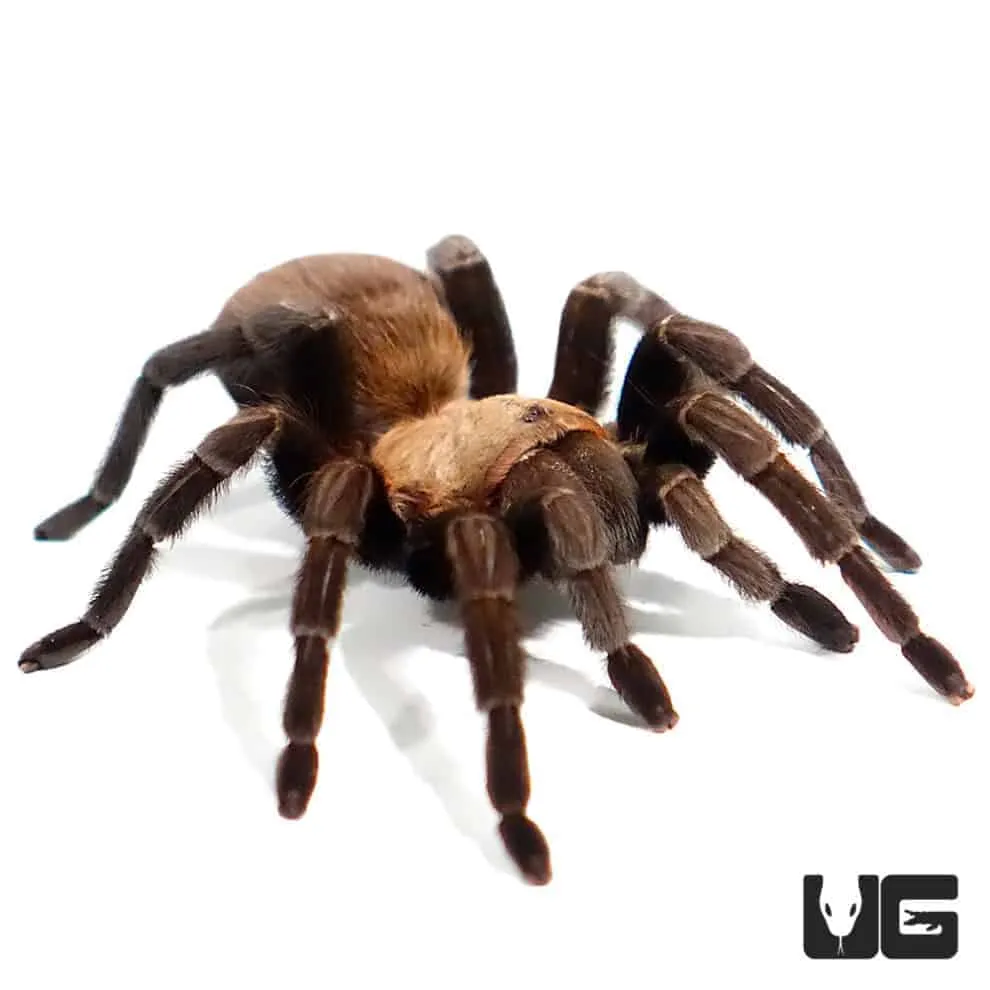
Texas Brown Tarantula: Male vs Female
The Texas Brown Tarantula, scientifically known as Aphonopelma hentzi, is a fascinating creature that often sparks curiosity, especially among those interested in keeping them as pets. Distinguishing between a male and a female Texas Brown Tarantula is crucial for responsible ownership, breeding purposes, and simply understanding the biology of this impressive arachnid. Several key differences help identify the sex of a tarantula, allowing enthusiasts to better care for their pet and understand its life cycle. This guide will explore the top five differences to help you accurately determine whether your Texas Brown Tarantula is male or female, ensuring you have the knowledge to provide the best possible care.
Size and Body Shape
One of the most noticeable distinctions between male and female Texas Brown Tarantulas is their size and overall body shape. This is often the first clue for identification, particularly when observing mature specimens. The size difference becomes more apparent as the tarantulas age and mature. It is important to consider that environmental factors like feeding can influence the size, however, general trends will become clear.
Male Tarantula: Smaller and Longer Legs

Male Texas Brown Tarantulas tend to be smaller overall compared to females. They often have a more slender body build, with a less robust abdomen. A key characteristic of males is their proportionally longer legs, giving them a larger overall leg span. These longer legs are especially useful during mating, allowing the male to reach the female and position himself appropriately. The difference in leg length is often a reliable indicator, especially in adult tarantulas, as the males prioritize mobility in their search for mates.
Female Tarantula: Larger and Stouter
Female Texas Brown Tarantulas are typically larger and more robust than their male counterparts. They possess a stockier build, with a larger abdomen, which is crucial for carrying eggs. The overall shape of a female is rounder and more compact. This physical build is directly linked to their primary biological role of reproduction. Their larger size also contributes to their longer lifespan, allowing them to survive many years and reproduce multiple times throughout their lives. This difference in size and shape is a fundamental indicator of their sexual dimorphism.
Coloration Differences
While the coloration of Texas Brown Tarantulas can vary based on their geographic location and individual genetics, there are subtle yet significant differences in coloration between males and females. These variations can assist in the identification process, particularly when combined with other physical characteristics.
Male Tarantulas: Subtle Color Variations

Male Texas Brown Tarantulas may exhibit slightly different coloration compared to females. Generally, males tend to have more subtle color variations. The overall hue can be less saturated, and the body might appear less vibrant. The legs may have a slightly different shade, often appearing a bit lighter or washed out. These subtle variations are not always immediately apparent, but with practice and experience, observing these color differences can aid in the identification of males.
Female Tarantulas: Generally More Vibrant
Female Texas Brown Tarantulas usually display more vibrant and richer coloration. Their bodies often have deeper, more saturated brown tones, and the overall appearance is more striking. This difference in color is not a definitive identifier, as coloration can vary among individuals. However, the tendency for females to exhibit more intense colors is a common observation. The contrast of the colors can also be much more visible in females.
Presence of Pedipalps and Bulbs
The pedipalps, or “palps,” are the small appendages near a tarantula’s mouth, and they provide significant clues for sex identification. In mature male Texas Brown Tarantulas, the pedipalps undergo a distinct modification, which is a primary indicator of their sex.
Male Tarantulas: Modified Pedipalps

Male Texas Brown Tarantulas develop modified pedipalps, called “bulbs,” at the tips. These bulbs are used to store sperm and are crucial for the mating process. These structures are typically visible on the tips of the pedipalps, resembling small boxing gloves. The presence of these bulbs is a definitive indicator of a male tarantula, as they are unique to the male reproductive system. Observing this feature requires a close look, but it is one of the most reliable methods of sexing the tarantula.
Female Tarantulas: Pedipalps are Normal
Female Texas Brown Tarantulas have normal pedipalps that do not have bulbs. Their pedipalps are similar in appearance to their other legs, although they are shorter. Without the modified bulbs, the pedipalps of a female tarantula offer no clues for their sex. A close inspection will reveal that they do not have the distinctive features present in males, providing a way to determine their sex by the absence of bulbs.
Spermatheca
The spermatheca, a structure found only in female tarantulas, is an internal organ used for storing sperm received during mating. Examining the presence or absence of this organ is a reliable method for sexing a tarantula. The process typically involves examining the exuvia (molted exoskeleton) of the tarantula, as the spermatheca is visible in the shed skin of females.
Male Tarantulas: No Spermatheca

Male Texas Brown Tarantulas do not possess a spermatheca. This organ is exclusive to females and is essential for reproduction. When examining the exuvia of a male tarantula, you will not find the spermatheca, confirming its male sex. While this method requires the molted exoskeleton, it’s a highly accurate technique.
Female Tarantulas: Spermatheca Present
Female Texas Brown Tarantulas have a visible spermatheca within their exuvia. The spermatheca is a pouch-like structure used to store sperm. Examining the molted exoskeleton under a microscope or with a magnifying glass allows for easy identification of the spermatheca, making it a reliable method of identifying a female tarantula. If the exuvia is available, looking for the presence of the spermatheca is a nearly foolproof method for determining the sex of the spider.
Lifespan Differences
The lifespan of a Texas Brown Tarantula varies significantly depending on its sex. Understanding these differences can provide a better understanding of the tarantula’s life cycle and the expectations for pet ownership. The length of life often influences how a tarantula is cared for and how often it is observed.
Male Tarantulas: Shorter Lifespan

Male Texas Brown Tarantulas typically have a shorter lifespan than females. After reaching maturity and mating, males often die within a year or two. Their primary purpose in life is reproduction, and their bodies are designed to fulfill that role. This shorter lifespan is a natural part of their life cycle. Although they may be smaller, the males live a relatively short life once they are mature, and this aspect is important to consider when considering a male pet.
Female Tarantulas: Longer Lifespan
Female Texas Brown Tarantulas boast a considerably longer lifespan, often living for 15 to 25 years or even longer in captivity. This longevity is related to their reproductive role and the energy investment in egg production. This longer lifespan is a major factor for owners to consider, as these pets require a long-term commitment. If you’re considering acquiring a tarantula, a female will provide a long-term companion.
In conclusion, accurately differentiating between male and female Texas Brown Tarantulas is essential for proper care, breeding, and appreciating the fascinating biology of these creatures. By examining size and body shape, coloration, pedipalps, spermatheca, and lifespan, enthusiasts can confidently determine the sex of their tarantulas. Understanding these differences empowers owners to provide the best possible environment and care for their pet, ensuring a healthy and fulfilling life. Remember that consistent observation and careful analysis are key to accurate sexing, and always consult with experienced keepers for additional guidance. This information is critical for any responsible owner.