What is a Marshalli Tarantula?
The Marshalli Tarantula, scientifically known as Aphonopelma marxi, is a captivating species of tarantula, popular among arachnid enthusiasts. Native to the southwestern United States, these spiders are known for their relatively docile temperament and beautiful appearance. They typically display a brown or tan coloration and are relatively large spiders, making them impressive pets. Keeping a Marshalli Tarantula involves understanding their specific needs, especially concerning their enclosure. Creating the right habitat is crucial for their health, well-being, and longevity. This guide provides a comprehensive overview of establishing and maintaining an optimal enclosure for your Marshalli Tarantula.
Ideal Marshalli Tarantula Enclosure Size
The size of your Marshalli Tarantula’s enclosure is one of the most important factors to consider. A properly sized enclosure will provide your tarantula with enough space to move around, hunt, and feel secure. A general guideline is to provide an enclosure that is at least three times the tarantula’s leg span in width and length, and the height should be sufficient to accommodate substrate depth and any decorations without the tarantula being able to reach the top easily. For a juvenile Marshalli Tarantula, a 5-gallon enclosure may suffice initially, but as it grows, you’ll need to upgrade. For an adult, a 10-gallon or larger enclosure is usually recommended. Always consider the individual tarantula’s size and growth rate when selecting an enclosure.
Choosing the Right Enclosure Type

The type of enclosure you choose will significantly impact the comfort and well-being of your Marshalli Tarantula. Both glass and acrylic enclosures are popular choices, each with its advantages and disadvantages. The primary factors to consider include durability, ease of maintenance, ventilation, and visibility. The enclosure should also have a secure lid to prevent escape. The material should be non-toxic and safe for the tarantula. Let’s examine the differences between glass and acrylic enclosures to help you make an informed decision.
Glass Enclosures
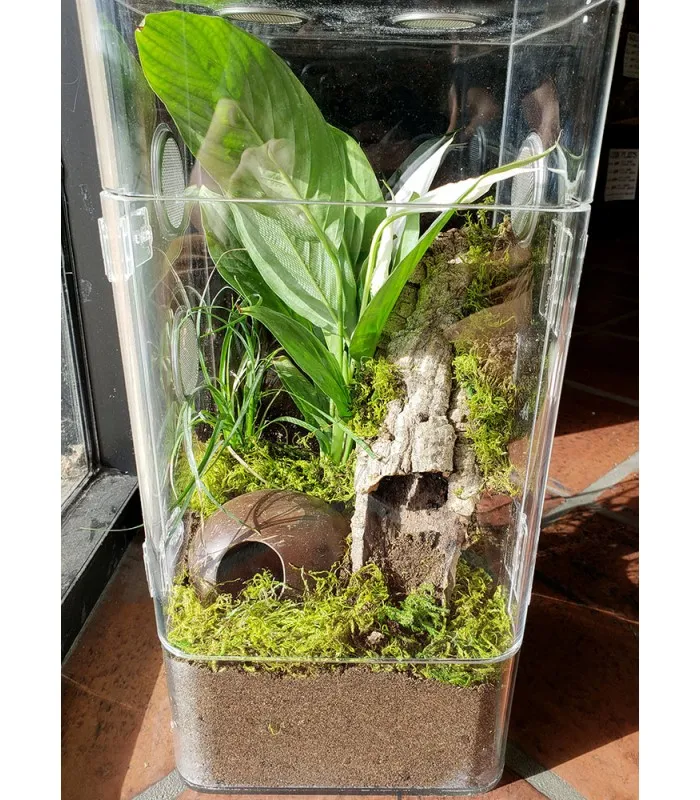
Glass enclosures are a classic choice for tarantulas. They are often readily available and offer excellent visibility, allowing you to easily observe your tarantula. Glass is also relatively scratch-resistant and can be easier to clean than some other materials. However, glass enclosures can be heavier than acrylic ones, and they may not insulate as well, which can affect temperature regulation. Ensure the glass enclosure has adequate ventilation holes and a secure lid that cannot be easily pushed open by the tarantula. Regular cleaning is also essential to prevent buildup of debris and maintain a clear view of your pet. The image shows a nice, clean glass enclosure.
Acrylic Enclosures
Acrylic enclosures are another great option, often favored for their lightweight and durable nature. Acrylic provides excellent insulation, which can help maintain stable temperatures and humidity levels. These enclosures are also very clear and offer a great view of your tarantula. Acrylic is less prone to shattering than glass, making it a safer choice, especially if there are children or other pets in the home. However, acrylic can scratch more easily than glass, so careful handling and cleaning are essential. Make sure the acrylic is specifically designed for pet enclosures to avoid any potential toxic fumes or materials. Consider the ventilation design, ensuring that airflow is adequate while also maintaining the required humidity.
Ventilation Considerations

Proper ventilation is absolutely crucial for the health of your Marshalli Tarantula. Stagnant air can lead to the buildup of mold, bacteria, and excess humidity, all of which can be detrimental to the tarantula’s well-being. Ventilation helps regulate humidity levels and allows for the exchange of fresh air. Most enclosures come with ventilation already designed in, usually in the form of small holes or mesh panels. Ensure there’s sufficient airflow without causing excessive dryness. The ideal ventilation design will depend on the specific enclosure and the ambient humidity of your environment. Regular inspection of ventilation holes is necessary to prevent them from being blocked by substrate or debris.
Substrate Selection for Your Marshalli Tarantula
Choosing the right substrate is essential for creating a comfortable and healthy environment for your Marshalli Tarantula. The substrate serves multiple purposes, including providing a medium for burrowing, helping to maintain humidity, and offering a surface for the tarantula to walk on. The ideal substrate should be absorbent, non-toxic, and free from harmful chemicals. There are many different types of substrate available, each with its pros and cons. Consider the specific needs of the Marshalli Tarantula and the environmental conditions when choosing a substrate.
Types of Substrate to Consider
Popular substrate options include coconut fiber (coco coir), peat moss, and a mix of these with vermiculite or other materials. Coconut fiber is a great choice because it retains moisture well, helping to maintain humidity, and is also a natural, sustainable option. Peat moss is another absorbent option, often used to create a naturalistic environment. Vermiculite can be added to the substrate to improve moisture retention and aeration. Avoid using substrates that contain pesticides or fertilizers. Always check the substrate for any potential hazards before adding it to the enclosure. The image provides a glimpse of the ideal substrate to consider.
Maintaining Humidity Levels

Marshalli Tarantulas require specific humidity levels to thrive. The ideal humidity range is generally between 60-70%, but this can fluctuate depending on the individual spider and the environment. Regularly monitor the humidity levels using a hygrometer, a device specifically designed to measure humidity. To maintain humidity, mist the enclosure with dechlorinated water, especially around the substrate, to increase moisture content. The frequency of misting will depend on the ambient humidity and the enclosure’s ventilation. Ensure that the enclosure is not excessively humid to prevent mold growth. Proper substrate selection and adequate ventilation will contribute to maintaining ideal humidity levels.
Adding Essential Decorations
Adding decorations to your Marshalli Tarantula’s enclosure not only enhances its aesthetic appeal but also provides enrichment for the spider. Decorations can help the tarantula feel more secure and provide hiding places, which are essential for their well-being. Choose decorations that are non-toxic, cleanable, and safe for the spider. Avoid sharp objects that could injure the tarantula. Suitable options include cork bark, artificial plants, and various types of hides. Arrange the decorations to create a naturalistic environment that allows the tarantula to explore and feel safe. Make sure there’s enough open space for the tarantula to move around and hunt.
Water Dish Placement and Importance
A water dish is essential for providing your Marshalli Tarantula with access to fresh water. The dish should be shallow enough to prevent the tarantula from drowning, and it should be placed in a location where the tarantula can easily access it. Use a dish that is sturdy and non-tippable, such as a small ceramic dish or a dedicated tarantula water dish. Regularly refill the water dish with fresh, dechlorinated water to keep your tarantula hydrated. Cleaning the water dish frequently is also important to prevent bacterial growth. Place the water dish in a location that won’t interfere with the tarantula’s ability to move around or hunt. The image shows a water dish, critical to the tarantula’s survival.
Hiding Spots and Their Significance

Tarantulas are naturally secretive creatures that feel most secure when they have a place to hide. Providing hiding spots is therefore essential for your Marshalli Tarantula’s psychological well-being. Hiding spots can be as simple as a piece of cork bark, a half-buried terracotta pot, or a commercially available tarantula hide. The hide should be appropriately sized for your tarantula, allowing it to easily enter and feel safe inside. Place the hide in a location that is easily accessible to the tarantula, such as a corner of the enclosure or near the substrate. The image here shows the ideal hiding place for the tarantula.
Temperature and Heating for Marshalli Tarantulas
Maintaining the correct temperature is crucial for the health and activity of your Marshalli Tarantula. Tarantulas are ectothermic, meaning they rely on their environment to regulate their body temperature. They thrive in a specific temperature range, and deviations can lead to health problems. Monitor the temperature using a thermometer placed within the enclosure. The ideal temperature range for the Marshalli Tarantula is generally between 75-85°F (24-29°C), with a slight temperature drop at night being acceptable.
Ideal Temperature Range
The ideal temperature range for the Marshalli Tarantula is between 75-85°F (24-29°C). Maintain this temperature range throughout the day and allow for a slight drop at night. Ensure that the temperature does not fall below 70°F (21°C) or exceed 90°F (32°C), as this can negatively impact the tarantula’s health. Use a reliable thermometer to accurately monitor the temperature within the enclosure. Temperature fluctuations can stress the tarantula, affecting its appetite, molting cycle, and overall well-being.
Heating Methods to Consider

If your ambient room temperature is not within the desired range, you may need to use a heating method to provide additional warmth. Safe heating methods include heat mats placed on the side of the enclosure, or ceramic heat emitters (CHEs). Avoid using heat lamps, as they can cause excessive dryness and can burn your tarantula. Always use a thermostat to regulate the temperature and prevent overheating. Place the heat source on one side of the enclosure to create a temperature gradient, allowing the tarantula to move to a warmer or cooler area as needed. Never place the heat source directly inside the enclosure.
Lighting Requirements for Marshalli Tarantulas
Marshalli Tarantulas do not require special lighting for survival, but providing a natural day-night cycle can be beneficial. While they do not need UV light, a low-wattage LED or fluorescent light can be used to illuminate the enclosure and provide a naturalistic day-night cycle. Overly bright or intense lighting is not necessary and can stress the tarantula. Consider the location of the enclosure and the amount of natural light it receives. Avoid placing the enclosure in direct sunlight, which can overheat the enclosure and harm the tarantula.
Natural vs Artificial Lighting
Natural lighting, such as indirect sunlight, is perfectly acceptable for the Marshalli Tarantula, provided the enclosure does not overheat. However, avoid direct sunlight, which can be too intense and can also cause the enclosure to overheat. Artificial lighting can be used to supplement natural light, providing a consistent day-night cycle. If using artificial lighting, choose a low-wattage bulb and avoid harsh, bright lights. Always ensure that the light source does not produce excessive heat or UV radiation. The overall goal is to mimic a natural environment to provide the best experience.
Feeding and Maintaining Your Marshalli Tarantula

Feeding your Marshalli Tarantula and maintaining its enclosure are essential components of proper care. Tarantulas are carnivorous and primarily feed on insects. The frequency of feeding and the type of food offered will depend on the tarantula’s size and age. A clean and well-maintained enclosure is crucial for the health and well-being of your tarantula. Regularly removing uneaten food, shed exoskeletons, and other debris will prevent the buildup of bacteria and maintain a healthy environment. Also, keeping the enclosure clean will help manage pests and maintain the quality of the air.
Dietary Needs
Marshalli Tarantulas primarily feed on insects such as crickets, mealworms, and roaches. The size of the insects offered should be appropriate for the tarantula’s size; a good rule of thumb is to offer prey no larger than the tarantula’s abdomen. Juvenile tarantulas should be fed more frequently than adults, typically two to three times a week. Adult tarantulas can be fed once or twice a week. Always remove uneaten prey within 24 hours to prevent stress and to maintain the cleanliness of the enclosure. Provide a varied diet of different insects to ensure that the tarantula receives a balanced intake of nutrients. The image shows a feeding session for the tarantula.
Watering Schedule
Providing fresh water is a crucial part of caring for a Marshalli Tarantula. Regularly refill the water dish with fresh, dechlorinated water. Young tarantulas may only need the substrate misted every few days to maintain the right level of hydration. Larger tarantulas require a water dish, and should have it refilled every one or two days. Observe your tarantula and adjust the watering schedule as needed, based on its behavior and the humidity levels in the enclosure. In addition, the tarantula’s water dish should be cleaned regularly to prevent bacterial growth and ensure it’s always drinking fresh water. The water dish should always be shallow, as a deep one may pose a threat to the tarantula.
Cleaning and Maintenance Schedule
Regular cleaning and maintenance are essential for maintaining a healthy enclosure and a healthy tarantula. Spot clean the enclosure daily, removing any uneaten prey, shed exoskeletons, and other debris. Regularly replace the substrate, typically every 6-12 months, or more frequently if it becomes heavily soiled. Clean the water dish and decorations weekly. During cleaning, always handle the tarantula with care and avoid causing unnecessary stress. Regularly inspect the enclosure for signs of mold, pests, or other problems. The maintenance will ensure that your tarantula will continue to thrive in its enclosure.
Signs of a Healthy Marshalli Tarantula
A healthy Marshalli Tarantula will exhibit several key characteristics. The tarantula should be active, alert, and able to move around its enclosure with ease. A healthy tarantula will have a plump abdomen, indicating that it is well-fed and hydrated. The tarantula’s fangs and chelicerae should be intact and in good condition. Watch for signs of molting, which is a natural process for tarantulas. A healthy tarantula will also show a good appetite and readily consume the offered prey. The image shows a healthy and thriving tarantula.
Common Mistakes to Avoid
Several common mistakes can lead to problems when keeping Marshalli Tarantulas. Overfeeding can cause obesity, which can affect the tarantula’s health. Underfeeding or providing an inadequate diet can lead to nutrient deficiencies. Overwatering or maintaining excessive humidity can promote mold growth. Using harsh chemicals or cleaning products can be toxic to the tarantula. Handling the tarantula unnecessarily can cause stress and potentially injury. Failing to provide a secure enclosure can result in the tarantula escaping. By avoiding these common mistakes, you can ensure that your Marshalli Tarantula remains healthy and happy.
Conclusion
Creating the perfect enclosure for your Marshalli Tarantula is crucial to its health, longevity, and overall well-being. By understanding the specific needs of this species and following the guidelines outlined in this guide, you can provide a comfortable and stimulating environment for your tarantula. Remember to research thoroughly, monitor your tarantula’s behavior, and adjust its care as needed. With proper care and attention, you can enjoy the fascinating experience of keeping a Marshalli Tarantula for many years to come.